
Cultural Tourism in Uganda: Uganda has 65 recognized tribes and 40+ languages packed into a country smaller than the UK. In one week with Fuga Tours and Travel, you can sit with a Baganda elders under a royal fig tree, learn fire-making from Batwa forest people, drink milk with Karamojong warriors, and weave baskets with Basoga women on the Nile. This isn’t a museum. This is daily life. I’m going to walk you through what cultural tourism in Uganda actually feels like, which tribes you’ll meet, what you’ll do, how much it costs, and why booking with a local company like Fuga Tours and Travel gets you closer to the real Uganda than any brochure can.
What “Cultural Tourism in Uganda” Really Means in 2026
Forget staged dances for tour buses. In Uganda, cultural tourism means you’re invited into living communities. The king of Buganda still rules. Karamojong men still herd cattle with spears across the plains. Batwa women still know 200 plants for medicine.
The big shift in 2026 is community-based tourism. Uganda Wildlife Authority and NGOs now require that 20% of cultural tour fees go straight to the village. That means when you book a Batwa trail or Karamojong manyatta visit through Fuga Tours and Travel, your money buys school books, pays the guide, and keeps traditions alive. You’re not watching culture. You’re helping it survive“ experiences near me” for travelers landing in Entebbe or Kampala. If someone searches “cultural things to do near Kampala”, Kasubi Tombs and Ndere Cultural Centre pop up first. If they search from Kabale, Batwa and Bakiga villages rank top. Fuga is based in Kampala but runs cultural tours nationwide, so we optimize every page for those local searches.
The Tribes You’ll Actually Meet: Stories, Not Just Names
Uganda’s tribes aren’t just names on a map. Each one has a personality, a craft, a way of seeing the world. Here are the 8 you’ll meet most on Fuga’s cultural tours:
The Baganda of Central Uganda
They’re the largest tribe and the heart of Uganda’s kingdom culture. When you walk into Kasubi Tombs in Kampala, a UNESCO site, you’re stepping into a royal burial ground made entirely of wood, reed, and thatch. No nails. A Baganda guide will explain how the “Kabaka” king is crowned, why the royal drums called “Mujaguzo” are sacred, and why every Baganda home plants a fig tree. The experience: You’ll eat “luwombo” — chicken or beef slow-cooked in banana leaves — sitting on a mat, eating with your hands. In the evening, Ndere Cultural Centre puts 50 dancers from 12 tribes on one stage. It’s the fastest way to see Uganda’s cultural diversity in 2 hours. Search “Ndere dance show tickets Kampala” and you’ll see why it’s sold out most nights.
The Batwa of Bwindi and Mgahinga
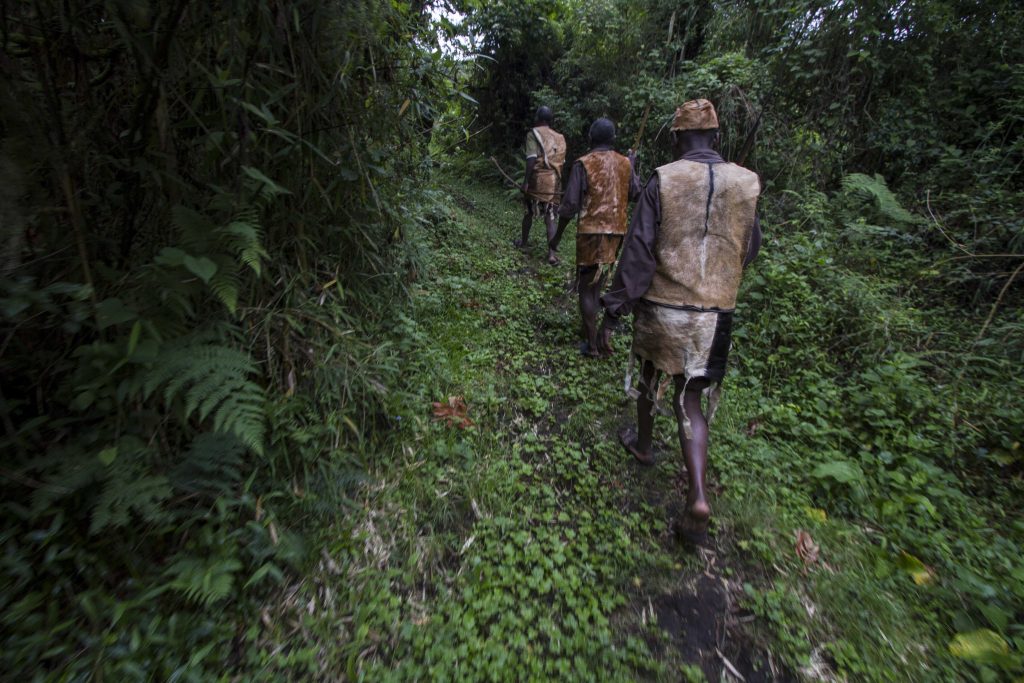
The Batwa are Uganda’s first people. For 30,000 years they lived as hunter-gatherers in the forest. When Bwindi became a gorilla park in 1991, they were relocated. Today the “Batwa Trail” is their way of sharing their story. You walk into the forest with an ex-hunter guide. He stops, snaps a twig, and suddenly fire appears using dry grass and friction. He shows you how to identify honey, how to build a shelter from leaves in 10 minutes, and how they used to hunt elephant with spears. The most powerful moment is the “displacement song”. The women sing about leaving the forest. Visitors cry. Every time. Book “Batwa cultural trail Bwindi price 2026” and you’ll pay $30. All of it goes to the Batwa community. Fuga adds a village homestay option so you can sleep in a traditional hut and wake up to Batwa stories by the fire.
The Karamojong of Northeast Uganda
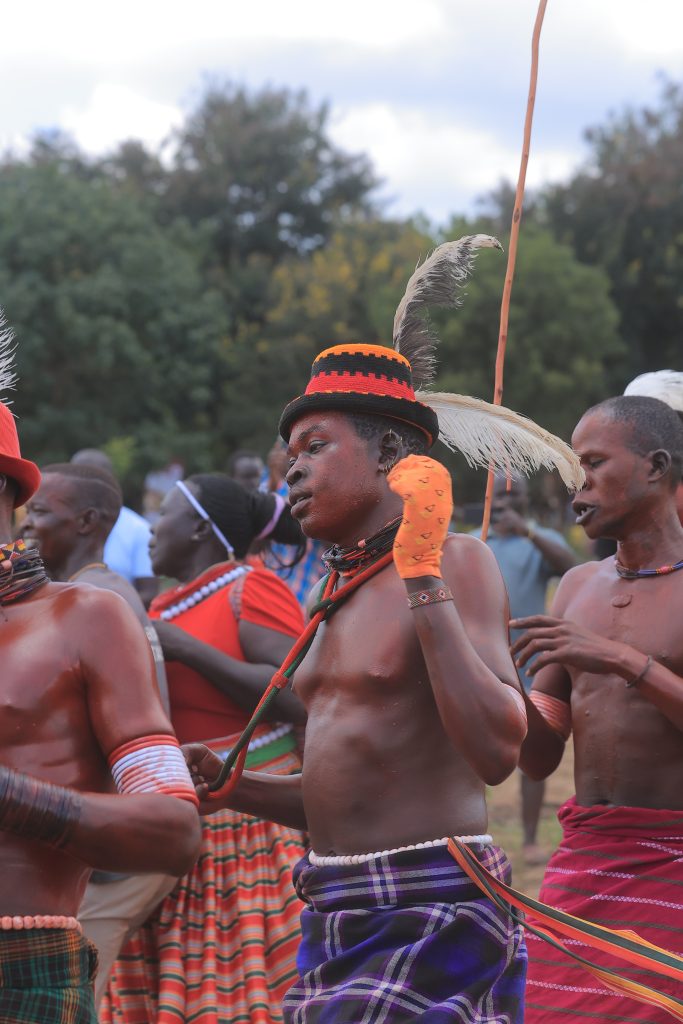
If you want Africa’s last true warriors, go to Karamoja. The Karamojong are semi-nomadic cattle herders. Cattle = wealth, status, marriage. Men wear red ochre in their hair and carry spears. Women wear heavy beaded necklaces that can weigh 5kg.A Karamojong “manyatta” visit starts with the dance called “Edeke”. Men jump as high as they can while chanting. The higher you jump, the stronger you look to potential wives. Then you’re invited into a homestead made of thorn branches. Inside, families sleep on cow skins. The elder will offer you fermented milk in a gourd. It’s sour, but refusing is rude. Kidepo Valley National Park borders Karamoja, so Fuga combines “Karamojong cultural tour + Kidepo safari”. You see cheetahs in the morning, warriors in the afternoon. Search “Karamojong village visit cost” and you’ll find $35 per person. That includes the community fee.
The Basoga of Eastern Uganda
The Basoga live where the Nile starts in Jinja. They’re master drummers and basket weavers. On a Basoga cultural day, you visit a women’s group that weaves “ekibo” baskets from palm leaves. Each pattern tells a story — marriage, harvest, mourning. You’ll try weaving yourself. Your basket will look terrible. They’ll laugh with you, not at you.You’ll also learn barkcloth making. The Baganda invented it, but Basoga perfected it. They strip bark from a fig tree, beat it for hours with wooden mallets, and turn it into soft fabric. Kings used it as royal clothing. Today, artists paint on it. Fuga adds this to our “Jinja cultural and rafting combo” so you get culture in the morning, Grade 5 rapids in the afternoon.
The Bakiga of Southwest Uganda
The Bakiga are “people of the mountains” around Kabale and Lake Bunyonyi. They turned near-vertical hills into terraced farms 400 years ago. When you do a Bakiga village walk, you’ll climb those terraces with a farmer who explains how they grow sorghum, beans, and Irish potatoes without machinery. Bakiga culture is tough and direct. Their proverbs are sharp. Their dance “Ekizino” is fast and competitive. At Lake Bunyonyi, Fuga organizes homestays where you cook with a Bakiga family, fetch water from the lake, and hear stories about how they survived famine. It’s slow travel. Perfect if you search “authentic village homestay Uganda”.
The Batooro of Western Uganda
Fort Portal is Batooro land and home to the Tooro Kingdom. The palace “Karuzika” still stands. A Batooro guide will explain the kingdom’s link to the Rwenzori Mountains — “Mountains of the Moon”. The highlight is the royal music. Batooro use the “amadinda” xylophone with 22 keys played by 3 people at once. It sounds like rain. You can take a 1-hour lesson. Fuga pairs this with chimp tracking in nearby Kibale Forest:
The Iteso of Eastern Uganda
The Iteso are storytellers. Evening around the fire, an elder will tell “Edeke” folktales about the hare and the hyena. The moral always applies to today’s politics or marriage. Iteso are also known for “Akorino” dance and brewing “ajono” millet beer. On a tour you’ll see the brewing process — it takes 5 days — and taste the final product. Strong. Sweet.
The Acholi of Northern Uganda
After decades of war, Acholi culture is about resilience. In Gulu, cultural centers teach traditional dances like “Bwola” that were once royal dances. The drum patterns are complex. Visitors are invited to join. You’ll be bad at it. Everyone claps anyway.Acholi food is different too — “malakwang” greens cooked with peanut paste. Fuga includes this on our “Northern Uganda cultural + Kidepo tour” for travelers who want the road less traveled.
What You’ll Actually Do on a Uganda Cultural Tour
People don’t book “culture”. They book moments. Here’s what Fuga Tours and Travel includes in a standard 3-day cultural tour, with full detail:
Day 1: Kampala – Kingdom and Dance
Morning: You start at Kasubi Tombs. The guide isn’t reading from a book. He’s Baganda. His grandfather was buried here. He shows you the 4 royal tombs, explains the “Namasole” queen mother’s role, and why the main hut burned in 2010 and was rebuilt using 500-year-old methods. You’ll see artisans weaving the roof right now.Afternoon: Craft market on Buganda Road. This isn’t for tourists only. Ugandans shop here too. You’ll meet a woman who’s made beads for 20 years. She’ll teach you how to tell real recycled glass beads from plastic. You buy direct. No middleman.Evening: Ndere Cultural Centre. 7pm show. You sit on benches, eat buffet, then the lights drop. Drums start. 50 dancers enter. In 90 minutes you see wedding dances from West Nile, warrior dances from Karamoja, royal dances from Tooro. The finale is all tribes dancing together. Tourists stand and dance too.
Day 2: Bwindi – Batwa Forest Experience
You drive 8 hours to Bwindi, but the drive is part of the culture. You pass terrace farms, kids waving, markets selling bananas. Morning Day 3: Batwa Trail. You meet your guide at the park gate. He’s Batwa. First 30 minutes is “forest pharmacy”. He points to 15 plants and tells you what each cures: stomach ache, snake bite, fertility. Then fire-making. Then shelter building. You try. You fail. He laughs. The last 45 minutes is at the Batwa “garama cave”. They sing displacement songs. The acoustics are insane. Many visitors say this is more moving than seeing gorillas. Afternoon: Village walk to a Bakiga farm. You plant, you cook, you eat. You sleep in a simple guesthouse run by the community.
Day 3: Lake Bunyonyi – Canoe and Stories
Morning canoe to an island. The Bakiga guide tells you about “punishment island” where unmarried pregnant girls were abandoned 100 years ago. Dark history, told honestly. Afternoon drive back to Kampala with stops at roadside markets. You taste roasted maize, passion fruit, “rolex” eggs. That’s culture too. This is the detail travelers want when they search “Uganda cultural tour itinerary 3 days”. Not “Day 1: Culture”. Real activities, real time, real emotion.
How Much Do Uganda Cultural Tours Cost in 2026?
Single Activities
Batwa Trail Bwindi: $30 per person. Fixed by UWA.
3 hours.Karamojong Manyatta Visit Kidepo: $35 per person and $40 park entry.
4 hours.Ndere Cultural Centre Show: $25 with dinner,
$15 without. 2 hours.Kasubi Tombs:
$10 foreigner entry + $5 guide.Village
Homestay: $20-30 per person per night, including meals and family stay.Traditional Cooking Class: $15 per person. 2 hours.
Multi-Day Packages with Fuga Tours:
1-Day Kampala Culture:
Kasubi + Craft Market + Ndere Show = $85 per person with transport.3-Day Batwa + Bakiga Culture: Kampala → Bwindi Batwa Trail → Lake Bunyonyi Village = $280 per person in a group of 4. Private = $380.5-Day Tribes Circuit: Baganda + Batwa + Karamojong + Basoga = $620 per person group join. Includes transport, guide, meals, activities. Excludes gorilla permits.
3-Day Batwa + Bakiga Culture: Kampala → Bwindi Batwa Trail → Lake Bunyonyi Village = $280 per person in a group of 4. Private = $380.
5-Day Tribes Circuit: Baganda + Batwa + Karamojong + Basoga = $620 per person group join. Includes transport, guide, meals, activities. Excludes gorilla permits.
When Is the Best Time for Cultural Tourism in Uganda?
Unlike wildlife, culture doesn’t have a “season”. But timing changes the experience:
Year-round: Villages, crafts, cooking, storytelling happen daily. Rain doesn’t stop it.
Best months for festivals:
January: New Year celebrations, traditional dances in villages
September-October: “Imbalu” circumcision ceremony of Bagisu tribe in Mbale. It’s intense — public, with dancing and crowds. Not for everyone, but unforgettable. Search “Imbalu ceremony 2026 dates”.
December-January: Christmas in Uganda is huge. Families reunite, traditional foods are cooked, churches hold all-night “Karamojong Christmas” dances.
Avoid: If you want big public events, skip March-May. That’s planting season. Villages are busy in fields.
Responsible Cultural Tourism: How Fuga Does It Differently
Bad cultural tourism treats people like animals in a zoo. Good cultural tourism treats them like hosts. Fuga’s rule:
Ask before photos.
Our guides teach you 3 words in the local language: “May I take your photo?” Respect goes both ways.
Money to the source. When you buy a basket, you pay the woman who made it. We don’t take a commission.
No orphanage visits. Those create dependency. We focus on an income-generating culture: crafts, dance, homestays.
Small groups. Max 8 people. You can’t have a real conversation with 30 tourists watching.
When you search “responsible cultural tourism Uganda”, Fuga’s blog and reviews come up because we follow these rules. It matters to travelers in 2026.