
Dian Fossey and Her Influence on Rwanda Gorilla Conservation.Dian Fossey is remembered as one of the most influential wildlife conservationists in history. Her groundbreaking work with mountain gorillas in Rwanda transformed the world’s understanding of these gentle primates and helped save them from extinction. Through years of research, anti-poaching efforts, and global awareness campaigns, Fossey became a symbol of gorilla conservation in Africa.
Today, Rwanda’s mountain gorillas are one of the world’s greatest conservation success stories, and much of that success can be traced back to Dian Fossey’s dedication and sacrifice. Her work continues to inspire researchers, conservationists, and travelers visiting Rwanda’s Volcanoes National Park.
Who Was Dian Fossey?
Dian Fossey was an American primatologist and zoologist born in 1932 in San Francisco, California. She first traveled to Africa in 1963, where she developed a deep interest in wildlife and gorillas after meeting famous anthropologist Louis Leakey. Leakey encouraged her to study mountain gorillas in their natural habitat, believing that understanding primates would help humans better understand themselves.
IIn 1967, Fossey established the famous Karisoke Research Center in Rwanda’s Virunga Mountains between Mount Karisimbi and Mount Bisoke. The name “Karisoke” was created from the names of these two volcanoes.
At the time, mountain gorillas faced severe threats from poaching, habitat destruction, and human encroachment. Very little was known about their behavior, and many people feared them. Fossey changed that perception forever.
Dian Fossey’s Research on Mountain Gorillas
Living Among the Gorillas
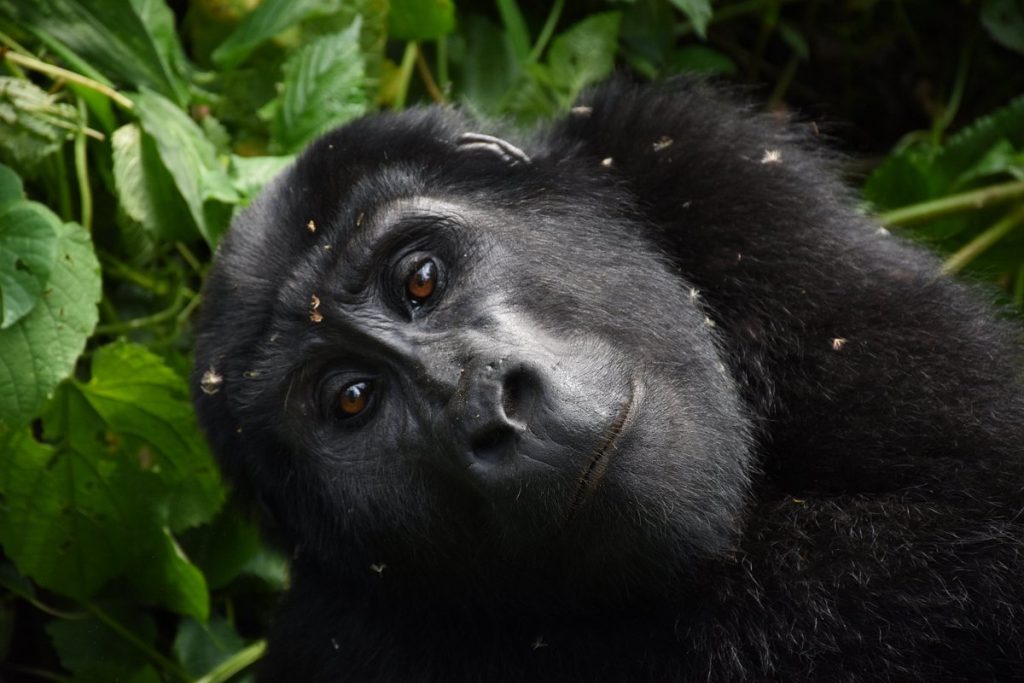
Unlike earlier researchers, Dian Fossey spent years living close to gorilla families in the forests of Rwanda. She slowly gained their trust by imitating their behavior, sounds, and movements. Over time, the gorillas accepted her presence, allowing her to study them at close rang
Her research revealed important facts about gorilla life, including:
- Gorilla family structures
- Communication and vocalizations
- Feeding habits
- Social relationships
- Parenting behavior
- Emotional intelligence
Fossey discovered that gorillas were peaceful, intelligent, and highly social animals rather than the aggressive creatures many people believed them to be
The Fight Against Poaching
Active Conservation
One of Dian Fossey’s greatest contributions was her aggressive fight against poaching. During the 1960s and 1970s, mountain gorillas were being killed for trophies, meat, and illegal wildlife trade. Poachers also set traps intended for other animals, which seriously injured gorillas
Fossey introduced what she called “active conservation,” which included:
- Destroying poachers’ snares
- Conducting anti-poaching patrols
- Monitoring gorilla groups
- Protecting gorilla habitats
- Campaigning internationally for gorilla conservation
Her efforts significantly reduced poaching in Rwanda’s Volcanoes National Park
How Dian Fossey Influenced Gorilla Conservation in Rwanda
1. She Helped Save Mountain Gorillas from Extinction
When Dian Fossey began her work, mountain gorilla populations were rapidly declining due to poaching and habitat destruction. Her anti-poaching campaigns and conservation efforts played a major role in protecting the species
Today, mountain gorilla numbers have increased significantly, making them one of the few endangered great ape populations showing recovery.
2. She Changed the World’s View of Gorillas
Before Fossey’s research, gorillas were often portrayed as dangerous and violent animals. Her studies showed that gorillas are gentle, emotional, intelligent, and family-oriented creatures
This shift in public perception encouraged governments and conservation organizations to invest in gorilla protection.
3.She Inspired Gorilla Tourism in Rwanda
Although Fossey had concerns about tourism, her research helped establish the foundation for modern gorilla trekking in Rwanda. By habituating gorillas to human presence, she made gorilla tourism possible.
Today, gorilla trekking is Rwanda’s leading tourism activity and generates millions of dollars for conservation and local communities.
4. She Inspired Future Conservationists
Dian Fossey inspired generations of wildlife researchers and conservationists across Africa and the world. Her dedication showed how one person could make a major difference in protecting endangered species.
Many conservation programs in Rwanda today continue to build on her work through research, education, veterinary care, and community conservation initiatives.
Dian Fossey’s Legacy in Rwanda Today
Dian Fossey’s legacy remains deeply connected to Rwanda’s Volcanoes National Park. Some of the lasting impacts of her work include:
- Continued gorilla research at Karisoke
- International gorilla conservation funding
- Gorilla trekking tourism
- Anti-poaching patrols
- Community conservation programs
- Increased global awareness of endangered species
The Dian Fossey Gorilla Fund continues to support gorilla conservation, scientific research, and local community development in Rwanda and the Democratic Republic of Congo.
The Ellen DeGeneres Campus of the Dian Fossey Gorilla Fund in Rwanda also honors her legacy through education, conservation science, and tourism.
Dian Fossey’s Death
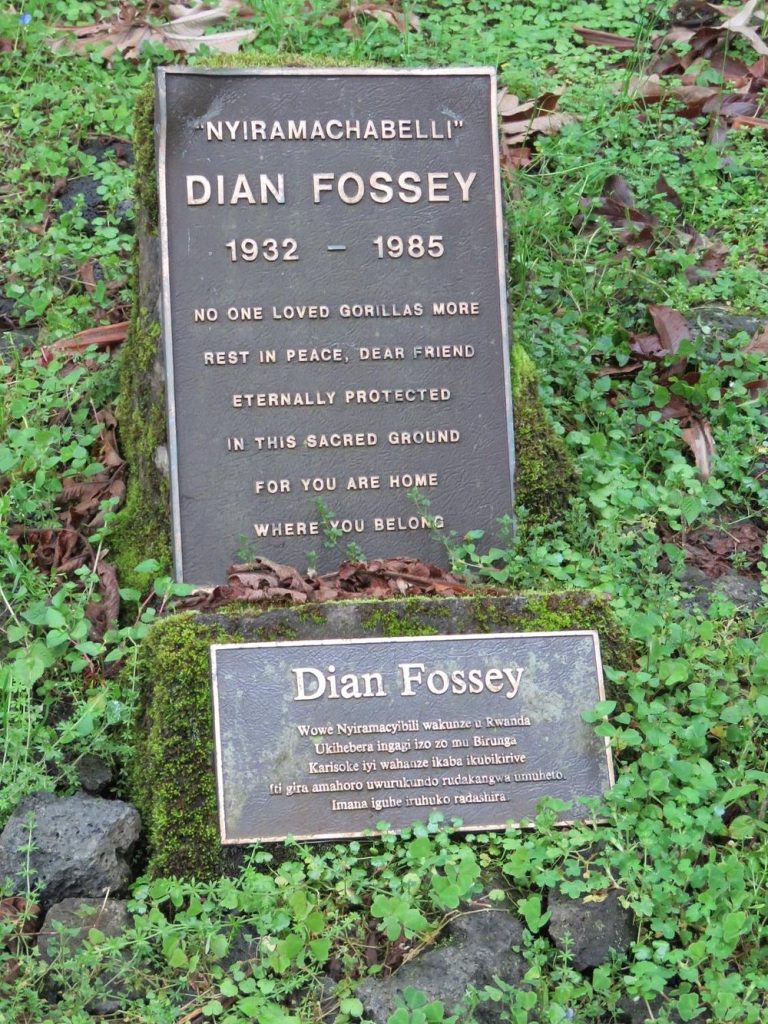
Dian Fossey was tragically murdered at her cabin in the Karisoke Research Center in December 1985. Her murder remains unsolved today.
Despite her death, her conservation work continued through researchers, conservation organizations, and the Dian Fossey Gorilla Fund.
Fossey was buried near her beloved gorillas at Karisoke in Rwanda’s Volcanoes National Park, where many visitors still hike to pay tribute to her legacy
Visiting Dian Fossey’s Tomb in Rwanda
One of the most popular activities in Volcanoes National Park is the Dian Fossey Tomb Hike. Visitors trek through the forest to the original Karisoke Research Center, where Dian Fossey lived and worked with gorillas.
The hike offers:
- Beautiful views of the Virunga Mountains
- Forest hiking experiences
- Insight into gorilla conservation history
- Visits to Dian Fossey’s grave and gorilla cemetery
The trek is both educational and emotional for travelers interested in wildlife conservation and Rwanda’s tourism history.
Conclusion
Dian Fossey dedicated her life to protecting Rwanda’s mountain gorillas at a time when their future was uncertain. Through her research, anti-poaching campaigns, and international advocacy, she transformed gorilla conservation and helped save one of the world’s most endangered species.
Her courage and passion continue to inspire conservation efforts across Africa today. Rwanda’s thriving gorilla tourism industry, growing mountain gorilla population, and global conservation reputation are all part of Dian Fossey’s enduring legacy.
For travelers visiting Rwanda, learning about Dian Fossey provides a deeper understanding of the importance of protecting wildlife and preserving natural habitats for future generations.