
Fauna and Flora in Uganda: Uganda, famously known as the Pearl of Africa, is one of the most biologically diverse countries on the African continent. Located at the heart of East Africa, Uganda boasts an extraordinary combination of wildlife, birds, forests, wetlands, savannahs, mountains, and freshwater ecosystems. The country’s rich natural heritage supports an impressive variety of fauna and flora that attract conservationists, researchers, photographers, and safari enthusiasts from around the world.
Whether you are planning a Uganda wildlife safari, gorilla trekking adventure, birding tour, or an eco-tourism experience, Uganda offers unmatched opportunities to explore nature in its purest form.
In this comprehensive guide, we explore the fascinating fauna and flora in Uganda, highlighting major wildlife species, unique vegetation zones, conservation efforts, and the best destinations to experience Uganda’s biodiversity.
Why Uganda Is a Biodiversity Hotspot
Uganda occupies a unique geographical position where East African savannahs meet Central African rainforests. This location creates ideal conditions for an extraordinary diversity of plant and animal species.
Uganda is home to:
- Over 345 mammal species
- More than 1,090 bird species
- Approximately 142 reptile species
- Over 86 amphibian species
- More than 5,000 plant species
- Nearly half of the world’s remaining mountain gorillas
This incredible diversity makes Uganda one of Africa’s leading eco-tourism and wildlife safari destinations.
Major Ecosystems Supporting Uganda’s Fauna and Flora
Tropical Rainforests in Uganda

Uganda is home to some of Africa’s most spectacular tropical rainforests, offering a rich tapestry of biodiversity, breathtaking landscapes, and unique wildlife encounters. These ancient forests are among the country’s most valuable natural treasures, supporting thousands of plant and animal species while providing critical ecosystem services such as carbon storage, climate regulation, and water conservation.
Stretching across western, central, and southwestern Uganda, tropical rainforests serve as sanctuaries for endangered mountain gorillas, chimpanzees, forest elephants, rare birds, and countless plant species. For travelers seeking immersive Uganda rainforest safaris, gorilla trekking adventures, chimpanzee tracking tours, and eco-tourism experiences, Uganda’s rainforests offer unforgettable journeys into some of Africa’s last remaining wilderness areas.
Uganda’s tropical rainforests are among Africa’s richest ecosystems.
Why Uganda’s Tropical Rainforests Are Unique
Uganda lies at the intersection of East African savannahs and the Congo Basin rainforest ecosystem. This strategic location has created an exceptional blend of flora and fauna that makes Uganda one of Africa’s leading biodiversity hotspots.
- High annual rainfall
- Warm temperatures throughout the year
- Dense vegetation layers
- Rich soils
- Exceptional biodiversity
These forests support more than:
- 5,000 plant species
- 345 mammal species
- 1,090 bird species
- Numerous reptiles, amphibians, and insects
Major Tropical Rainforests in Uganda
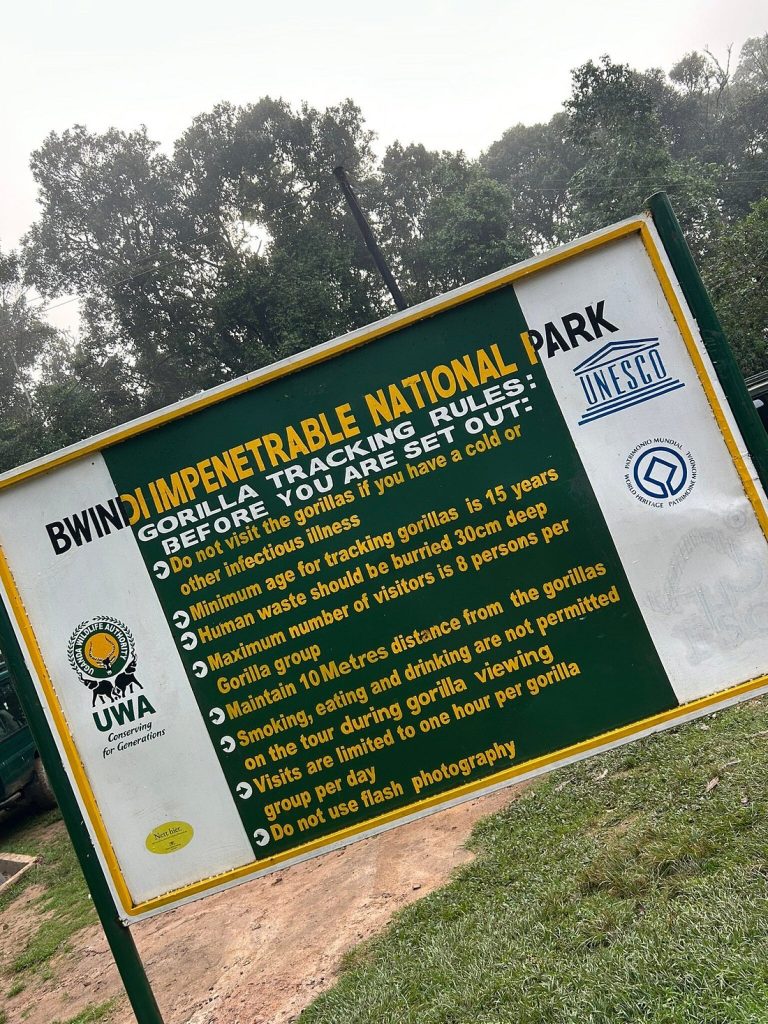
Bwindi Impenetrable National Park
Key forests include:
- Bwindi Impenetrable National Park
- Kibale National Park
- Budongo Forest Reserve
- Semuliki National Park
- Mabira Forest
These forests provide habitat for:
- Mountain gorillas
- Chimpanzees
- Forest elephants
- Rare birds
- Numerous medicinal plants
Savannah Grasslands
Uganda’s savannah ecosystems support many iconic African animals.
Major savannah parks include:
- Queen Elizabeth National Park
- Murchison Falls National Park
- Kidepo Valley National Park
- Lake Mburo National Park
These grasslands support:
- Lions
- Leopards
- Elephants
- Buffaloes
- Giraffes
- Antelopes
Wetlands and Swamps
Uganda possesses extensive wetland systems that support unique biodiversity.
Notable wetlands include:
- Mabamba Swamp
- Lutembe Wetland
- Lake Victoria wetlands
- Albert Nile wetlands
These habitats are vital for:
- Shoebill storks
- Migratory birds
- Fish breeding
- Aquatic vegetation
Mountain Ecosystems
The Rwenzori Mountains and Mount Elgon support unique alpine flora and fauna.
These regions contain:
- Giant lobelias
- Giant groundsels
- Endemic birds
- Rare mammals
The mountain ecosystems create some of Africa’s most spectacular landscapes.
Plant Vegetation in Uganda’s Protected Natural Reserves: A Journey Through the Pearl of Africa’s Botanical Treasures
Uganda is celebrated worldwide for its spectacular wildlife, mountain gorillas, and birdlife, but its remarkable plant diversity is equally deserving of attention. Known as the Pearl of Africa, Uganda boasts an extraordinary variety of ecosystems that support thousands of plant species. From the dense tropical rainforests of Bwindi and Kibale to the vast savannahs of Murchison Falls and Queen Elizabeth National Parks, the country’s protected natural reserves safeguard some of East Africa’s most important botanical treasures.
Uganda’s strategic location at the crossroads of East African savannahs and Central African rainforests has created a unique environment where diverse vegetation types flourish. The country’s protected areas preserve critical habitats that support wildlife, regulate climate, protect watersheds, and sustain local communities.
For travelers seeking immersive Uganda nature tours, eco-tourism safaris, and botanical excursions, understanding the plant vegetation found within Uganda’s protected reserves enhances the appreciation of the country’s natural beauty and ecological significance.
Why Uganda Has Such Diverse Vegetation
Several factors contribute to Uganda’s exceptional floral diversity:
- Equatorial climate with abundant rainfall
- Varied altitudes ranging from 620 meters to over 5,100 meters
- Fertile volcanic soils
- Extensive freshwater systems
- Diverse ecosystems including forests, wetlands, grasslands, and mountains
These conditions support over 5,000 plant species, making Uganda one of Africa’s richest botanical regions.
Major Vegetation Zones in Uganda’s Protected Areas
Tropical Rainforest Vegetation
Tropical rainforests represent some of Uganda’s most biologically diverse ecosystems.
Key Protected Forest Reserves
- Bwindi Impenetrable National Park
- Kibale National Park
- Semuliki National Park
- Budongo Forest Reserve
- Mabira Forest Reserve
These forests receive high annual rainfall, allowing dense vegetation to flourish year-round.
Characteristics of Rainforest Vegetation
Rainforests typically feature:
- Multi-layered forest canopies
- Evergreen trees
- Thick undergrowth
- Abundant epiphytes
- Numerous medicinal plants
The forest canopy can reach heights of more than 40 meters, creating unique habitats for wildlife.
Major Tropical Rainforests in Uganda
Bwindi Impenetrable National Park
Bwindi Impenetrable National Park is Uganda’s most famous rainforest and a UNESCO World Heritage Site.
Covering approximately 331 square kilometers, Bwindi is one of Africa’s oldest surviving forests, estimated to have existed for more than 25,000 years.
Vegetation in Bwindi
The forest contains:
- Over 1,000 flowering plant species
- More than 160 tree species
- Hundreds of fern species
- Moss-covered vegetation
Wildlife Supported by Bwindi
The forest provides habitat for:
- Mountain gorillas
- Chimpanzees
- L’Hoest monkeys
- Forest elephants
- Bush pigs
- Rare bird species
Bwindi is best known for its gorilla trekking safaris, one of Africa’s most sought-after wildlife experiences.
Kibale National Park
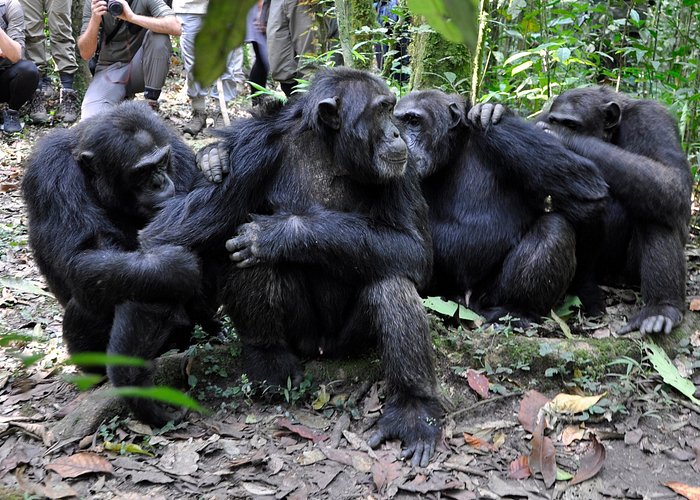
Known as the “Primate Capital of the World,” Kibale National Park protects one of Uganda’s richest tropical rainforest ecosystems.
The park spans approximately 795 square kilometers and contains:
- Evergreen forests
- Semi-deciduous forests
- Swamp vegetation
- Grassland clearings
Budongo Forest Reserve
Budongo Forest is one of Uganda’s largest natural forests and forms part of the greater Murchison Falls Conservation Area.
The forest is famous for:
- Massive mahogany trees
- Rich birdlife
Semuliki National Park
Located near the Democratic Republic of Congo border, Semuliki National Park represents the eastern extension of the Congo Basin rainforest.
Mabira Forest Reserve
Located between Kampala and Jinja, Mabira Forest is Uganda’s most accessible tropical rainforest.
Rare Plant Species in Uganda and Their Uses
Uganda, often referred to as the Pearl of Africa, is renowned for its incredible biodiversity, including a rich variety of rare and unique plant species. While the country is famous for mountain gorillas, chimpanzees, and spectacular birdlife, its botanical wealth remains one of its most overlooked natural treasures.
From the mist-covered forests of Bwindi Impenetrable National Park to the alpine slopes of the Rwenzori Mountains and Mount Elgon, Uganda hosts thousands of plant species, many of which are rare, endemic, medicinal, or economically valuable. These plants not only support wildlife and ecosystems but also provide food, medicine, construction materials, and cultural significance to local communities.
For eco-tourists, botanists, conservationists, and nature enthusiasts, Uganda offers a fascinating opportunity to explore some of East Africa’s most remarkable flora.
Why Uganda Is Rich in Rare Plant Species
Uganda’s unique geographical position contributes significantly to its plant diversity. Located at the meeting point of East African savannahs and Central African rainforests, the country contains a wide range of ecosystems including:
- Tropical rainforests
- Montane forests
- Wetlands
- Savannah grasslands
- Alpine vegetation zones
- Riverine forests
This environmental diversity has created ideal conditions for the evolution and survival of rare plant species.
Prunus Africana (African Cherry)
Prunus africana is one of Uganda’s most valuable medicinal trees. It naturally occurs in montane forests at higher elevations, particularly in the Rwenzori Mountains, Mount Elgon, and Bwindi forests.
The tree can grow up to 40 meters tall and is easily recognized by its dark bark and dense crown.
Uses
Medicinal Applications
The bark contains compounds widely used in treating:
- Prostate disorders
- Urinary tract conditions
- Inflammation
Prunus africana extracts are exported globally for pharmaceutical production.
Ecological Importance
The tree provides:
- Wildlife habitat
- Soil stabilization
- Carbon storage
Conservation Status
Overharvesting has threatened wild populations, making conservation efforts essential.
Warburgia Ugandensis (Uganda Greenheart)
Warburgia ugandensis is a rare medicinal tree native to East Africa and highly valued in Uganda’s traditional healthcare systems.
Traditional Uses
Local communities use its bark and leaves to treat:
- Malaria
- Coughs
- Respiratory infections
- Stomach ailments
Natural Antimicrobial Properties
Research has shown that the tree possesses strong antibacterial and antifungal characteristics.
Conservation Challenges
Unsustainable harvesting has reduced populations in some regions.
Giant Lobelia (Lobelia wollastonii)
The Giant Lobelia is one of Uganda’s most iconic alpine plant species.
It thrives in:
- Rwenzori Mountains National Park
- Mount Elgon National Park
These extraordinary plants can reach heights of over six meters.
Giant Groundsel (Dendrosenecio)
Giant Groundsels are among the rarest alpine plants found in Uganda.
These remarkable species grow in:
- Rwenzori Mountains
- High-altitude volcanic regions
Their unusual appearance often resembles giant palm trees.
African Mahogany (Khaya anthotheca)
African Mahogany is another rare hardwood species found in Uganda’s tropical forests.
Habitat
It grows in:
- Budongo Forest Reserve
- Semuliki National Park
- Kibale National Park
Cycad Species
Cycads are among the oldest plant groups on Earth.
Some species occurring in Uganda are considered living fossils.
Uganda’s rare plant species represent an invaluable part of the country’s natural heritage. From the medicinal Prunus africana and Warburgia ugandensis to the extraordinary Giant Lobelias and ancient cycads, these plants contribute significantly to biodiversity, traditional medicine, climate regulation, and tourism.
Protecting these botanical treasures is essential not only for Uganda but for the global conservation community. As eco-tourism and conservation awareness continue to grow, Uganda’s rare flora will remain a key attraction for travelers seeking authentic nature experiences in the heart of Africa
Best Places to See Rare Plants in Uganda
Bwindi Impenetrable National Park
Ideal for medicinal trees, orchids, and montane flora.
Rwenzori Mountains National Park
Home to Giant Lobelias and Giant Groundsels.
Mount Elgon National Park
Features rare alpine and montane vegetation.
Kibale National Park
Excellent for wild coffee and rainforest plant species.
Semuliki National Park
Contains unique Congo Basin flora.
Mabamba Swamp
Uganda’s rare plant species represent an invaluable part of the country’s natural heritage. From the medicinal Prunus africana and Warburgia ugandensis to the extraordinary Giant Lobelias and ancient cycads, these plants contribute significantly to biodiversity, traditional medicine, climate regulation, and tourism.
Protecting these botanical treasures is essential not only for Uganda but for the global conservation community. As eco-tourism and conservation awareness continue to grow, Uganda’s rare flora will remain a key attraction for travelers seeking authentic nature experiences in the heart of Africa.
Savannah Vegetation in Uganda’s National Parks: Exploring the Grasslands That Sustain Africa’s Wildlife
When most travelers think of Uganda, they often picture mountain gorillas hidden within misty rainforests. However, a significant portion of Uganda’s breathtaking landscapes consists of vast savannah ecosystems that support some of Africa’s most iconic wildlife. These grassland habitats are among the most important vegetation zones in Uganda, forming the foundation of thriving ecosystems in national parks such as Queen Elizabeth, Murchison Falls, Kidepo Valley, and Lake Mburo.
Savannah vegetation plays a critical role in maintaining ecological balance by providing food, shelter, breeding grounds, and migration corridors for countless species. From towering elephant grass and scattered acacia trees to seasonal wetlands and riverine forests, Uganda’s savannah landscapes offer remarkable biodiversity and unforgettable safari experiences.
For travelers planning Uganda wildlife safaris, Big Five tours, game drive adventures, and nature photography expeditions, understanding the country’s savannah vegetation enhances appreciation of these extraordinary natural environments.
What Is Savannah Vegetation?
Savannah vegetation refers to ecosystems dominated by grasses, shrubs, and scattered trees. These landscapes typically occur in regions with distinct wet and dry seasons.
Characteristics of Uganda’s savannah vegetation include:
- Extensive grasslands
- Acacia woodlands
- Seasonal wetlands
- Riverine forests
- Shrublands
- Open plains
Savannah ecosystems support large populations of grazing and browsing animals, making them ideal wildlife-viewing destinations.
Major National Parks Dominated by Savannah Vegetation
Murchison Falls National Park
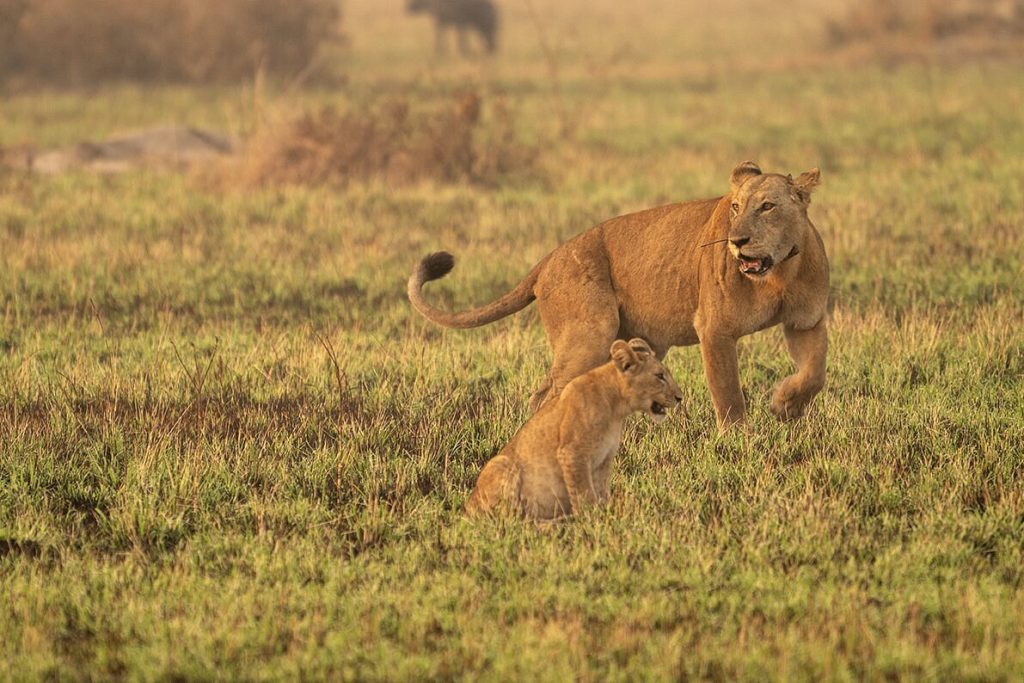
Murchison Falls National Park is Uganda’s largest protected area and contains extensive savannah grasslands.
Vegetation Types
The park features:
- Open grasslands
- Acacia woodlands
- Borassus palm forests
- Riverine vegetation
Wildlife Supported
Vegetation in Murchison Falls sustains:
- Rothschild’s giraffes
- Elephants
- Buffaloes
- Uganda kob
- Hartebeests
- Lions
Queen Elizabeth National Park
Queen Elizabeth National Park is one of the most biodiverse protected areas in Africa.
The park contains a remarkable mix of:
- Savannah grasslands
- Wetlands
- Forest patches
- Crater lakes
Unique Vegetation Zones
The Ishasha sector combines savannah vegetation with fig trees that support the famous tree-climbing lions.
Kidepo Valley National Park
Located in northeastern Uganda, Kidepo Valley National Park contains some of Africa’s most pristine savannah ecosystems.
Lake Mburo National Park
Lake Mburo National Park contains a distinctive savannah ecosystem influenced by numerous lakes and wetlands.
Vegetation Types
The park includes:
- Rolling grasslands
- Acacia woodlands
- Wetlands
- Rocky outcrop vegetation
Plant Diversity
Common species include:
- Acacia hockii
- Red oat grass
- Cynodon grasses
- Wetland sedges
Plant-Wildlife Relationships in Savannah Ecosystems
Vegetation directly influences wildlife distribution and behavior.
Grazers
Animals such as:
- Zebras
- Buffaloes
- Uganda kob
depend on grasslands for food.
Browsers
Species including:
- Giraffes
- Elephants
- Elands
feed primarily on leaves and shrubs.
Predators
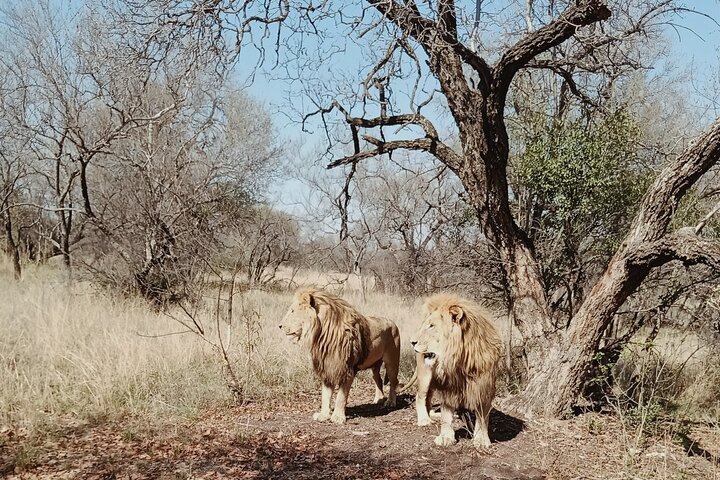
Lions, leopards, and cheetahs rely on healthy herbivore populations sustained by vegetation.
Seasonal Changes in Savannah Vegetation
Uganda experiences distinct wet and dry seasons.
Wet Season
Vegetation becomes:
- Lush
- Green
- Highly productive
Wildlife disperses widely across the landscape.
Dry Season
Grasslands become shorter, concentrating wildlife around water sources.
This creates excellent opportunities for wildlife viewing and photography
Threats Facing Savannah Vegetation
Despite protection efforts, several threats remain.
Climate Change
Impacts include:
- Altered rainfall patterns
- Increased drought frequency
- Vegetation shifts
Invasive Plant Species
Certain invasive plants compete with native vegetation.
Human Encroachment
Agricultural expansion can reduce natural habitats.
Overgrazing
Livestock pressure near protected areas can affect vegetation health.
Why Savannah Safaris Are Popular in Uganda
Savannah ecosystems provide some of the most rewarding wildlife experiences in Africa.
Visitors can enjoy:
- Big Five safaris
- Game drives
- Walking safaris
- Boat safaris
- Birding excursions
- Photography tours
The combination of spectacular wildlife and beautiful landscapes makes Uganda an increasingly popular safari destination.
Savannah vegetation in Uganda’s national parks forms the ecological foundation for some of Africa’s most diverse and exciting wildlife habitats. From the vast grasslands of Murchison Falls and Queen Elizabeth National Parks to the rugged wilderness of Kidepo Valley and the rolling plains of Lake Mburo, these ecosystems support an incredible array of plant and animal life.
For travelers seeking authentic African safari experiences, Uganda’s savannah landscapes offer unparalleled opportunities to witness nature at its finest. By protecting these grasslands, woodlands, wetlands, and riverine forests, Uganda continues to safeguard one of the continent’s most valuable natural resources.