
Why Each Gorilla Family Follows Strict Rules That Have Kept Them Alive for Millions of Years
Mountain Gorilla Family Rules Millions of Years: Uganda’s Bwindi Impenetrable National Park is home to nearly half the world’s remaining mountain gorillas — about 450 of the 1,060 left on Earth. When you go gorilla trekking in Bwindi, you don’t just see “apes in the forest”. You enter a complex society with rules, politics, and survival strategies that have worked for over 8 million years. This guide breaks down exactly how a mountain gorilla family works, the unbreakable rules they live by, and how these rules help them survive in Bwindi’s dense, misty forest.
What Is a Mountain Gorilla Family? The Basic Unit of Survival
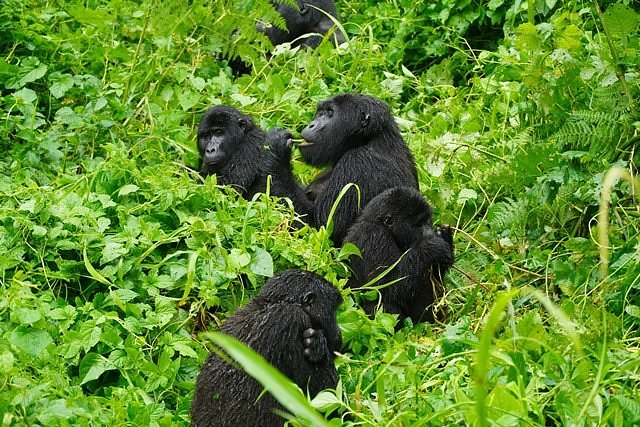
A mountain gorilla family is called a “troop” or “group”. In Bwindi there are 22 habituated gorilla families open to tourists, plus 40+ unhabituated families living deep in the forest.
Average family size: 8-15 individuals
Largest recorded: 40+ members in Rushegura family, Bwindi
Each family is independent and defends its own home range of 3-40 sq km depending on food availability. Families rarely mix peacefully. Bwindi’s dense forest means they can avoid each other, which reduces fighting but also makes every rule inside the family critical for survival.
The Social Structure: A Strict Hierarchy with the Silverback in Charge
Mountain gorilla society is patriarchal and rigid. Every gorilla knows its rank from birth.
The Silverback – The CEO, Bodyguard & Father
Age: 12+ years when black hair turns silver on back
Role: Leader, protector, decision-maker, breeder
The silverback makes 90% of family decisions:
When to wake up – He usually wakes first at 6 a.m. and gives the first grunt, “time to move.”
Where to feed – He chooses feeding spots based on memory of seasonal plants. Bwindi has 400+ plant species gorillas eat.
When to rest/nest – At 5-6pm he builds the first nest. Others copy him.
Defense – If another silverback or leopard threatens, he charges, beats chest, roars. He’ll risk his life for the family.
There can only be 1 dominant silverback. If a younger male challenges him, the loser must leave and form his own group or become a “solitary male” — a dangerous life.
Blackback Males – The Next in Line
Age 8-12 years. Still black hair. They’re like “assistant managers”. They help defend the family, play with infants, and learn leadership. If the silverback dies, the strongest blackback usually takes over. If he’s too young, the family may split or females leave.
Adult Females – The Core of the Family
Age 8+ years. Females are the social glue. They:
Form 80% of bonds in the group through grooming
Decide if they stay or transfer to another family when mature
Raise infants for 3-4 years — longest childhood of any wild animal except humans
Females have no strict hierarchy. But older mothers with many babies get more respect and feeding priority.
Juveniles & Infants – The Future
Infants 0-3 years: Ride on mother’s back, 100% dependent
Juveniles 3-6 years: Play constantly. Play teaches social rules, climbing, fighting skills.
Sub-adults: Learn to find food independently but still sleep near mother.
Infant survival depends on the silverback’s protection and mother’s experience. In Bwindi, about 35% of infants don’t reach age 3 due to illness or infanticide if new male takes over.
The 7 Unbreakable Rules Every Gorilla Family Follows
Gorillas don’t write rules, but researchers in Bwindi have documented 7 behavioral rules that keep the family stable:
Rule 1: Follow the Silverback’s Movement Decision
If silverback stands and moves, everyone moves. Disobeying means getting left behind. This rule exists because Bwindi forest is dangerous — getting separated means death by leopards or getting lost.
Rule 2: No Fighting Inside the Family
Charging, biting, screaming only happens between groups. Inside the family, conflicts are solved by screaming, avoiding eye contact, or the silverback intervening. Physical fights waste energy and can injure breeders.
Rule 3: Respect the Breeding Rights of the Silverback
Only the dominant silverback mates. If a blackback tries, silverback attacks. This rule prevents internal conflict and ensures the strongest genes pass on.
Rule 4: Females Can Transfer, Males Cannot
At age 8-10, females leave their birth group and join another silverback. This avoids inbreeding. Males stay or leave to start new groups. This “female transfer rule” keeps Bwindi’s gorilla genetics healthy.
Rule 5: Share Food, But Adults Eat First
Gorillas don’t fight over food because Bwindi has abundant vegetation. But juveniles wait for adults to start feeding. Rule breaks down only during rare fruit shortages.
Rule 6: Night Nests Are Individual, But Close Together
Each gorilla builds its own sleeping nest every night from branches. But nests are built within 5-10 meters of each other for safety. Infants sleep with mother until age 3.
Rule 7: Vocal Communication is Constant
Gorillas make 25+ different sounds. “Hoot series” = moving. “Grumble” = content while feeding. “Bark” = danger. These vocal rules prevent surprise and keep the family coordinated in dense Bwindi forest where visibility is <10 meters.
How Gorillas Survive in Bwindi Impenetrable Forest
Bwindi means “place of darkness” in Rukiga language. The forest is steep, wet, 1,160m-2,607m altitude, and receives 1,400mm rain/year. Survival here requires 3 key adaptations:
A. Diet Rules: 99% Vegetarian Flexibility
Bwindi gorillas eat 142 plant species. Their rule: “Eat what’s available, remember where it grows”. Diet = 86% leaves/stems, 10% roots/bark, 4% fruit when seasonal. This flexibility lets them survive when fruit fails. Silverbacks remember 200+ feeding spots and lead family on seasonal rotation.
B. Disease Avoidance Rules
Mountain gorillas share 98.4% DNA with humans, so human diseases can wipe out a family. Bwindi gorilla rule: Avoid humans when unhabituated. Habituated families have “7-meter rule” enforced by rangers — tourists must stay 7 meters away. Gorillas also avoid sick individuals and have strict feces hygiene in nests.
C. Territory & Conflict Rules
Unlike savannah apes, Bwindi gorillas avoid war. Forest is dense so families use “avoidance rule”. When 2 groups meet, silverbacks face off, chest-beat, then one group retreats. Real fights happen only 2-3 times/year in Bwindi and often cause death. Avoidance rule saves energy and lives.
The Dark Side of Gorilla Rules: Infanticide & Group Takeovers
Gorilla society is not all peaceful. The harshest rule is: New silverback kills unrelated infants under 3 years.Why? It brings females back into breeding faster. When a silverback is overthrown, new male kills babies within 2-6 months. This is nature’s brutal population control. In Bwindi, park rangers + Uganda Wildlife Authority monitor families 365 days/year to protect them, but cannot stop natural infanticide.
This is why every family rule protecting the silverback’s position also protects infant survival.
Why Gorilla Family Rules Matter for Your Bwindi Trek
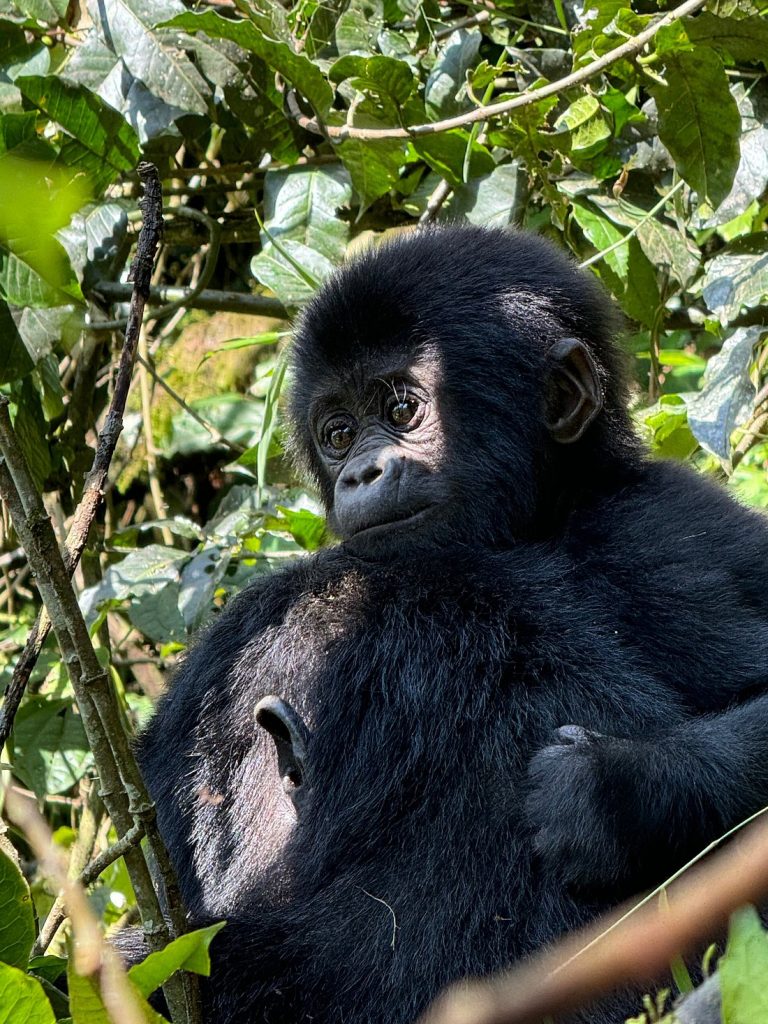
When you trek gorillas in Bwindi with Fuga Tours, you’ll see these rules live:
You’ll see the silverback decide when the family moves. Guide will whisper “the silverback is leading us to bamboo now”.
You’ll see infants play while mothers groom — Rule 2 in action, no fighting.
You’ll hear vocal rules — grumbles when feeding peacefully, hoots when moving.
Rangers enforce human rules — 1 hour viewing, 7 meters distance, no flash — because breaking these rules stresses gorillas and breaks their natural social order.
Understanding these rules makes your trek 10x more meaningful. You won’t just see gorillas. You’ll read their politics, their family bonds, their survival code.
Plan Your Bwindi Gorilla Trek with Fuga Tours & Travel
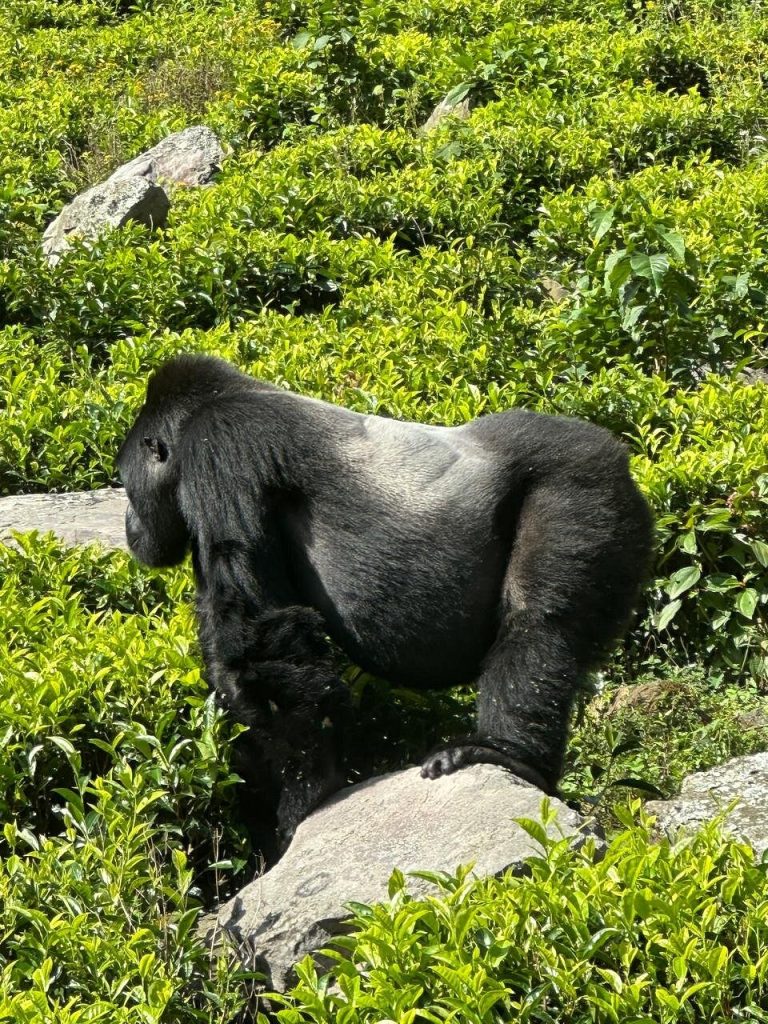
Seeing a gorilla family follow these ancient rules is life-changing. But it only happens in 4 countries: Uganda, Rwanda, DRC. Bwindi has the most families and best trekking conditions.
Fuga Tours offers:
Gorilla permits for all 4 sectors of Bwindi: Buhoma, Ruhija, Rushaga, Nkuringo
Expert guides who explain gorilla social rules during trek
Custom 3-day, 4-day, 7-day Uganda safaris combining gorillas + Murchison + Queen Elizabeth
Come to Bwindi. Watch the silverback lead. Watch infants learn the rules. And understand why this 8-million-year-old society is worth protecting.