
The Batwa Pygmies of Uganda, The Batwa Pygmies of Uganda are among the oldest indigenous communities in Africa. Known as the “Keepers of the Forest,” the Batwa traditionally lived deep within the tropical rainforests of southwestern Uganda, particularly around Bwindi Impenetrable Forest, Mgahinga Gorilla National Park, and Echuya Forest. Their unique culture, ancient traditions, and deep spiritual connection to nature make them one of Uganda’s most fascinating cultural groups. Today, visiting the Batwa communities offers travelers an opportunity to experience authentic indigenous heritage while supporting community conservation and cultural preservation initiatives.
Who Are the Batwa Pygmies?
The Batwa, also called the Twa people, are indigenous forest dwellers believed to have inhabited the Great Lakes region of Central and East Africa for thousands of years. They are widely recognized for their short stature, hunter-gatherer lifestyle, and extensive knowledge of the forest ecosystem. Historically, the Batwa lived in harmony with nature, relying on forests for food, medicine, shelter, and spiritual practices.
For generations, the Batwa survived through hunting small animals, gathering wild fruits, collecting honey, and using medicinal plants found in the rainforest. The forest was not just their home but also the center of their spiritual and cultural identity
History of the Batwa in Uganda
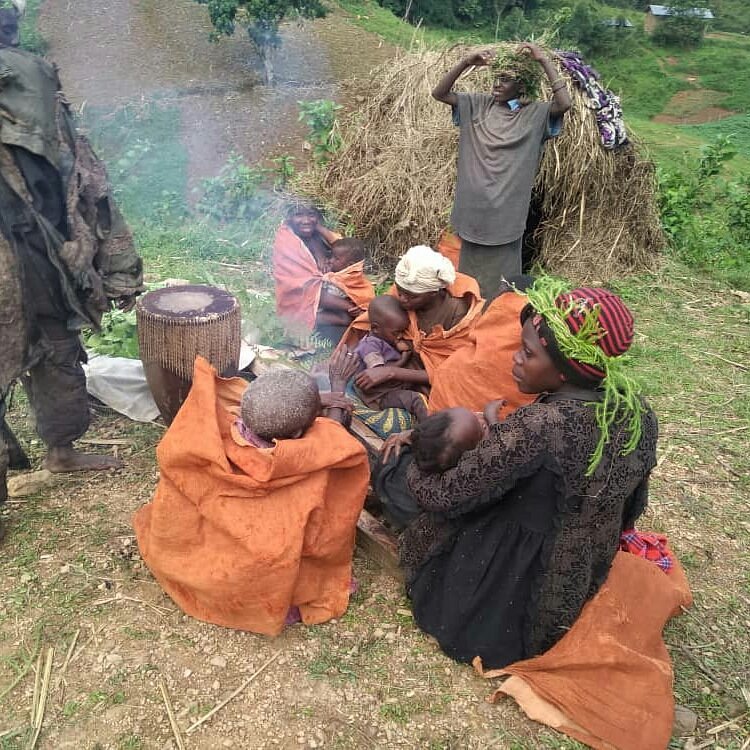
The Batwa are believed to have migrated from the Ituri forests of present-day Democratic Republic of Congo into southwestern Uganda centuries ago. They settled in the dense forests of Bwindi, Mgahinga, and Echuya where they lived sustainably without damaging the environment.
However, major changes occurred in the early 1990s when Bwindi Impenetrable Forest and Mgahinga were gazetted as national parks to protect endangered mountain gorillas. The Batwa were evicted from their ancestral forests without compensation or land resettlement. This displacement dramatically changed their traditional way of life and pushed many families into poverty and marginalization.
Today, many Batwa communities live around Kisoro, Kabale, and Kanungu districts in southwestern Uganda. Several organizations and community tourism projects now work to preserve Batwa culture while improving livelihoods through education, tourism, and healthcare support.
Traditional Lifestyle of the Batwa
Hunting and Gathering
The Batwa traditionally depended entirely on the forest for survival. Men hunted small game using bows, arrows, traps, and spears, while women gathered fruits, mushrooms, honey, and medicinal herbs. Their intimate understanding of the forest enabled them to survive in difficult environments for centuries.
Traditional Housing
Batwa homes were simple huts constructed from leaves, branches, and grass. These shelters were temporary because the community often moved within the forest in search of food and fresh resources.
Music and Dance
Music and dance play an important role in Batwa culture. Traditional songs are used during ceremonies, storytelling, hunting celebrations, and spiritual rituals. Visitors to Batwa communities often enjoy energetic dance performances accompanied by local instruments and traditional singing.
Spiritual Beliefs
The Batwa viewed the forest as sacred. Many believed that spirits lived in caves, trees, rivers, and mountains. Traditional healers used herbs and spiritual rituals to treat illnesses and guide community members.
The Batwa and Mountain GorillaS

One of the most remarkable aspects of Batwa history is their peaceful coexistence with mountain gorillas. For centuries, the Batwa shared the forest with gorillas without threatening their survival. Their traditional lifestyle had minimal environmental impact and maintained ecological balance within the forests.
Today, tourists visiting Bwindi and Mgahinga for gorilla trekking often combine their safari experience with Batwa cultural encounters to learn about the region’s original forest inhabitants.
Batwa Cultural Experiences in Uganda
The Batwa Trail Experience
The Batwa Trail in Mgahinga Gorilla National Park is one of the best cultural experiences in Uganda. Guided by Batwa elders, visitors walk through the forest while learning about traditional hunting techniques, medicinal plants, fire-making skills, and ancient survival methods
During the experience, Batwa guides demonstrate:
- Traditional hunting techniques
- Fire making using sticks
- Herbal medicine preparation
- Traditional dances and songs
- Cave visits and storytelling
- Ancient forest survival skills
Batwa Community Visits
Travelers can also visit Batwa villages near Bwindi and Kisoro to interact with local families, enjoy cultural dances, purchase handmade crafts, and learn about ongoing community projects aimed at improving livelihoods.
These visits help generate income for Batwa communities while preserving their cultural heritage for future generations.
Challenges Facing the Batwa Today
Despite their rich cultural heritage, the Batwa continue to face significant challenges including:
- Landlessness
- Poverty
- Limited access to healthcare
- Low education levels
- Social discrimination
- Loss of traditional cultural practices
Many Batwa families struggle to adapt to agricultural lifestyles because they traditionally depended on forest resources rather than farming. Conservation-related displacement has had lasting social and economic effects on their communities . However, community tourism and conservation partnerships are increasingly helping to improve living conditions and create sustainable opportunities.
Best Places to Meet the Batwa in Uganda
Bwindi Impenetrable National Park
Bwindi is one of the most popular destinations for Batwa cultural experiences. Visitors can combine gorilla trekking with community visits and cultural performances.
Mgahinga Gorilla National Park
Mgahinga offers the famous Batwa Trail Experience where visitors explore caves and forests alongside Batwa guides.
Echuya Forest Reserve
The Echuya Batwa community still maintains strong cultural ties to the forest and offers authentic cultural interactions.
Best Time to Visit the Batwa Communities
Batwa cultural experiences can be enjoyed throughout the year. However, the dry seasons are ideal for travel:
- June to September
- December to February
These months offer better road conditions and comfortable forest trekking experiences.
Why Visit the Batwa Pygmies of Uganda?
Visiting the Batwa communities offers more than cultural entertainment. It provides an opportunity to:
- Learn about one of Africa’s oldest indigenous cultures
- Understand traditional forest survival skills
- Support community tourism initiatives
- Promote cultural preservation
- Experience authentic Ugandan heritage
- Combine culture with gorilla trekking safaris
Many travelers describe Batwa cultural encounters as among the most emotional and educational experiences during their Uganda safari.
Responsible Tourism and Supporting the Batwa
Responsible tourism plays an important role in improving Batwa livelihoods. Travelers are encouraged to:
- Book ethical cultural tours
- Buy locally made crafts
- Respect community traditions
- Support organizations working with Batwa communities
- Learn about indigenous rights and conservation challenges
Sustainable tourism helps preserve Batwa culture while creating opportunities for education, healthcare, and economic empowerment.
Why Visit the Batwa with Fuga Tours and Travel?
At Fuga Tours and Travel, we offer authentic and responsible Batwa cultural experiences combined with unforgettable Uganda safaris. Our guided tours provide meaningful interactions with local communities while supporting sustainable tourism initiatives in southwestern Uganda.
Whether combined with gorilla trekking, wildlife safaris, or cultural tours, visiting the Batwa communities creates a deeper understanding of Uganda’s rich cultural diversity and indigenous heritage.