
Why Elephants Never Forget, Elephants are among the most intelligent and emotionally complex animals on Earth. Across Africa and Asia, these gentle giants have fascinated humans for centuries because of their remarkable memory, strong family bonds, and incredible survival instincts. The phrase “an elephant never forgets” is more than just a popular saying — it is rooted in science and real-life observations from wildlife researchers and safari guides.
For travelers visiting Africa on safari, especially in destinations like Uganda, Rwanda, Kenya, Tanzania, and Botswana, seeing elephants in the wild offers a deeper understanding of just how intelligent these animals truly are.
The Meaning Behind “Elephants Never Forget”

The expression refers to the extraordinary memory elephants possess. Scientists and conservationists have observed that elephants can remember:
- Water sources during drought seasons
- Migration routes traveled many years earlier
- Individual members of their herd
- Human faces and voices
- Areas where danger once occurred
- Safe paths through forests and savannahs
This ability helps elephants survive in harsh environments and maintain strong social structures.
The Elephant’s Brain Is Highly Advanced
Elephants have one of the largest brains of any land animal. Their brains can weigh over 5 kilograms and contain highly developed areas linked to:
- Memory
- Emotions
- Communication
- Problem-solving
- Social intelligence
Researchers believe elephants are capable of deep emotional awareness, grief, empathy, and even self-recognition.
Their large temporal lobes — the area associated with memory — are especially developed, helping explain their exceptional recall abilities.
How Memory Helps Elephants Survive
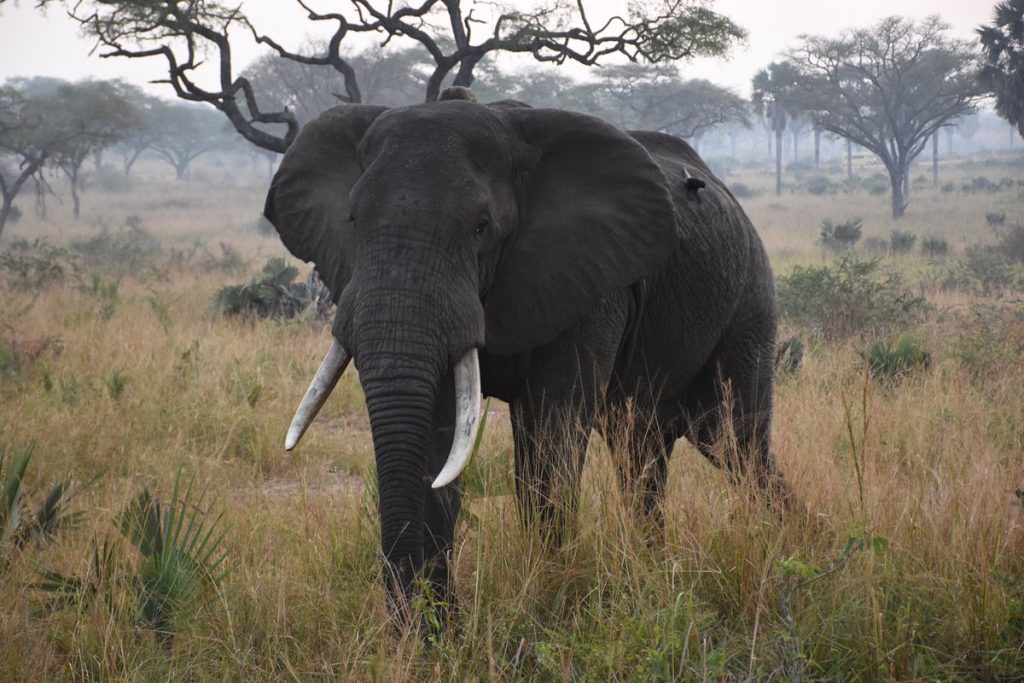
1. Remembering Water Sources
In many African ecosystems, drought can become life-threatening. Older elephants, especially matriarchs (female leaders of elephant families), remember hidden water sources from decades earlier.
These memories guide entire herds to survival during dry seasons.
Wildlife experts have documented elephants traveling long distances to reach water holes they had not visited in years.
2. Recognizing Danger
Elephants remember dangerous experiences for a long time. If a herd encounters poachers, predators, or hostile humans in a specific area, they may avoid that place for years.
Studies have also shown that elephants can distinguish between friendly and threatening human voices.
This intelligence helps protect younger members of the herd.
3. Remembering Family Members
Elephants live in tight-knit family groups led by experienced females. These herds can recognize relatives even after years of separation.
Mother elephants maintain strong bonds with their calves for life, and family members cooperate to:
- Protect young elephants
- Find food and water
- Care for injured herd members
- Mourn dead relatives
Their social memory is one of the strongest in the animal kingdom.
Elephants and Emotions
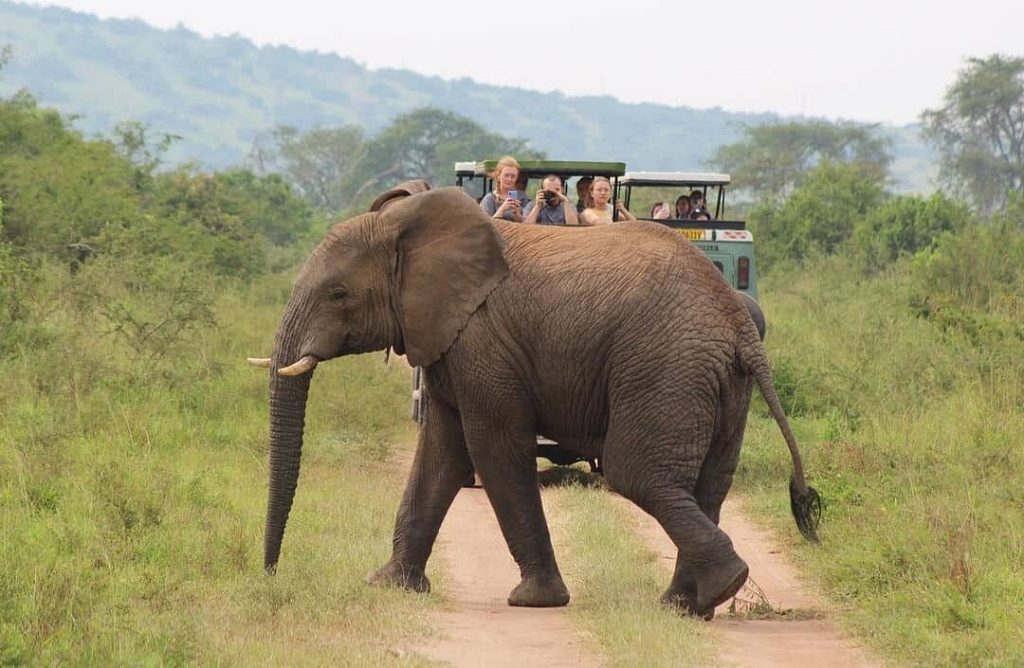
One reason elephants fascinate people is their emotional depth. Researchers have observed elephants displaying behaviors associated with:
- Grief
- Joy
- Compassion
- Playfulness
- Cooperation
When a herd member dies, elephants may return repeatedly to the bones or tusks of the deceased. Some gently touch the remains with their trunks in what appears to be mourning behavior.
These emotional memories may last for many years.
Communication and Intelligence
Elephants communicate using:
- Trumpeting sounds
- Body language
- Touch
- Low-frequency vibrations called infrasound
Some elephant calls can travel several kilometers through the ground and air.
Their ability to remember vocal signals allows them to recognize familiar elephants even from far away.
This communication helps maintain family unity across large landscapes.
Do Elephants Remember Humans?
Yes. Many documented cases suggest elephants can remember individual humans for years.
In areas where elephants are treated kindly, they may become calm around local communities and conservationists. In places associated with danger or poaching, elephants can become cautious or defensive.
Some rescued elephants have even recognized caretakers after long periods apart.
This demonstrates the emotional and cognitive complexity of these animals.
The Role of the Matriarch
The matriarch is usually the oldest and most experienced female elephant in the herd. Her memory is critical to the group’s survival.
She remembers:
- Seasonal migration routes
- Safe feeding grounds
- Water locations
- Predator threats
- Historical environmental changes
A herd led by an experienced matriarch often survives difficult conditions better than one without strong leadership.
Elephants in African Culture
Throughout Africa, elephants symbolize:
- Wisdom
- Strength
- Leadership
- Memory
- Family unity
Many traditional communities respect elephants for their intelligence and social behavior.
Today, elephants also play a major role in tourism and conservation across Africa.
Where to See Elephants in Uganda
Uganda is home to large elephant populations in several national parks. Visitors on safari can observe elephants in their natural habitats while learning about their behavior and conservation.
Queen Elizabeth National Park
Known for:
- Large savannah elephant herds
- Boat safaris on Kazinga Channel
- Scenic wildlife viewing
Murchison Falls National Park
Famous for:
- Large elephant populations
- Nile River boat cruises
- Diverse wildlife experiences
Kidepo Valley National Park
Offers:
- Remote wilderness experiences
- Unique elephant encounters
- Stunning landscapes
Kibale Forest and Semuliki Areas
Occasionally feature forest elephants, a smaller and rarer elephant species.
Threats Facing Elephants Today
Despite their intelligence and importance, elephants face serious threats including:
- Poaching for ivory
- Habitat destruction
- Human-wildlife conflict
- Climate change
Conservation organizations across Africa work to protect elephant populations through:
- Anti-poaching efforts
- Community conservation programs
- Wildlife education
- Protected national parks
Responsible tourism also helps support elephant conservation.
Why Elephants Inspire Safari Travelers
Few wildlife encounters in Africa are as powerful and unforgettable as seeing elephants in the wild. Their enormous size, gentle behavior, intelligence, and strong family connections leave a deep impression on safari travelers from around the world. Whether walking slowly across the savannah, protecting their young, or gathering peacefully near rivers and waterholes, elephants represent the true beauty and emotional depth of Africa’s wilderness.
Safari travelers are often inspired by the way elephants interact with one another. They show care, cooperation, and loyalty within their herds, qualities that many people can relate to on a human level. Watching a mother guide her calf, or an entire herd move together under the leadership of an experienced matriarch, creates moments that feel both emotional and meaningful.
Elephants also symbolize the wild freedom and natural heritage of Africa. Their presence in national parks such as Queen Elizabeth National Park, Murchison Falls National Park, and Kidepo Valley National Park makes every safari experience more exciting and memorable. For photographers, nature lovers, and adventure seekers, elephants provide incredible opportunities to witness raw wildlife behavior in breathtaking landscapes.
Beyond their physical beauty, elephants inspire travelers because of their intelligence and emotional awareness. Their ability to remember places, recognize individuals, and communicate within their families reveals a level of understanding rarely seen in the animal kingdom. Many visitors leave Africa with a greater appreciation for conservation after observing these magnificent creatures in their natural environment.
For many safari travelers, encountering elephants is not just about seeing wildlife — it is about experiencing a connection with nature that remains unforgettable long after the journey ends.
Tips for Viewing Elephants on Safari
- Keep a respectful distance
- Avoid loud noises
- Follow your guide’s instructions
- Never block elephant pathways
- Observe their body language carefully
Responsible viewing ensures safety for both tourists and wildlife.
Why Safari with Fuga Tours and Travel
Exploring Uganda’s elephant destinations with Fuga Tours and Travel gives travelers the opportunity to experience Africa’s wildlife with knowledgeable local guides.
Fuga Tours and Travel offers:
- Guided wildlife safaris
- Customized Uganda itineraries
- Birding and nature tours
- Gorilla trekking packages
- Cultural experiences
- Responsible tourism adventures
Whether you are visiting Queen Elizabeth National Park, Murchison Falls, or Kidepo Valley, seeing elephants in the wild becomes an unforgettable journey into the intelligence and beauty of Africa’s wildlife.