
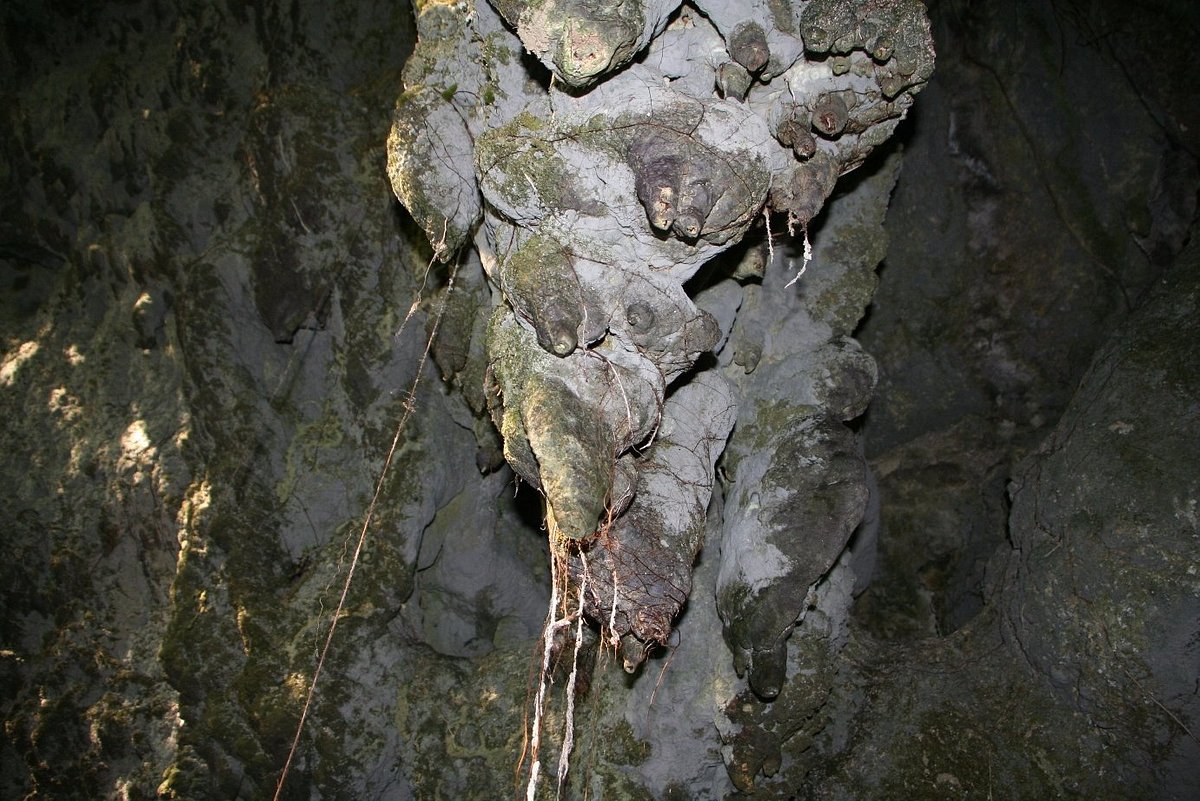
Hidden among the beautiful rolling hills and crater-lake landscapes of western Uganda, near Fort Portal, lies one of the region’s most fascinating cultural and natural attractions: Amabere Ga Nyina Mwiru Caves.
Also known as the Amabere Caves, this remarkable site combines natural rock formations, waterfalls, caves, traditional legends and cultural history. Unlike a typical wildlife destination, Amabere offers travelers an opportunity to discover the stories and traditions that have shaped the people of the Fort Portal region for generations.
The caves are particularly famous for their unusual stalactite formations, which local tradition associates with breasts. The name Amabere Ga Nyina Mwiru is commonly translated as “the breasts of Nyinamwiru”, giving the site its distinctive identity.
For travelers exploring western Uganda, a visit to Amabere a Nyina Mwiru Caves is an excellent addition to a Fort Portal tour, Uganda cultural safari, crater-lake adventure or western Uganda itinerary.
Where Are Amabere Ga Nyina Mwiru Caves?
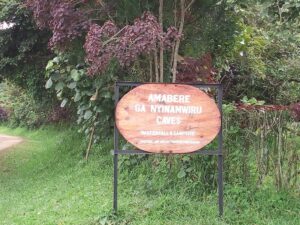
Amabere Ga Nyina Mwiru Caves are located near Fort Portal in western Uganda, in the Kabarole area.
The attraction lies within a beautiful countryside landscape characterized by rolling hills, green vegetation, streams and crater lakes.
Its location makes it convenient to combine with other attractions around Fort Portal, including:
Kyaninga Crater Lake, Fort Portal crater lakes, Kibale National Park, Bigodi Wetland Sanctuary, Semuliki National Park, Semuliki Hot Springs, Rwenzori Mountains, Fort Portal town and surrounding communities
This makes Amabere an excellent stop for travelers exploring the wider Tooro region.
What Does Amabere Ga Nyina Mwiru Mean?
The name Amabere Ga Nyina Mwiru is associated with the local legend of Nyinamwiru.
“Amabere” refers to breasts, while Nyinamwiru is a figure associated with the traditional story surrounding the caves.
The unusual formations inside the caves resemble breasts, which inspired the name and the cultural story connected to the site.
It is important to understand that Amabere is not simply a geological attraction. Its significance comes from the combination of nature, oral tradition, culture and history.
The Legend of Nyinamwiru
One of the most fascinating aspects of Amabere is the traditional legend associated with the caves.
According to the oral tradition, Nyinamwiru was the daughter of Bukuku, a powerful ruler associated with the ancient traditions of the region.
The story tells of a prophecy surrounding Nyinamwiru’s future child. Bukuku was concerned about a prophecy that the child born to his daughter would eventually take his throne.
In an attempt to prevent the prophecy from becoming reality, Nyinamwiru was hidden away.
Different versions of the story are told, and details can vary depending on the local storyteller and oral tradition.
The caves became associated with Nyinamwiru because of the unusual formations that resemble human breasts.
For visitors, listening to a local guide explain the legend is an important part of experiencing Amabere.
The Famous “Breasts” of Amabere
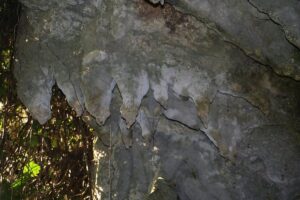
The most recognizable feature of the caves is the natural formation that resembles a pair of breasts.
These formations are created by mineral deposits associated with water moving through the limestone rock over a long period.
Local tradition gave the formations a cultural interpretation, connecting them to the story of Nyinamwiru.
This combination of geology and oral tradition makes Amabere particularly interesting.
Visitors are therefore not only looking at rocks; they are experiencing a landscape that has been given meaning through generations of storytelling.
Amabere as a Geological Attraction
Beyond the legend, Amabere is an interesting geological site.
The caves contain formations produced by natural processes over long periods.
Water moving through rock can dissolve minerals and later deposit them, gradually creating formations such as stalactites and stalagmites.
These formations demonstrate the geological processes that have shaped the landscapes of western Uganda.
For travelers interested in geology, caves and natural history, Amabere provides an educational experience as well as a cultural one.
The Waterfalls at Amabere
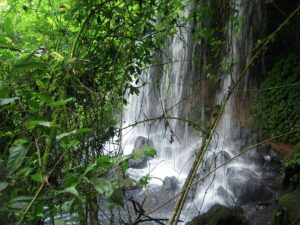
Another attraction at the site is the presence of waterfalls and flowing water around the caves.
The combination of caves, rocks, vegetation and waterfalls creates a beautiful environment for exploration and photography.
After rainfall, the surrounding landscape can become especially green and the water flow more dramatic.
Visitors should follow local safety guidance around slippery rocks and flowing water.
Things to Do at Amabere Ga Nyina Mwiru Caves
A visit to Amabere can involve more than simply looking at the caves.
Explore the Caves
Walking around the cave area allows visitors to observe the unusual rock formations and learn about their geological and cultural significance.
A local guide can explain the traditional stories associated with the site and point out important features.
Learn the Nyinamwiru Legend
For many visitors, the cultural story is the highlight of the experience.
Listening to the legend from a knowledgeable local guide gives greater meaning to the formations and helps visitors understand their importance to the local community.
Enjoy Nature Walks
The area around Amabere provides opportunities for walking through the surrounding landscape.
The trails offer views of vegetation, streams, hills and rural scenery.
Nature walks can be particularly enjoyable for travelers who want a slower experience between major safari activities.
Photography
Amabere provides plenty of opportunities for photography.
You can photograph:
Cave formations, Waterfalls, Green vegetation, Rock landscapes, Surrounding hills, Local cultural features, Scenic views around Fort Portal
Remember to respect any photography restrictions and ask permission before photographing local people.
Discover Tooro Culture
A visit to Amabere can introduce travelers to aspects of the cultural heritage of the Tooro region.
The site provides an opportunity to learn how traditional stories, landscapes and historical traditions are passed from one generation to another.
Why Visit Amabere Ga Nyina Mwiru Caves?
There are several reasons why this attraction deserves a place on your western Uganda itinerary.
A Unique Combination of Nature and Culture
Amabere is special because it combines geology, scenery and cultural storytelling in one destination.
Convenient for Fort Portal Travelers
If you are already visiting Fort Portal, Amabere can be incorporated into a broader sightseeing itinerary.
Great for Cultural Tourism
Travelers interested in Uganda’s traditions and oral history will find the site particularly rewarding.
Excellent for Families
The combination of caves, scenery and storytelling can make Amabere an interesting stop for families traveling with children, provided appropriate safety precautions are followed.
Ideal for Off-the-Beaten-Path Travel
While Uganda is internationally famous for gorilla trekking and wildlife safaris, attractions such as Amabere allow visitors to explore a less conventional side of the country.
Amabere and Fort Portal’s Crater Lakes
One of the best ways to experience Amabere is by combining it with Fort Portal’s famous crater-lake landscapes.
The Fort Portal area contains numerous crater lakes surrounded by lush vegetation and rolling hills.
A day of sightseeing can therefore include:
Amabere Caves → Kyaninga Crater Lake → Other crater lakes → Fort Portal
This creates a scenic and cultural day excursion.
Travelers interested in photography will particularly enjoy this combination because the region offers dramatic landscapes throughout the journey.
Amabere and Kibale National Park
Amabere can also be combined with a visit to Kibale National Park, one of Uganda’s premier destinations for chimpanzee trekking.
A traveler could spend one day exploring Amabere and Fort Portal before heading to Kibale for chimpanzee trekking.
A possible itinerary could look like:
Day 1: Kampala/Entebbe to Fort Portal.
Day 2: Amabere Caves and Fort Portal crater-lake sightseeing.
Day 3: Chimpanzee trekking in Kibale National Park.
Day 4: Bigodi Wetland Sanctuary before continuing to another destination.
This itinerary combines culture, scenery, primates and community experiences.
Amabere and Semuliki National Park
Travelers with more time can combine Amabere with Semuliki National Park.
Semuliki protects a remarkable forest environment associated with the Congo Basin and is famous for its hot springs, birdlife and forest experiences.
A western Uganda itinerary could therefore combine:
Fort Portal → Amabere Caves → Kibale → Semuliki
This is an excellent route for nature lovers and travelers who want to explore less-visited attractions.
Amabere and the Rwenzori Mountains
The Rwenzori Mountains are another major attraction in western Uganda.
Travelers interested in hiking can combine the cultural experience at Amabere with a longer mountain adventure.
This combination offers two very different experiences: the traditional stories and landscapes around Fort Portal followed by the dramatic mountain environment of the Rwenzori.
Best Time to Visit Amabere Ga Nyina Mwiru
Amabere can generally be visited throughout the year.
The drier periods can be convenient for walking and sightseeing, while the rainy seasons bring lush vegetation and can make waterfalls and streams more impressive.
Uganda’s weather can change quickly, so travelers should be prepared for rain regardless of the season.
A light rain jacket and comfortable walking shoes are recommended.
What to Pack for Your Amabere Visit
For a comfortable visit, consider carrying:
Comfortable walking shoes
Lightweight clothing
Rain jacket
Hat
Sunscreen
Insect repellent
Drinking water
Camera
Small backpack
Binoculars if you enjoy bird watching
If you are visiting as part of a larger Uganda safari, pack according to the activities planned for the rest of your journey.
How Long Should You Spend at Amabere?
Most visitors can explore the attraction within a few hours, although the exact time depends on the activities included in the visit.
If you are interested mainly in the caves and legend, a shorter visit may be sufficient.
However, travelers combining the caves with nature walks, waterfalls and nearby crater lakes can comfortably make it part of a half-day or full-day Fort Portal excursion.
Is Amabere Ga Nyina Mwiru Worth Visiting?
Absolutely.
Amabere may not be as famous internationally as Bwindi Impenetrable National Park or Murchison Falls National Park, but it offers something different.
It gives visitors the opportunity to explore Uganda’s cultural heritage, traditional storytelling, geology and scenic landscapes in one place.
For anyone spending time in Fort Portal, skipping Amabere means missing one of the region’s most interesting cultural attractions.
Responsible Tourism at Amabere
Visitors have an important role in protecting cultural and natural attractions.
When visiting Amabere:
Follow instructions from local guides., Do not damage cave formations., Avoid littering., Respect local traditions and cultural beliefs., Ask permission before photographing people., Stay on designated trails where possible., Avoid climbing unsafe rocks., Support local guides and community businesses.
Responsible tourism helps preserve Amabere for future generations.
Frequently Asked Questions About Amabere Ga Nyina Mwiru Caves
What are Amabere Ga Nyina Mwiru Caves?
Amabere Ga Nyina Mwiru are natural caves near Fort Portal in western Uganda, famous for their unusual formations, waterfalls and the traditional legend of Nyinamwiru.
What does Amabere Ga Nyina Mwiru mean?
The name is associated with the breast-like cave formations and the traditional story of Nyinamwiru.
Where are Amabere Caves located?
The caves are located near Fort Portal in western Uganda, within the scenic crater-lake region of the Tooro area.
What can I see at Amabere Caves?
Visitors can see cave formations, waterfalls, surrounding vegetation and scenic landscapes while learning about the traditional Nyinamwiru legend.
Can Amabere be combined with Kibale chimpanzee trekking?
Yes. Its location near Fort Portal makes it convenient to combine with Kibale National Park and chimpanzee trekking.
Is Amabere suitable for families?
Yes, families can visit the site, although children should be supervised around caves, rocks, water and potentially slippery surfaces.
Can I visit Amabere on a day trip from Fort Portal?
Yes. Its proximity to Fort Portal makes it suitable for a day excursion or as part of a wider Fort Portal sightseeing itinerary.
Plan Your Amabere Caves Adventure With Fuga Tours and Travel
Amabere Ga Nyina Mwiru Caves offer a fascinating introduction to the culture, legends, geology and landscapes of western Uganda.
From the mysterious cave formations and Nyinamwiru legend to the waterfalls and surrounding crater-lake scenery, this attraction provides a memorable experience for travelers who want to discover more than Uganda’s famous wildlife destinations.
At Fuga Tours and Travel, we can help you combine Amabere with the best attractions around Fort Portal and western Uganda, including Kibale chimpanzee trekking, Kyaninga Crater Lake, Bigodi Wetland Sanctuary, Semuliki National Park, Queen Elizabeth National Park and Rwenzori Mountain adventures.
Plan your Fort Portal cultural and nature adventure with Fuga Tours and Travel and discover the legendary Amabere Ga Nyina Mwiru Caves for yourself.