
3-Day Gorilla Trekking Safari in Bwindi
Drive to Bwindi through south-west Uganda, then a full day with a habituated gorilla family.
Uganda gorilla trekking takes place in Bwindi Impenetrable Forest and Mgahinga, home to roughly half of the world's mountain gorillas. Here is how it works, which sector to choose and what it costs in 2026.
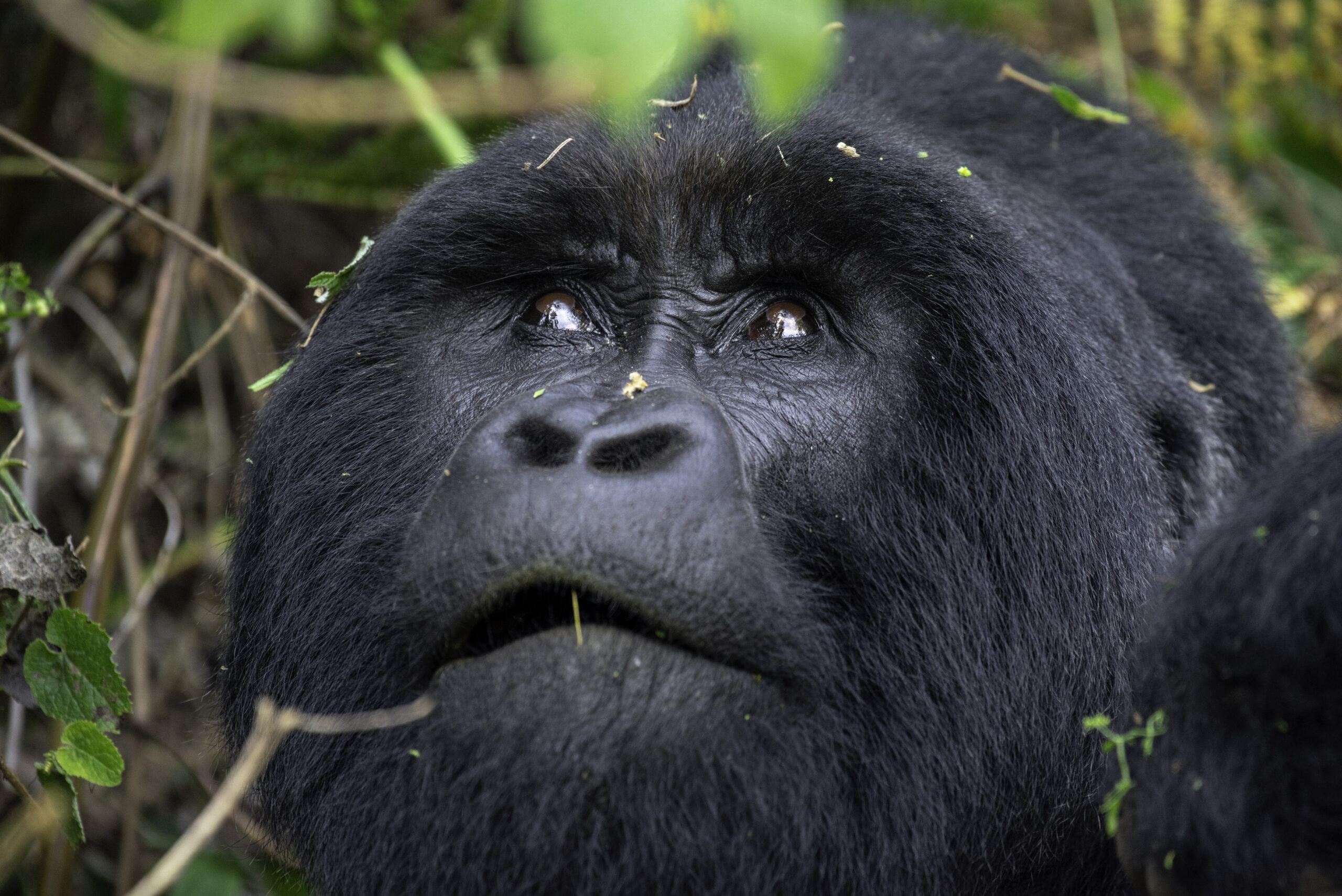
Uganda is the most practical country in the world for seeing mountain gorillas on foot. The 2018 census counted 459 gorillas in the Bwindi–Sarambwe ecosystem, and more mountain gorillas live in Ugandan forest than in any other country. More than 20 of Bwindi's families are habituated for tourism, spread across four trailhead sectors, plus one family in Mgahinga. That spread means more permits, more choice of lodges and a permit at US$800, about half the Rwanda price.
Bwindi Impenetrable National Park (321 km², a UNESCO World Heritage Site since 1994) is where almost every Uganda gorilla trek happens. It is steep, old, wet montane forest between about 1,160 and 2,600 metres. Mgahinga Gorilla National Park, on the slopes of the Virunga volcanoes near Kisoro, is small and scenic and has a single habituated family, Nyakagezi. It pairs well with golden monkey tracking and a Batwa cultural trail. See Bwindi vs Mgahinga for a detailed comparison.
| Sector | Location | Character | Best for |
|---|---|---|---|
| Buhoma | North, nearest Kihihi airstrip | The original trailhead; the first family was habituated here in 1993. Moderate terrain, good lodges, Buhoma village walk. | Combining with Queen Elizabeth's Ishasha sector |
| Ruhija | East, highest sector (~2,300 m) | Cool, quiet, excellent montane birding including the Mubwindi Swamp trail. | Birders and travellers who want fewer vehicles |
| Rushaga | South, near Lake Bunyonyi and Kisoro | The most habituated families, and the only sector for the habituation experience. | Permit availability, trips from Kigali |
| Nkuringo | South-west | Steep descent into the forest and a hard climb out, with views over the Virunga volcanoes. | Fit trekkers who want drama |
The sector printed on your permit decides where you sleep. Trekking from a lodge in another sector can add a 2–3 hour drive before a 7:30 am briefing. More detail is in Bwindi's four sectors compared.
A Uganda gorilla permit is US$800 for foreign non-residents (US$600 in April, May and November), US$700 for foreign residents and UGX 300,000 for East African citizens. A complete safari adds transport, lodging and meals. Full breakdowns are on our gorilla permits page and in how much gorilla trekking costs in Uganda.
Trekkers must be 15 or older. Anyone with a cold, flu or other contagious illness will be turned away, because gorillas share about 98% of our DNA and catch human respiratory infections. A moderate level of fitness is enough if you take a porter and a walking stick. Sedan-chair carriers can be hired for travellers with limited mobility; see gorilla trekking for disabled travellers. You can prepare with our fitness guide and packing list.
Bwindi is rainforest, so rain is possible in every month. The drier stretches, June to September and December to February, make trails less muddy and are the most booked. March to May and October to November bring heavier afternoon rain, greener forest, fewer vehicles and, in April, May and November, the cheaper US$600 permit. See the best time to visit Uganda and Rwanda.
Each habituated group has its own character, size and territory. Rangers usually assign families on the morning according to fitness. Names and group sizes change as gorillas are born, die or move between groups. As an example, Bwindi's Buhoma sector is known for the Mubare, Habinyanja and Rushegura groups. Rushaga has the most families, including Nshongi, Mishaya, Kahungye and Bweza. Ruhija's families include Bitukura, Oruzogo and Kyaguliro. Nkuringo's namesake family often ranges down towards the valley. In Mgahinga, the Nyakagezi group is famous for having several silverbacks living together. Our guides know which families have been easy or hard to reach recently and can advise before the briefing.
| Plan | Day by day |
|---|---|
| 3 days by road from Entebbe | Day 1: drive to Bwindi via the equator. Day 2: gorilla trek. Day 3: return to Entebbe or Kampala. |
| 3 days, fly-in | Day 1: fly to Kihihi or Kisoro, then an afternoon village walk. Day 2: gorilla trek. Day 3: forest walk or Batwa trail, then fly back. |
| 4 days from Kigali | Day 1: Kigali to Rushaga or Lake Bunyonyi. Day 2: gorilla trek. Day 3: Lake Bunyonyi or golden monkeys in Mgahinga. Day 4: back to Kigali. |
| 6–8 days combined | Kibale chimps, Queen Elizabeth game drives and the Kazinga Channel, then Bwindi gorillas. Lake Mburo on the way back. |
See all packages on gorilla trekking tours and Uganda tours.
Detailed guides: luxury lodges in Bwindi and lodges in Rushaga.
The full code of conduct is in gorilla trekking rules and etiquette. To learn about the animals before you go, read everything about mountain gorillas and gorilla family structure.
Mountain gorillas were once expected to vanish within decades, and their numbers have since climbed past 1,000 across the Virunga and Bwindi populations. Permit fees fund ranger patrols and veterinary monitoring, and a share goes to communities around the park through revenue-sharing schemes. Porters, community walks and craft purchases put money directly into villages whose support keeps poaching and forest clearance down. A well-run gorilla trek is one of the clearest examples of tourism paying for conservation.
Uganda's gorillas live in thick, steep rainforest where you often push through undergrowth. Rwanda's live on more open volcano slopes of bamboo and meadow. Uganda's permit is US$700 cheaper. Rwanda is closer to its international airport. Both deliver the same hour with a habituated family. Full comparison: Rwanda gorilla trekking.
Sightings are not formally guaranteed, but trackers locate the families every morning and success rates in Bwindi are well above 95%. UWA refunds part of the permit if a full day's search fails.
Anything from 30 minutes to over six hours of walking, plus your one hour with the gorillas. Rangers assign families partly by fitness, so tell them at the briefing if you need an easier walk.
Yes, and many people do. A second trek means a different family, often in a different sector. See our guide to double gorilla trekking in Bwindi.
Uganda costs less (US$800 vs US$1,500), has more families and pairs gorillas with chimps and big game. Rwanda is quicker to reach from an international airport. Our Rwanda gorilla trekking page compares them.
Not under 15. Families with younger children can do chimpanzee trekking (minimum 12 years in Kibale), game drives and boat cruises while older members trek.
Long trousers, a long-sleeved shirt in muted colours, waterproof hiking boots, gaiters, gardening gloves and a rain jacket. See our gorilla trekking packing list.
Four to six months for June–September and December–February. Four to eight weeks is often enough in the wetter months.
Drive to Bwindi through south-west Uganda, then a full day with a habituated gorilla family.
Skip the long drive with a one-hour flight each way.
Four hours with a family still being habituated, in a group of four.
Both great apes in five days, with Queen Elizabeth on the way.
Chimps, Ishasha lions and gorillas, then Lake Bunyonyi.
10-Day Uganda Gorilla and Primates Safari takes you to an expedition to the best destinations in Uganda.