
3-Day Masai Mara Safari from Nairobi
This 3-day Masai Mara safari from Nairobi gives you two nights in Kenya's best-known reserve, with a full day of game drives…
The Great Migration reaches the Masai Mara from about July to October, when well over a million wildebeest, with zebras and gazelles, cross the Mara River in search of fresh grass.
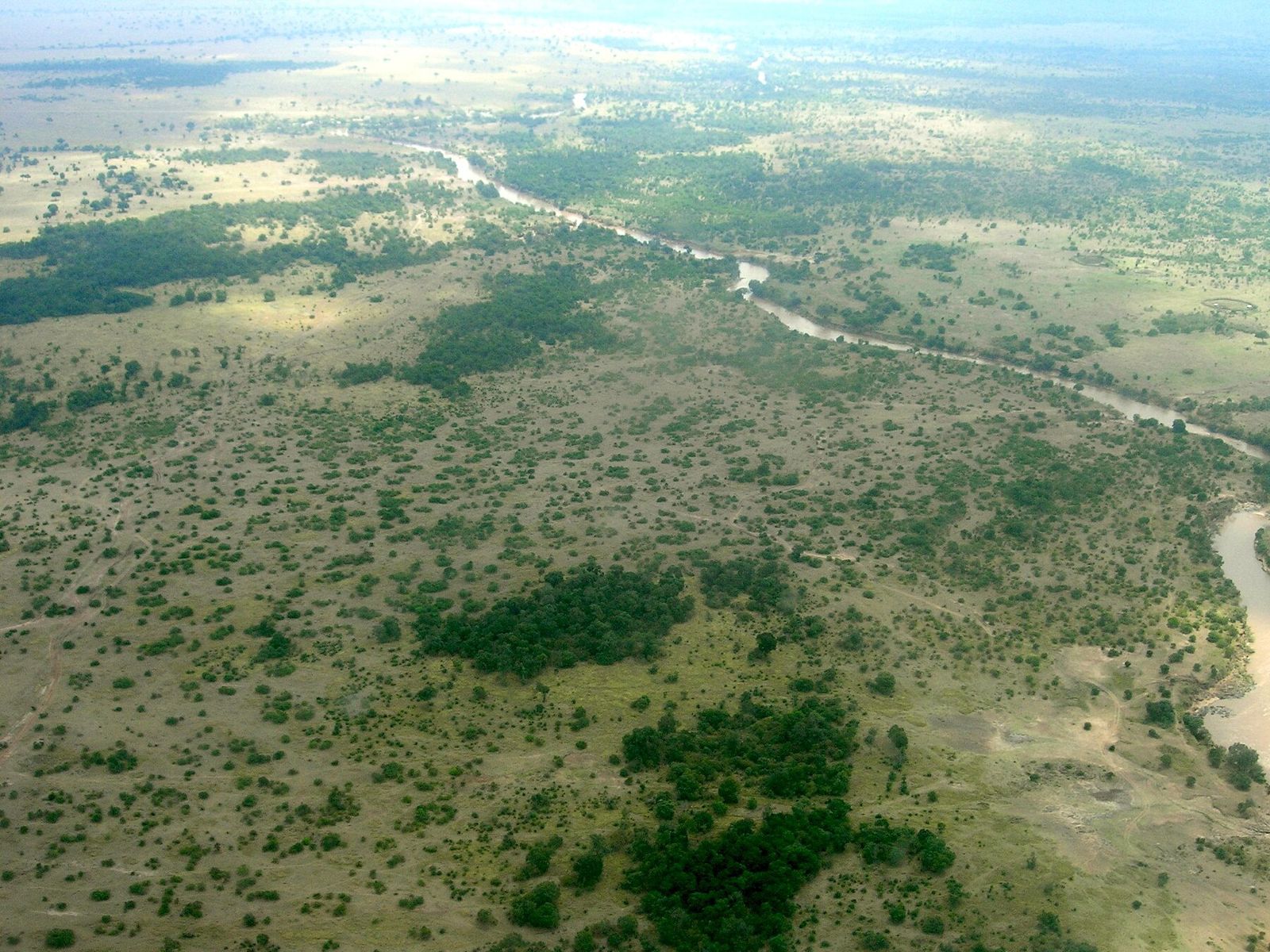
The migration is a year-round loop between Tanzania's Serengeti and Kenya's Masai Mara, driven by the rains and the grass that follows them. There is no single start or finish. The herds spend most of the year in the Serengeti and come north into the Mara for the dry months, which is when the dramatic river crossings take place.
| Months | Where the herds usually are |
|---|---|
| January – March | Southern Serengeti, Tanzania. Calving season, with hundreds of thousands of calves born, mostly around February. |
| April – May | Moving north and west through the central Serengeti during the long rains. |
| June | Western Serengeti, crossing the Grumeti River. |
| July – August | Northern Serengeti and into the Masai Mara. Mara River crossings begin. |
| September – October | In the Masai Mara, with crossings back and forth over the Mara River. |
| November – December | Heading south again through the Serengeti as the short rains arrive. |
These are typical patterns, not fixed dates. In some years the herds arrive in the Mara early in July, in others not until August, and they can leave early if the rains come.
The crossings are the highlight of the migration. Herds gather on the bank, sometimes for hours, before the first animals jump and the rest follow, with crocodiles waiting in the water and lions often nearby. Crossings can happen several times a day or not for days, and at different points along the river. Patience, a good guide and a camp near the river give you the best chance.
The Mara is excellent all year. The resident lions, leopards and cheetahs stay, the plains are quieter, and prices are often lower. January and February are dry and good for game viewing, and the green season around April and May is the quietest time.
July to September is also dry season in Uganda and Rwanda, which makes it a good time to pair gorilla trekking with the migration. See Uganda and Kenya safaris and our Kenya safari tours.
Usually from July to October, with August and September the most reliable months for Mara River crossings.
No one can. Crossings depend on the herds, and they happen on unpredictable days. Staying three nights or more near the river improves your chances.
Both. The herds spend most of the year in Tanzania's Serengeti and come into Kenya's Masai Mara for about July to October.
Well over a million wildebeest, together with large numbers of zebras and gazelles.
Yes. Big cats live in the Mara all year, and the quieter months can be better value.
This 3-day Masai Mara safari from Nairobi gives you two nights in Kenya's best-known reserve, with a full day of game drives…
This 4-day Masai Mara fly-in safari replaces the long road trip with a short light-aircraft flight from Nairobi, giving you three nights…
This 6-day Kenya safari covers the classic first circuit from Nairobi: big cats in the Masai Mara, rhinos at Lake Nakuru and…