
How Fit Do You Need to Be for Gorilla Trekking? A Complete Fitness Guide for Uganda and Rwanda, Gorilla trekking is one of Africa’s most unforgettable wildlife experiences. Walking through the misty forests of Uganda or Rwanda in search of mountain gorillas can be incredibly rewarding—but many travelers wonder: “Do I need to be very fit to go gorilla trekking?”
A Complete Fitness Guide for Uganda and Rwanda
The answer is you do not need to be an athlete, but you should have a reasonable level of physical fitness and be prepared for walking on uneven, steep and sometimes muddy terrain.
The difficulty of a gorilla trek can vary considerably. Some visitors may reach a gorilla family after a relatively short walk, while others may spend several hours hiking through challenging forest terrain. The exact location of gorillas cannot be guaranteed in advance because they move through their natural habitat.
This guide explains what fitness level you need, what makes gorilla trekking physically demanding, how to prepare, and what travelers with limited mobility should consider.
What Makes Gorilla Trekking Physically Demanding?
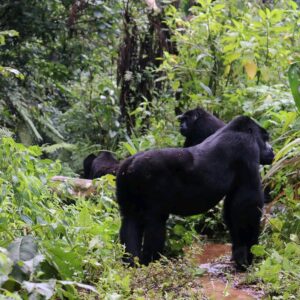
Gorilla trekking is different from an ordinary nature walk. You are hiking in a natural forest environment rather than following a flat, paved trail.
Depending on the trekking location and gorilla family assigned to your group, you may encounter:
Steep hills and slopes, Uneven forest floors, Mud and slippery sections, Tree roots and rocks, Dense vegetation Narrow trails, Wet conditions, Long periods of walking, Changes in altitude, Frequent uphill and downhill sections
You may also need to walk slowly and carefully when following trackers through the forest.
The most important thing is not speed. Gorilla trekking is an endurance experience rather than a race.
Do You Need to Be Extremely Fit for Gorilla Trekking?
No.
You do not need to be a marathon runner, professional hiker or highly trained athlete.
Many ordinary travelers successfully participate in gorilla trekking. What matters more is being comfortable with several hours of walking and being able to handle uneven terrain.
A person who regularly walks, hikes, exercises or participates in other moderate physical activities will generally be better prepared than someone who rarely exercises.
However, even physically active travelers can find gorilla trekking challenging because forest conditions are different from walking on a treadmill, road or flat trail.
How Long Do You Walk During Gorilla Trekking?

There is no fixed trekking distance.
The time required to find gorillas depends largely on where the gorilla family is located on the day of your trek.
A trek can sometimes involve relatively short walking, while on other days you may spend several hours in the forest.
Your trek can therefore involve:
Short walks, Moderate hikes, Several hours of trekking, Steep climbs, Difficult terrain
This uncertainty is one reason why travelers should prepare for a longer hike even if they are hoping for an easy trek.
What Level of Fitness Is Recommended?
A moderate level of fitness is generally a sensible target.
You should ideally be able to:
Walk continuously for a few hours, Walk uphill without becoming completely exhausted, Manage uneven ground, Climb and descend slopes, Maintain a comfortable walking pace, Recover after periods of physical effort
You do not need to be fast.
The trekking group normally moves according to the conditions and the abilities of participants. Rangers and trackers are experienced in guiding visitors through the forest.
Can Older Travelers Go Gorilla Trekking?
Yes. Age alone does not determine whether someone can trek gorillas.
Older travelers participate in gorilla trekking, but individual fitness, mobility and overall physical condition are important considerations.
If you are older or have not exercised regularly, it is sensible to begin preparing several weeks or months before your trip.
Simple activities such as:
Walking, Gentle hiking, Stair climbing, Cycling, Strength exercises, Balance exercises
can help you become more comfortable with the demands of trekking.
If you have concerns about whether your physical condition is suitable for strenuous hiking, discuss your travel plans with your healthcare professional before the trip.
What If You Are Not Very Fit?
Being less fit does not automatically mean you cannot enjoy a gorilla trekking experience.
There are several ways to make the experience more manageable.
Tell Your Tour Operator in Advance
When booking your gorilla safari, explain your fitness level honestly.
Your tour operator can help you understand the available trekking options and discuss practical arrangements.
For travelers visiting Uganda, it is particularly useful to discuss which Bwindi Impenetrable National Park sector may be most appropriate for your circumstances.
Take Your Time
There is no prize for reaching the gorillas first.
Walk at a comfortable pace and take short breaks when necessary.
Your guides and trackers can adjust the pace of the group according to the circumstances.
Use Trekking Poles
Trekking poles can provide additional balance when walking over:
Mud, Slopes, Roots, Rocks, Uneven ground
They can be especially useful during steep descents.
Wear Appropriate Footwear
Good footwear can make a significant difference.
Choose sturdy hiking boots with:
Good ankle support, Strong grip, Comfortable fitting, Water-resistant or waterproof construction
Avoid ordinary sandals or smooth-soled shoes.
Can People With Limited Mobility Trek Gorillas?
This depends on the individual’s circumstances.
Gorilla trekking can be physically demanding, and standard trekking may not be suitable for everyone with limited mobility.
However, travelers with mobility challenges should not assume that a gorilla experience is impossible.
In Uganda, arrangements such as porters and sedan-chair services may be available in certain trekking locations. These arrangements should be discussed and organized in advance.
A specialized arrangement can allow some travelers who would struggle with a conventional trek to participate.
The key is to communicate your mobility needs before booking and before arriving at the trekking destination.
How Should You Train for Gorilla Trekking?
You do not necessarily need an expensive gym membership.
A simple training routine can make a big difference.
Start Walking Regularly
Begin with comfortable walks and gradually increase the distance.
For example:
Weeks 1–2:
20–30 minutes of walking several days per week.
Weeks 3–4:
30–45 minutes of walking, including some hills.
Weeks 5–6:
45–60 minutes of walking or hiking.
Afterwards:
Gradually introduce longer walks and more challenging terrain.
The goal is to become comfortable spending several hours on your feet.
Practice Walking Uphill
One of the best ways to prepare is to include hills in your training.
Try:
Walking up hills, Using stairs, Hiking on natural trails, Walking on uneven ground
This helps prepare your legs for the climbs and descents you may encounter in the forest.
Strengthen Your Legs
Strong legs can make uphill and downhill hiking easier.
Useful exercises include:
Squats
Squats help strengthen the thighs and glutes.
Step-Ups
Use a stable step or platform and alternate legs.
Lunges
Lunges can improve leg strength and balance.
Calf Raises
These can help strengthen your lower legs.
Start gradually and focus on proper form rather than doing excessive repetitions.
Don’t Forget Your Core
Your core helps stabilize your body when walking over uneven ground.
Simple exercises such as planks and controlled bodyweight movements can help improve overall stability.
Balance exercises can also be useful because forest trails may contain roots, rocks and slippery sections.
What About Cardio Fitness?
Cardiovascular endurance is important because you may spend several hours walking.
Good preparation activities include:
Brisk walking, Hiking, Cycling, Swimming, Stair climbing, Light jogging, if appropriate for you
You do not need to become a long-distance runner.
The objective is to improve your ability to remain active for an extended period without becoming excessively tired.
Prepare for Mud and Rain
One of the biggest mistakes travelers make is preparing only for the physical distance.
The forest can be wet and muddy.
Even during periods when weather conditions are generally favorable, rain can occur.
Be prepared with:
Waterproof hiking boots, Rain jacket, Waterproof backpack cover, Long trousers, Gardening or hiking gloves, Extra socks, Water, Snacks, Walking poles
A pair of gaiters can also be useful in muddy conditions.
What Should You Eat Before Gorilla Trekking?
A good breakfast can provide useful energy before setting out.
Consider eating a balanced meal containing:
Carbohydrates, Protein, Fruits, Plenty of fluids
Examples include:
Eggs and bread, Porridge, Bananas, Fruit, Oatmeal, Yogurt
Avoid eating an unusually heavy meal immediately before trekking.
During longer hikes, carry appropriate snacks such as energy bars, fruit or nuts.
Stay Hydrated
Walking for several hours in a forest environment can make you thirsty and tired.
Carry sufficient drinking water and drink regularly.
Do not wait until you are extremely thirsty before drinking.
Your tour operator can advise you about the amount of water you should carry based on the expected trek and weather conditions.
What Happens If You Become Tired During the Trek?
Do not be embarrassed to tell your guide.
Gorilla trekking is not a competition.
If you need a short rest, communicate with your guide.
Your trekking team can help you manage your pace and navigate difficult sections.
This is another reason why hiring a porter can be useful even if you are reasonably fit. A porter can carry your backpack and provide physical support on difficult sections.
Why Hiring a Porter Can Help
A porter can carry items such as:
Water, Camera equipment, Extra clothing, Snacks, Your backpack
This reduces the load you have to carry while hiking.
Porters can also offer support on steep or slippery sections when appropriate.
Hiring a porter is therefore not only about carrying luggage. It can make the trek more comfortable while also providing income to members of the local community.
Gorilla Trekking Fitness: What You Should Be Able to Do
Before your safari, ask yourself:
Can I walk for one to three hours without major difficulty?
Can I climb a moderate hill?
Can I walk on uneven ground?
Can I handle stairs without becoming extremely exhausted?
Can I comfortably remain active for several hours?
If you can answer yes to most of these questions, you may have a reasonable foundation for gorilla trekking.
Remember, however, that every trek is different.