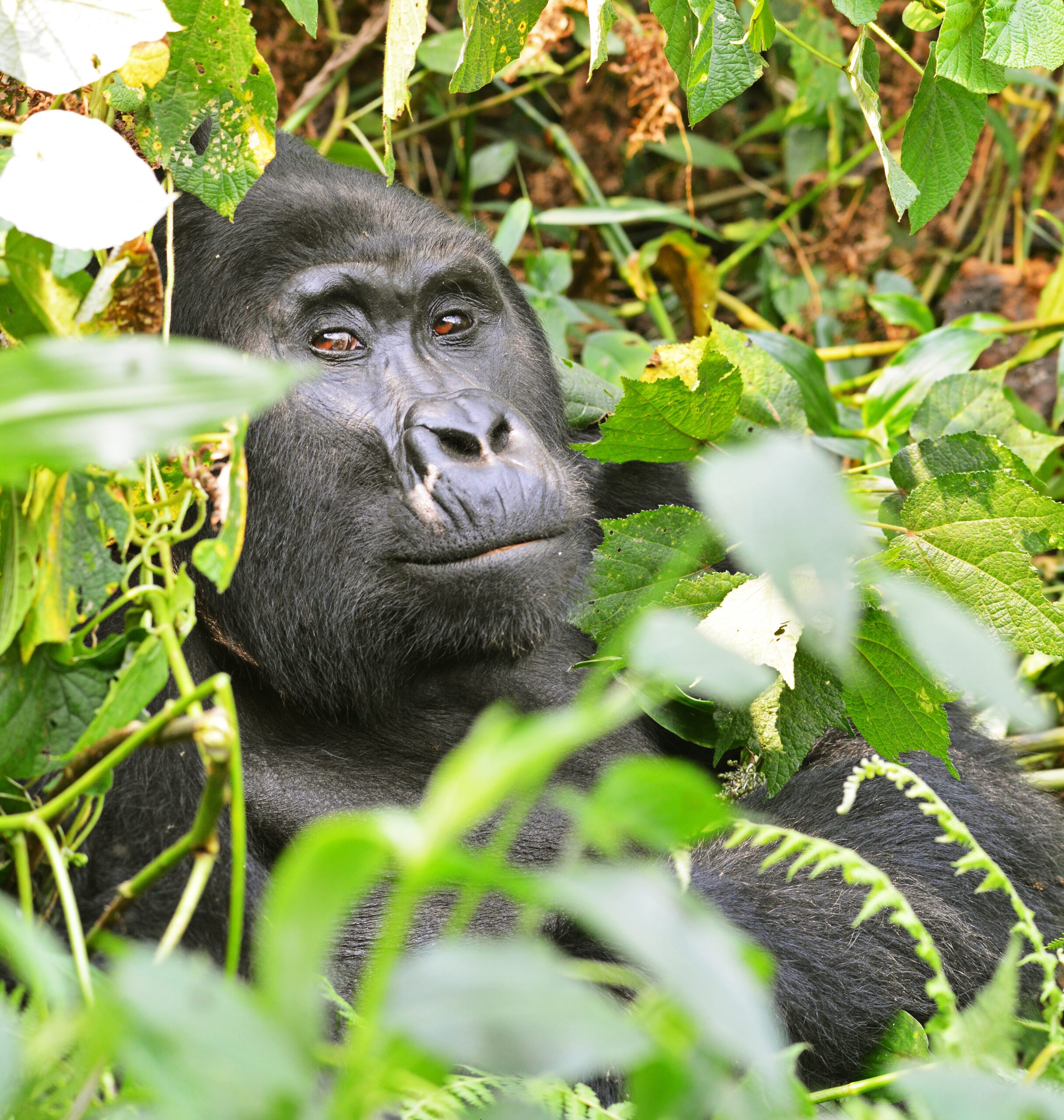
How Gorilla Permit Revenue Supports Local Communities, Gorilla trekking is one of the most extraordinary wildlife experiences in Africa. Standing quietly in the misty forests of Uganda or Rwanda and observing a family of mountain gorillas is a once-in-a-lifetime experience. But behind every gorilla trekking permit is a much bigger story—one involving conservation, local communities, employment, education, healthcare, livelihoods, and sustainable tourism.
When you purchase a gorilla trekking permit, your money does more than give you access to the forest. A portion of tourism revenue is used to support communities living around gorilla habitats, helping create an important connection between tourism and conservation.
This is particularly important because many communities surrounding Bwindi Impenetrable National Park, Mgahinga Gorilla National Park, and Volcanoes National Park live very close to protected areas. Their livelihoods and daily lives are closely connected to the forests and wildlife.
So, how exactly does gorilla permit revenue support local communities?
Gorilla Tourism and Community Conservation
Mountain gorillas live in protected forests that require intensive conservation and protection. Rangers, researchers, veterinarians, guides and other conservation professionals work to protect gorillas and their habitat.
However, protecting a forest cannot depend only on patrols and laws.
Local communities are equally important.
People living around national parks interact with protected areas every day. They may experience challenges such as crop damage, limited access to forest resources and restrictions on activities within protected areas.
For conservation to succeed in the long term, communities need to see tangible benefits from protecting wildlife.
This is where tourism revenue sharing becomes important.
The basic idea is simple:
Visitors pay for gorilla trekking → tourism generates revenue → a portion is directed toward community development and conservation-related initiatives → communities benefit from protecting gorillas and their habitat.
Uganda Wildlife Authority (UWA) explains that its revenue-sharing programme provides communities surrounding protected areas with financial benefits from tourism. UWA currently states that 20% of annual park revenue is shared with communities around national parks and wildlife reserves. At Bwindi, UWA also states that US$10 from each gorilla-tracking permit sold is shared with communities.
In Rwanda, the Tourism Revenue Sharing Programme allocates 10% of national park tourism revenues to community development around protected areas.
Gorilla Permit Revenue Helps Build Schools
One of the most visible ways tourism revenue benefits communities is through education.
Revenue-sharing programmes can contribute to the construction and improvement of schools, classrooms and other education-related infrastructure.
This is particularly valuable in rural communities where families may live far from major towns.
In Rwanda, the country’s Tourism Revenue Sharing Programme has supported community projects including schools and education infrastructure. According to the Rwanda Development Board, more than RWF 23 billion has been invested in nearly 1,300 community projects through the programme over the past 20 years.
In Uganda, UWA identifies schools among the types of community projects that can be supported through revenue sharing.
Therefore, when tourists visit gorilla destinations, the economic benefits can extend well beyond hotels and tour operators.
Supporting Healthcare in Gorilla-Trekking Communities

Healthcare is another important area where tourism revenue can make a difference.
Community development funds may support health centres and other healthcare-related infrastructure.
For rural communities surrounding gorilla parks, improved access to healthcare can reduce the distance residents need to travel for basic medical services.
Rwanda’s Tourism Revenue Sharing Programme has supported health centres among other community projects around protected areas.
In Uganda, UWA also lists health centres among community infrastructure projects that can receive support through its revenue-sharing programme.
This demonstrates that gorilla tourism is not simply about wildlife. It can also contribute to improving the quality of life for people living near gorilla habitats.
Improving Access to Clean Water
Access to clean water is another area where tourism-related community investment can have a significant impact.
Water projects can include water tanks, water supply systems and other infrastructure designed to improve access to clean water.
The Rwanda Development Board reports that community revenue-sharing investments have supported water infrastructure around protected areas.
For rural households, such projects can save time and reduce the difficulty of collecting water from distant sources.
This means that the economic value of a gorilla trekking permit can eventually translate into something as fundamental as access to clean water.
Creating Employment Opportunities
Gorilla tourism also creates employment opportunities for people living around national parks.
A single gorilla trekking experience requires many people to make it possible.
These can include:
- Gorilla trekking guides
- Park rangers
- Trackers
- Porters
- Drivers
- Lodge employees
- Restaurant workers
- Community guides
- Cultural performers
- Craft producers
- Conservation educators
- Researchers
- Local suppliers
- Small business owners
In Uganda, UWA notes that communities can benefit directly and indirectly from tourism development through employment and business opportunities.
This is important because tourism can provide alternatives to activities that may negatively affect wildlife or forest ecosystems.
Supporting Porters and Local Guides
One of the most direct ways travelers can support local communities is by hiring a porter.
Porters often come from communities surrounding gorilla trekking destinations.
They can help visitors carry backpacks, walking sticks, water and other equipment during challenging forest hikes.
But the benefit goes beyond making the trek easier.
Hiring a porter provides direct income to a local person and their household.
For many travelers, this is one of the simplest ways to ensure that their gorilla trekking experience has an immediate local economic impact.
If you are physically able to carry your own backpack, you can still hire a porter simply because you want to support the local community.
Supporting Small Local Businesses
Gorilla tourism creates demand for products and services.
Visitors need accommodation, meals, transportation, crafts, laundry services, guiding, cultural experiences and other services.
This creates opportunities for small businesses.
Local entrepreneurs may operate:
- Restaurants
- Guesthouses
- Craft shops
- Transportation businesses
- Cultural tourism projects
- Coffee experiences
- Community walks
- Bicycle tours
- Souvenir businesses
- Laundry services
- Food-supply businesses
The more visitors spend locally, the greater the potential economic impact within the destination.
This is why responsible travelers are encouraged to consider purchasing locally made crafts, eating at locally owned restaurants and participating in authentic community experiences.
Supporting Livelihood Projects
Revenue-sharing funds can also support household livelihood projects.
In Uganda, UWA gives examples such as goat rearing, piggery projects, beekeeping, tree planting and Irish potato growing among initiatives that can benefit households in frontline communities.
These projects are important because conservation is stronger when communities have sustainable sources of income.
A family that benefits economically from conservation has a greater reason to support the protection of the forest.
Helping Reduce Human-Wildlife Conflict
Living next to a national park can create challenges.
Wild animals may sometimes move outside protected areas and damage crops. This can create tension between communities and conservation authorities.
UWA states that its revenue-sharing funds can support projects that help reduce human-wildlife conflict and improve the livelihoods of households in frontline villages.
Community projects can therefore serve two purposes:
- Improve people’s livelihoods.
- Encourage greater tolerance and support for wildlife conservation.
This is extremely important for gorilla conservation because the survival of mountain gorillas depends on maintaining large, healthy forest habitats.
Supporting Conservation Through Community Participation
Gorilla conservation is not something that happens only inside the forest.
It also happens in villages, schools, farms and communities surrounding protected areas.
When local residents understand that gorilla tourism provides tangible benefits, they have stronger incentives to participate in conservation.
UWA explains that communities can be important sources of information about illegal hunting and other activities affecting protected areas.
This creates a partnership:
Tourists support tourism → tourism supports communities → communities support conservation → conservation protects gorillas.
It is a cycle in which everyone has a role.
Rwanda’s Tourism Revenue Sharing Model
Rwanda provides a particularly clear example of how tourism revenue can be connected to community development.
The Rwanda Development Board states that 10% of national park tourism revenue is reinvested into communities surrounding protected areas.
The programme has supported projects involving:
Schools, Health center’s, Water infrastructure, Livelihoods, Community development, Other local priorities
As of 2026, Rwanda reported that more than RWF 23 billion had been reinvested through the programme into nearly 1,300 community projects over approximately 20 years.
This demonstrates how gorilla tourism can become part of a wider community-development and conservation strategy.
Uganda’s Revenue-Sharing Approach
Uganda also operates a revenue-sharing programmer through the Uganda Wildlife Authority.
UWA states that 20% of annual park revenue is shared with communities surrounding national parks and wildlife reserves.
At Bwindi Impenetrable National Park, UWA additionally states that US$10 from each gorilla-tracking permit sold is shared with communities.
UWA explains that funds can support both household and community projects, including schools, health centers, feeder roads, water tanks, livestock projects, beekeeping and agricultural activities.
In June 2025, UWA reported disbursing UGX 2.197 billion in revenue-sharing funds to communities around the Bwindi-Mgahinga Conservation Area.
These initiatives demonstrate that gorilla tourism has an important role beyond the trekking trail.
Why Community Benefits Matter for Gorilla Conservation
Mountain gorillas are critically dependent on their forest habitat.
If the surrounding ecosystem is degraded, gorillas are affected.
If local communities do not see benefits from conservation, maintaining positive relationships between people and protected areas becomes more difficult.
But when tourism contributes to education, healthcare, employment, water infrastructure and livelihoods, conservation becomes more meaningful to communities.
The relationship becomes:
Healthy forests → healthy gorilla populations → sustainable tourism → community benefits → stronger conservation support.
This is one of the foundations of responsible gorilla tourism.
Your Gorilla Trekking Permit Is Part of a Bigger Conservation Story
When you pay for a gorilla trekking permit, it can be easy to think that you are simply purchasing permission to enter the forest and see gorillas.
In reality, your visit contributes to a much broader tourism system.
Your trip can support:
- Gorilla conservation
- Forest protection
- Local employment
- Community development
- Schools
- Healthcare
- Clean water projects
- Local businesses
- Livelihood programmers
- Conservation education
- Human-wildlife conflict reduction
The exact allocation and percentage of tourism revenue varies between countries and programmes, so travelers should not assume that every dollar or franc paid for a permit goes directly to a particular community project.
Nevertheless, Uganda and Rwanda both have established mechanisms through which tourism revenue supports communities living around protected areas.
How Travelers Can Increase Their Positive Local Impact

Your gorilla permit is only one part of your contribution.
You can make your trip even more beneficial to local communities by making responsible choices.
Hire a Local Porter
Hiring a porter provides direct income to someone from the surrounding community.
Buy Locally Made Crafts
Purchase authentic locally made products rather than mass-produced souvenirs.
Stay at Locally Owned Accommodation
Where possible, consider locally owned lodges, guesthouses and community accommodation.
Eat Local Food
Trying local cuisine can help support restaurants, farmers and food suppliers.
Respect Local Culture
Ask permission before taking photographs of people and respect local customs.
Participate in Community Experiences
Cultural walks, village visits, coffee experiences and community tourism activities can provide additional income to local residents.
Follow Park Rules
Responsible behavior protects both wildlife and the communities that depend on conservation tourism.
Gorilla Tourism: Conservation That Benefits People
The future of mountain gorilla conservation is closely connected to the future of the communities living around gorilla habitats.
A gorilla cannot be protected simply by drawing a boundary around a forest.
Conservation must also consider the people who live beside that forest.
This is why community benefit-sharing programmes are so important.
When tourism revenue helps build a classroom, support a health centre, improve access to water, create employment or fund a local livelihood project, the value of gorilla tourism becomes visible beyond the forest.
It gives local communities a reason to see gorillas not as a burden, but as an important natural resource worth protecting.
Frequently Asked Questions About Gorilla Permit Revenue and Communities
Does my gorilla permit money help local communities?
Yes. Uganda and Rwanda have tourism revenue-sharing mechanisms through which portions of tourism revenue are directed toward communities around protected areas. The specific percentages and mechanisms differ between countries.
How does gorilla tourism benefit people in Uganda?
In Uganda, UWA’s revenue-sharing programme supports community projects and livelihoods around protected areas. At Bwindi, UWA also states that US$10 from each gorilla-tracking permit is shared with communities.
How does gorilla tourism benefit communities in Rwanda?
Rwanda reinvests 10% of national park tourism revenues into community development. Projects have included schools, health canters, water infrastructure and livelihood initiatives.
Can I support local communities directly during gorilla trekking?
Yes. Hiring a porter, purchasing local crafts, using local services, staying at locally owned accommodation and participating in community tourism experiences are practical ways to increase your local economic impact.
Why is community involvement important for gorilla conservation?
Communities living around protected areas are important conservation partners. When people receive tangible benefits from tourism and conservation, it can strengthen local support for protecting wildlife and forests.
Final Thoughts: Every Gorilla Trek Can Make a Difference
Gorilla trekking is more than an unforgettable encounter with one of the world’s most remarkable animals.
It can also be a form of responsible tourism that connects wildlife conservation with human development.
In Uganda and Rwanda, tourism revenue-sharing programme help direct tourism benefits toward communities surrounding protected areas. These benefits can contribute to education, healthcare, water infrastructure, livelihoods, employment and conservation partnerships.
So, when you trek with gorillas, remember that your journey does not end when you leave the forest.
Your permit, accommodation, porter fees, meals, transportation and local purchases can all contribute to an economy built around keeping gorillas and their habitat protected.
The next time you stand quietly in the forest watching a mountain gorilla, remember that your visit is part of a much bigger conservation story—one that includes the people who call these forests home.
Plan a Responsible Gorilla Trekking Adventure
Looking for a responsible and well-organized gorilla trekking experience in Uganda or Rwanda?
Choose a tour operator that works with local communities, follows park regulations and promotes responsible tourism.
Plan your Uganda or Rwanda gorilla trekking adventure with Fuga Tours and Travel and experience the incredible mountain gorillas while contributing to a tourism model that values conservation and local communities.