
Travel Insurance for Gorilla Trekking: What You Need to Know, Gorilla trekking in Uganda and Rwanda is one of Africa’s most unforgettable wildlife experiences. Walking through the rainforest, following the tracks of mountain gorillas, and spending time observing these incredible primates in their natural habitat is a dream for many travelers.
However, gorilla trekking is also an outdoor adventure that takes place in mountainous and forested environments. The terrain can be steep, muddy, slippery, and physically demanding. For this reason, travel insurance for gorilla trekking should be an important part of your safari preparations.
Whether you are planning to trek gorillas in Bwindi Impenetrable National Park or Mgahinga Gorilla National Park in Uganda, or Volcanoes National Park in Rwanda, having appropriate travel insurance can provide financial protection if unexpected problems affect your trip.
This guide explains what travelers should know about gorilla trekking travel insurance, what coverage to look for, exclusions to check, and how insurance can protect you before and during your safari.
Why Do You Need Travel Insurance for Gorilla Trekking?
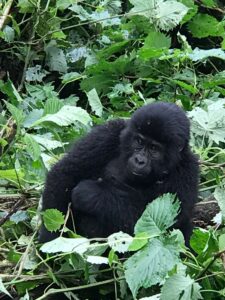
Travel insurance is not simply about protecting your luggage or flights. For a gorilla trekking safari, appropriate insurance can help protect you against unexpected medical expenses, trip interruptions, cancellations, evacuation costs, lost belongings, and other unforeseen circumstances.
Gorilla trekking takes place in natural environments rather than controlled tourist facilities. Trekkers may spend several hours walking through dense vegetation and uneven terrain before reaching a gorilla family.
Depending on the location of the gorilla group, you may encounter:
Steep hills and valleys, Muddy trails, Slippery rocks and tree roots, Dense vegetation, Rain and changing weather, Long walking distances, High-altitude terrain, Physical fatigue
Even experienced hikers can occasionally slip, fall, become exhausted, or require assistance.
A suitable travel insurance policy can therefore give you greater financial protection while you concentrate on enjoying your gorilla trekking experience.
Does Travel Insurance Cover Gorilla Trekking?
This is one of the most important questions to ask before purchasing a policy.
Not every travel insurance policy automatically covers gorilla trekking.
Some insurers classify certain wildlife activities, hiking, trekking, or adventure activities differently from ordinary tourism. Your policy may therefore have specific conditions regarding activities undertaken during your trip.
Before purchasing insurance, contact the insurance provider and confirm in writing that your policy covers:
Gorilla trekking. Hiking or trekking in forests, Outdoor adventure activities, Medical treatment during the safari, Emergency evacuation, Mountain or wilderness rescue, where applicable, Trip cancellation, Trip interruption Lost or delayed baggage, Missed connections, where covered, Repatriation in serious emergencies
Always read the policy wording rather than assuming that “travel insurance” automatically includes every activity.
What Should Gorilla Trekking Travel Insurance Cover?
When comparing travel insurance policies, pay particular attention to the following areas.
Emergency Medical Expenses
Medical coverage is one of the most important components of travel insurance.
Your policy should provide appropriate coverage for unexpected illness or injury during your trip.
For example, you could experience:
A fall while hiking, A sprained ankle, Dehydration, A serious allergic reaction, An unexpected illness, An injury during transportation, Other medical emergencies
Check the maximum amount the insurer will pay and whether there are exclusions relating to trekking or outdoor activities.
Emergency Evacuation
Emergency evacuation can be particularly important for travelers undertaking gorilla trekking.
The gorilla habitats are located in mountainous and forested areas. If a traveler becomes seriously injured or unable to continue walking, evacuation or specialized assistance may be required.
Depending on the circumstances and location, emergency assistance could involve transportation from a remote area to an appropriate medical facility.
Before your safari, check whether your insurance policy covers:
Emergency evacuation, Wilderness rescue, Ambulance transportation, Medical transportation, Repatriation to your home country when medically necessary
Do not assume that all policies provide the same level of evacuation coverage.
Trip Cancellation
Gorilla trekking often requires advance planning and payment.
You may need to arrange:
Gorilla trekking permits, Flights, Accommodation, Transportation, Safari activities, Park-related services, Other travel arrangements
If you become seriously ill or another covered event prevents you from traveling, trip cancellation insurance may help recover eligible prepaid, non-refundable expenses.
However, cancellation coverage depends on the reason for cancellation and the specific terms of your policy.
Trip Interruption
Sometimes a traveler begins a safari but is forced to end the trip early because of an unexpected covered event.
Trip interruption coverage may help with eligible additional expenses and unused prepaid arrangements, depending on the policy.
For example, an unexpected family emergency could require you to return home earlier than planned.
Check the policy carefully to understand what qualifies as a covered interruption.
Baggage and Personal Belongings
Your gorilla trekking equipment may include valuable items such as:
Camera, Smartphone, Binoculars, Waterproof clothing, Hiking boots, Travel documents, Electronic equipment
Travel insurance may provide coverage for lost, stolen, or damaged belongings, subject to the policy’s limits and exclusions.
Pay particular attention to valuable-item limits. A standard policy may have a maximum amount payable for cameras, electronics, or other expensive equipment.
Travel Delays and Missed Connections
Travel to Uganda or Rwanda can involve multiple flights and road transfers.
If a covered travel disruption causes you to miss a connection or experience a significant delay, your policy may provide certain benefits.
However, coverage varies significantly between insurers.
Read the policy carefully to determine:
What counts as a covered delay, Minimum delay periods, Maximum reimbursement, Accommodation benefits, Meal allowances, Transportation benefits
Gorilla Trekking in Uganda and Insurance Considerations
Uganda is home to mountain gorillas in Bwindi Impenetrable National Park and Mgahinga Gorilla National Park.
Bwindi is particularly well known for its gorilla trekking experiences, while Mgahinga provides another opportunity to encounter mountain gorillas within the Virunga landscape.
Gorilla trekking can involve several hours of walking depending on the location of the gorilla family and the conditions of the trail.
Travelers planning a Uganda gorilla trekking safari should therefore confirm that their insurance covers the activity they intend to undertake.
If your itinerary also includes activities such as chimpanzee trekking, hiking, mountain climbing, rafting, or other adventure activities, ask the insurer whether these activities are covered as well.
Gorilla Trekking in Rwanda and Insurance Considerations
Rwanda’s Volcanoes National Park is another important destination for mountain gorilla trekking.
The park is located in the Virunga Mountains, and trekking conditions can include steep terrain, forest trails, wet weather, and challenging climbs.
Travelers visiting Rwanda should check that their insurance policy covers the activities included in their itinerary.
If your safari combines gorilla trekking with activities such as golden monkey trekking, hiking Mount Bisoke, visiting cultural attractions, or exploring other parts of Rwanda, verify coverage for each activity.
Does Gorilla Trekking Require Special Insurance?
There is an important difference between having travel insurance and having travel insurance that specifically covers your planned activities.
A standard travel insurance policy may cover ordinary tourism but exclude certain adventure activities.
Therefore, ask your insurer directly:
“Does this policy cover gorilla trekking in Uganda or Rwanda?”
Also ask:
“Does it cover medical evacuation if I become injured while trekking?”
And:
“Are hiking, trekking, and outdoor adventure activities included?”
Getting clear answers before departure can prevent unpleasant surprises later.
What Insurance Exclusions Should You Check?
Insurance policies contain exclusions. These are circumstances where the insurer may not provide coverage.
Before buying your policy, carefully check whether it excludes:
Pre-existing medical conditions
Some policies have restrictions relating to medical conditions that existed before your trip.
If you have a pre-existing condition, disclose the information required by the insurer and ask whether additional coverage is necessary.
Unapproved adventure activities
Certain activities may be excluded unless you purchase an adventure-sports extension or specific coverage.
Alcohol-related incidents
Some policies may exclude claims arising from incidents where the traveler was intoxicated.
Failure to follow medical advice
Insurance policies can contain exclusions relating to travelers who ignore medical advice or travel against professional recommendations.
Unattended belongings
Leaving expensive equipment unattended may affect a baggage claim.
Unapproved destinations or activities
Make sure the countries and activities included in your itinerary are covered.
Policy limits
Even when something is technically covered, the insurer may impose maximum payment limits.
Always check the policy wording.
Do You Need Medical Evacuation Coverage?
For a gorilla trekking safari, medical evacuation coverage is worth discussing with your insurance provider.
Gorilla habitats are not located in major urban centers. Trekking takes place in forests and mountainous landscapes.
If a serious emergency occurs, transportation to an appropriate medical facility may be necessary.
Ask your insurer:
Is emergency evacuation inclusive, Is wilderness rescue covered?, Who arranges the evacuation?, Is prior authorization required?, Is air evacuation covered where medically necessary?, What happens if the evacuation is organized by local authorities?, Is repatriation included?
Understanding these details before your trip is much better than trying to understand them during an emergency.
What About Gorilla Trekking Permit Refunds?
Gorilla trekking permits are a major part of the cost of a gorilla safari.
Whether a permit can be refunded, changed, or transferred depends on the applicable regulations and the circumstances involved.
Travel insurance does not automatically guarantee reimbursement of a gorilla permit.
If recovering the cost of a permit is important to you, ask your insurer whether prepaid safari costs and permits are covered under cancellation or interruption benefits.
Also check the current permit cancellation and refund conditions applicable to your destination.
When Should You Buy Travel Insurance?
It is generally advisable to purchase travel insurance soon after making significant non-refundable travel arrangements.
This is because some policies may provide benefits that depend on when the policy was purchased.
For example, you may already have paid for:
Gorilla trekking., permits, International flights Lodges Safari transportation, Domestic flights, Other prepaid activities
Purchasing insurance early may provide protection for certain covered events occurring before your departure, depending on the policy.
Do not wait until the day before your safari to start thinking about insurance.
How Much Does Gorilla Trekking Travel Insurance Cost?
There is no single price for gorilla trekking travel insurance.
The cost can depend on factors such as:
Your age, Nationality or country of residence, Trip duration, Destination, Coverage level, Medical coverage limits, Adventure-activity coverage, Trip value, Deductible or excess, Additional options purchased
Instead of choosing a policy solely because it is cheap, compare what the policy actually covers.
A lower-cost policy with significant exclusions may provide less useful protection than a policy designed for the activities and destinations on your itinerary.
What Documents Should You Carry?
Before traveling, keep copies of important insurance information.
Consider carrying:
Insurance policy number, Emergency assistance telephone number, Insurance certificate, Policy terms and conditions, Passport copy, Flight details, Safari itinerary, Emergency contacts, Relevant medical information
Keep digital copies in a secure location as well.
Your safari company may also have emergency contact information that you should keep with your travel documents.
Travel Insurance for Senior Gorilla Trekkers
Gorilla trekking attracts travelers of different ages, including older travelers.
If you are a senior traveler, pay particular attention to:
Medical coverage limits, Age restrictions, Pre-existing-condition clauses, Emergency evacuation, Trekking coverage, Trip cancellation provisions
It is also important to discuss the physical demands of gorilla trekking with your healthcare professional if you have concerns about your ability to participate.
Travel Insurance for Families
Families planning a gorilla trekking safari should check whether everyone traveling is covered under the same policy or whether individual policies are required.
Confirm coverage for:
Children, Parents or guardians, Medical emergencies, Trip cancellation, Lost baggage, Emergency evacuation
Make sure the policy covers all destinations included in your itinerary.
Travel Insurance for Honeymoon Gorilla Trekking
Uganda and Rwanda are popular destinations for couples combining gorilla trekking with a honeymoon.
A honeymoon safari can involve significant prepaid expenses, including:
Luxury accommodation, Gorilla permits, Private transportation, Flights, Special experiences, Meals and activities
For this reason, couples should carefully review cancellation and interruption coverage.
Insurance cannot replace the excitement of your honeymoon, but suitable coverage can provide financial protection when unexpected circumstances affect your plans.
What to Ask Your Insurance Company Before Gorilla Trekking
Before purchasing your policy, consider asking the insurer the following questions:
Is gorilla trekking specifically covered?
Are hiking and trekking activities included?
Does the policy cover Uganda and/or Rwanda?
Are medical expenses covered?
Is emergency evacuation included?
Is medical repatriation included?
Are pre-existing medical conditions covered?
Are gorilla permits covered if I need to cancel for a covered reason?
Are prepaid safari arrangements covered?
Is trip interruption included?
Is baggage and camera equipment covered?
Are there age restrictions?
What are the main exclusions?
Is there a deductible or excess?
What emergency number should I call?
Does the insurer require prior authorization before treatment or evacuation?
Keep the answers and your policy documents for reference during your trip.
What Happens If You Get Sick Before Your Gorilla Trek?
If you become ill before your scheduled trek, do not simply assume that you can or cannot proceed.
Contact:
Your doctor or healthcare provider, Your safari company, Your insurance provider, where appropriate, The relevant park or permit authority if your plans need to change
Whether you can change your trekking date or recover costs depends on the applicable rules and your insurance policy.
What Happens If You Are Injured During the Trek?
If you become injured during a trek, inform your guide or park staff immediately.
Your guide and trekking team can help assess the situation and determine what assistance is required.
If medical care or evacuation is necessary, contact the relevant emergency services and your insurer’s emergency assistance provider according to your policy instructions.
Avoid arranging expensive emergency services without understanding your insurer’s requirements where circumstances allow, because some policies require prior authorization.
In a genuine emergency, however, obtaining necessary medical care should take priority.
Travel Insurance Checklist for Gorilla Trekking
Before departing for Uganda or Rwanda, use this checklist:
Insurance checklist
Purchase travel insurance
Confirm Uganda/Rwanda coverage
Confirm gorilla trekking is covered
Check trekking and hiking exclusions
Confirm emergency medical coverage
Confirm emergency evacuation coverage
Check medical repatriation
Review cancellation coverage
Review trip interruption coverage
Check baggage and electronics coverage
Declare relevant medical conditions as required
Check policy limits
Check deductibles/excesses
Save emergency contact numbers
Carry a copy of your insurance policy
Other Important Preparations for Gorilla Trekking
Travel insurance is only one part of preparing for a gorilla trekking adventure.
You should also prepare appropriate trekking equipment.
Depending on the destination and season, useful items may include:
Waterproof hiking boots, Long trousers, Long-sleeved shirts, Rain jacket, Daypack. Reusable water bottle, Gardening gloves, Insect repellent, Hat, Camera, Binoculars, Waterproof bags, Walking poles if needed
You should also follow the instructions of your guides and park authorities throughout the trek.
Why Book Your Gorilla Safari With FugaTours and Travel?
Planning a gorilla trekking safari involves more than securing a permit and booking accommodation. You need to coordinate transportation, accommodation, trekking arrangements, activities, and your overall itinerary.
Fuga Tours and Travel can assist travelers planning gorilla trekking experiences in Uganda and Rwanda.
Whether you are planning:
Uganda gorilla trekking, Bwindi gorilla trekking, Mgahinga gorilla trekking, Rwanda gorilla trekking, Uganda and Rwanda combined safaris, Gorilla and chimpanzee safaris, Gorilla trekking honeymoons, Gorilla trekking and wildlife safaris
our team can help you organize the different components of your journey.
We also encourage travelers to arrange appropriate travel insurance independently and carefully confirm that their policy covers the activities included in their safari.
Frequently Asked Questions About Gorilla Trekking Travel Insurance
Is travel insurance necessary for gorilla trekking?
Travel insurance is an important precaution for gorilla trekking because the activity takes place in remote, mountainous and forested environments. Travelers should choose a policy that appropriately covers medical emergencies, evacuation, cancellation and the activities included in their itinerary.
Does normal travel insurance cover gorilla trekking?
Not necessarily. Some policies may exclude adventure or trekking activities. Always confirm directly with your insurer that gorilla trekking is covered.
Does travel insurance cover gorilla trekking in Uganda?
Coverage depends on the policy. Before traveling to Uganda, confirm that your insurer covers gorilla trekking and any other activities included in your itinerary.
Does travel insurance cover gorilla trekking in Rwanda?
Coverage depends on the insurer and policy. Travelers should specifically confirm that trekking in Rwanda’s mountainous environments is included.
Does travel insurance cover gorilla permit costs?
Some policies may cover eligible prepaid travel expenses, but this depends on the policy and the reason for cancellation. Gorilla permit reimbursement should never be assumed.
Is medical evacuation important for gorilla trekking?
Yes, travelers should carefully consider emergency evacuation coverage because gorilla trekking takes place in forests and mountainous areas where access to medical facilities can be more difficult than in cities.
When should I buy travel insurance?
It is generally sensible to arrange insurance soon after making significant prepaid travel arrangements. Check the insurer’s terms because certain benefits may depend on when the policy was purchased.
Can I go gorilla trekking without travel insurance?
Travelers should check the current requirements of their destination, tour operator and relevant authorities. Regardless of formal requirements, appropriate insurance is an important part of preparing for an adventure involving trekking in remote environments.
Final Thoughts: Protect Your Gorilla Trekking Adventure
Gorilla trekking is a once-in-a-lifetime experience, but good preparation is essential.
Before traveling to Uganda or Rwanda, take time to understand your travel insurance policy. Do not simply look for a policy labeled “travel insurance.” Confirm that it actually covers gorilla trekking, hiking, medical emergencies, emergency evacuation, trip cancellation and the other activities included in your safari.
Read the exclusions, understand the limits, save your emergency contacts, and keep your policy documents accessible throughout your journey.
With your insurance, travel documents, trekking equipment and safari arrangements properly prepared, you can travel with greater peace of mind and focus on the extraordinary experience of encountering mountain gorillas in their natural habitat.
Plan Your Gorilla Trekking Safari With Fuga Tours and Travel
Ready to plan your Uganda or Rwanda gorilla trekking adventure?
Contact Fuga Tours and Travel to discuss your preferred destination, safari duration, accommodation, gorilla trekking experience and other activities you would like to include.
Plan your gorilla trekking safari with Fuga Tours and Travel and prepare for an unforgettable journey into the forests of East Africa.