
What Happens If You Don’t See Gorillas on Your Trek? A Complete Guide for Gorilla Trekkers, Gorilla trekking is one of the most extraordinary wildlife experiences in Africa. Walking through the misty forests of Uganda or Rwanda in search of mountain gorillas can be a life-changing adventure. However, many travelers planning their first gorilla trek have an important question:
What happens if you trek all day and don’t see the gorillas?
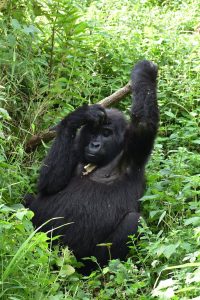
The good news is that gorilla trekking is carefully managed and trackers work hard to locate habituated gorilla families. In Uganda, the Uganda Wildlife Authority (UWA) and trained trackers use their knowledge of gorilla movements to help trekking groups find the assigned family. Nevertheless, gorillas are wild animals, and sightings can never be treated as an absolute guarantee.
This guide explains what you should expect, what happens if gorillas cannot be located, whether you can receive a refund or another trek, and how to prepare for the possibility.
What Is Gorilla Trekking?
Gorilla trekking involves hiking through the forest in search of a habituated mountain gorilla family. In Uganda, the main trekking destinations are Bwindi Impenetrable National Park and Mgahinga Gorilla National Park.
Trekkers are accompanied by trained guides, trackers and, where applicable, park rangers. The team follows signs such as:
Gorilla footprints, Broken vegetation, Feeding areas, Nesting sites, Droppings, Sounds and calls, Previous movement patterns
Because mountain gorillas move through their forest habitat, the starting location of a trek does not mean that the gorillas will be found in exactly the same place.
Is It Possible Not to See Gorillas?
Yes. Gorillas are wild animals, so sightings cannot be guaranteed with absolute certainty.
However, trekking is organized around habituated gorilla families, and trackers begin searching based on recent information about the family’s location.
In most cases, this greatly improves the opportunity to find them.
It is important to understand the difference between:
High chance of seeing gorillas
and
Guaranteed gorilla sighting.
A responsible safari operator should not promise that you will definitely see a gorilla on a particular trek.
Why Might You Fail to Find Gorillas?
Several circumstances can make a gorilla encounter difficult.
Gorillas Move Deep Into the Forest
Mountain gorillas do not remain in one location. They move in search of food, water, shelter and suitable resting areas.
A family that was in one area the previous day may have moved considerably by the next morning.
Difficult Forest Terrain
Bwindi is famous for its steep slopes, dense vegetation and challenging terrain.
Sometimes trackers have to navigate:
Steep hills, Thick vegetation, Muddy trails, Dense forest, Streams, Slippery sections
This can make the search more demanding.
Weather Conditions
Rain can make forest trails slippery and difficult to navigate. Heavy weather can also affect visibility and trekking conditions.
Fortunately, rain does not necessarily mean that gorillas cannot be found. Gorilla trekking continues in different weather conditions, although the experience can be more challenging.
Gorilla Family Movement
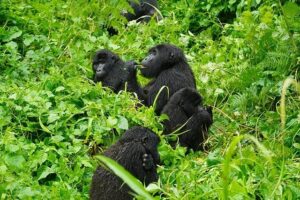
Gorillas can move unexpectedly.
Even when trackers have information about the family’s approximate location, the animals may have moved by the time the trekking group reaches the area.
Dense Vegetation
Even when you are relatively close to a gorilla family, thick vegetation may initially make it difficult to see the animals.
Sometimes you may hear movement or see vegetation shaking before you actually spot a gorilla.
What Happens During the Trek If the Gorillas Are Difficult to Find?
Your guide and trackers will normally continue searching.
Experienced trackers look for fresh signs indicating where the gorillas have moved. The search may involve changing direction or following trails through the forest.
The trekking team works together to locate the assigned gorilla family while observing park rules and safety requirements.
Your guide may also communicate with trackers who are ahead of the group.
This is one reason why choosing an experienced safari operator and following your guide’s instructions is important.
What If You Spend Hours Searching?
Gorilla trekking can vary significantly in duration.
Some groups may find their gorilla family relatively quickly, while others may hike for several hours before reaching them.
The duration depends on factors such as:
Location of the gorilla family, Terrain, Weather, Gorilla movements, Fitness of trekkers Forest conditions
The trek is therefore not simply a matter of walking to a fixed viewing location.
It is a genuine wildlife-tracking experience.
What Happens Once You Find the Gorillas?
Once the gorilla family is located, your guide will explain the rules for approaching and observing them.
You are expected to follow instructions regarding:
Distance from the gorillas, Flash photography, Noise, Movement, Eating, Drinking, Personal hygiene, Appropriate behavior around the animals
The official rules are designed to protect both visitors and the gorillas.
The encounter is normally limited to a specific viewing period, so it is important to make the most of your time while remaining respectful of the animals.
What If You Never Find the Gorilla Family?
This is the question many travelers worry about.
If the gorilla family cannot be located during your trek, do not automatically assume that you will receive a refund or another permit.
The outcome can depend on the circumstances and the applicable policies of the relevant wildlife authority at the time of your trek.
For Uganda, travelers should confirm the current position directly with the Uganda Wildlife Authority (UWA) or through their authorized safari operator before traveling.
Policies can change, so it is important not to rely on old information found online.
Does UWA Guarantee a Gorilla Sighting?
It is important to distinguish between providing a managed trekking experience and guaranteeing that a wild animal will be visible.
UWA manages gorilla tourism in Uganda, including gorilla permits and protected-area activities. The fact that a traveler has purchased a permit does not turn gorillas into captive animals that must appear at a particular location.
A permit gives you authorization to participate in the gorilla trekking experience under the applicable regulations.
Therefore, travelers should approach gorilla trekking with the understanding that wildlife encounters involve an element of unpredictability.
Can You Get a Gorilla Trekking Refund If You Don’t See Gorillas?
This is one of the most frequently asked questions.
The answer should be checked against the current permit terms and UWA policies applicable to your trek.
Do not assume that failure to see gorillas automatically means a full refund.
Gorilla trekking involves substantial conservation, park management, staffing and permit arrangements, and refund policies have specific conditions.
Before booking, ask your tour operator:
“What happens if our group does not locate the gorilla family during the trek?”
A reputable operator should explain the current policy rather than making promises.
Can You Get Another Trek?
In some circumstances, travelers may ask whether they can participate in another trek.
However, a second trek should not be assumed to be automatically included with your original permit.
If you want to trek again, you may need to purchase another permit subject to availability and the applicable rules.
This is particularly important for travelers with tight itineraries.
For example, if your itinerary contains only one day in Bwindi before flying out of Uganda, you may not have enough time to arrange another trek even if permits are available.
Why You Should Consider Adding Extra Days
If seeing mountain gorillas is one of the main purposes of your Uganda trip, consider building some flexibility into your itinerary.
Instead of creating an extremely tight schedule, you could allow additional time around Bwindi or Mgahinga.
Extra time can also make your trip more enjoyable because Uganda has many other attractions to explore.
Depending on your route, you could combine gorilla trekking with:
Queen Elizabeth National Park, Ishasha sector, Lake Bunyonyi, Kibale Forest, Golden monkey trekking, Batwa cultural experiences, Wildlife safaris, Birding, Scenic drives through southwestern Uganda
This means your trip can still be memorable even if wildlife encounters do not happen exactly as expected.
How to Increase Your Chances of Seeing Gorillas
Although no responsible operator should promise a guaranteed sighting, you can take practical steps to prepare for your trek.
Book a Habituated Gorilla Trek
Gorilla trekking focuses on habituated gorilla families that are accustomed to controlled human presence.
This makes encounters possible while supporting conservation and research.
Use an Experienced Safari Operator
A knowledgeable operator can help you organize:
Gorilla permits, Transport, Accommodation, Park arrangements, Guides, Trekking schedules, Appropriate itinerary timing
For travelers unfamiliar with Uganda, professional planning can make the experience much easier.
Allow Enough Time in Your Itinerary
Avoid scheduling your gorilla trek immediately before an important international flight whenever possible.
Give yourself enough time to enjoy the region without rushing.
Prepare Physically
Gorilla trekking can be physically demanding.
Walking and hiking regularly before your trip can help you prepare for:
Steep terrain, Long walks, Uneven ground, Mud, High humidity, Forest conditions
Carry the Right Equipment
Useful items include:
Waterproof hiking boots, Long trousers, Long-sleeved clothing, Rain jacket, Gardening gloves, Hat, Insect repellent, Reusable water bottle, Small backpack, Camera, Extra batteries or power bank
Your safari operator can provide additional recommendations based on your itinerary.
What If You Only Get a Brief Gorilla Sighting?
Not every gorilla encounter looks like the photographs you see online.
You might see a gorilla:
Sitting in vegetation, Moving through trees, Walking across a trail, Resting, Feeding, Partially hidden by leaves, Moving away shortly after you arrive
This is normal wildlife behavior.
Even a brief encounter can be incredibly meaningful.
Rather than expecting a perfect photographic opportunity, remember that you are entering the natural habitat of wild mountain gorillas.
What If the Gorillas Are Hidden?
Dense vegetation can sometimes make photography difficult.
You may hear a gorilla before seeing it.
Your guide may point out an animal that is partially concealed by leaves or vegetation.
Try not to become frustrated.
Gorilla trekking is not a zoo visit where animals are positioned for visitors. Their natural behavior and habitat are part of the experience.
What If You Become Tired Before Finding the Gorillas?
Tell your guide if you are struggling.
Your safety is important.
Gorilla trekking can be challenging, especially on steep terrain. Travelers should not feel embarrassed about communicating with their guide when they need a short rest.
Before booking, discuss your fitness level and any mobility considerations with your tour operator so that appropriate arrangements can be considered.
Is Gorilla Trekking Still Worth It If You Are Worried About Missing the Gorillas?
For many travelers, the experience involves much more than the final sighting.
You are entering an ancient African rainforest, following experienced trackers and learning about mountain gorillas and their environment.
The journey itself includes:
Forest scenery, Birdlife, Butterflies, Plants, Other wildlife, Local communities, Conservation stories, Traditional knowledge
Of course, the gorilla encounter is the major highlight for most visitors, but understanding the entire experience can help you appreciate the trek.
Why Gorilla Trekking Supports Conservation
Gorilla tourism plays an important role in supporting conservation and local tourism economies.
Permit revenues and tourism-related activities contribute to the management of protected areas and create economic opportunities around gorilla destinations.
Tourism also gives communities and governments economic reasons to protect the forests and wildlife.
By following trekking rules, visitors become part of a carefully managed tourism system intended to protect these endangered great apes.