
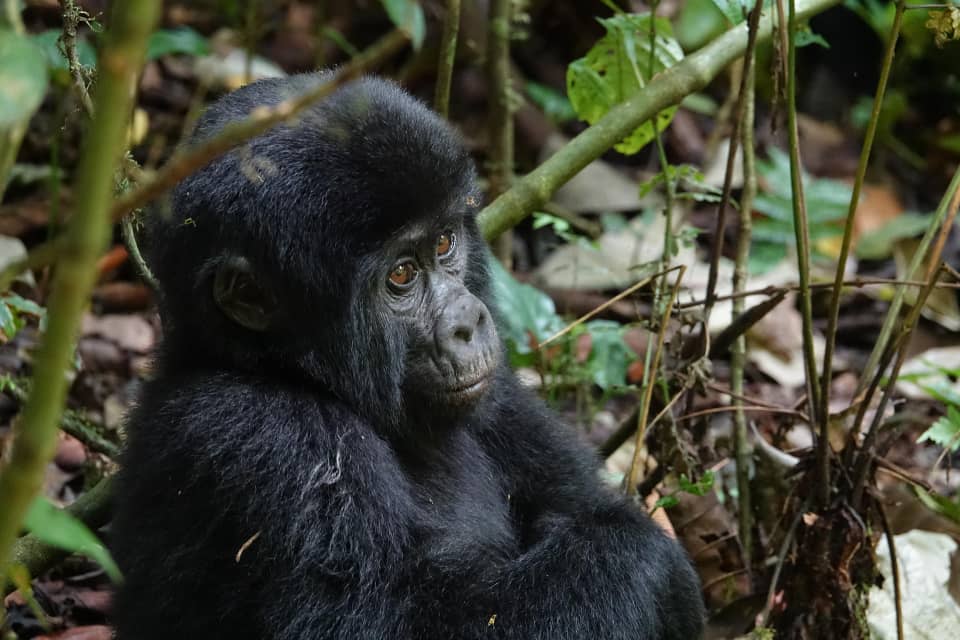
This guide takes you through the gorilla trekking booking process in Uganda and Rwanda: how far ahead to book, what to do if permits are sold out, changing your date and avoiding booking scams. Gorilla trekking is one of Africa’s most unforgettable wildlife experiences. Walking through the misty forests of Uganda or Rwanda and coming face-to-face with endangered mountain gorillas is a dream for many travelers.
However, planning a gorilla trekking adventure involves more than simply choosing a travel date and booking a hotel. Gorilla permits are limited, trekking locations require advance planning, and your accommodation, transportation, and safari itinerary all need to work together.
For first-time visitors, the booking process can therefore seem complicated.
The good news is that with proper planning, booking a gorilla trekking safari can be straightforward.
This complete guide explains how to book gorilla trekking in Uganda and Rwanda, when to book, how permits work, what information you need, what happens after booking, and how to prepare for your trek.
What Is Gorilla Trekking?
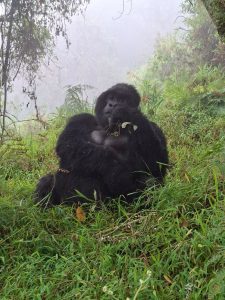
Gorilla trekking is a guided wildlife experience in which visitors hike through the natural habitat of mountain gorillas in search of a habituated gorilla family.
In Uganda, gorilla trekking takes place in:
Bwindi Impenetrable National Park, Mgahinga Gorilla National Park
In Rwanda, gorilla trekking takes place in:
Volcanoes National Park
Visitors are accompanied by trained guides and park rangers who help locate the gorillas and ensure that trekking and wildlife-viewing rules are followed.
Because gorilla trekking involves a limited number of visitors each day, travelers need a valid gorilla trekking permit before participating.
Step 1: Decide Where You Want to Trek
The first step in the booking process is choosing your gorilla trekking destination.
Gorilla Trekking in Uganda
Uganda offers gorilla trekking in Bwindi and Mgahinga.
Bwindi is particularly well known because it has several trekking sectors, including:
Buhoma, Ruhija, Rushaga, Nkuringo
Each sector offers a different trekking environment, and your choice can affect where you stay and how you organize transportation.
Mgahinga offers another opportunity to trek mountain gorillas in the Virunga landscape.
Gorilla Trekking in Rwanda

Rwanda’s gorilla trekking takes place in Volcanoes National Park in the country’s northwest.
The park is part of the larger Virunga mountain ecosystem and is well known for its dramatic volcanic scenery.
Choosing between Uganda and Rwanda should depend on your budget, itinerary, travel preferences, available time, and desired experience.
Step 2: Choose Your Preferred Travel Dates
Once you know where you want to trek, choose your preferred travel dates.
This is one of the most important stages of the booking process.
Gorilla trekking permits are limited, meaning that availability can become a major consideration during popular travel periods.
When choosing your dates, consider:
Your overall safari itinerary, Gorilla permit availability, Accommodation availability, Weather, International flight schedules, Travel time between destinations, Your preferred trekking sector
It is usually better to check gorilla permit availability before paying for non-refundable flights or other major travel arrangements.
Step 3: Check Gorilla Permit Availability
After choosing your preferred dates, the next step is checking whether gorilla permits are available.
A gorilla permit gives you authorization to participate in a gorilla trekking experience on a particular date.
Permit availability is one of the most important factors in planning your safari.
If your preferred date is unavailable, you may need to:
Choose another date, Consider another trekking sector, Adjust your accommodation, Modify your wider safari itinerary
This is why booking early is strongly recommended, particularly for popular travel periods.
Step 4: Decide Between Gorilla Trekking and Gorilla Habituation
Uganda offers another option for travelers interested in spending more time observing gorillas: the gorilla habituation experience.
Standard gorilla trekking generally provides a limited period with the gorilla family once the group is located.
The habituation experience is designed to allow visitors to spend considerably more time with a gorilla group undergoing habituation.
It is a different experience and has different permit arrangements and costs.
If you are particularly interested in photography, research, gorilla behavior, or spending additional time in the forest, ask your tour operator whether a habituation experience is appropriate for your trip.
Step 5: Book Your Gorilla Permit
Once availability has been confirmed, the permit booking can be arranged.
For travelers using a tour operator, the operator can usually handle the permit arrangements on their behalf.
This is one of the biggest advantages of using an experienced local safari company.
Your tour operator can help coordinate:
Gorilla permit booking, Trekking date, Trekking location, Accommodation, Transportation, Guides, Meals, Additional safari activities
If you are arranging the permit yourself, make sure you understand the current official booking procedures and payment requirements.
Always confirm current permit prices and booking rules before making payment because tourism regulations and fees can change.
Step 6: Provide Your Passport Details
When arranging a gorilla permit, travelers are normally required to provide identification details.
Your tour operator may request information such as:
Full name, Passport number, Nationality, Date of birth, Travel dates
Make sure the information you provide is accurate.
Your passport details should match your travel documentation.
If your passport is being renewed or you do not yet have the final passport number, speak with your tour operator before booking so you understand the applicable requirements.
Step 7: Pay for Your Gorilla Permit
Once the permit arrangements have been confirmed, payment is required according to the applicable booking terms.
The exact payment process depends on whether you book directly or through a tour operator.
If booking through a safari company, ask for a clear quotation showing:
Gorilla permit cost, Accommodation, Transportation, Guide services, Meals, Other activities, Any additional fees
Understanding what is included prevents unpleasant surprises later.
Step 8: Choose Your Accommodation
After securing your gorilla permit, choose accommodation close to your trekking location.
This is especially important in Bwindi because the park has different trekking sectors.
For example, if you are trekking from Buhoma, it is usually convenient to stay around Buhoma rather than choosing accommodation several hours away.
The same principle applies to Ruhija, Rushaga, Nkuringo, Mgahinga, and Volcanoes National Park.
Accommodation options may include:
Budget lodges, Mid-range lodges, Luxury lodges, Guesthouses, Campsites
Your choice will depend on your budget and preferred level of comfort.
Step 9: Plan Your Transportation
Gorilla trekking destinations are not immediately next to major international airports.
Travelers therefore need to plan transportation carefully.
For Uganda, common routes include:
Entebbe/Kampala → southwestern Uganda → Bwindi or Mgahinga
For Rwanda, many travelers travel:
Kigali → Volcanoes National Park
Depending on your itinerary, you may travel by:
Safari vehicle, Private vehicle, Scheduled transport, Domestic flight combined with road transportation
A private safari vehicle is particularly convenient for travelers combining gorilla trekking with other wildlife destinations.
Step 10: Plan Your Pre-Trek Night
It is highly recommended to arrive near the gorilla trekking destination before the trekking day.
Avoid planning a long journey on the morning of your trek if possible.
For example, if your gorilla trek is scheduled for early morning, staying near the park headquarters the previous night can reduce stress and help you arrive on time.
Your tour operator can organize accommodation based on your trekking sector and itinerary.
Step 11: Confirm Your Trekking Sector
If you are trekking in Bwindi, confirm which sector your permit is associated with.
The main sectors include:
Buhoma
Buhoma is one of Bwindi’s best-known trekking areas and has a long history of gorilla tourism.
Ruhija
Ruhija is located on the eastern side of Bwindi and is known for its forest scenery and gorilla trekking opportunities.
Rushaga
Rushaga is located in southern Bwindi and is also associated with gorilla habituation experiences.
Nkuringo
Nkuringo is known for steep terrain and beautiful views across the surrounding landscapes.
Knowing your sector is important because it affects where you should stay and how you should arrange transportation.
Step 12: Prepare for the Gorilla Trek
Once your booking is confirmed, begin preparing physically and practically.
Important items to pack include:
Sturdy hiking boots, Long trousers, Long-sleeved shirts, Waterproof jacket, Gardening or hiking gloves Hat, Water bottle, Backpack, Insect repellent, Sunscreen, Camera, Extra batteries or power bank, Binoculars, Snacks, Personal medication, Walking poles if desired
A porter can also be hired to carry your backpack and provide assistance during difficult sections of the trail.
Step 13: Prepare Physically
Gorilla trekking can be physically demanding.
The duration and difficulty of the trek depend largely on where the gorilla family is located on the day of your trek.
You may encounter:
Steep slopes, Mud, Dense vegetation, Uneven terrain, Tree roots, Wet trails, Long uphill sections
You do not need to be an elite athlete, but reasonable physical preparation can make your experience much more enjoyable.
Walking, hiking, climbing stairs, and regular cardiovascular exercise before your trip can be useful.
Step 14: Hire a Porter
Hiring a porter is one of the best ways to make gorilla trekking more comfortable.
Your porter can carry your:
Backpack, Water, Packed lunch, Rain gear, Extra clothing, Camera equipment, Other personal belongings
Hiring a porter also provides income to people living around the gorilla habitat.
For many travelers, this makes porter services worthwhile both for convenience and community support.
Step 15: Attend the Pre-Trek Briefing
On the morning of your trek, you will normally report to the relevant park headquarters or designated meeting point.
Before entering the forest, guides and park staff provide important information about:
Trekking procedures, Gorilla behavior, Safety, Photography, Distance from gorillas, Environmental protection, What to do during the gorilla encounter
Pay close attention to the briefing.
Following the rules helps protect both visitors and gorillas.
Step 16: Begin Your Gorilla Trek
After briefing and group arrangements, you begin walking into the forest.
The trek can vary significantly from one day to another.
Some groups may be located relatively close to the trailhead, while others may have moved deeper into the forest.
Your guides and trackers work to locate the gorilla family.
The journey itself is part of the experience.
Along the way, you may encounter:
Birds, Butterflies, Monkeys, Forest plants, Trees, Beautiful landscapes, Signs of wildlife
Step 17: Meet the Mountain Gorillas
Finding the gorillas is the highlight of the experience.
Once the gorilla family is located, your group spends the permitted viewing time observing them.
You may see gorillas:
Feeding, Resting, Grooming, Playing, Climbing, Moving through vegetation, Interacting with one another
Your guide will explain appropriate behavior and photography practices.
Remember that gorillas are wild animals.
Always maintain the required distance and follow ranger instructions.
Step 18: Return From the Forest
After the gorilla viewing experience, you begin the journey back to the trailhead.
The return journey can be just as interesting as the trek into the forest.
You may have time to appreciate the landscape, take photographs of the forest, and discuss your experience with your guide and fellow travelers.
Once you return, you can continue with your safari itinerary or relax at your lodge.
How Far in Advance Should You Book Gorilla Trekking?
There is no single booking period that works for every traveler.
However, booking as early as possible is advisable, particularly when:
Traveling during peak periods, You have fixed travel dates, You want a particular trekking sector, You are traveling as a group, You want specific accommodation, You are combining gorilla trekking with a detailed safari itinerary
Last-minute availability may sometimes exist, but travelers should not depend on it.
If gorilla trekking is the main purpose of your trip, secure your permit before building the rest of the itinerary around it.
Can You Book a Gorilla Trekking Safari at the Last Minute?
Sometimes, but availability is not guaranteed.
Last-minute booking can work when permits remain available, but you may have fewer choices regarding:
Trekking dates, Trekking sectors, Accommodation, Safari vehicles, Flights, Preferred itinerary
Travelers with flexible dates may have a better chance of finding an available permit.
However, advance booking remains the safer option.
Can You Change Your Gorilla Trekking Date?
Gorilla permit rescheduling policies depend on the destination and the applicable rules at the time of booking.
If your travel plans change, contact your tour operator or the relevant park authority as soon as possible.
Do not assume that a permit can automatically be transferred to another date.
Ask about:
Rescheduling, Cancellation, Refund conditions, Date changes, Name changes, Other applicable restrictions
Always confirm the current policy before making payment.
What Happens If Gorilla Permits Are Sold Out?
If your preferred date is unavailable, do not immediately cancel your entire safari.
Ask your tour operator about alternative options.
You may be able to:
Choose another date., Trek on a different available date., Consider another trekking sector where appropriate., Adjust your accommodation., Modify the rest of your safari itinerary.
Flexibility can be extremely helpful when booking gorilla trekking.
Booking Gorilla Trekking Through a Tour Operator like Fuga tours and travel
For many international travelers, using a reputable local tour operator like Fuga tours and travel is the easiest way to organize a gorilla trekking safari.
A tour operator can coordinate the different parts of your trip instead of requiring you to make multiple separate bookings.
A good operator can help with:
Gorilla permits
Accommodation
Airport transfers
Safari transportation
Gorilla trekking logistics
Porters
Meals
Park activities
Other national parks
Border crossings
Flights or domestic connections
Safari extensions
This can save you considerable time and reduce the risk of logistical problems.
Questions to Ask Your Tour Operator Before Booking
Before paying for your gorilla safari, ask the following questions:
Is the gorilla permit included?
Confirm whether the quotation includes the permit or whether it is an additional cost.
Which trekking sector will I visit?
This is particularly important for Bwindi.
What accommodation is included?
Ask for the lodge name and accommodation category.
What type of vehicle will we use?
Ask whether the safari is private or shared.
Are meals included?
Confirm what meals are included during the safari.
Is airport transfer included?
This can be important if you are arriving through Entebbe or Kigali.
Is a porter included?
Porter services are generally an additional consideration, so clarify the arrangement.
What happens if my travel dates change?
Ask about the current cancellation and rescheduling conditions.
What is not included?
A transparent quotation should clearly explain exclusions.
How to Avoid Gorilla Trekking Booking Scams
Gorilla trekking is a significant investment, so travelers should carefully verify who they are booking with.
Before sending money:
Research the tour company., Check its website and contact information., Ask for a detailed itinerary., Request a clear quotation., Confirm what is included., Ask how the gorilla permit will be secured., Request proof or confirmation of the booking where applicable., Avoid suspiciously cheap offers., Keep copies of receipts and correspondence.
A professional safari company should be willing to explain the booking process clearly.
Gorilla Trekking Booking Checklist
Use this checklist when planning your trip:
Before booking
Choose Uganda or Rwanda, Select your preferred travel dates, Decide between trekking and habituation where applicable, Check gorilla permit availability, Choose your trekking sector, Set your safari budget, Choose a reputable tour operator
After booking
Confirm your gorilla permit, Book accommodation, Arrange transportation, Confirm airport transfers, Check passport validity, Check visa requirements, Arrange travel insurance, Prepare hiking equipment Consider hiring a porter, Prepare physically
Before trekking
Confirm meeting point, Attend the briefing, Carry enough drinking water, Carry rain gear, Wear suitable hiking footwear, Keep valuables secure, Follow ranger instructions
Frequently Asked Questions About Gorilla Trekking Booking
How much does gorilla trekking cost?
The total cost depends on the destination and the type of safari you choose. Your overall budget normally includes the gorilla permit, accommodation, transportation, meals, guide services, and other activities.
Permit prices and tourism fees can change, so always confirm current rates before booking.
Do I need a gorilla permit?
Yes. Visitors participating in gorilla trekking require an appropriate permit.
Can I book a gorilla permit myself?
Depending on the destination and current booking procedures, independent travelers may be able to arrange permits directly. However, many international visitors choose to work with a local tour operator to simplify the process.
How early should I book?
The earlier you book, the better your chances of getting your preferred date, especially during busy travel periods.
Can children go gorilla trekking?
Minimum age requirements apply and can differ depending on the country and applicable regulations. Always confirm the current requirements before booking.
Can I trek gorillas without a tour operator?
It may be possible to arrange individual components yourself, but a tour operator can simplify transportation, accommodation, permits, and other logistics.
Do I need to be very fit?
You should be prepared for potentially steep and muddy terrain. Your fitness level should match the nature of the trek, and travelers with mobility concerns should discuss their circumstances with their tour operator before booking.
Should I hire a porter?
Hiring a porter is highly recommended for travelers who want to reduce the physical burden of carrying a backpack. It also supports local employment around the gorilla habitat.
Final Thoughts: Book Your Gorilla Trekking Adventure Early
Booking a gorilla trekking experience requires careful planning, but the process becomes much easier when you take it step by step.
Start by choosing your destination and travel dates. Then check permit availability, secure your gorilla permit, arrange accommodation and transportation, and prepare properly for the trek.
The most important lesson is simple:
Secure your gorilla permit before building the rest of your safari around it.
Gorilla trekking is a once-in-a-lifetime experience for many travelers. Proper planning gives you a better chance of getting your preferred trekking date, accommodation, and itinerary while reducing unnecessary stress.
Whether you choose Bwindi or Mgahinga in Uganda, or Volcanoes National Park in Rwanda, working with an experienced local safari operator can make the entire booking process easier.
Ready to Plan Your Gorilla Trekking Safari?
From securing your gorilla permit to arranging accommodation, transportation, airport transfers, park activities, and experienced guides, a well-organized safari helps you concentrate on what matters most—enjoying your encounter with the mountain gorillas.
Start planning your gorilla trekking adventure today and turn your dream of seeing mountain gorillas in the wild into reality.