Masai Mara National Reserve, Kenya
The Masai Mara National Reserve is Kenya's best-known safari park: open grassland full of lions, leopards and cheetahs, and from about July…
Kenya national parks are some of the best places in Africa for open-plains game viewing, and the classic circuit from Nairobi can be done in about a week.
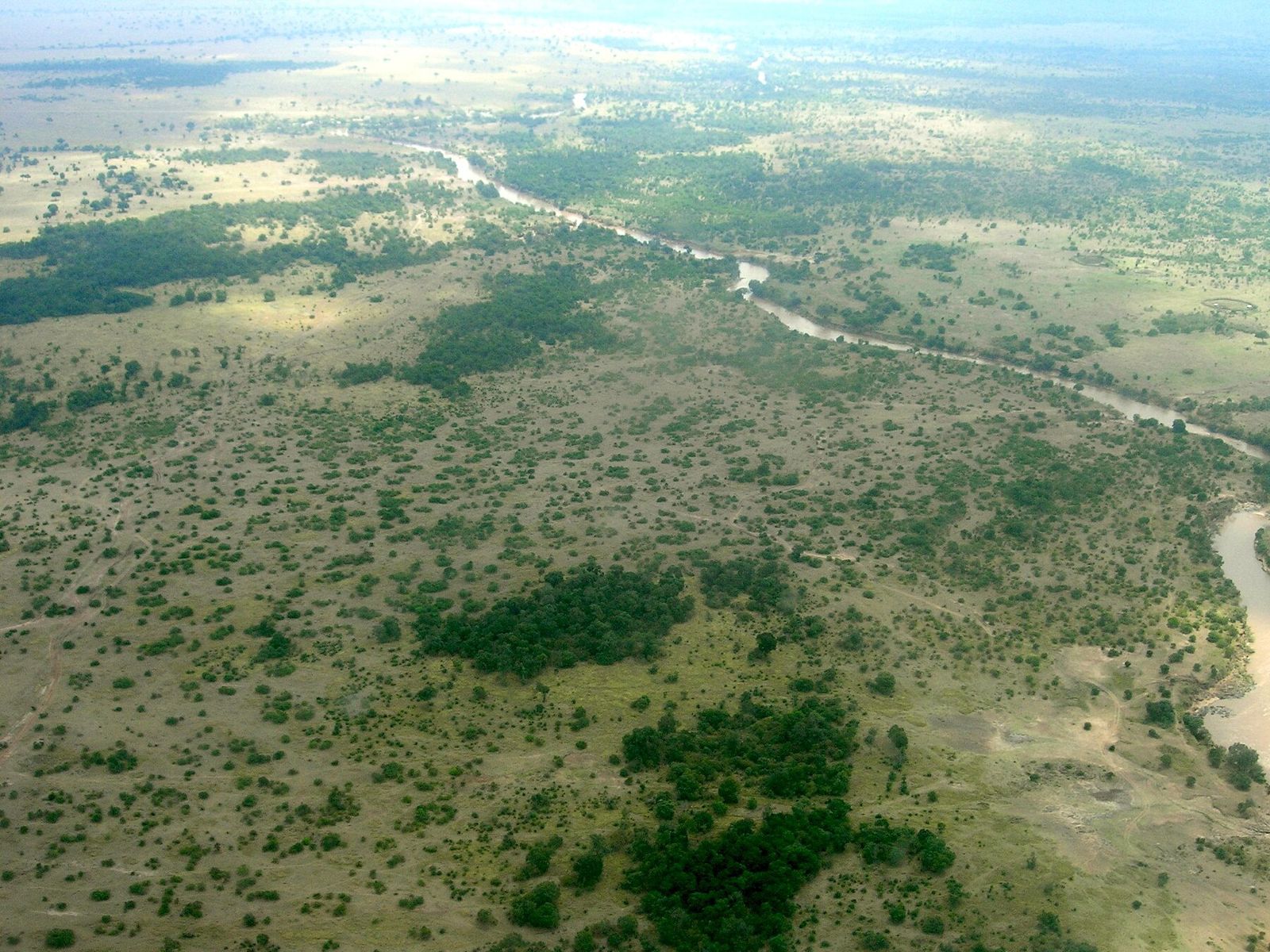
Kenya protects a large share of its land in national parks, national reserves and private or community conservancies. National parks are run by the Kenya Wildlife Service, while national reserves such as the Masai Mara and Samburu are run by the county governments. Conservancies are leased from local Maasai and Samburu landowners and limit the number of vehicles, which is why they feel quieter.
For most travellers, a Kenya safari is built around the Masai Mara, then one or two parks that add something different: Amboseli for elephants under Kilimanjaro, Lake Nakuru for rhinos in the Rift Valley, or Samburu for the dry north and its unusual species. All four are reachable by road from Nairobi, and the Mara, Amboseli and Samburu also have airstrips with scheduled flights.
Lions, leopards and cheetahs on open grassland, and the Great Migration from about July to October. 5–6 hrs from Nairobi, or a short flight.
Big elephant herds, swamps full of birds and the best views of Kilimanjaro in East Africa. 4–5 hrs from Nairobi.
A Rift Valley lake with black and white rhinos, Rothschild's giraffes and viewpoints over the water. About 3 hrs from Nairobi.
Dry northern country along the Ewaso Nyiro River, with Grevy's zebra, reticulated giraffe, Beisa oryx and gerenuk. About 6 hrs from Nairobi.
The last two northern white rhinos, black rhinos, the Big Five and Kenya's only chimpanzees. 3–4 hrs from Nairobi.
Hippo boat trips, walking among giraffes on Crescent Island and cycling in Hell's Gate. About 2 hrs from Nairobi.
Kenya's largest wilderness, with red elephants and Mzima Springs, between Nairobi and the coast.
Lions, rhinos and giraffes on the edge of the city, ideal on an arrival or departure day.
| If you want | Go to |
|---|---|
| Big cats and the best chance of a kill | Masai Mara |
| The wildebeest migration and river crossings | Masai Mara, roughly July to October |
| Elephants with Kilimanjaro behind them | Amboseli |
| Rhinos | Lake Nakuru or Ol Pejeta |
| Walking and cycling among animals | Lake Naivasha and Hell's Gate |
| A safari before the beach | Tsavo |
| Species you will not see further south | Samburu |
| A short add-on to a Uganda gorilla trip | The Masai Mara, flying in from Nairobi |
Three to four days is enough for the Masai Mara on its own. A week lets you add Lake Nakuru and Amboseli, which is the classic first Kenya circuit. With ten days or more you can add Samburu in the north, either by road through the central highlands or by flying, usually with a night at Ol Pejeta on the way. Tsavo pairs well with Amboseli and the coast, and Lake Naivasha is an easy stop between Nairobi and the Mara.
The drive between the Mara and Amboseli is long because it goes back through the Nairobi area, so many itineraries break it with a night at Lake Nakuru or fly part of the way. Our Kenya safari tours show the routes we use, and each day links to the lodges on that route in our Kenya safari lodges guide.
Nairobi is about an hour's flight from Entebbe and from Kigali, so Kenya pairs well with gorilla trekking. A common plan is to trek gorillas in Bwindi or Volcanoes first, then fly to Nairobi and on to the Masai Mara for big cats and savannah. See Uganda and Kenya safaris for how we put the two together.
The main dry seasons, from late June to October and from January to February, are the easiest time for game viewing in all the main parks. See the best time to visit Kenya and our Kenya travel guide. The long rains usually fall from about April to May and the short rains around November. Parks stay open in the rains, roads can be slower, and some camps close for part of the long rains.
National parks such as Amboseli and Lake Nakuru are run by the Kenya Wildlife Service. National reserves such as the Masai Mara and Samburu are run by the county governments, and local people keep some rights to use the land around them.
The Masai Mara. It has the most big cats, open plains that make animals easy to see, and plenty of lodges at every level.
Three or four days for the Masai Mara alone, and about a week to add Lake Nakuru and Amboseli.
Yes. Fly between Entebbe or Kigali and Nairobi, which takes about an hour, and add the Mara before or after your gorilla trek.
Yes. Some camps close during the long rains, usually around April and May, but the parks themselves stay open.
The Masai Mara National Reserve is Kenya's best-known safari park: open grassland full of lions, leopards and cheetahs, and from about July…
Amboseli National Park is where you see big elephant herds walking across open plains with Mount Kilimanjaro rising behind them.
Lake Nakuru National Park is a Rift Valley lake surrounded by woodland and cliffs, and one of the best places in Kenya…
Lake Naivasha is a freshwater lake in the Rift Valley where you can take a boat out among hippos, walk with giraffes…
Samburu National Reserve is dry, red-earth country in northern Kenya, where elephants gather along the Ewaso Nyiro River and you see animals…
Ol Pejeta Conservancy is a private wildlife reserve below Mount Kenya, home to the last two northern white rhinos, a large black…
Tsavo is Kenya's largest wilderness, split into Tsavo East and Tsavo West national parks, known for elephants coloured red by the dust…
Nairobi National Park is a real safari park on the edge of Kenya's capital, where lions, rhinos and giraffes live with the…
This 3-day Masai Mara safari from Nairobi gives you two nights in Kenya's best-known reserve, with a full day of game drives…
This 4-day Masai Mara fly-in safari replaces the long road trip with a short light-aircraft flight from Nairobi, giving you three nights…
This 6-day Kenya safari covers the classic first circuit from Nairobi: big cats in the Masai Mara, rhinos at Lake Nakuru and…