
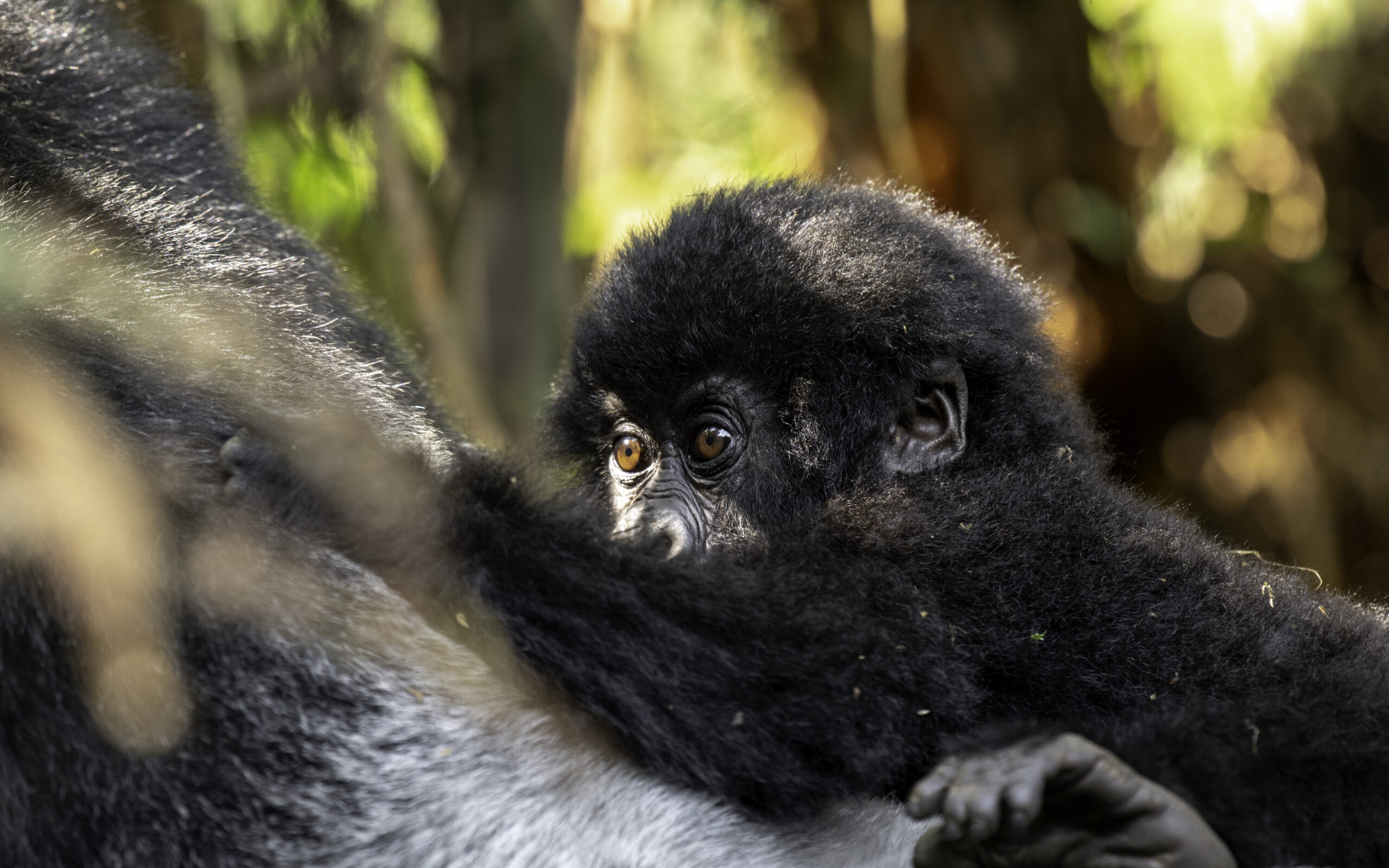
Gorilla trekking in Uganda is one of Africa’s most extraordinary wildlife experiences. Walking through the ancient forests of Bwindi Impenetrable National Park or Mgahinga Gorilla National Park in search of endangered mountain gorillas offers travelers the chance to observe these remarkable primates in their natural habitat.
One of the most important decisions when planning a gorilla trekking safari is when to go. Should you visit during the dry-season peak months when conditions are generally easier, or should you choose the low season when there may be fewer travelers and potentially more attractive safari deals?
The answer depends on your budget, travel flexibility, tolerance for rain and muddy trails, and the type of safari experience you want.
This guide explains the pros and cons of peak-season and low-season gorilla trekking in Uganda, helping you choose the best time for your adventure
What Is Peak Season for Gorilla Trekking?
Peak season generally refers to the busiest travel periods when demand for gorilla trekking is highest.
In Uganda, the main dry seasons are generally:
- June to September
- December to February
These months are traditionally popular because rainfall tends to be lower than during the wetter seasons. However, Bwindi is a tropical rainforest, so rain is possible at any time of year.
Peak season usually attracts more international visitors because travelers often prefer combining favorable trekking conditions with holidays and school breaks.
Why is peak season popular?
The main attraction is the combination of:
- Generally drier trekking conditions
- Better walking conditions on forest trails
- Greater demand for safari holidays
- Easier planning for travelers with fixed vacation dates
- Good conditions for combining gorilla trekking with other Uganda destinations
Peak season can therefore be ideal for first-time visitors who want to reduce the likelihood of persistent rain during their trekking adventure.
What Is Low Season for Gorilla Trekking?
Low season refers to periods when tourist numbers are generally lower.
The wetter months are commonly associated with:
- March to May
- October to November
These periods can experience more frequent rainfall, particularly in the rainforest areas.
However, low season does not mean that gorilla trekking stops.
Gorilla trekking takes place throughout the year, and mountain gorillas remain in the forest regardless of whether it is raining or dry.
In fact, some travelers deliberately choose the low season because they prefer fewer visitors, potentially lower overall safari costs, and a quieter travel experience.
Peak Season vs Low Season at a Glance
| Factor | Peak Season | Low Season |
|---|---|---|
| Tourist numbers | Generally higher | Generally lower |
| Weather | Generally drier | Wetter |
| Trail conditions | Usually easier | Can be muddy and slippery |
| Gorilla trekking | Excellent | Excellent |
| Rain | Still possible | More frequent |
| Safari demand | High | Lower |
| Accommodation demand | Higher | Lower |
| Planning | Book well in advance | More flexibility may be available |
| Photography | Often easier conditions | Rain can create challenges |
| Forest atmosphere | Busy around popular periods | Quieter and more peaceful |
| Budget opportunities | Usually fewer | Potentially more opportunities |
| Flexibility | Useful to book early | Often easier to plan around availability |
Peak Season Gorilla Trekking: Pros Better trekking conditions
One of the biggest advantages of peak season is the generally drier weather.
Although Bwindi is a rainforest and rainfall can occur even during the dry season, travelers often experience more manageable trail conditions.
Dryer trails can make walking through the forest easier, particularly on steep sections.
This is especially important because gorilla trekking is a physical activity that can involve:
- Steep slopes, Uneven terrain, Roots and rocks
- Muddy sections, Dense vegetation,Long periods of walking
For travelers concerned about difficult trail conditions, the dry season can be an attractive option.
When there is less rain, trails may be less slippery.
This can make the trekking experience more comfortable for travelers who are not accustomed to hiking in tropical forests.
However, visitors should still bring appropriate hiking shoes because Bwindi’s terrain can remain muddy even during relatively dry periods.
Good conditions for photography
Peak season can provide favorable conditions for photography.
You may have:
- Better visibility
- Less rain on camera equipment
- More comfortable conditions for changing lenses
- Better opportunities to photograph gorillas without persistent rainfall
That does not guarantee perfect photographs, however. Gorilla sightings take place in a natural forest environment, where vegetation, lighting and weather are unpredictable.
Peak-season travelers often combine gorilla trekking with other destinations such as:
- Queen Elizabeth National Park, Kibale National Park, Lake Bunyonyi
- Murchison Falls National Park, Lake Mburo National Park
- Kidepo Valley National Park, Entebbe, Jinja
The generally favorable weather can make a multi-destination itinerary attractive.
For example, a traveler might combine:
Kibale chimpanzee trekking + Queen Elizabeth safari + Bwindi gorilla trekking + Lake Bunyonyi.
Ideal for travelers with fixed vacation dates
Some travelers cannot easily change their holiday dates because of:
- Work schedules, School holidays, Family commitments
- International flights, Group travel arrangements
For these visitors, peak season can provide a practical opportunity to plan a safari around a fixed itinerary.
Peak Season Gorilla Trekking: Cons
Higher demand
Peak season is popular, meaning accommodation and trekking permits can be in greater demand.
Travelers should therefore avoid waiting until the last minute if they have specific travel dates.
This is particularly important for travelers who want:
- A specific gorilla trekking date, A particular accommodation category
- A preferred trekking sector, A private or customized safari itinerary
Early planning gives your tour operator more flexibility when organizing the trip.
Peak travel periods can be more expensive because accommodation, transport and other tourism services may experience greater demand.
The gorilla permit itself is a major fixed component of the safari budget, but the total cost of your trip also depends on:
- Accommodation, Transportation, Number of safari days, Vehicle type
- Activities, Meal plans, Park fees, Additional destinations
Therefore, travelers working with a limited budget may want to consider low-season travel.
Although gorilla trekking groups are controlled and visitors do not simply wander through the forest independently, popular travel periods can still feel busier around accommodation facilities and tourism centers.
If you prefer a quieter travel environment, low season may be more appealing.
Low Season Gorilla Trekking: Pros
Fewer tourists
One of the biggest advantages of low-season travel is the possibility of experiencing Uganda with fewer visitors.
For travelers who enjoy peaceful environments, this can be a major benefit.
You may appreciate quieter:
- Lodges, Restaurants, Roads, Tourist attractions, Community experiences
The forest itself can also feel particularly peaceful during rainy periods.
Low season can provide opportunities to reduce the overall cost of your safari.
Depending on the accommodation and operator, travelers may find better-value offers on:
- Lodges
- Hotels
- Transport
- Safari packages
However, prices vary by operator and property, so it is important to compare complete safari packages rather than assuming that every service is automatically cheaper.
Lower visitor demand can sometimes make it easier to find accommodation availability.
This can be useful for travelers planning a customized safari or those who have more flexibility with their travel dates.
You may have more choices between:
- Budget accommodation, Mid-range lodges, Luxury lodges
- Guesthouses, Camps
Rain brings life to the rainforest.
During wetter periods, Bwindi can become particularly lush and green, creating beautiful scenery for travelers who enjoy nature photography.
The forest can feel:
- Fresh, Green, Misty
- Dramatic, Wild
For photographers and nature lovers, these conditions can create a very different experience from the dry season.
Low-season travel can appeal to visitors who want to slow down and enjoy Uganda without the feeling of traveling during a busy tourism period.
This can be especially attractive for:
- Couples, Honeymooners Photographers, Nature enthusiasts
- Repeat Uganda visitors, Budget-conscious travelers, Flexible independent travelers
Low Season Gorilla Trekking: Cons
More rain
The biggest disadvantage is obvious: rain.
Bwindi is a rainforest, and rainfall can be unpredictable.
You might start trekking in sunshine and later encounter heavy rain.
This means you should always be prepared with:
- Waterproof hiking boots, Rain jacket, Waterproof backpack cover
- Dry bags, Extra clothes, Waterproof protection for cameras and phones
Rain can make Bwindi’s trails challenging.
Mud can make steep sections slippery, while wet vegetation can brush against trekkers.
Travelers should therefore be physically prepared and use proper hiking footwear.
Hiring a porter is also highly recommended, particularly for travelers who would appreciate assistance with their bags and difficult sections of the trail.
Rain and low forest light can make photography more difficult.
You may encounter:
- Dark forest conditions, Rain droplets on camera equipment
- Mist, Dense vegetation, Moving gorillas, Limited visibility
However, experienced photographers can also use these conditions creatively.
Heavy rainfall can occasionally make roads more challenging, especially on some rural routes.
Travelers should therefore build some flexibility into their itinerary rather than scheduling every activity too tightly.
A professional safari operator can help monitor road and weather conditions and adjust logistics when necessary.
There is no single answer.
The best season depends on your priorities.
Choose peak season if you prioritize:
- Generally drier conditions, Easier hiking, More predictable trekking conditions
- Fixed vacation dates, Combining several destinations, Comfortable hiking conditions
Choose low season if you prioritize:
- Fewer tourists, Potentially better accommodation value, Greater flexibility
- Lush rainforest scenery, A quieter experience, Traveling on a more controlled budget
This is an important question for first-time trekkers.
Gorilla trekking takes place throughout the year, and mountain gorillas do not disappear during the rainy season.
Gorilla families move through their natural habitat according to factors such as food availability, social behavior and daily movements.
Your trekking experience therefore depends on nature rather than simply choosing a particular month.
While weather can affect hiking conditions, there is no guaranteed month when gorillas are easier to see.
The experienced trackers and guides play an important role in locating the gorilla family assigned to your group.
Which Season Is Best for First-Time Gorilla Trekkers?
For a first-time visitor who is concerned about difficult hiking conditions, the drier peak-season periods can be a good choice.
The relatively lower rainfall can make trails more manageable.
However, this does not mean first-time visitors should avoid low season.
Travelers who are comfortable hiking in rain can have an equally memorable experience during the wetter months.
The key is preparation.
With proper clothing, hiking shoes, waterproof equipment and a good guide, wet-season trekking can be an incredible adventure.
Which Season Is Best for Budget Travelers?
If your priority is controlling the total cost of your Uganda safari, consider traveling during a lower-demand period.
However, remember that the gorilla permit is only one part of the safari budget.
Your total cost also depends on:
- Number of trekking permits, Accommodation category, Vehicle and driver-guide
- Number of safari days, Meals, Additional park activities
- Airport transfers, Other destinations included in your itinerary
A good safari company can help design an itinerary that balances your budget with comfort.
What Should You Pack for Peak-Season Gorilla Trekking?
Even during the dry season, prepare for rain.
Your packing list should include:
- Waterproof hiking boots, Long hiking trousers, Long-sleeved shirt
- Lightweight rain jacket, Gardening gloves, Hat, Insect repellent, Sunscreen
- Reusable water bottle, Small backpack, Waterproof backpack cover
- Dry bags, Camera
- Extra batteries or power bank
- Walking poles if needed
- Personal medication
- Snacks
Do not assume that “dry season” means you will not encounter rain.
Bwindi is a tropical rainforest, and weather conditions can change quickly.
What Should You Pack for Low-Season Gorilla Trekking?
For rainy-season trekking, waterproofing becomes even more important.
Consider carrying:
Waterproof jacket
A quality rain jacket can protect you from sudden showers.
Waterproof hiking boots
Choose boots with good ankle support and strong grip.
Dry bags
Use dry bags to protect:
- Phones, Cameras, Passports, Money, Extra clothing
Extra clothes
Wet conditions can leave clothing damp, so carrying an additional set can make your return to the lodge much more comfortable.
Gardening gloves
Gloves can protect your hands when moving through vegetation or holding onto branches on steep sections.
Peak Season vs Low Season for Honeymooners
Couples planning a Uganda gorilla trekking honeymoon should consider their personal travel style.
Peak season may be suitable for couples who want:
- More predictable hiking conditions, A classic Uganda safari ,Gorilla trekking combined with wildlife viewing
- Comfortable lodge stays, A carefully scheduled itinerary
Low season can be attractive to couples who want:
- Fewer tourists, More peaceful surroundings, Potential accommodation value
- Lush scenery, A quieter romantic experience
A honeymoon itinerary can also combine gorilla trekking with destinations such as Lake Bunyonyi, Queen Elizabeth National Park or a relaxing lakeside stay.
Can You Trek Gorillas in Uganda During the Rainy Season?
Yes.
Gorilla trekking continues during the rainy season.
Rain does not automatically cancel your trekking experience.
In fact, some travelers specifically choose the rainy season because they enjoy the dramatic rainforest atmosphere and lower tourist numbers.
The important thing is to arrive properly prepared.
Remember that gorilla trekking is a genuine wilderness experience. Weather, terrain and animal movements cannot be completely controlled.
That unpredictability is part of what makes the adventure special.
Tips for Choosing the Right Gorilla Trekking Season
Consider your budget
If you are working with a strict budget, ask your safari operator about lower-season travel and accommodation options.
Consider your fitness
If you are worried about slippery and muddy trails, a drier period may be preferable.
Consider your travel dates
If you can only travel during a particular month, do not worry too much about the season. Gorilla trekking is available throughout the year.
Book your permit early
Gorilla trekking permits are limited, so advance planning is recommended, particularly for popular travel periods.
Choose the right trekking sector
Uganda’s gorilla trekking experience differs between areas of Bwindi and Mgahinga. Your tour operator can help recommend a sector based on your itinerary, accommodation and interests.
Hire a porter
A porter can be extremely helpful on steep or muddy trails. You also contribute directly to local livelihoods by hiring one.
Be prepared for rain at any time
Even during the dry season, carry rain protection.
Peak Season vs Low Season: Which One Should You Choose?
Ultimately, both seasons offer an incredible opportunity to experience Uganda’s mountain gorillas.
Choose peak season if:
- You prefer generally drier weather., You want easier trail conditions.
- You have fixed vacation dates., You are planning a multi-destination safari.
- You prefer to minimize the chance of heavy rainfall.
Choose low season if:
- You prefer fewer tourists., You have flexible travel dates., You want to look for better-value accommodation.
- You enjoy lush rainforest scenery, You do not mind trekking in wet conditions.
There is no universally “perfect” month for gorilla trekking. The best season is the one that matches your budget, schedule, fitness level and travel preferences.
Plan Your Uganda Gorilla Trekking Adventure
Whether you choose peak season or low season, gorilla trekking in Uganda is an unforgettable wildlife experience.
Walking through the ancient forests of Bwindi or Mgahinga, following experienced trackers and eventually coming face-to-face with a family of endangered mountain gorillas is an experience that stays with you long after you leave Uganda.
The most important thing is to plan properly, obtain your gorilla trekking permit in advance, choose suitable accommodation, pack for changing weather and work with an experienced safari operator.
Ready to plan your Uganda gorilla trekking adventure?
Book or plan your gorilla safari with Fuga Tours and Travel and let our team help you create a Uganda itinerary that matches your preferred travel season, budget, accommodation level and interests.
Whether you want a budget gorilla trekking safari, mid-range adventure, luxury gorilla experience, honeymoon safari, family trip or Uganda-Rwanda combination, we can help you plan a memorable journey through Uganda.
Frequently Asked Questions About Peak and Low Season Gorilla Trekking
1. What is the best season for gorilla trekking in Uganda?
The dry seasons of June to September and December to February are generally popular because trekking conditions are often more manageable. However, gorilla trekking is possible throughout the year.
2. Is gorilla trekking possible during the rainy season?
Yes. Gorilla trekking continues during rainy periods. You should simply prepare for wet and muddy conditions.
3. Is low-season gorilla trekking cheaper?
It can provide better-value accommodation and safari arrangements, depending on the lodge and tour operator. However, the gorilla permit remains a significant fixed safari expense.
4. Are gorillas easier to see during the dry season?
Not necessarily. Gorilla movements depend on natural factors, and sightings cannot be guaranteed based solely on the season.
5. Does it rain every day during the low season?
No. Rainfall patterns are unpredictable. You may experience sunshine, rain or changing conditions during the same trekking day.
6. Is peak season better for photography?
It can provide more favorable weather conditions, but rainforest photography is unpredictable. Even during peak season, you should prepare for rain and low-light conditions.
7. Should I avoid gorilla trekking during the rainy season?
Not necessarily. If you are comfortable hiking in wet conditions, low-season trekking can be an excellent choice.
8. When should I book my Uganda gorilla trekking safari?
It is advisable to plan and book well in advance, especially if you have specific travel dates, accommodation preferences or a larger group.
Final Takeaway
Peak season offers generally drier conditions and easier trekking, while low season offers fewer tourists, lush rainforest scenery and potential value advantages.
Neither season guarantees a better gorilla encounter.
The most important factors are good preparation, choosing the right itinerary, obtaining your permit early and traveling with an experienced safari operator.
Whichever season you choose, Uganda’s mountain gorillas provide one of the most remarkable wildlife experiences in Africa.