
Money-Saving Tips for a Uganda Gorilla Safari on a Budget, Planning a Uganda gorilla safari on a budget? You do not necessarily need a luxury travel budget to experience mountain gorillas in the misty forests of Uganda.
Gorilla trekking is one of Africa’s most memorable wildlife experiences, but the total cost can become significant once you add accommodation, transportation, meals, permits, park fees, travel insurance and other travel expenses.
The good news is that there are several practical ways to reduce the overall cost of a Uganda gorilla trekking safari without sacrificing the main experience.
This guide shares money-saving tips for planning an affordable Uganda gorilla safari, including how to choose accommodation, reduce transportation costs, select the right itinerary and avoid unnecessary expenses.
What Makes a Uganda Gorilla Safari Expensive?
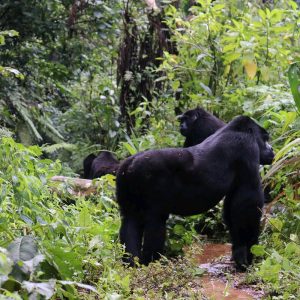
Before looking at ways to save money, it helps to understand where your money goes.
A Uganda gorilla safari can include:
Gorilla trekking permit, Safari vehicle and driver-guide, Accommodation, Meals, National park fees, Airport transfers, Fuel, Activities, Travel insurance, Visa costs, Porter fees, Tips, Drinks and personal expenses, Optional activities
The gorilla trekking permit is usually one of the most significant fixed expenses, meaning that choosing cheaper accommodation alone will not eliminate the major cost of the experience.
Therefore, the best budget strategy is to save on the expenses you can control.
Choose Uganda for a More Budget-Friendly Gorilla Experience
One of the first money-saving decisions is choosing your gorilla trekking destination.
Uganda offers gorilla trekking in Bwindi Impenetrable National Park and Mgahinga Gorilla National Park.
Compared with some other popular gorilla destinations in the region, Uganda can provide opportunities to build a safari around different accommodation levels and transportation options.
This gives travelers more flexibility when creating a budget itinerary.
Travel During the Lower-Demand Seasons
Travel dates can have a major impact on your total safari cost.
Consider traveling during periods when accommodation demand is lower.
Some lodges offer lower rates during quieter travel periods, while availability may also be better.
However, do not choose dates based solely on price.
Ask your safari operator about:
Expected weather, Trail conditions, Accommodation availability, Gorilla trekking conditions. Road conditions. Permit availability
A lower accommodation price can be attractive, but your overall travel experience and accessibility should also be considered.
Choose Budget Accommodation Near the Trekking Area
You do not need to stay at an expensive luxury lodge to enjoy gorilla trekking.
Uganda has a range of accommodation options around the gorilla trekking areas, including:
Budget lodges, Guesthouses, Campsites, Mid-range lodges, Luxury lodges
Choosing a comfortable budget or mid-range property can significantly reduce the overall cost.
Important tip
Do not choose accommodation based on price alone.
Consider the distance from the park headquarters.
A very cheap lodge located far away may require additional transportation, potentially reducing the money you saved.
Choose Your Gorilla Trekking Sector Carefully
Bwindi has several trekking sectors, including:
Buhoma, Ruhija, Rushaga, Nkuringo
Your choice of sector can influence your accommodation and transportation costs.
Instead of choosing a sector first and then searching for accommodation, consider comparing the complete package cost for each option.
For example:
Permit + accommodation + transportation + meals + transfers
This gives you a more realistic comparison.
Travel as a Small Group
One of the most effective ways to reduce the cost of a Uganda gorilla safari is to share transportation expenses.
A private safari vehicle can be expensive when the cost is divided among only one or two travelers.
Traveling with friends, family or another small group can spread costs across more people.
Shared expenses may include:
Vehicle, Driver-guide, Fuel, Airport transfers, Some accommodation arrangements, Certain logistical costs
For travelers who are comfortable with a shared safari arrangement, this can make a substantial difference.
Consider a Group Gorilla Safari
A group gorilla safari can be an economical alternative to a fully private trip.
Instead of paying for an entire safari vehicle yourself, you may share transportation with other travelers.
This can reduce the per-person cost of:
Transport, Fuel. Driver-guide services, Some logistical arrangements
However, group safaris have less flexibility than private tours.
If you value complete control over departure times, stops and itinerary changes, a private safari may suit you better.
Compare the Total Package, Not Just the Price
One of the biggest mistakes budget travelers make is choosing the cheapest quotation immediately.
Two safari companies may quote different prices because their packages include different services.
For example:
Company A
$X for:
Budget accommodation, Transport. Meals, Gorilla permit, Park fees
Company B
$Y for:
Accommodation. Transport, Meals, Gorilla permit, Park fees, Airport transfers, Additional activities
The second quotation may initially look more expensive but could represent better value once all inclusions are considered.
Always ask for a detailed quotation.
Book Your Gorilla Permit Early
If you have fixed travel dates, consider arranging your gorilla permit well in advance.
Gorilla trekking permits are limited, and popular dates can fill up.
Waiting until the last moment can create several problems:
Limited permit availability, Limited accommodation choices, Higher logistical costs, Less flexibility with your itinerary
Early planning can give you more accommodation and transportation choices.
Avoid Unnecessary Luxury
You can enjoy an extraordinary gorilla experience without paying for unnecessary luxury.
Ask yourself what is most important to you.
If your priority is:
“I want to trek gorillas and explore Uganda’s forests and wildlife,”
you may not need:
A luxury lodge, Premium rooms, Private luxury transfers, Expensive drinks, High-end extras
Instead, put more of your budget toward the experiences that matter most.
Combine Gorilla Trekking With Nearby Attractions
A well-planned itinerary can help you get more experiences from the same trip.
Depending on your route and interests, you might combine gorilla trekking with:
Lake Bunyonyi, Batwa cultural experiences, Queen Elizabeth National Park, Ishasha, Kibale Forest, Chimpanzee trekking, Wildlife safaris
The key is to avoid creating unnecessary long-distance transfers.
A logical route can reduce:
Fuel costs, Driving time, Extra accommodation nights, Unnecessary transfers
Avoid an Overly Short or Overly Long Itinerary
A one-day gorilla trekking trip may sound like the cheapest option, but international travelers often need accommodation before and after the trek.
On the other hand, adding too many days can increase:
Accommodation costs, Food expenses, Transport costs, Activity fees
For budget travelers, the goal should be a well-planned itinerary that gives you enough time without adding unnecessary days.
Use Road Transport Instead of Flying
Domestic flights can save time, but road transportation is often the more economical choice for budget travelers.
If your schedule allows, traveling by road can help reduce transportation costs.
The journey can also become part of the adventure, allowing you to experience Uganda’s:
Countryside, Towns, Landscapes, Local communities, Markets, Scenic routes
However, travelers should consider the longer travel time when making this choice.
Book a Safari That Starts From Your Actual Arrival Point
If you are arriving at Entebbe International Airport, unnecessary transfers can add costs.
For example, staying in Kampala when your safari begins near Entebbe—or arranging multiple separate transfers—may increase your expenses.
Ask your tour operator to design the itinerary around your actual arrival and departure times.
A well-planned transfer system can reduce unnecessary driving.
Pack Properly Before Leaving Home
Buying basic safari items in tourist areas can sometimes be more expensive than bringing them from home.
Consider packing:
Comfortable hiking shoes, Waterproof jacket, Lightweight trousers, Long-sleeved shirts, Hat, Sunscreen, Insect repellent, Reusable water bottle, Small backpack, Personal toiletries, Camera batteries, Power bank
Proper preparation can help you avoid last-minute purchases.
Carry a Reusable Water Bottle
Staying hydrated is important during a gorilla trek.
If your safari operator provides drinking water, a reusable bottle can be convenient.
It can also reduce the need to repeatedly purchase individual bottled drinks.
Ask your safari company what water arrangements are included before your trip.
Hire a Porter Only If You Want or Need One
Porters can be extremely helpful during gorilla trekking.
They can assist with your backpack and provide support on challenging terrain.
However, porter services are generally an additional expense.
If you are trying to keep your personal spending low, you can decide whether hiring a porter fits your needs and budget.
For travelers carrying heavy bags or those who want additional assistance on steep terrain, the cost may be worthwhile.
Budget for Tips Instead of Being Surprised by Them
Tipping is not usually something you should discover at the end of your trip.
Include it in your initial budget.
You may wish to budget for:
Safari guide, Driver, Gorilla trekking support staff, Porter, Lodge staff
The amount is ultimately a personal decision based on service and your circumstances.
Limit Expensive Drinks and Personal Purchases
A safari package may include accommodation and meals but exclude drinks.
Alcohol, specialty beverages and other personal purchases can quickly increase your final bill.
If you are traveling on a strict budget, keep track of:
Alcohol, Soft drinks, Snacks, Laundry, Souvenirs, Premium beverages, Optional hotel services
Small expenses can accumulate over several days.
Be Careful With Optional Activities
Uganda offers many exciting activities, but you do not have to do everything.
If gorilla trekking is the main purpose of your trip, prioritize it.
Then select additional activities according to your remaining budget.
For example, you might choose one or two additional experiences rather than adding every available activity to your itinerary.
Consider a Budget Uganda and Rwanda Combination Carefully
Combining Uganda and Rwanda can create an amazing East African itinerary.
However, adding another country can also increase:
Transportation, Accommodation, Border-crossing logistics, Activity costs, Travel time
If your primary objective is gorilla trekking on a limited budget, a Uganda-focused itinerary may be simpler.
If you want to visit both countries, ask your tour operator to design an efficient route.
Avoid Changing Your Itinerary at the Last Minute
Last-minute changes can sometimes create additional costs.
For example:
Changing hotels, Adding destinations, Changing transportation. Adding activities, Extending your stay
Before your safari begins, review the itinerary carefully.
Make sure you are comfortable with the accommodation, transportation and activities before confirming your booking.
Ask About Everything That Is Included
Before paying your deposit, ask for an itemized quotation.
Your quotation should clearly show whether the following are included:
| Expense | Ask if Included |
|---|---|
| Gorilla permit | ✓ |
| Accommodation | ✓ |
| Meals | ✓ |
| Safari vehicle | ✓ |
| Driver-guide | ✓ |
| Fuel | ✓ |
| Park fees | ✓ |
| Airport transfers | ✓ |
| Drinking water | ✓ |
| Boat activities | ✓ |
| Porter | Ask |
| Tips | Usually separate |
| International flights | Usually separate |
| Visa | Usually separate |
| Travel insurance | Usually separate |
| Personal shopping | Separate |
This simple checklist can help prevent unexpected expenses.
Don’t Sacrifice Safety Just to Save Money
Budget travel should not mean choosing the cheapest option at any cost.
Be cautious about extremely cheap safari quotations that appear unrealistic.
Before booking, check:
What is included?, Is the gorilla permit included?, What accommodation is being offered?, How will transportation be arranged?, Is the company responsive to questions?, Are there clear booking terms?, What happens if your travel dates change?
Saving money is important, but so is knowing exactly what you are purchasing.
Work With a Safari Operator to Build a Budget Itinerary
A professional Uganda safari operator can help you adjust different parts of the trip according to your budget.
For example, instead of removing gorilla trekking altogether, you could reduce costs through:
Budget accommodation + road transport + shared vehicle + carefully selected activities
This allows you to preserve the main experience while controlling secondary expenses.
Sample Budget Strategy for a Uganda Gorilla Safari
A budget-conscious itinerary might look like:
Day 1
Arrival in Uganda and overnight in Entebbe.
Day 2
Travel toward southwestern Uganda.
Day 3
Gorilla trekking in Bwindi or Mgahinga.
Day 4
Return toward Entebbe or continue to another destination.
Optional extension
Add Lake Bunyonyi, Queen Elizabeth National Park or another nearby destination depending on your budget.
This type of itinerary can be adjusted according to your arrival point, trekking location, accommodation preference and available time.
The Biggest Money-Saving Tip: Plan Around the Gorilla Permit
Because the gorilla permit is a major fixed expense, trying to save a small amount on every other component can make more sense than trying to cut the permit cost itself.
Focus your savings on the flexible parts of your safari:
Accommodation + transportation + number of travelers + optional activities + personal spending.
For example, choosing a comfortable budget lodge instead of a luxury property can reduce your total cost substantially while leaving the actual gorilla trekking experience unchanged.