
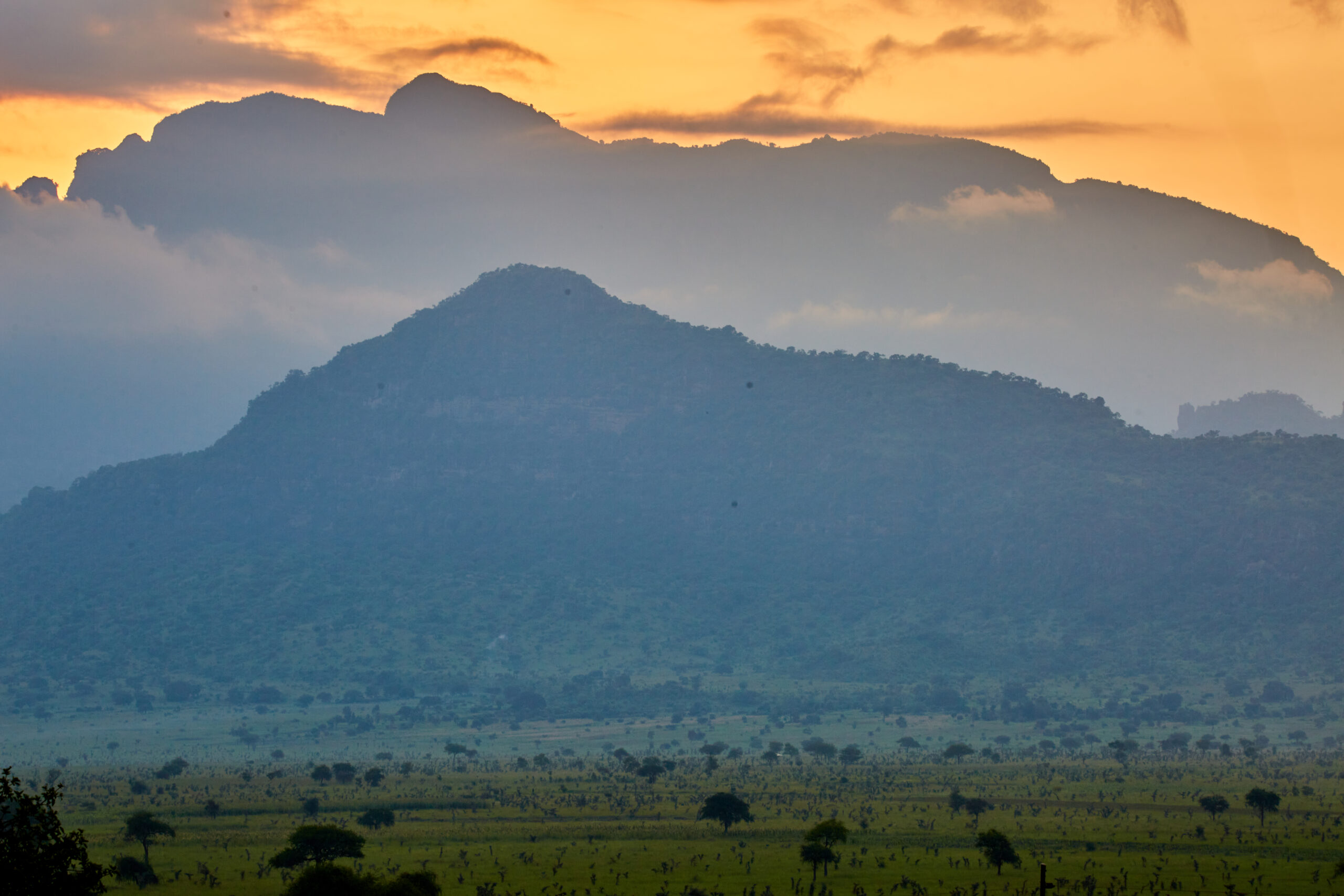
Uganda vs Kenya Safari: Which Is Better for Wildlife? Uganda vs Kenya safari — which destination is better for wildlife? This is one of the most common questions travelers ask when planning an East African safari.
Both Uganda and Kenya offer spectacular wildlife experiences, but they are very different safari destinations. Kenya is world-famous for the Maasai Mara, the Great Wildebeest Migration, large concentrations of predators, and classic open-savanna game viewing. Uganda, meanwhile, offers a remarkable combination of savanna wildlife, mountain gorillas, chimpanzees, tropical forests, diverse birdlife, dramatic landscapes, and fewer-crowded safari experiences.
So, which country should you choose?
The answer depends on what you want from your safari.
If your priority is seeing enormous herds of wildebeest, classic African savanna scenery, and large concentrations of lions, cheetahs and other predators, Kenya may be the better choice.
If you want to combine traditional wildlife viewing with gorilla trekking, chimpanzee tracking, forest adventures, birding and diverse landscapes, Uganda can offer a more varied safari experience.
Uganda’s protected-area network includes ten national parks, ranging from Murchison Falls and Queen Elizabeth to Kidepo Valley, Kibale, Bwindi and Mgahinga.
This comprehensive guide compares Uganda vs Kenya safaris to help you decide which destination is best for your wildlife adventure.
Uganda vs Kenya Safari at a Glance
| Safari Feature | Uganda | Kenya |
|---|---|---|
| Big Five | Excellent in selected parks | Excellent |
| Lions | Excellent in several parks | Exceptional |
| Leopards | Possible to good | Very good |
| Elephants | Excellent | Excellent |
| Buffaloes | Excellent | Excellent |
| Rhinos | Available at Ziwa and selected conservation areas | Available in several destinations |
| Cheetahs | More limited | Excellent, especially Maasai Mara |
| Mountain gorillas | Yes | No |
| Chimpanzees | Excellent | Limited compared with Uganda |
| Great Wildebeest Migration | No | Yes — major attraction |
| Birdwatching | Exceptional | Excellent |
| Tropical forests | Excellent | Good |
| Savannah landscapes | Excellent | Exceptional |
| Primate experiences | Outstanding | More limited |
| Remote wilderness | Excellent — especially Kidepo | Excellent |
| Wildlife diversity | Extremely high | Extremely high |
| Safari variety | Very high | Very high |
The biggest difference is that Uganda combines classic safari wildlife with great-ape experiences, while Kenya is particularly famous for its savanna wildlife and large-scale game spectacles.
Why Choose Uganda for a Wildlife Safari?
Uganda is sometimes overlooked by travelers searching for a traditional East African safari, but the country offers an extraordinary variety of wildlife habitats.
From the vast savannas of Murchison Falls and Queen Elizabeth National Parks to the remote wilderness of Kidepo Valley and the tropical forests of Kibale and Bwindi, Uganda provides a wide range of ecosystems within one country.
The Uganda Wildlife Authority manages ten national parks, including Murchison Falls, Queen Elizabeth, Kidepo Valley, Kibale, Bwindi Impenetrable and Mgahinga Gorilla National Parks.
Uganda offers more than the traditional Big Five
A Uganda safari is not only about lions, elephants, leopards, buffaloes and rhinos.
You can also encounter:
- Mountain gorillas
- Chimpanzees
- Golden monkeys
- Uganda kob
- Rothschild’s giraffes
- Hippos
- Warthogs
- Jackson’s hartebeest
- Topi
- Bushbucks
- Waterbucks
- Nile crocodiles
- Numerous monkey species
- Hundreds of bird species
Uganda’s 2026 State of Wildlife Resources report also records positive population trends for several species, including buffaloes, hippos, Uganda kob, waterbucks, zebras, topis and Nubian giraffes.
This makes Uganda particularly attractive to travelers who want wildlife variety rather than simply ticking off a Big Five checklist.
Uganda’s Best Wildlife Destinations
Queen Elizabeth National Park
Queen Elizabeth National Park is one of Uganda’s most famous wildlife destinations.
The park is known for its diverse habitats, wildlife and birdlife and is particularly famous for the tree-climbing lions of Ishasha in its southern sector.
A safari here can include:
Game drives, Lion viewing, Elephant encounters, Buffalo viewing, Leopard sightings, Hippos, Uganda kob, Antelope species, Boat cruises on the Kazinga Channel, Birdwatching
The Uganda Wildlife Authority describes Queen Elizabeth as a “Medley of Wonders” and highlights its diversity of wildlife and more than 600 bird species.
Why choose Queen Elizabeth?
It is an excellent choice if you want to combine:
Game drives + boat safari + birdwatching + scenic landscapes.
Murchison Falls National Park
Murchison Falls is Uganda’s largest national park and one of the country’s most rewarding destinations for classic African wildlife.
The park combines extensive savanna landscapes with the Nile River and the spectacular Murchison Falls.
Wildlife can include:
Elephants, Lions, Leopards, Buffaloes, Giraffes, Uganda kob, Hippos, Crocodiles, Antelopes, Numerous bird species
The park is also famous for its boat cruise along the Nile toward the base of Murchison Falls.
The combination of game drive + Nile boat cruise + dramatic waterfall makes Murchison Falls different from many conventional safari destinations.
Kidepo Valley National Park
For travelers looking for remote African wilderness, Kidepo Valley is one of Uganda’s most impressive choices.
Located in Uganda’s northeastern Karamoja region, Kidepo is remote, rugged and much less developed than some of East Africa’s famous safari destinations.
The Uganda Wildlife Authority describes Kidepo as Uganda’s most remote and least explored national park.
The park supports more than 77 mammal species and approximately 476 bird species.
Wildlife includes:
Lions, Elephants, Buffaloes, Leopards, Giraffes, Zebras, Ostriches, Antelopes, Hyenas, Numerous bird species
Kidepo is particularly appealing to travelers who want wilderness, solitude, dramatic landscapes and a less conventional safari.
Kibale Forest National Park
If primates are part of your definition of wildlife, Uganda becomes extremely difficult to beat.
Kibale is one of Africa’s best destinations for chimpanzee tracking.
You can encounter:
Chimpanzees, Red-tailed monkeys, Black-and-white colobus monkeys, Blue monkeys, L’Hoest’s monkeys, Olive baboons, Forest elephants and other forest wildlife
Chimpanzee experiences add another dimension to a Uganda safari that is not available on a typical Kenya savanna itinerary.
Bwindi Impenetrable National Park
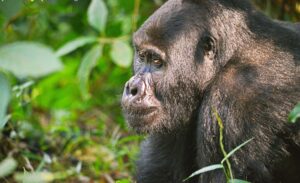
This is where Uganda becomes completely different from Kenya.
Mountain gorilla trekking.
Bwindi is one of the world’s most important mountain gorilla destinations. Uganda is home to more than half of the world’s mountain gorilla population, according to the Uganda Wildlife Authority.
A traveler can therefore combine:
Savanna safari → chimpanzee tracking → gorilla trekking
within the same Uganda trip.
For many travelers, this makes Uganda the better choice for a wildlife-and-primate safari.
Why Choose Kenya for a Wildlife Safari?
Kenya is one of Africa’s classic safari destinations and has an exceptionally strong reputation for big-game viewing.
The country’s greatest strength is its extensive savanna ecosystems and high concentrations of wildlife.
Kenya is particularly famous for:
- Maasai Mara
- Great Wildebeest Migration
- Lions
- Cheetahs
- Leopards
- Elephants
- Buffaloes
- Rhinos
- Giraffes
- Zebras
- Large antelope herds
Kenya’s southern Rift safari circuit includes the Maasai Mara, Amboseli and Tsavo, and Kenya Tourism highlights the region for its high wildlife densities and rich game-viewing opportunities.
Maasai Mara — Kenya’s Wildlife Superstar
If your dream is a classic African safari, the Maasai Mara is difficult to overlook.
The reserve is famous for its abundant wildlife and its connection to the greater Serengeti ecosystem.
You can see:
- Lions
- Leopards
- Cheetahs
- Elephants
- Buffaloes
- Rhinos
- Giraffes
- Zebras
- Wildebeest
- Hippos
- Crocodiles
- Hyenas
The Maasai Mara is also famous for the annual Great Wildebeest Migration.
During the migration season, huge numbers of wildebeest and other grazing animals move into the Mara ecosystem, attracting large numbers of predators. Kenya Tourism identifies the Mara as one of the country’s premier wildlife destinations and notes its Big Five and migration experiences.
The Great Wildebeest Migration
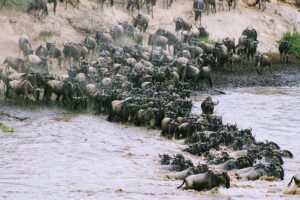
This is perhaps Kenya’s biggest advantage over Uganda.
Every year, huge herds move between the Serengeti ecosystem in Tanzania and the Maasai Mara in Kenya.
The spectacle can involve:
- Millions of wildebeest
- Large zebra herds
- Gazelles
- Lions
- Cheetahs
- Leopards
- Hyenas
- Crocodiles
The Mara River crossings are particularly famous.
The migration generally reaches Kenya during the middle and later parts of the year, although the exact timing varies because it follows rainfall and grazing conditions. Kenya Tourism traditionally highlights July to October as a major migration-viewing period.
If the Great Migration is your dream:
Choose Kenya.
Uganda simply cannot offer an equivalent wildlife spectacle.
Amboseli National Park
Amboseli is another major reason to choose Kenya.
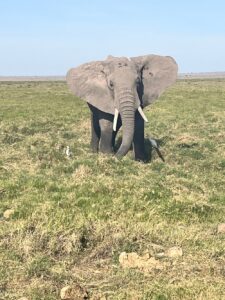
The park is famous for its large elephant populations and spectacular views toward Mount Kilimanjaro.
Wildlife includes:
Elephants, Lions, Cheetahs, Buffaloes, Giraffes, Zebras, Wildebeest, Antelopes, Numerous birds
Kenya Tourism describes Amboseli as a destination renowned for its large elephant populations and diverse habitats beneath Mount Kilimanjaro.
For photographers, the combination of elephants + open plains + Mount Kilimanjaro can produce unforgettable safari images.
Tsavo National Parks
Tsavo East and Tsavo West provide another completely different Kenyan safari experience.
Tsavo is famous for:
Large elephant herds, Lions, Leopards, Buffaloes, Giraffes, Rhinos, Hippos, Crocodiles, Large bird populations
Tsavo East is particularly famous for its distinctive red elephants, whose appearance is caused by the red dust they cover themselves with.
Tsavo is also attractive because it can be combined with a Kenyan coastal holiday.
A traveler can enjoy:
Safari + Indian Ocean beach holiday
in one trip.
Uganda vs Kenya: Which Has Better Big Five Viewing?
If your main goal is the Big Five, Kenya generally has the advantage because destinations such as the Maasai Mara have exceptionally strong concentrations of large mammals and predators.
Kenya Tourism describes the South Rift as one of the country’s major wildlife regions, with Big Five viewing and high wildlife densities.
Uganda can also provide excellent Big Five experiences, particularly in Murchison Falls, Queen Elizabeth and Kidepo Valley.
However, Uganda’s strength is not necessarily having the largest concentration of Big Five animals in one location.
Its strength is overall wildlife diversity.
Uganda vs Kenya for Lions
Kenya
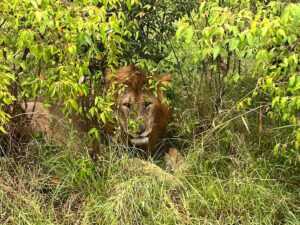
Kenya is excellent for lion viewing, particularly in the Maasai Mara.
The abundance of prey supports strong predator populations, and lions are among the most sought-after animals in the Mara.
Uganda
Uganda also offers excellent opportunities to see lions.
Queen Elizabeth is particularly famous for its tree-climbing lions in Ishasha, while lions can also be encountered in Murchison Falls and Kidepo.
Winner: Kenya
For sheer predator-focused safari viewing, Kenya has the advantage.
But for a more unusual lion experience, Uganda’s tree-climbing lions provide something special.
Uganda vs Kenya for Elephants
Both countries offer excellent elephant experiences.
Kenya’s Amboseli is particularly famous for its elephant herds, while Tsavo is also renowned for large numbers of elephants.
Uganda also has elephants in several protected areas, including Queen Elizabeth, Murchison Falls and Kidepo.
Winner: Tie
The best choice depends on the scenery and experience you want.
Choose Amboseli for elephants with Mount Kilimanjaro.
Choose Tsavo for huge wilderness landscapes.
Choose Uganda for elephants combined with a broader Uganda safari itinerary.
Uganda vs Kenya for Leopards
Leopards are present in both destinations.
Kenya’s Maasai Mara is well known for its predator diversity, including leopards.
Uganda also has leopards in several national parks, including Kidepo Valley, Murchison Falls, Queen Elizabeth and Lake Mburo.
Leopards are naturally elusive, so sightings can never be guaranteed.
Winner: Kenya
For travelers particularly focused on big-cat photography, Kenya generally has the edge.
Uganda vs Kenya for Cheetahs
This is another category where Kenya has an advantage.
Cheetahs are an important attraction in the Maasai Mara, and the open grassland habitat provides excellent opportunities for viewing them.
Uganda has cheetahs, but they are more restricted in distribution.
Winner: Kenya
If seeing cheetahs is high on your safari checklist, Kenya should be strongly considered.
Uganda vs Kenya for Gorillas
This category has a very clear winner.
Uganda.
Kenya does not offer mountain gorilla trekking.
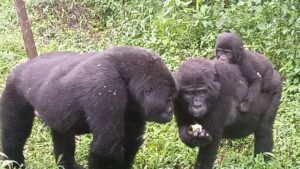
Uganda’s Bwindi Impenetrable and Mgahinga Gorilla National Parks provide access to mountain gorilla experiences.
Uganda’s mountain gorilla population is concentrated in Bwindi and Mgahinga, with the country holding more than half of the world’s remaining mountain gorillas according to UWA.
Winner: Uganda by a huge margin
If gorillas are part of your dream African wildlife experience, Uganda should be at the top of your list.
Uganda vs Kenya for Chimpanzees
Again, Uganda has the advantage.
Kibale Forest is one of Africa’s leading chimpanzee destinations, while Uganda also has chimpanzees in other forest ecosystems.
UWA’s 2026 wildlife report recorded an increase in estimated chimpanzee numbers across major Ugandan forest ecosystems.
Winner: Uganda
Uganda vs Kenya for Birdwatching
Uganda is an outstanding birding destination.
Its combination of tropical forests, wetlands, lakes, savannas, mountains and Albertine Rift habitats creates exceptional bird diversity.
Murchison Falls, Queen Elizabeth, Bwindi, Kibale and Kidepo all provide different birding experiences.
Kenya is also an excellent birding destination, especially in places such as the Maasai Mara, Amboseli and Tsavo.
Winner: Uganda
For travelers who want mammals + primates + serious birdwatching, Uganda is especially attractive.
Uganda vs Kenya: Which Has Better Scenery?
This is highly subjective.
Kenya offers iconic landscapes such as:
Maasai Mara grasslands, Amboseli with Mount Kilimanjaro, Tsavo’s red-earth wilderness, Great Rift Valley landscapes, Northern Kenya’s arid wilderness
Uganda offers:
Mist-covered Bwindi forests, Rwenzori Mountains, Virunga volcanoes, Murchison Falls, Nile River landscapes, Queen Elizabeth’s crater lakes, Kidepo’s rugged valleys, Kibale’s tropical forests
Winner: Tie
Kenya is ideal for classic open African landscapes.
Uganda is ideal for dramatic ecological diversity.
Uganda vs Kenya for a Less Crowded Safari
Uganda can be an excellent option for travelers who prefer a more intimate and less conventional safari experience.
Kenya’s famous destinations, particularly the Maasai Mara during peak migration periods, can attract many visitors.
Uganda’s remote Kidepo Valley, for example, offers a very different atmosphere and is promoted by UWA as a remote wilderness experience away from the crowds.
This does not mean every Ugandan park is empty or every Kenyan park is crowded. Visitor numbers vary according to season, location and itinerary.
Winner: Uganda
For travelers seeking quiet wilderness and an off-the-beaten-path experience, Uganda can be the better choice.
Uganda vs Kenya Safari Cost
Safari prices vary enormously in both countries.
Your total cost depends on:
Number of safari days, Accommodation category, Private vs group safari, Vehicle type, Domestic flights, Park fees, Activities, Season, Gorilla or chimpanzee permits, Number of travelers
It is therefore difficult to say that one country is always cheaper.
A budget Uganda safari can be very different from a luxury Uganda gorilla safari, just as a budget Kenyan safari can differ greatly from an exclusive Maasai Mara conservancy experience.
The best approach is to compare complete itineraries rather than country averages.
Uganda vs Kenya: Which Is Better for Families?
Both countries can work extremely well for family safaris.
Kenya’s classic savanna parks can be particularly attractive for families who want straightforward game drives and a wide variety of large animals.
Uganda is attractive for families interested in combining wildlife with nature, culture, primates and adventure.
However, some activities have specific age restrictions, especially gorilla and chimpanzee experiences, so families should check the current regulations when planning.
Uganda vs Kenya for First-Time Safari Travelers
For a first African safari, Kenya is an obvious choice because of its famous safari reputation and excellent wildlife viewing.
The Maasai Mara can deliver the classic safari experience many first-time visitors imagine:
Lions + elephants + giraffes + zebras + wildebeest + open savanna.
Uganda, however, can provide a more varied first safari:
Savanna wildlife + chimpanzees + gorillas + forests + rivers + mountains.
Therefore:
Choose Kenya if:
You want a classic African safari., You want the Great Wildebeest Migration., You love big cats., You want excellent savanna game viewing., You want to combine safari with a Kenyan beach holiday. You want spectacular elephant photography in Amboseli.
Choose Uganda if:
You want gorilla trekking., You want chimpanzee trekking., You love primates., You want diverse ecosystems., You enjoy birdwatching., You want remote wilderness., You want fewer conventional safari crowds., You want to combine wildlife with adventure and cultural experiences.
Uganda vs Kenya: Which Is Better Overall for Wildlife?
There is no single answer because the two destinations excel in different areas.
Kenya wins for:
Great Wildebeest Migration, Classic savanna safari, Big-cat viewing, Cheetahs, Large wildlife concentrations, Amboseli elephants. Maasai Mara game viewing
Uganda wins for:
Mountain gorillas
Chimpanzees, Primate diversity, Birdwatching, Forest wildlife. Diverse ecosystems, Remote wilderness. Combining primates and traditional safari
Rather than asking only “Is Uganda or Kenya better?”, ask yourself:
What animals do I most want to see?
If your priority is:
Wildebeest → Kenya
Cheetah → Kenya
Big cats → Kenya
Elephants → Both
Lions → Both, with Kenya having an edge for classic predator viewing
Gorillas → Uganda
Chimpanzees → Uganda
Primates → Uganda
Birds → Uganda
Great Migration → Kenya
Remote wilderness → Uganda
Can You Combine Uganda and Kenya in One Safari?
Absolutely.
For travelers with enough time, combining the two countries can create one of the most comprehensive East African safari experiences.
A possible itinerary could include:
Days 1–3: Kenya – Maasai Mara
Experience classic savanna wildlife and search for lions, cheetahs, elephants, leopards and other wildlife.
Days 4–5: Kenya – Lake Nakuru or Amboseli
Continue your Kenyan wildlife adventure.
Days 6–8: Uganda – Queen Elizabeth National Park
Enjoy game drives and a Kazinga Channel boat cruise.
Days 9–10: Kibale Forest
Track chimpanzees in the tropical forest.
Days 11–13: Bwindi
Finish your adventure with mountain gorilla trekking.
This type of itinerary gives you the best of both worlds:
Kenya’s legendary savanna wildlife + Uganda’s extraordinary primates and forest ecosystems.
Final Verdict: Uganda or Kenya Safari?
So, which is better for wildlife — Uganda or Kenya?
Kenya is better for a traditional big-game safari.
If your dream is to sit in a safari vehicle on endless golden plains while watching lions, cheetahs, elephants, giraffes, zebras and wildebeest, Kenya is an outstanding choice.
The Maasai Mara is particularly difficult to beat, especially when the Great Wildebeest Migration is taking place.
Uganda is better for a diverse wildlife adventure.
If you want to experience gorillas, chimpanzees, savanna wildlife, forest animals, birds, mountains, rivers and dramatic landscapes in one journey, Uganda may be the more rewarding destination.
Uganda’s greatest strength is its diversity.
You can begin with a game drive in Murchison Falls, continue to chimpanzee tracking in Kibale, explore Queen Elizabeth National Park and finish with gorilla trekking in Bwindi.
That combination is difficult to match.
Our Recommendation
Choose Kenya if your number-one priority is classic Big Five wildlife and the Great Migration.
Choose Uganda if your priority is a more diverse wildlife adventure that combines Big Game with gorillas, chimpanzees, birds and forest experiences.
Choose both if you have enough time and want the ultimate East African wildlife safari.
Plan Your Uganda Wildlife Safari
If you are looking for an African safari that goes beyond the traditional game drive, Uganda offers an extraordinary combination of wildlife, primates, landscapes and cultural experiences.
From the savannas of Murchison Falls, Queen Elizabeth and Kidepo Valley to the forests of Kibale and Bwindi, Uganda provides an opportunity to experience several very different sides of Africa in one journey.
Whether you are interested in a Uganda Big Five safari, gorilla trekking, chimpanzee tracking, birding safari, family safari, honeymoon safari or a combined Uganda-Kenya safari, your itinerary can be designed around the wildlife experiences that matter most to you.
Ready to discover Uganda’s wildlife? Plan your safari with an experienced Fuga tours and travel and create an itinerary that combines the country’s best national parks, wildlife encounters and primate experiences.