
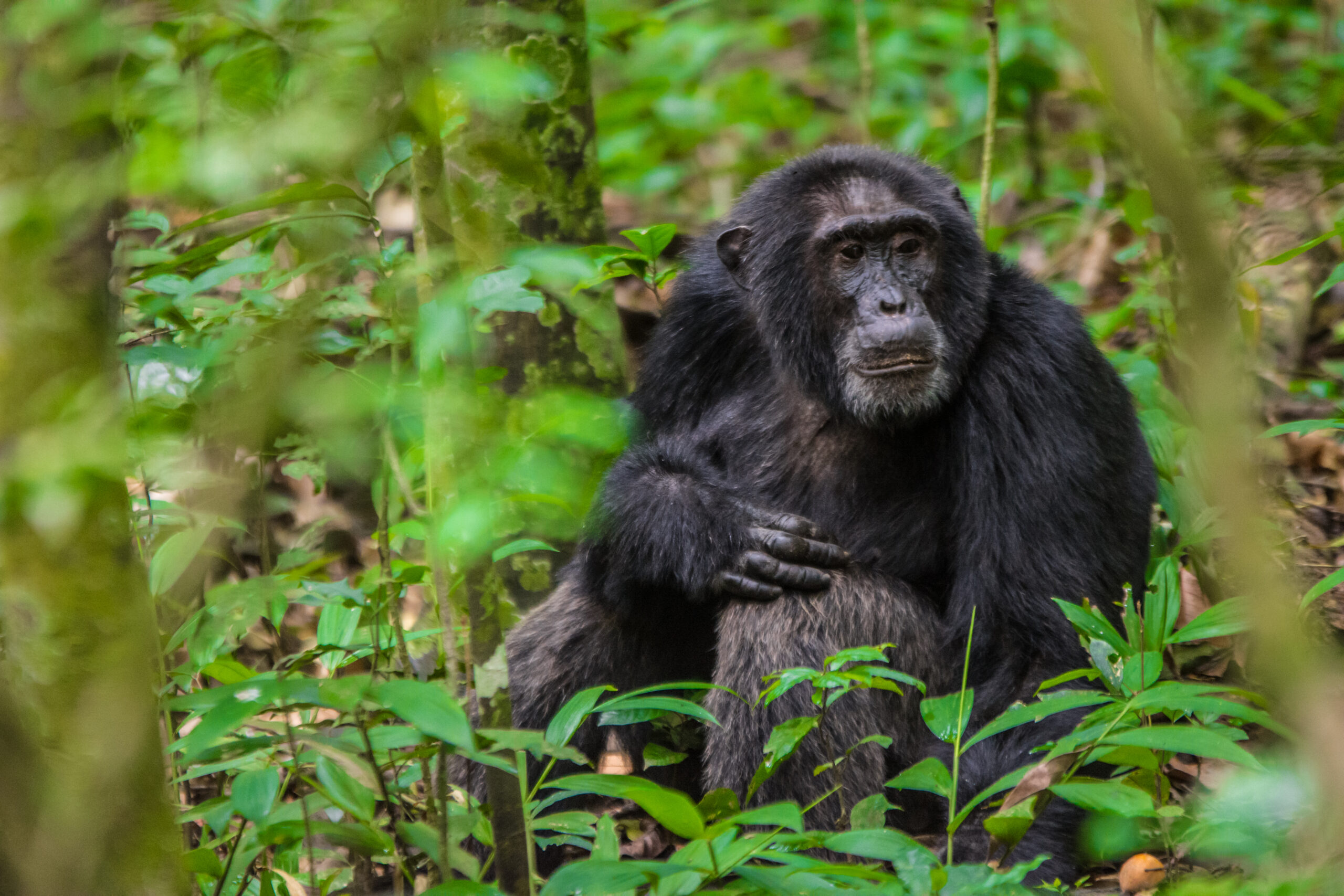
Best Time for Chimpanzee Trekking in Kibale Forest, Uganda, Kibale Forest National Park is one of the best places in Africa to experience chimpanzees in their natural habitat. Located in western Uganda near Fort Portal, the forest is famous for its remarkable population of chimpanzees and its diversity of other primates, making it a must-visit destination for wildlife lovers, photographers, birdwatchers and first-time safari travelers.
One of the most common questions travelers ask when planning a Kibale safari is: What is the best time for chimpanzee trekking in Kibale Forest?
The good news is that chimpanzee trekking in Kibale takes place throughout the year. However, different seasons offer different advantages. The drier months are generally more comfortable for walking, while the wetter months can offer a lush forest, fewer visitors and potentially easier chimpanzee tracking in some circumstances.
According to the Uganda Wildlife Authority, chimpanzee tracking and chimpanzee habituation experiences take place throughout the year. Interestingly, UWA notes that the rainy season can sometimes be particularly favorable for tracking because chimpanzees may remain closer to food sources, although the trails can be muddy.
This guide explains the best months to visit Kibale, what to expect in each season, the advantages and disadvantages of traveling during the dry and wet seasons, and how to choose the right time for your chimpanzee safari.
Quick Answer: When Is the Best Time for Chimpanzee Trekking in Kibale?
For travelers who prioritize comfortable trekking conditions, the best periods are generally:
- June to September
- December to February
These periods tend to have drier conditions, making forest trails easier to walk.
However, Kibale is a rainforest, so rain can occur even during the drier months. There is no completely guaranteed dry season.
The wet periods, particularly March to May and September to November, can make trails muddier and more slippery, but they also bring a vibrant green forest and can be attractive to travelers who prefer fewer crowds or are interested in birdwatching.
Therefore, the “best” time depends on what you value most: easy hiking, wildlife photography, fewer tourists, birding, scenery or budget travel.
Why Kibale Forest Is Famous for Chimpanzee Trekking
Kibale National Park is widely regarded as one of Uganda’s premier destinations for chimpanzee encounters.
The forest provides an important habitat for chimpanzees and numerous other primates. During a trek, you may encounter monkeys moving through the canopy, hear birds calling from the forest, and walk beneath towering trees and dense vegetation.
Chimpanzee trekking is different from a traditional savannah game drive. Instead of sitting in a vehicle, you walk through the forest with trained guides and trackers searching for habituated chimpanzee communities.
Once the chimpanzees are located, visitors are allowed a limited period to observe them according to Uganda Wildlife Authority regulations. UWA’s current guidelines state that normal chimpanzee tracking starts at 8:00 a.m. for morning tracking and 2:00 p.m. for afternoon tracking, with a maximum viewing time of one hour for normal tracking.
gust a good month?August is also a good choice, particularly for travelers combining Kibale with other Ugandan destinations.
What about September?September can still provide good trekking conditions, although rainfall patterns can begin changing as the wetter period approaches.
December to February: Another Excellent Period
The second favorable period for chimpanzee trekking generally occurs between December and February.
These months are popular because rainfall is often lower than during the wetter periods, allowing visitors to enjoy more manageable trekking conditions.
Advantages of visiting between December and February
- Relatively drier forest trails
- Good conditions for hiking
- Comfortable safari planning
- Excellent opportunities for combining Kibale with Queen Elizabeth National Park
- Good conditions for visiting Bigodi Wetland Sanctuary
- Good opportunities for photography and birdwatching
January and February can be particularly attractive for travelers who want to enjoy Kibale during relatively dry conditions without necessarily traveling during the busiest Christmas period.
December can be busy around Christmas and New Year, so travelers planning a December safari should consider booking early.
Chimpanzee Trekking During the Wet Season
Kibale receives rainfall throughout the year because it is a tropical rainforest.
The main wetter periods are generally associated with:
- March to May
- September to November
During these months, rainfall can make some trails muddy and slippery.
However, that does not mean chimpanzee trekking should be avoided.
In fact, Uganda Wildlife Authority specifically notes that the rainy season can be a good time for chimpanzee tracking despite the muddy conditions. During drier periods, chimpanzees may move deeper into the forest in search of food.
This makes wet-season trekking an interesting option for travelers who are comfortable walking in challenging conditions.
March to May: The Long Rainy Season
March, April and May are traditionally associated with the longer rainy period in much of western Uganda.
Kibale becomes exceptionally lush during this period.
The forest vegetation is vibrant, streams and wetlands are replenished, and the entire ecosystem feels alive.
AdvantagesLush green scenery, Fewer visitors than during peak travel periods, Excellent conditions for nature photography, Attractive conditions for birdwatchers, Potentially more flexible accommodation availability A, quieter forest experience
DisadvantagesThe main challenge is the condition of the trails.
Rain can create:
Muddy paths, Slippery slopes, Wet vegetation, Difficult walking conditions, Challenges for photography
If you choose this period, waterproof hiking boots and rain protection are essential.
September to November: The Shorter Wet Period
September, October and November can also experience considerable rainfall.
The forest becomes beautifully green, and birdwatchers may find this period particularly appealing.
For travelers who do not mind rain, this can be an excellent opportunity to experience Kibale away from the busiest tourist periods.
Why choose the wetter months?
You may enjoy:
Fewer crowds, Lush rainforest scenery, Excellent birdwatching opportunities, A quieter safari atmosphere, Potentially more flexible travel arrangements
The major disadvantage remains the possibility of muddy trails and sudden rainfall.
Is the Dry Season Always Better for Chimpanzee Sightings?
Not necessarily.
This is an important point for travelers planning their safari.
The dry season is generally preferred because walking conditions are easier. However, weather alone does not guarantee better chimpanzee sightings.
Chimpanzees are wild animals. They move through the forest, climb trees, feed, socialize and travel between different areas.
Their behavior can change according to food availability, weather and other ecological factors.
Uganda Wildlife Authority points out that during the dry season chimpanzees may move deeper into the forest looking for food, while the rainy season can sometimes provide favorable tracking conditions.
Therefore, don’t choose your travel dates based solely on the assumption that the dry season automatically guarantees better sightings.
Best Time of Day for Chimpanzee Trekking
Chimpanzee tracking in Kibale can be conducted in the morning or afternoon.
Under current Uganda Wildlife Authority guidelines:
- Morning chimpanzee tracking begins at 8:00 a.m.
- Afternoon tracking begins at 2:00 p.m.
Normal chimpanzee tracking allows a maximum of one hour of viewing once the chimpanzees are encountered.
Morning TrekkingMorning trekking is a popular choice because you begin your forest adventure relatively early.
It can also be a good option for travelers who want to combine chimpanzee trekking with other activities later in the day.
Afternoon TrekkingAfternoon trekking provides another opportunity to search for chimpanzees.
The best option depends on your itinerary, accommodation location and what other activities you plan to undertake.
Best Season for Birdwatching in Kibale
If you are both a chimpanzee enthusiast and birdwatcher, you may want to consider the wetter periods.
Kibale is not only famous for chimpanzees. The forest supports an impressive variety of birdlife.
The lush conditions during rainy periods can create excellent opportunities for nature photography and birdwatching.
Travelers interested in combining chimpanzee trekking with birdwatching can consider adding:
- Bigodi Wetland Sanctuary
- Forest walks
- Birdwatching excursions
- Cultural experiences around Kibale
This can turn a short chimpanzee trek into a much richer nature holiday.
Best Time for Photography
Photography conditions depend on what type of images you want.
Dry season photography
The drier months can provide:
- Easier walking
- More comfortable camera handling
- Less rain-related disruption
- Better conditions for moving quickly through the forest
Wet season photography
The rainy months can provide:
- Deep green vegetation
- Atmospheric forest scenes
- Soft natural light
- Mist and moisture
- Beautiful rainforest landscapes
The challenge is protecting your camera equipment from rain and humidity.
A waterproof camera bag or dry bag is highly recommended regardless of the season.
What to Wear for Chimpanzee Trekking in Kibale
Regardless of when you visit, you should prepare for rainforest conditions.
Pack:
Sturdy hiking boots, Long trousers, Long-sleeved shirts, Lightweight rain jacket, Waterproof backpack or dry bag, Insect repellent, Hat, Sunglasses, Reusable water bottle, Walking poles if needed, Camera and extra batteries
A pair of gaiters can be particularly useful during wetter months because they help protect your legs and footwear from mud and wet vegetation.
Uganda Wildlife Centre also recommends sturdy clothing, layers, waterproof protection and footwear with good grip for chimpanzee tracking.
Month-by-Month Guide to Chimpanzee Trekking in Kibale
| Month | General conditions | Chimpanzee trekking |
|---|---|---|
| January | Relatively dry | Excellent |
| February | Relatively dry | Excellent |
| March | Rain increases | Good with rain gear |
| April | Wet | Challenging but rewarding |
| May | Wet | Challenging but rewarding |
| June | Drier | Excellent |
| July | Drier | Excellent |
| August | Generally favorable | Excellent |
| September | Conditions can become wetter | Good |
| October | Wet | Good for adventurous travelers |
| November | Wet | Good but muddy |
| December | Relatively dry | Excellent |
Remember that Kibale is a rainforest, so these seasonal descriptions are general rather than guarantees.
Dry Season vs Wet Season: Which Should You Choose?
Choose the dry season if:You want:
Easier hiking, Less muddy trails, Comfortable trekking conditions, A first-time chimpanzee trekking experience, To combine Kibale with a wider Uganda safari
The main dry-season windows are December to February and June to September.
Choose the wet season if:You want:
Fewer tourists, Lush rainforest scenery, Excellent birdwatching opportunities, A quieter forest experience, Potentially greater flexibility in travel arrangements, An adventurous trekking experience
The key is to be prepared for rain and muddy trails.
How Long Should You Stay in Kibale?
For a chimpanzee trekking safari, we recommend spending at least 2–3 days around Kibale Forest.
A simple itinerary could include:
Day 1: Travel to KibaleTravel from Kampala or Entebbe toward Fort Portal and Kibale.
Check into your lodge and relax.
Day 2: Chimpanzee TrekkingHave breakfast early and proceed to the park headquarters for briefing before beginning your chimpanzee trek.
After the trek, you can relax at your lodge or visit a nearby community or wetland attraction.
Day 3: Bigodi or Other Nature ExperienceSpend the day exploring Bigodi Wetland Sanctuary, enjoying birdwatching, a nature walk or a cultural experience before continuing to your next destination.
Can You Combine Chimpanzee Trekking with Other Uganda Safaris?
Absolutely.
Kibale is particularly convenient to combine with other destinations in western Uganda.
Popular combinations include:
Kibale + Queen Elizabeth National ParkThis is one of the most popular combinations.
After chimpanzee trekking, continue to Queen Elizabeth National Park for wildlife viewing and a Kazinga Channel boat cruise.
Kibale + BwindiTravelers interested in both chimpanzees and mountain gorillas can combine Kibale with Bwindi Impenetrable National Park.
This creates an unforgettable primate-focused Uganda safari.
Kibale + SemulikiKibale can also be combined with Semuliki National Park for travelers interested in forest ecosystems, birdwatching, primates and hot springs.
Kibale + Murchison FallsFor a longer Uganda safari, Kibale can be combined with Murchison Falls National Park for chimpanzees, savannah wildlife and the spectacular Murchison Falls.
Tips for Choosing the Best Time
Before booking your Kibale chimpanzee safari, consider these factors.
Your preferred weatherIf you dislike rain and muddy trails, choose a drier period.
Your travel budgetTraveling outside the busiest periods may provide more flexibility with accommodation and safari arrangements.
Your photography interestsIf lush green scenery and atmospheric rainforest photography appeal to you, don’t automatically rule out the wet season.
Your physical comfortIf you prefer easier walking conditions, the drier months are generally the better choice.
Other destinations on your itineraryYour ideal Kibale date may depend on when you plan to visit Queen Elizabeth, Bwindi, Murchison Falls or other Ugandan destinations.
Is Chimpanzee Trekking in Kibale Worth Visiting in the Rainy Season?
Yes.
Rain should not automatically stop you from visiting Kibale.
The forest is naturally wet, and rainfall is part of what makes Kibale such a spectacular ecosystem.
With waterproof hiking boots, rain protection and the right attitude, a wet-season chimpanzee trek can be an incredible experience.
The Uganda Wildlife Authority itself confirms that chimpanzee tracking takes place throughout the year and notes that rainy-season tracking can be favorable despite muddy trails.
Final Verdict: What Is the Best Time for Chimpanzee Trekking in Kibale?
For most first-time visitors, the best overall periods for chimpanzee trekking in Kibale Forest are June to September and December to February because conditions are generally drier and forest trails are easier to navigate.
However, there is no single perfect month.
If your priority is comfortable trekking, choose the drier months.
If you prefer lush scenery, birdwatching and fewer visitors, consider the wetter months.
Most importantly, remember that Kibale Forest can be visited throughout the year. The chimpanzees remain in the forest regardless of the season, and every visit offers an opportunity to experience one of Uganda’s most remarkable primate destinations.
Plan Your Kibale Chimpanzee Trekking Safari with Fuga Tours and Travel
A successful chimpanzee safari involves more than simply choosing a date. You need to organize your chimpanzee permit, accommodation, transportation, park activities and connections to other destinations.
Fuga Tours and Travel can help you plan a tailor-made Kibale chimpanzee trekking safari based on your preferred travel dates, budget, accommodation style and other destinations you want to visit in Uganda.
Whether you want a 2-day Kibale chimpanzee safari, a 3-day chimpanzee trekking adventure, a Uganda primate safari, or a longer Uganda gorilla and wildlife safari, we can help create an itinerary around your interests.
Ready to experience the chimpanzees of Kibale Forest? Plan your Uganda chimpanzee safari with Fuga Tours and Travel and discover the remarkable primates, forests and wildlife of western Uganda.
Frequently Asked Questions
Can I trek chimpanzees in Kibale throughout the year?
Yes. Uganda Wildlife Authority states that chimpanzee tracking and habituation experiences take place throughout the year.
What are the best months for chimpanzee trekking in Kibale?
The generally preferred periods for easier trekking conditions are June to September and December to February.
Is Kibale worth visiting during the rainy season?
Yes. Rainy-season trekking can provide lush scenery and a quieter experience, although trails can become muddy and slippery.
Which is better, morning or afternoon chimpanzee trekking?
Both are available. Current UWA guidelines provide for morning tracking from 8:00 a.m. and afternoon tracking from 2:00 p.m.
What should I pack for Kibale chimpanzee trekking?
Pack sturdy hiking boots, long trousers, long sleeves, rain protection, insect repellent, water, a camera and waterproof protection for your equipment.
Can I combine Kibale with gorilla trekking?
Yes. Kibale and Bwindi can be combined into a longer Uganda primate safari featuring chimpanzees and mountain gorillas.
Is chimpanzee trekking difficult?
The difficulty varies because chimpanzees are mobile and the terrain is a natural rainforest environment. Fitness, appropriate footwear and preparation are important, especially during wetter months.
Do I need a chimpanzee trekking permit?
Yes. Visitors participating in chimpanzee tracking in UWA-managed areas must have an authentic permit/ticket and follow the designated tracking procedures.
What makes Kibale special?
Kibale offers the opportunity to explore a rich tropical forest ecosystem while searching for chimpanzees and numerous other primates, birds and forest species.
Can Fuga Tours and Travel organize a Kibale chimpanzee safari?
Yes. Fuga Tours and Travel can help arrange chimpanzee trekking, transportation, accommodation and combinations with other Uganda safari destinations.