
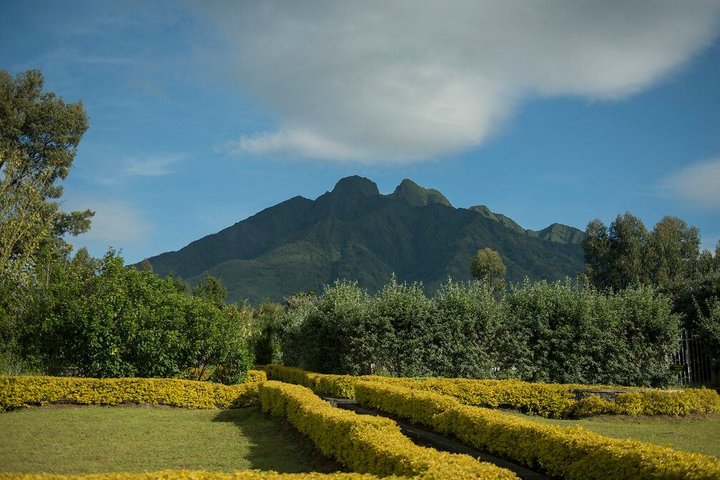
Mountain adventures in Uganda and Rwanda offer travelers an opportunity to explore some of East Africa’s most spectacular landscapes. From the misty forests of Bwindi Impenetrable National Park to the dramatic volcanic peaks of the Virunga Mountains, these destinations provide unforgettable hiking, gorilla trekking and wildlife experiences.
However, travelers preparing for these adventures often ask an important question: Can you experience altitude sickness during a Virunga or Bwindi hike?
The answer depends largely on the mountain or trekking route you choose. While altitude sickness is generally a greater concern on high Virunga volcano hikes such as Mount Bisoke and Mount Karisimbi, Bwindi gorilla trekking can still be physically demanding because of steep trails, dense vegetation, muddy conditions and long hours of hiking.
Understanding altitude, recognizing the symptoms of altitude sickness and preparing properly can help you enjoy your adventure safely and comfortably.
What Is Altitude Sickness?
Altitude sickness, also called acute mountain sickness (AMS), occurs when your body has difficulty adjusting to reduced oxygen availability at higher elevations.
As altitude increases, atmospheric pressure decreases and the amount of oxygen available with each breath becomes lower. Your body needs time to adapt to these conditions.
Altitude sickness is more commonly associated with elevations above approximately 2,500 metres above sea level, although some people can experience symptoms at lower elevations.
Common symptoms may include:
Headache, Dizziness, Nausea, Loss of appetite, Unusual tiredness, Difficulty sleeping, Shortness of breath during activity, General weakness
Not everyone experiences altitude sickness, and physical fitness alone does not guarantee protection.
Is Altitude Sickness a Concern on Virunga Mountain Hikes?
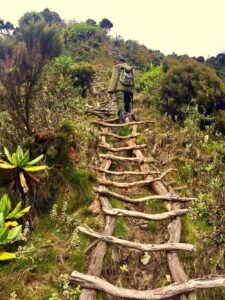
Yes. Altitude sickness is more relevant when hiking the higher Virunga volcanoes.
The Virunga Mountains stretch across Uganda, Rwanda and the Democratic Republic of Congo and contain several spectacular volcanic peaks.
Among the popular hiking destinations are:
Mount Bisoke, Mount Karisimbi, Mount Sabyinyo, Mount Gahinga
The higher you climb, the greater the potential impact of altitude.
Mount Bisoke
Mount Bisoke, located in Rwanda’s Volcanoes National Park, rises to approximately 3,711 metres above sea level.
The mountain is famous for its beautiful crater lake and is one of the most popular volcano hikes in the region.
Although the hike can be completed in a day, the elevation means some travelers may experience symptoms such as headaches, dizziness or unusual fatigue.
For visitors who have traveled directly from low elevations, allowing some time to adjust to the region before the hike can be helpful.
Mount Karisimbi
Mount Karisimbi presents a greater altitude challenge.
At approximately 4,507 metres above sea level, Karisimbi is the highest of Rwanda’s Virunga volcanoes and requires considerably more preparation than a typical day hike.
The climb is generally conducted over two days, with hikers spending a night at high elevation before continuing toward the summit.
The combination of altitude, cold temperatures, steep terrain and long hiking hours makes Karisimbi a serious mountain adventure.
Travelers planning to climb Karisimbi should take altitude and physical preparation seriously.
What About Mount Sabyinyo and Mount Gahinga?
Mount Sabyinyo and Mount Gahinga are also located in the Virunga region and offer challenging hiking experiences.
Mount Sabyinyo is particularly known for its steep and rugged terrain, including the famous section where hikers can reach a point where Uganda, Rwanda and the Democratic Republic of Congo meet.
Mount Gahinga is lower than Karisimbi but can still be physically demanding because of steep trails, vegetation and changing weather.
Although altitude sickness may be less of a concern than on Karisimbi, hikers should still prepare properly and communicate with their guides if they feel unwell.
Is Altitude Sickness a Concern During Bwindi Gorilla Trekking?
Bwindi is different from the high Virunga volcanoes.
Bwindi Impenetrable National Park is located at a relatively high elevation, but typical gorilla trekking in Bwindi is not generally considered a classic high-altitude expedition.
For most visitors, the bigger challenges are:
Steep forest trails, Long walking distances, Muddy conditions, High humidity, Dense vegetation, Uneven ground Frequent uphill and downhill sections
Gorilla trekking can last several hours depending on the location of the gorilla family and the conditions on the day.
Therefore, while altitude should not be ignored, physical endurance is usually a more important consideration for Bwindi gorilla trekking than altitude sickness itself.
Why Bwindi Gorilla Trekking Can Still Be Physically Challenging
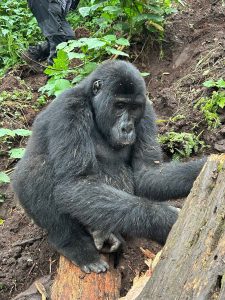
Do not assume that Bwindi is an easy hike simply because altitude sickness is less likely.
The name “Impenetrable Forest” gives an indication of the type of environment you may encounter.
Trails can pass through thick vegetation and steep hillsides. Rain can make the ground slippery and muddy, while warm and humid conditions can increase fatigue.
Some gorilla families may be located relatively close to the trailhead, while others may require several hours of hiking.
This means travelers should prepare for a genuine hiking experience.
Virunga Hikes vs Bwindi Gorilla Trekking
Although both destinations involve mountain environments, the physical experience is different.
| Experience | Main Challenge | Altitude Concern |
|---|---|---|
| Bwindi Gorilla Trekking | Steep terrain, mud, distance and humidity | Generally lower |
| Mount Gahinga | Steep volcanic terrain | Moderate |
| Mount Sabyinyo | Rugged and steep terrain | Moderate |
| Mount Bisoke | Long uphill climb and elevation | Higher |
| Mount Karisimbi | High altitude, cold, steepness and endurance | Significant |
This is why travelers should choose their itinerary according to their fitness, interests and previous hiking experience.
Symptoms of Altitude Sickness to Watch For
If you are hiking at higher elevations, learn to recognize the early warning signs.
Headache
A persistent headache after gaining elevation can be one of the first signs of altitude sickness.
Nausea
You may feel sick or lose interest in food.
Dizziness
Some hikers experience light-headedness or difficulty maintaining balance.
Unusual Fatigue
Feeling tired after a long hike is normal. However, extreme or unusual fatigue may be a warning sign.
Difficulty Sleeping
Some travelers experience disrupted sleep after reaching higher elevations.
Loss of Appetite
A reduced appetite can also occur.
If you develop symptoms while climbing, inform your guide rather than attempting to hide them.
When Does Altitude Sickness Become Dangerous?
Most cases of mild altitude sickness improve with rest and proper acclimatization. However, severe altitude illness can become life-threatening.
Serious warning signs include:
Confusion, Difficulty walking, Loss of coordination, Severe weakness, Shortness of breath while resting, Persistent cough, Severe headache that does not improve, Changes in consciousness
These symptoms require urgent attention.
Do not continue climbing if your symptoms are becoming worse.
Descent to a lower elevation is one of the most important treatments for serious altitude illness.
How to Reduce the Risk of Altitude Sickness
There is no guaranteed way to prevent altitude sickness, but sensible preparation can reduce the risk.
Allow Time for Acclimatization
If your itinerary allows, spend some time in the region before undertaking a high-altitude climb.
Avoid arriving from a low elevation and immediately attempting a demanding high-altitude mountain.
Climb Slowly
Do not race toward the summit.
Maintain a steady pace and take appropriate breaks.
A slow pace can help you conserve energy and adjust better to the changing elevation.
Stay Hydrated
Drink water regularly during your hike.
Dehydration can contribute to headaches and fatigue, which can make it difficult to distinguish ordinary exhaustion from altitude-related symptoms.
Get Enough Rest
Try to sleep well before your hike.
Starting a demanding mountain adventure while already exhausted can make the experience considerably harder.
Eat Properly
Your body needs energy during a long hike.
Carry convenient snacks such as:
Nuts, Energy bars, Bananas, Dried fruit, Chocolate, Other lightweight snacks
Avoid Alcohol During Acclimatization
Alcohol can interfere with sleep and hydration and is best avoided around high-altitude activities.
Listen to Your Guide
Your local guide is an important part of your safety team.
Tell your guide immediately if you experience unusual symptoms.
Does Physical Fitness Prevent Altitude Sickness?
No.
Being physically fit can make it easier to handle steep trails, long distances and strenuous hiking, but it does not make you immune to altitude sickness.
Even experienced hikers can experience altitude-related symptoms.
Likewise, someone with limited mountain experience may sometimes adjust well.
Altitude sickness is influenced by factors such as elevation, rate of ascent and individual susceptibility.
What Should You Pack for a Virunga or Bwindi Hike?
Proper equipment can make your hiking experience much more comfortable.
Depending on the trek, consider packing:
Waterproof hiking boots, Lightweight hiking trousers, Waterproof jacket, Warm layers, Gloves, Hat, Hiking socks, Walking poles, Reusable water bottle, Energy snacks, Small backpack, Sunscreen, Sunglasses, Personal medication, Basic first-aid supplies, Waterproof bags for electronics
For higher Virunga hikes such as Karisimbi, warm clothing is particularly important because temperatures can become very cold at high elevations.
Should You Hire a Porter?
Hiring a porter can be especially useful for demanding hikes.
A porter can carry some of your luggage, allowing you to concentrate on walking and conserving your energy.
Porters are also members of the local communities surrounding these tourism destinations, so hiring one can provide direct economic benefits to local people.
Altitude Sickness and Gorilla Trekking: What Travelers Should Remember
One of the most important things to understand is that gorilla trekking and high-altitude volcano climbing are different experiences.
A Bwindi gorilla trek can be demanding because of steep forest trails, mud, humidity and distance.
A Virunga volcano hike can involve these physical challenges while also exposing you to significantly higher elevations.
For example:
Bwindi: Physical endurance and challenging forest terrain are usually the main concerns.
Bisoke: The summit reaches approximately 3,711 metres, making altitude awareness more important.
Karisimbi: At approximately 4,507 metres, altitude becomes a major consideration.
Therefore, travelers should not use their experience of gorilla trekking as an indication that they are automatically prepared for a high Virunga volcano climb.
Can You Combine Gorilla Trekking With a Virunga Hike?
Absolutely.
Uganda and Rwanda offer excellent opportunities to combine gorilla trekking with mountain hiking and other wildlife experiences.
A well-planned itinerary could include:
Bwindi gorilla trekking, Mgahinga gorilla trekking, Golden monkey trekking, Mount Sabyinyo hiking, Mount Gahinga hiking, Mount Bisoke hiking, Mount Karisimbi climbing, Wildlife safaris, Cultural experiences
However, the itinerary should allow enough time for rest and recovery.
Trying to complete too many strenuous activities without adequate rest can make your safari unnecessarily exhausting.
Who Should Speak to a Doctor Before a High-Altitude Hike?
If you have concerns about your ability to handle altitude, speak with a qualified healthcare professional before your trip.
This is particularly important if you have an underlying medical condition, take regular medication or have previously experienced problems at altitude.
A healthcare professional can provide advice specific to your circumstances, including whether preventive medication may be appropriate.
Final Thoughts
Altitude sickness is an important consideration for travelers planning high-altitude adventures in Uganda and Rwanda, but it should not prevent you from exploring these incredible destinations.
For Bwindi gorilla trekking, the main physical challenges are generally the steep forest terrain, long walking distances, mud, humidity and unpredictable trail conditions.
For Virunga volcano hikes, especially Mount Bisoke and Mount Karisimbi, altitude becomes increasingly important as you climb higher.
The best approach is to prepare properly, maintain a comfortable pace, stay hydrated, get adequate rest and communicate with your guide whenever you feel unwell.
Most importantly, never ignore serious altitude symptoms simply because you want to reach the summit. Your safety comes first.
Plan Your Uganda and Rwanda Trekking Adventure With Fuga Tours and Travel
Whether you dream of tracking mountain gorillas in Bwindi, climbing the Virunga volcanoes, searching for golden monkeys or combining your trek with a Uganda or Rwanda wildlife safari, proper planning can make your journey more enjoyable.
Fuga Tours and Travel can help you plan a customized Uganda and Rwanda adventure based on your travel dates, interests, fitness level and preferred safari experience.
Ready to explore Bwindi and the Virunga Mountains? Plan your trekking adventure with Fuga Tours and Travel and discover the mountains, forests, gorillas and wildlife of East Africa.