
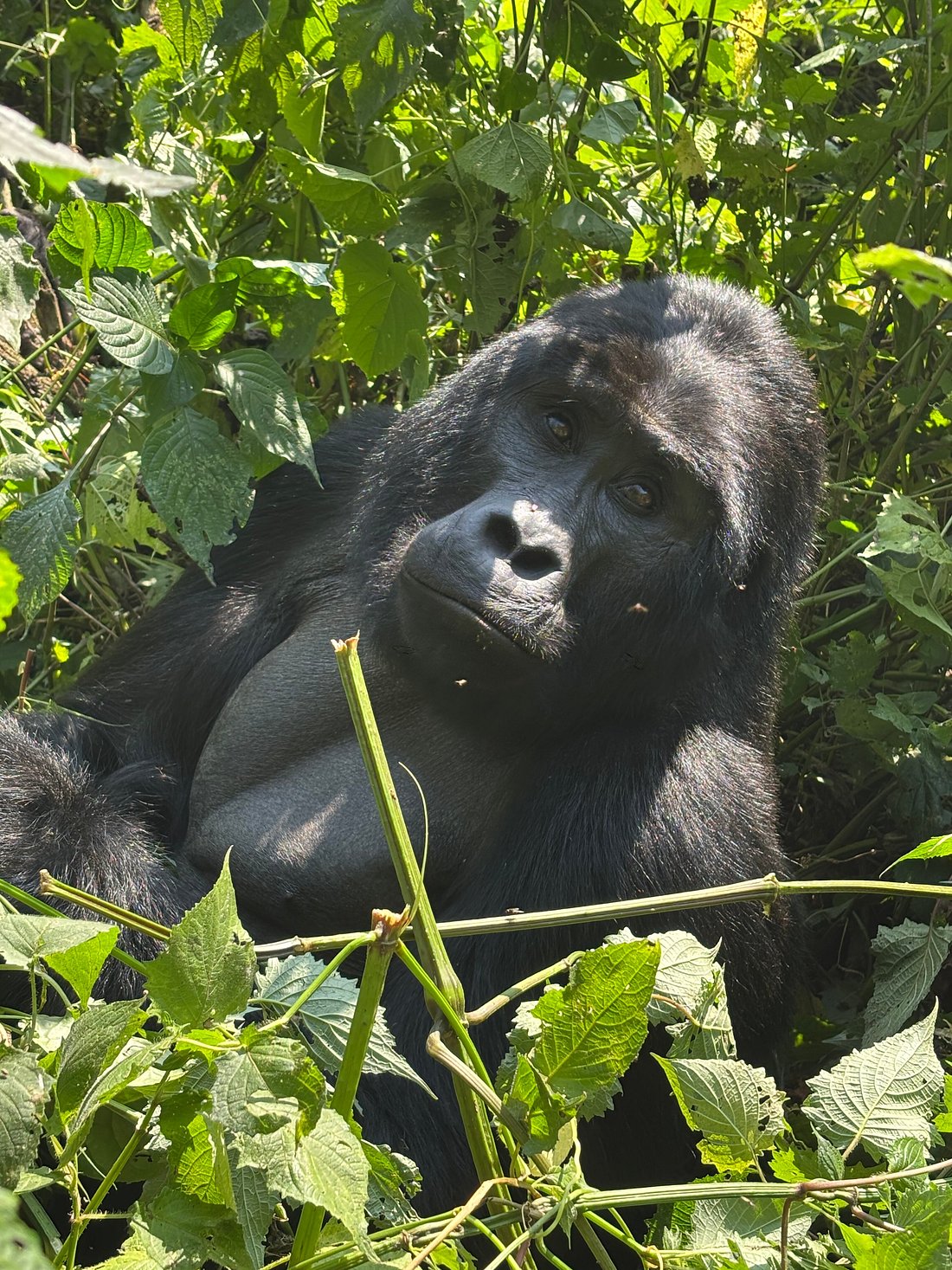
Gorilla trekking in Uganda or Rwanda is one of Africa’s most unforgettable wildlife experiences. Walking through dense rainforest, climbing steep slopes and following experienced trackers through the natural habitat of mountain gorillas is an adventure unlike an ordinary wildlife safari.
However, gorilla trekking can also be physically demanding. Trails may be muddy, slippery, steep, wet and uneven, and weather conditions can change quickly. Having the right gorilla trekking gear can make the difference between struggling through the forest and enjoying your trek comfortably.
From waterproof hiking boots and lightweight clothing to trekking poles, rain jackets, gloves and daypacks, choosing the right equipment is an important part of preparing for your gorilla safari.
This guide explains the best trekking gear and poles for gorilla trekking in Uganda and Rwanda, what you really need, what you can rent or hire, and how to prepare for different trail conditions.
Why Good Trekking Gear Matters for Gorilla Trekking
Mountain gorillas live in mountainous rainforest environments. Gorilla trekking destinations such as Bwindi Impenetrable National Park and Mgahinga Gorilla National Park in Uganda, as well as Volcanoes National Park in Rwanda, have challenging terrain.
You may encounter:
Steep slopes, Muddy trails, Wet vegetation, Dense forest, Tree roots, Rocks and uneven ground, Thorny vegetation, Rain, Humidity, Long walking distances, High-altitude terrain
Good trekking equipment helps protect you from the weather, improves your balance and keeps you comfortable throughout the hike.
The goal is not to carry the most expensive equipment. Instead, choose practical, lightweight and durable gear suitable for tropical mountain trekking.
Essential Gorilla Trekking Gear Checklist
Before travelling for your gorilla trekking adventure, make sure you have the following essentials:
Waterproof hiking boots,
Long hiking trousers,
Moisture-wicking T-shirts
, Long-sleeved shirt, Waterproof rain jacket,
Lightweight fleece or warm layer,
Gardening or trekking gloves,
Wide-brimmed hat or cap,
Comfortable socks,
Waterproof backpack or backpack cover,
Reusable water bottle, Trekking poles
Sunglasses
Sunscreen
Insect repellent
Personal medication
Camera and spare batteries
Waterproof bags for electronics
Lightweight snacks
Walking trousers or convertible hiking pants
Not everything needs to be expensive or highly specialized. What matters most is that your gear is comfortable, weather-resistant and appropriate for forest trekking.
Hiking Boots: One of the Most Important Items
If there is one piece of equipment you should prioritize for gorilla trekking, it is good hiking footwear.
The forest floor can become very muddy, especially during rainy periods. You may also need to walk across slippery slopes, roots and uneven ground.
Choose hiking boots with:
Strong ankle support, Good traction, Waterproof or water-resistant construction, Comfortable inner padding, Durable soles, A secure fit
Avoid wearing brand-new boots on your gorilla trek. Break them in before your safari to prevent blisters and discomfort.
Should You Wear Hiking Shoes or Boots?
Low-cut hiking shoes can work on easier trails, but mid- or high-cut hiking boots are generally better for gorilla trekking because they provide additional ankle support and protection.
For particularly wet or muddy conditions, some trekking operators and lodges may provide or recommend rubber boots.
Trekking Poles for Gorilla Trekking
Trekking poles are among the most useful pieces of equipment for gorilla trekking, especially when hiking through steep or muddy terrain.
A good trekking pole can help you:
Maintain balance, Reduce strain on your knees, Improve stability on descents, Navigate slippery trails, Cross uneven ground, Assist with climbing steep sections
You do not necessarily need two poles. Some trekkers prefer one pole because it leaves one hand free for taking photographs or holding onto vegetation where appropriate.
Others prefer two poles for additional balance and support.
What Makes a Good Trekking Pole?
Look for poles that are:
Lightweight, Adjustable, Strong, Easy to pack, Comfortable to hold, Equipped with good grips, Designed with durable tips
Aluminum trekking poles are popular because they are durable and generally affordable. Carbon-fiber poles are lighter but can be more expensive and may be less forgiving under heavy impact.
For most gorilla trekkers, a lightweight adjustable trekking pole is more than sufficient.
Should You Bring Your Own Trekking Poles?
You can bring your own trekking poles if you already have a pair that you like.
However, travellers who do not own trekking poles do not necessarily need to purchase them specifically for a gorilla safari.
Depending on the trekking location and tour arrangements, walking sticks may be available locally, and porters can also assist trekkers along challenging sections.
If you are planning to trek in Bwindi, ask your tour operator about the availability of walking sticks or trekking equipment before travelling.
Waterproof Rain Jacket
Rain is one of the biggest considerations when preparing for gorilla trekking.
Mountain rainforest weather can change quickly. Even if the morning begins with sunshine, rain can develop later in the day.
A lightweight waterproof rain jacket should therefore be part of your essential gear.
Look for a jacket that is:
Waterproof, Breathable, Lightweight, Easy to pack, Long enough to protect your upper body, Suitable for layering
A rain jacket is preferable to relying only on an umbrella because you need your hands free while trekking.
Waterproof Trousers
Waterproof trousers can be particularly useful during rainy weather.
They can protect your legs from:
Heavy rain, Wet vegetation, Mud,Moisture from dense vegetation
You do not necessarily have to wear them throughout the trek. Carry them in your backpack and put them on if rain begins.
Long Trousers
Long trousers are highly recommended for gorilla trekking.
They protect your legs from:
Thorny vegetation, Insects, Mud, Scratches, Wet vegetation
Choose lightweight hiking trousers that allow freedom of movement.
Avoid very heavy trousers because the rainforest can become warm and humid.
Convertible trousers can also be useful because they allow you to adjust your clothing depending on the weather.
Long-Sleeved Shirts
A lightweight long-sleeved hiking shirt is another useful item.
It provides protection from:
Insects, Sun exposure, Branches, Thorny plants, Wet vegetation
Choose moisture-wicking materials where possible.
Cotton shirts are comfortable, but they can remain wet for a long time after sweating or getting caught in rain. Synthetic or technical hiking fabrics generally dry faster.
Gardening or Trekking Gloves
A pair of sturdy gloves can be surprisingly useful during gorilla trekking.
You may occasionally need to use your hands for balance when moving through steep terrain.
Gloves help protect your hands from:
Thorny plants Rough vegetation, Mud, Wet branches, Minor scratches
Simple gardening gloves with good grip can work well. You do not necessarily need expensive mountaineering gloves.
Comfortable Hiking Socks
Good socks can prevent blisters and keep your feet comfortable during long hikes.
Consider carrying at least one spare pair.
Choose socks that:
Fit properly, Wick moisture, Reduce friction, Provide some cushioning, Work well with your hiking boots
Avoid wearing loose socks that bunch up inside your boots.
Backpack or Daypack
You do not need a large backpack for gorilla trekking.
A small, comfortable daypack is usually sufficient.
A 15–30 litre backpack can carry most of the essentials you need for the trek.
Your daypack can contain:
Water, Snacks, Rain jacket, Camera, Extra socks, Gloves, Sunscreen Insect repellent, Personal medication, Phone, Waterproof bags
Avoid overpacking. A heavy backpack becomes uncomfortable during a steep forest hike.
Waterproof Backpack Cover
Even if your backpack is advertised as water-resistant, carrying a waterproof cover is a good idea.
A sudden tropical downpour can soak clothing, cameras, documents and electronics.
Alternatively, place important items inside waterproof dry bags or sealed plastic bags inside your backpack.
Water Bottle or Hydration System
Gorilla trekking can involve several hours of physical activity.
Carry enough drinking water for the trek.
A reusable water bottle is a practical option. Some hikers prefer hydration bladders because they can drink without removing the backpack.
Your tour operator can advise you on how much water to carry depending on the planned trek.
Hat or Cap
A lightweight hat can protect you from direct sunlight during exposed sections of the trail.
A wide-brimmed hat provides more protection, while a simple hiking cap is easier to pack.
Even though much of the trek takes place under forest cover, you may still encounter open areas
Insect Repellent
Gorilla trekking takes place in natural forest environments where insects are present.
Apply insect repellent to exposed skin and follow the product instructions.
Wearing long trousers and long sleeves also provides an additional physical barrier.
Sunscreen and Sunglasses
Even under forest cover, sunscreen is useful.
Apply sunscreen before starting your trek, particularly to exposed areas such as:
Face, Neck, Ears, Hands
Sunglasses can also be useful during sunny sections of the trail.
Waterproof Bags for Electronics
Your phone and camera should be protected from rain and humidity.
Carry:
Waterproof phone pouch, Dry bag, Zip-lock bags, Camera rain cover
These inexpensive items can prevent expensive equipment from being damaged by unexpected rain.
Camera Equipment
Gorilla trekking offers extraordinary photography opportunities.
However, avoid carrying an unnecessarily heavy camera setup.
A practical setup might include:
Camera body, One versatile lens, Spare battery, Memory card, Rain cover, Small dry bag
A smartphone can also capture excellent memories if you prefer travelling light.
Remember that photography should never interfere with the trekking experience or the rules established to protect the gorillas.
What to Wear on Your Gorilla Trek
A practical gorilla trekking outfit can include:
Upper body:
Moisture-wicking T-shirt, Long-sleeved shirt, Lightweight fleece, Waterproof rain jacket
Lower body:
Lightweight hiking trousers, Waterproof trousers if necessary
Feet:
Comfortable hiking socks, Waterproof hiking boots
Hands and head:
Trekking or gardening gloves, Hat or cap
This layering system allows you to adjust your clothing as conditions change.
Best Trekking Poles for Different Types of Trekkers
Different travellers may prefer different types of trekking poles.
For beginners
Choose a lightweight adjustable aluminum trekking pole. It is affordable, durable and easy to use.
For experienced hikers
A lightweight carbon-fiber pole can be an excellent choice if reducing pack weight is important.
For travellers on a budget
A simple adjustable hiking pole is sufficient. There is no need to purchase premium equipment simply for one gorilla trek.
For travellers with knee concerns
Two trekking poles may provide additional stability on steep descents and ascents. However, anyone with an existing medical or mobility concern should seek appropriate professional advice before undertaking a demanding trek.
One Trekking Pole or Two?
This depends on your personal preference and the terrain.
One pole
Advantages include:
Lighter, Leaves one hand free, Easy to carry, Useful for occasional balance
Two poles
Advantages include:
Greater stability, Better balance, Helpful on steep slopes, Can reduce some strain on the legs
For challenging terrain, many hikers prefer two poles.
However, a trekking pole is not a substitute for proper footwear, fitness or assistance from experienced guides and porters.
Do You Need a Porter for Gorilla Trekking?
Hiring a porter is one of the best ways to make your gorilla trekking experience easier.
Porters can assist with:
Carrying your backpack, Providing support on difficult sections, Helping you navigate challenging terrain, Carrying water and personal items
Hiring a porter also provides an important source of income for local communities around gorilla trekking destinations.
Even if you are physically fit, hiring a porter can allow you to concentrate more on the forest and the gorilla experience instead of carrying a heavy backpack.
Gear for Gorilla Trekking During the Rainy Season
If you are trekking during wetter months, place extra emphasis on waterproof equipment.
Consider carrying:
Waterproof hiking boots, Rain jacket, Waterproof trousers, Backpack rain cover, Waterproof phone pouch, Dry bags, Extra socks, Waterproof gloves or gardening gloves
Your clothing should be layered so that you can adapt to changing temperatures and rainfall.
Gear for Gorilla Trekking During Drier Months
Drier periods can still experience rainfall because gorilla trekking takes place in rainforest environments.
During relatively drier conditions, you may prioritize:
Breathable hiking clothing, Lightweight trousers, Hiking boots, Trekking poles, Hat, Sunglasses, Sunscreen, Insect repellent, Rain jacket
Never assume that a dry-season gorilla trek will be completely rain-free.
What NOT to Pack for Gorilla Trekking
Avoid carrying unnecessary heavy equipment.
You generally do not need:
Large suitcases, Heavy camping equipment, Multiple pairs of shoes, Excessive clothing, Large amounts of food, Bulky camera equipment, Unnecessary electronics
Remember that you may be hiking for several hours. The lighter your daypack, the more comfortable you are likely to be.
Gorilla Trekking Gear: Quick Checklist
Before leaving your lodge, check that you have:
Hiking boots
Long hiking trousers
Long-sleeved shirt
T-shirt
Waterproof jacket
Trekking poles or walking stick
Gardening gloves
Comfortable socks
Hat
Water bottle
Small backpack
Backpack rain cover
Insect repellent
Sunscreen
Camera or phone
Waterproof bags
Snacks
Personal medication
How to Prepare Your Trekking Gear Before Your Safari
Do not wait until you arrive in Uganda or Rwanda to test all your equipment.
Before travelling:
Break in your hiking boots.
Walk in them several times before your safari.
Test your trekking poles.
Learn how to adjust and lock them correctly.
Try your backpack.
Make sure it fits comfortably.
Test your rain jacket.
Make sure it is waterproof and easy to put on.
Pack your equipment in waterproof bags.
This protects important items from rain.
Practice walking with your gear.
A short hike with your actual equipment can help you identify problems before the gorilla trek.
Why Proper Gear Makes Gorilla Trekking Better
The purpose of good trekking gear is not simply to look like an experienced hiker.
Good equipment helps you:
Stay dry, Maintain balance, Protect your feet, Reduce discomfort, Carry your essentials, Adapt to changing weather, Enjoy the forest experience
The right gear allows you to focus on what really matters: the extraordinary experience of encountering mountain gorillas in their natural habitat.
Plan Your Gorilla Trekking Adventure
Gorilla trekking in Uganda and Rwanda requires careful planning, particularly when it comes to permits, accommodation, transportation, park regulations and choosing the right trekking sector.
Whether you are planning a Bwindi gorilla trekking safari, Mgahinga gorilla trek or Rwanda gorilla trekking experience, preparing the right equipment is an important part of your journey.
At Fuga Tours and Travel, we can help you plan your gorilla trekking adventure, including transportation, accommodation, permits and safari arrangements.
From choosing the right trekking sector to preparing for the forest conditions, our team can help you organize a comfortable and memorable gorilla trekking experience.
Book Your Gorilla Trekking Safari with Fuga Tours and Travel
Ready to experience mountain gorillas in the forests of Uganda or Rwanda?
Plan your gorilla trekking adventure with Fuga Tours and Travel and let us help you prepare for an unforgettable journey.
Contact Fuga Tours and Travel today to discuss your preferred travel dates, trekking destination, accommodation and safari itinerary.
Your gorilla adventure begins with proper preparation—and the right trekking gear.