
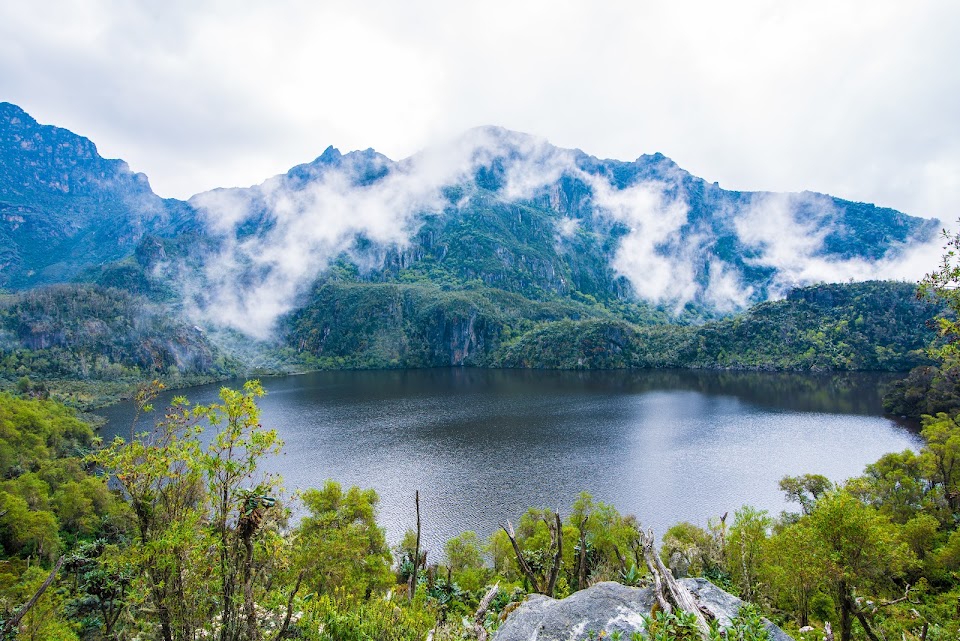
How Difficult Is the Rwenzori Mountains Trek? The Rwenzori Mountains, famously known as the Mountains of the Moon, are among Africa’s most spectacular yet challenging hiking destinations. Located along the border between Uganda and the Democratic Republic of Congo, the Rwenzori Mountains offer a unique trekking experience featuring dense tropical forests, beautiful waterfalls, giant lobelias, alpine valleys, glaciers and snow-capped peaks.
However, one question many adventure travelers ask before booking their trip is: How difficult is the Rwenzori Mountains trek?
The honest answer is that trekking in the Rwenzori Mountains is physically demanding, and the level of difficulty depends on your chosen route, trekking duration, altitude, physical fitness and hiking experience.
Unlike some African mountain hikes that involve relatively dry and straightforward trails, the Rwenzoris are famous for their muddy paths, slippery rocks, steep climbs, changing weather conditions and challenging high-altitude terrain.
Whether you are planning a short nature hike or an ambitious climb to Margherita Peak, understanding the difficulty will help you prepare properly.
This guide explains the challenges, fitness requirements, trekking routes, preparation tips and what to expect when hiking the Rwenzori Mountains with an experienced local trekking team.
1. How Difficult Is the Rwenzori Mountains Trek?
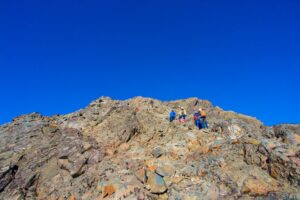
The Rwenzori Mountains trek is generally considered challenging to very difficult, particularly for travelers attempting to reach Margherita Peak, the highest point in the Rwenzori range at approximately 5,109 meters above sea level.
The difficulty comes from several factors:
-
Steep mountain trails: Some sections involve long uphill climbs and steep descents.
-
Muddy and slippery paths: Rainfall can make trails difficult to navigate.
-
High altitude: As you climb higher, the air becomes thinner, increasing the risk of altitude sickness.
-
Unpredictable weather: Rain, cold temperatures, fog and strong winds can affect trekking conditions.
-
Long hiking days: Some trekking days involve several hours of continuous walking.
-
Technical climbing sections: Reaching Margherita Peak involves glacier travel, climbing equipment and specialized guiding.
For travelers with good physical fitness, proper preparation and an experienced mountain crew, the trek is achievable. However, it should not be treated as an ordinary sightseeing walk.
2. Why Is Hiking the Rwenzori Mountains So Challenging?
Several natural conditions make the Rwenzori Mountains more demanding than many other hiking destinations in East Africa.
A. Muddy and slippery trails One of the biggest challenges is the muddy terrain. The Rwenzori Mountains receive considerable rainfall, and some sections remain wet throughout the year.
Hikers encounter:
-
Deep mud and boggy ground.
-
Slippery wooden bridges and boardwalks.
-
Wet rocks and exposed tree roots.
-
Uneven mountain paths.
-
Steep and slippery downhill sections.
Good waterproof hiking boots with strong ankle support and reliable grip are essential.
B. High altitude and reduced oxygen Altitude is another major challenge, particularly for travelers attempting higher elevations.
As you climb, atmospheric pressure decreases, meaning less oxygen is available with each breath. This can cause headaches, fatigue, nausea, dizziness and shortness of breath.
Margherita Peak stands at approximately 5,109 meters, making altitude acclimatization an important part of the climbing experience.
Travelers should follow their guides’ instructions, maintain a comfortable pace and report any symptoms of altitude sickness immediately.
C. Cold temperatures and unpredictable weather Although Uganda is located near the equator, the Rwenzori Mountains experience cold conditions at higher elevations.
Weather can change quickly, and hikers may experience sunshine, rain, fog and cold winds within a short period.
At higher elevations, temperatures can fall below freezing, particularly around the glaciers.
D. Long trekking days Some trekking days involve between five and eight hours of hiking, although the actual duration depends on the route, weather, altitude and individual walking speed.
Long days on steep and muddy trails can be physically exhausting, even for experienced hikers.
3. How Difficult Is Climbing Margherita Peak?
Climbing Margherita Peak is one of the most demanding mountain adventures in Uganda.
Standing at approximately 5,109 metres, it is the highest summit in the Rwenzori Mountains and the third-highest mountain peak in Africa.
Reaching the summit requires more than ordinary hiking fitness.
The final climbing sections may involve:
-
Steep rocky terrain.
-
Glacier crossings.
-
Snow and ice conditions.
-
Ropes, harnesses and crampons.
-
Exposure to cold temperatures and strong winds.
-
Careful movement over technical sections.
Climbers must use qualified mountain guides and appropriate technical equipment. Previous experience at altitude is helpful, and familiarity with glacier travel is an advantage.
Is Margherita Peak suitable for beginners?
It is not recommended for completely inexperienced hikers without adequate preparation. However, determined beginners with excellent physical conditioning, sufficient acclimatization time and professional mountain support may be able to undertake the expedition.
The final decision should always depend on the climber’s fitness, health, weather conditions and the assessment of the guiding team.
4. Rwenzori Trekking Routes and Their Difficulty Levels
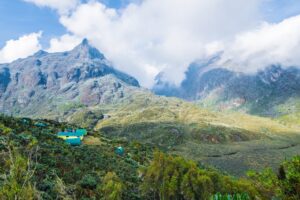
The Rwenzori Mountains have different trekking routes, allowing visitors to choose an adventure according to their fitness, available time and climbing ambitions.
The main routes include the Central Circuit and Kilembe Trail.
| Trekking route | General difficulty | Best suited for |
|---|---|---|
| Central Circuit | Challenging to very difficult | Multi-day mountain trekkers |
| Kilembe Trail | Challenging to very difficult | Experienced adventure hikers |
| Short foothill hikes | Easy to moderate | Beginners and nature lovers |
| Margherita Peak climb | Very difficult | Well-prepared high-altitude climbers |
A. Central Circuit Route The Central Circuit is one of the most established trekking routes in the Rwenzori Mountains.
It takes hikers through beautiful mountain landscapes, including tropical forests, bamboo zones, alpine vegetation and high-altitude valleys.
The route provides access to several mountain huts and can be used for longer expeditions to the higher peaks.
Difficulty level: Challenging to very difficult.
Recommended for: Travelers who enjoy multi-day hiking and have good physical fitness.
B. Kilembe Trail The Kilembe Trail begins near Kasese and takes hikers through the southern side of the Rwenzori Mountains.
It is known for spectacular scenery, beautiful valleys, waterfalls, alpine landscapes and access to Mount Baker and Mount Stanley.
It is also a popular option for travelers planning longer mountain expeditions.
Difficulty level: Challenging to very difficult.
Recommended for: Adventure travelers looking for an extended mountain trekking experience.
C. Short Rwenzori Nature Hikes Not everyone visiting the Rwenzori Mountains needs to climb Margherita Peak.
Shorter guided hikes around the foothills and lower mountain areas provide opportunities to experience the mountain’s forests, rivers, waterfalls and local communities.
Difficulty level: Easy to moderate, depending on the selected trail.
Recommended for: Beginners, families with suitable-age children and travelers with limited time.
5. How Fit Do You Need to Be to Trek the Rwenzori Mountains?
You do not need to be a professional athlete to trek the Rwenzori Mountains, but you should have a good level of physical fitness, especially if you are planning a multi-day expedition.
The mountain requires endurance, balance, strength and the ability to walk for several hours across uneven terrain.
Before booking your trek, consider the following fitness requirements.
Cardiovascular endurance
You should be comfortable walking for several hours without becoming excessively exhausted. Activities such as swimming, cycling, jogging and brisk walking can help improve cardiovascular fitness.
Leg strength
Strong legs are important because the Rwenzori trails involve steep uphill climbs, long descents and uneven surfaces. Exercises such as squats, lunges and step-ups can help prepare your muscles.
Balance and stability
You will frequently walk across muddy paths, slippery rocks and wooden bridges. Good balance helps reduce the risk of slipping and falling.
Mental preparation
Mountain trekking is not only physically demanding but also mentally challenging. You may encounter cold weather, rain, fatigue and difficult sections that require patience and determination.
How long should you train before trekking?
Ideally, start preparing at least 8–12 weeks before your planned expedition. If you have little hiking experience, allow more time.
A useful preparation routine includes:
-
Walking or hiking three to four times per week.
-
Practicing uphill and downhill walking.
-
Taking longer weekend hikes with a backpack.
-
Strengthening your legs and core muscles.
-
Practicing with the hiking boots you intend to use.
-
Gradually increasing your walking distance and elevation.
Your training should reflect the length and difficulty of your planned trek.
6. How Many Days Does It Take to Trek the Rwenzori Mountains?
The number of days required depends on your chosen route and whether you intend to reach one of the mountain summits.
Shorter hikes can be completed in a day, while longer expeditions to Margherita Peak generally require approximately 7–10 days or more, depending on the route and itinerary.
Here is a general guide:
| Trekking experience | Approximate duration |
|---|---|
| Foothill nature hike | 1 day |
| Short mountain trekking experience | 2–3 days |
| Extended mountain expedition | 5–7 days |
| Margherita Peak expedition | 7–10+ days |
These are indicative planning ranges rather than fixed itineraries. Actual durations vary between operators, routes, acclimatization plans and weather conditions.
Why are longer treks sometimes easier to manage?
Longer itineraries can allow more gradual altitude gain, additional acclimatization and sufficient recovery time. Although they involve more walking overall, they may make high-altitude climbing more manageable.
Avoid choosing an extremely short itinerary simply to save money. Proper acclimatization is essential for your safety.
7. What Are the Most Difficult Sections of the Rwenzori Trek?
Some sections of the Rwenzori Mountains are particularly challenging because of their elevation, terrain and weather conditions.
The Bigo Bog The Bigo Bog is one of the memorable and demanding sections of the Central Circuit.
Hikers encounter wet and boggy ground, where wooden boardwalks help provide passage through parts of the swamp.
The challenge is maintaining balance while navigating slippery surfaces and uneven vegetation.
The Upper mountain sections As hikers gain elevation, vegetation becomes thinner, temperatures become colder and the terrain becomes more exposed.
The combination of altitude, cold and physical exhaustion can make these sections difficult.
Elena Hut and the approach to Mount Stanley Elena Hut is an important overnight stop for climbers attempting Margherita Peak through the Central Circuit.
The surrounding terrain is rocky and demanding, and climbers must be prepared for cold conditions and an early start toward the summit.
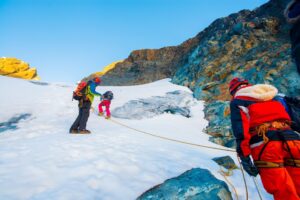
The Margherita Peak glacier section This is among the most technical parts of the expedition.
Depending on current glacier conditions, climbers may need crampons, ropes, harnesses and other mountaineering equipment.
This section should only be attempted with qualified guides and appropriate technical preparation.
8. Can Beginners Trek the Rwenzori Mountains?
Yes. Beginners can experience the Rwenzori Mountains, but they should choose an appropriate hiking route.
There is an important difference between visiting the lower mountain areas and attempting to climb Margherita Peak.
If you are a beginner, consider:
-
Short guided nature walks around the foothills.
-
Lower-elevation forest hikes.
-
Day hikes with manageable distances.
-
Gradual multi-day trekking itineraries after appropriate preparation.
If your dream is to reach Margherita Peak, do not assume that being a beginner automatically makes it impossible. However, you should undertake a serious training programmer, allow enough time for acclimatization and follow the advice of your professional guides.
A shorter hike is an excellent way to discover whether you enjoy the Rwenzori terrain before committing to a major expedition.
9. How Does the Rwenzori Trek Compare with Mount Kilimanjaro?
Travelers planning an African mountain adventure often compare the Rwenzori Mountains with Mount Kilimanjaro.
Both mountains offer spectacular high-altitude experiences, but their trekking conditions are quite different.
| Feature | Rwenzori Mountains | Mount Kilimanjaro |
|---|---|---|
| Highest peak | Margherita Peak, 5,109 m | Uhuru Peak, 5,895 m |
| Terrain | Often muddy, boggy and rocky | Varies from forest to alpine desert and scree |
| Weather | Wet and unpredictable | Varies by route and season |
| Main challenge | Mud, steep terrain, altitude and technical sections | Altitude, long summit day and endurance |
| Technical climbing | Required for Margherita glacier sections | Standard trekking routes do not normally require technical climbing |
| Experience | Remote, rugged mountain wilderness | Established high-altitude trekking routes |
Which is more difficult? There is no universal answer because difficulty depends on the route, conditions and individual fitness.
The Rwenzori can feel more technically demanding because of its muddy terrain, wet conditions and glacier climbing requirements. Kilimanjaro is higher and presents a significant altitude challenge, particularly during the summit attempt.
If you enjoy rugged wilderness and technical mountaineering, the Rwenzori may be appealing. If you prefer a more established trekking infrastructure, Kilimanjaro may be a better choice.
10. Best Time to Trek the Rwenzori Mountains
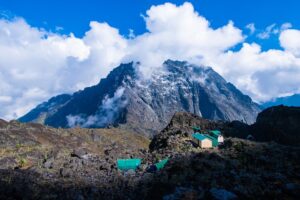
Choosing the right season can make a difference to your trekking experience.
The Rwenzori Mountains experience rainfall throughout the year, but some periods are generally drier and more favorable for climbing.
The commonly preferred trekking periods are:
-
June to August: Generally a favorable period for trekking, although rainfall can still occur.
-
December to February: Another popular period with comparatively drier conditions.
The wetter periods are generally March to May and September to November.
However, mountain weather is unpredictable. Even during the drier months, hikers should expect rain, mud and cold temperatures.
For Margherita Peak, the condition of the glacier and current weather forecast should be assessed before departure. The best time for your trek should be confirmed with your local mountain operator.
11. Essential Equipment for a Rwenzori Mountains Trek
Packing the right equipment is extremely important because poor preparation can make an already challenging trek much harder.
Here are the essential items to consider.
| Equipment | Why you need it |
|---|---|
| Waterproof hiking boots | Grip, ankle support and protection |
| Waterproof jacket | Protection from rain and wind |
| Warm insulating layers | Protection against cold temperatures |
| Waterproof trousers | Help keep your legs dry |
| Gaiters | Prevent mud and water entering boots |
| Trekking poles | Improve balance and reduce strain |
| Warm gloves | Protect your hands from cold |
| Wool or thermal socks | Keep your feet warm |
| Headlamp | Useful for early starts and dark conditions |
| Sleeping bag | Suitable warmth for mountain huts |
| Backpack | Carry personal essentials |
| Water bottle or hydration system | Maintain hydration |
| Sunscreen and sunglasses | Protection against high-altitude sun |
For Margherita Peak, technical equipment such as crampons, helmets, harnesses and ropes may be necessary. Your trekking operator and guides should confirm what is required and what they provide.
Do not assume that ordinary hiking equipment is sufficient for a glacier expedition.
12. How to Avoid Altitude Sickness During the Rwenzori Trek
Altitude sickness is one of the most important health considerations when climbing the Rwenzori Mountains.
It can affect anyone, regardless of age or physical fitness.
Some common symptoms include:
-
Headaches.
-
Nausea or vomiting.
-
Dizziness.
-
Loss of appetite.
-
Unusual tiredness.
-
Difficulty sleeping.
To reduce the risk:
-
Choose an itinerary that allows gradual altitude gain.
-
Walk slowly and avoid unnecessary rushing.
-
Drink enough fluids.
-
Eat regularly to maintain energy.
-
Follow your guide’s acclimatization instructions.
-
Inform your guide immediately if you develop symptoms.
-
Never continue ascending when experiencing suspected altitude sickness without appropriate assessment.
Severe symptoms, including difficulty breathing at rest, confusion or problems walking straight, require urgent medical attention and descent.
Good physical fitness does not prevent altitude sickness. Even experienced climbers can be affected.
13. Why Should You Trek the Rwenzori Mountains Despite the Difficulty?
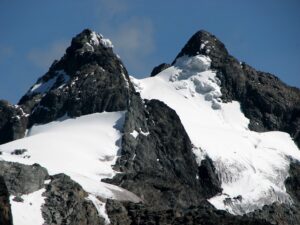
Although the Rwenzori Mountains are challenging, the rewards make the experience worthwhile.
Unique mountain vegetation The Rwenzori Mountains contain extraordinary vegetation, including giant lobelias, groundsels and other alpine plants that create an almost otherworldly landscape.
Beautiful waterfalls and rivers The mountain is home to streams, rivers and waterfalls flowing through its forested slopes and valleys.
Spectacular mountain scenery Trekkers enjoy beautiful views of alpine valleys, rocky peaks, glaciers and dramatic mountain landscapes.
A less conventional African adventure Unlike more established mountain destinations, the Rwenzori offers a rugged wilderness experience that appeals to travelers looking for something different.
Wildlife and birdlife The lower forests and mountain habitats support different bird species and wildlife, making the trek interesting for nature lovers.
Personal achievement Reaching a high mountain summit after several days of challenging hiking is a rewarding achievement. Even without reaching Margherita Peak, completing a multi-day Rwenzori expedition can be an unforgettable experience.
14. Who Should Avoid the Difficult Rwenzori Summit Trek? Although many people can enjoy the lower mountain trails, the high-altitude summit expedition is not suitable for everyone.
Extra caution is necessary for:
-
Travelers with serious heart or lung conditions.
-
People with medical conditions that may be worsened by high altitude.
-
Individuals who cannot comfortably manage prolonged physical activity.
-
Travelers who are unwilling to spend several days hiking in cold and wet conditions.
-
People who are not prepared for technical glacier climbing when attempting Margherita Peak.
If you have an underlying medical condition, consult a qualified healthcare professional before booking a high-altitude expedition.
Travelers should also consider comprehensive travel insurance that specifically covers high-altitude trekking, mountaineering and emergency evacuation where applicable.
15. Why Book Your Rwenzori Trek with an Experienced Local Tour Operator?
Choosing the right trekking company like Fuga tours and travel can make a significant difference to your Rwenzori Mountains experience.
Because the mountain presents challenging terrain, unpredictable weather and high-altitude conditions, proper organization and professional support are essential.
A reliable local tour operator can help you with:
-
Selecting the most appropriate trekking route.
-
Arranging experienced mountain guides.
-
Organizing porters and mountain support teams.
-
Providing information about accommodation and mountain huts.
-
Advising on the correct trekking equipment.
-
Organizing transportation to and from the mountain.
-
Planning suitable acclimatization schedules.
-
Coordinating safety procedures and emergency arrangements.
Before booking, ask about the experience of the guides, equipment availability, evacuation arrangements, accommodation, park fees and what is included in your trekking package.
Do not choose a trekking company based on price alone. Safety, guide experience and the quality of mountain support should be your priorities.
16. Frequently Asked Questions About the Difficulty of Trekking the Rwenzori Mountains
1. Is the Rwenzori Mountains trek difficult for beginners?
The Rwenzori Mountains can be difficult for beginners, especially on multi-day expeditions. However, beginners can enjoy shorter hikes around the foothills and lower mountain areas. Those attempting Margherita Peak need considerably more preparation.
2. How many days does it take to climb Margherita Peak?
A typical Margherita Peak expedition takes approximately 7–10 days or longer, depending on the route, itinerary and acclimatization requirements.
3. Do you need previous hiking experience to climb the Rwenzori Mountains?
Previous hiking experience is highly recommended for multi-day expeditions. For Margherita Peak, previous high-altitude trekking experience and preparation for technical glacier climbing are particularly beneficial.
4. Can an average-fit person climb the Rwenzori Mountains?
An average-fit person may manage shorter hikes after preparation. However, climbing Margherita Peak requires good endurance, strength, acclimatization and the ability to manage demanding mountain conditions.
5. Is the Rwenzori harder than Kilimanjaro?
The Rwenzori can be more challenging in terms of muddy terrain, wet conditions and technical glacier sections. Kilimanjaro is higher and presents its own serious altitude challenges. The difficulty depends on the selected route and the individual climber.
6. Is it cold in the Rwenzori Mountains?
Yes. Although Uganda has a tropical climate, temperatures decrease significantly with elevation. Higher mountain areas can experience freezing conditions, particularly around the glaciers.
7. Can you trek the Rwenzori Mountains without reaching Margherita Peak?
Absolutely. You can enjoy shorter hikes, lower mountain trails and multi-day trekking experiences without attempting the highest summit.
8. What is the biggest challenge when trekking the Rwenzori Mountains?
The biggest challenges include muddy and slippery trails, steep climbs, long hiking days, unpredictable weather and altitude. For Margherita Peak, technical glacier climbing adds another level of difficulty.
9. What is the best month to climb the Rwenzori Mountains?
June to August and December to February are generally preferred because they tend to have comparatively drier conditions. However, weather remains unpredictable throughout the year.
10. Do you need a guide to climb the Rwenzori Mountains?
Yes. Organized mountain trekking requires appropriate local guiding and support. Margherita Peak attempts should be undertaken with qualified guides who can manage the technical climbing requirements.
Conclusion: Is Trekking the Rwenzori Mountains Worth the Challenge?
The Rwenzori Mountains trek is undoubtedly one of the most challenging and rewarding mountain adventures in Africa. Its steep trails, muddy terrain, unpredictable weather, cold temperatures and high altitude make it a demanding experience for hikers.
However, the difficulty should not discourage adventure travelers. With proper physical preparation, suitable equipment, adequate acclimatization and experienced mountain guides, you can enjoy an unforgettable journey through one of Africa’s most beautiful mountain environments.
Whether you want to explore the lower forest trails, undertake a multi-day mountain expedition or challenge yourself to reach Margherita Peak, the Rwenzori Mountains offer an adventure worth considering.
Are you ready to explore the Mountains of the Moon?
Plan your Rwenzori Mountains trekking adventure with an experienced local tour operator. Choose your preferred route, prepare your equipment and discover the spectacular mountain landscapes of western Uganda.