
Nyungwe National Park Rwanda Nyungwe National Park is one of Africa’s oldest and most beautiful tropical rainforests. Located in southwestern Rwanda, the park covers over 1,000 square kilometers of lush green forest, rolling hills, waterfalls, and rich biodiversity. Nyungwe National Park is a top destination for nature lovers, bird watchers, primate enthusiasts, adventure travelers, and photographers exploring Rwanda.
The park is famous for its chimpanzee trekking experiences, canopy walkway adventures, monkey tracking, hiking trails, and exceptional birdlife. Nyungwe also plays an important role in environmental conservation as one of the largest protected montane rainforests in East Africa.
Whether you are planning a Rwanda safari, a primate trekking holiday, or an eco-tourism adventure, Nyungwe National Park offers unforgettable experiences in the heart of nature.
Where Is Nyungwe National Park Located?
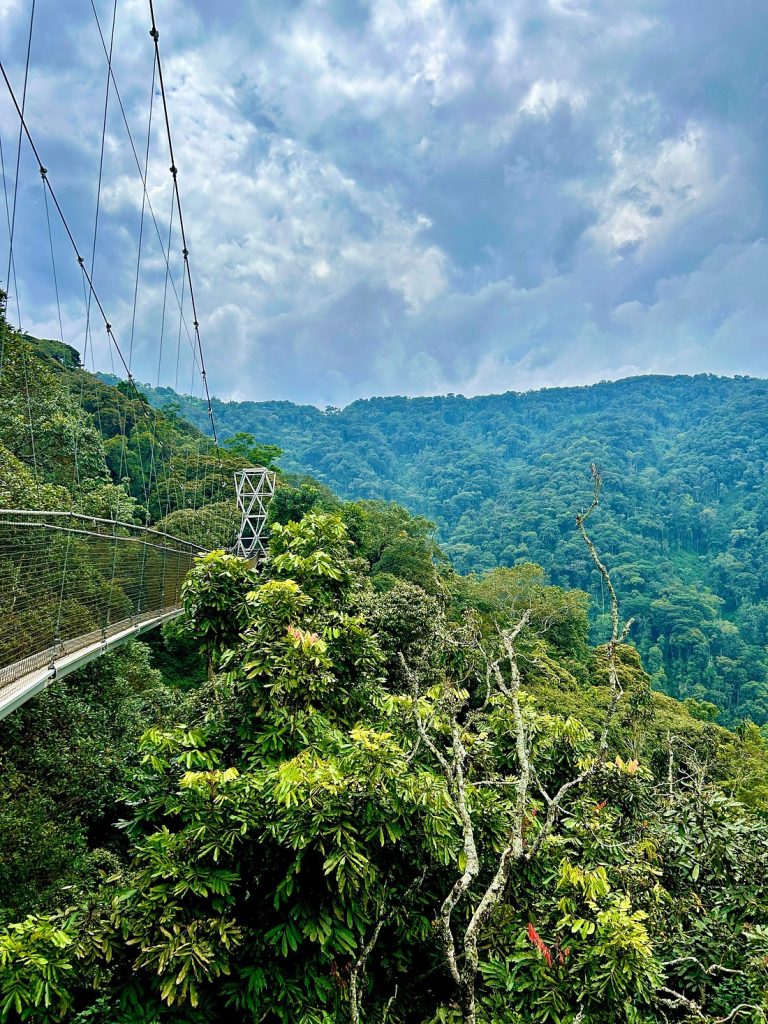
Nyungwe National Park is situated in southwestern Rwanda near the border with Burundi and close to Lake Kivu. The park lies approximately 225 kilometers from Kigali, Rwanda’s capital city.
The journey from Kigali to Nyungwe takes about 5–6 hours by road, offering scenic views of Rwanda’s rolling hills, tea plantations, villages, and countryside landscapes.
History of Nyungwe National Park
Nyungwe Forest is believed to be one of the oldest rainforests in Africa, surviving through the last Ice Age. The forest has existed for thousands of years and remains an important biodiversity hotspot in East Africa.
In 2004, the Rwandan government officially gazetted Nyungwe as a national park to protect its unique ecosystem, wildlife, and water catchment areas. Today, the park is managed under Rwanda’s strong conservation and eco-tourism programs.
Nyungwe Forest supplies water to both the Nile and Congo River basins, making it environmentally significant for the African continent.
Wildlife in Nyungwe National Park
Nyungwe National Park is home to an incredible variety of wildlife species. The dense rainforest shelters primates, birds, butterflies, reptiles, and mammals.
Primates in Nyungwe National Park
Nyungwe is one of Africa’s best destinations for primate tracking. The park is home to 13 primate species, including:
- Chimpanzees
- Black and white colobus monkeys
- L’Hoest monkeys
- Owl-faced monkeys
- Blue monkeys
- Grey-cheeked mangabeys
- Vervet monkeys
Chimpanzee trekking is the most popular activity in the park and offers visitors a chance to observe these intelligent primates in their natural habitat.
Birds in Nyungwe National Park
Nyungwe is a paradise for bird lovers with over 320 bird species recorded, including many Albertine Rift endemic species.
Popular birds include:
- Great blue turaco
- Rwenzori turaco
- Red-collared mountain babbler
- Handsome francolin
- Grauer’s swamp warbler
Birdwatching in Nyungwe is excellent throughout the year, especially during the rainy seasons when migratory birds are present.
Top Activities in Nyungwe National Park
Canopy Walk Adventure Experience
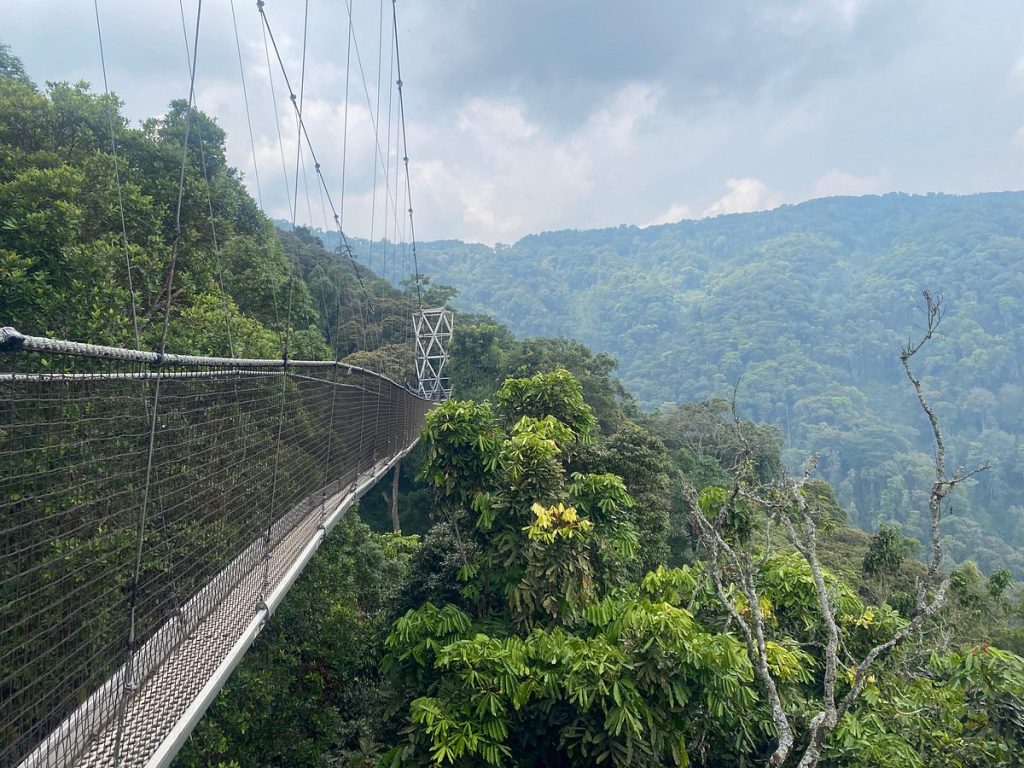
The Nyungwe Canopy Walkway is one of the most exciting attractions in Rwanda. This is about 70 meters above the forest floor. The canopy bridge offers breathtaking views of the rainforest, mountains, and wildlife.
The canopy walk begins with a guided forest hike before reaching the suspended bridge system. Visitors cross narrow metallic walkways high above the trees while enjoying panoramic views of the rainforest.
The walkway stretches approximately 160 meters long and provides visitors with a thrilling aerial perspective of the forest ecosystem.
This activity is ideal for photography, birdwatching, and adventure seekers.
This activity combines adventure, nature, and photography into one unforgettable experience.
The canopy walk is safe and guided by professional park rangers.
Chimpanzee Trekking in Nyungwe
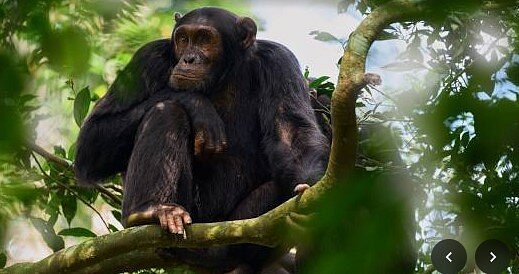
Chimpanzee trekking is the highlight of visiting Nyungwe National Park. Visitors wake up early in the morning and hike through the rainforest with experienced guides in search of habituated chimpanzee groups.
The trekking experience can take several hours depending on the location of the chimpanzees. Once found, visitors spend one unforgettable hour observing the chimps as they feed, play, and communicate.
Chimpanzee trekking permits in Rwanda should be booked in advance, especially during peak travel seasons.
Hiking and Nature Walks
Nyungwe National Park features over 130 kilometers of hiking trails that pass through forests, waterfalls, swamps, and scenic viewpoints.
Popular hiking trails include:
- Igishigishigi Trail
- Kamiranzovu Marsh Trail
- Isumo Waterfall Trail
- Bigugu Trail
- Congo Nile Divide Trail
These guided hikes allow visitors to explore the beauty and biodiversity of the rainforest.
Monkey Tracking
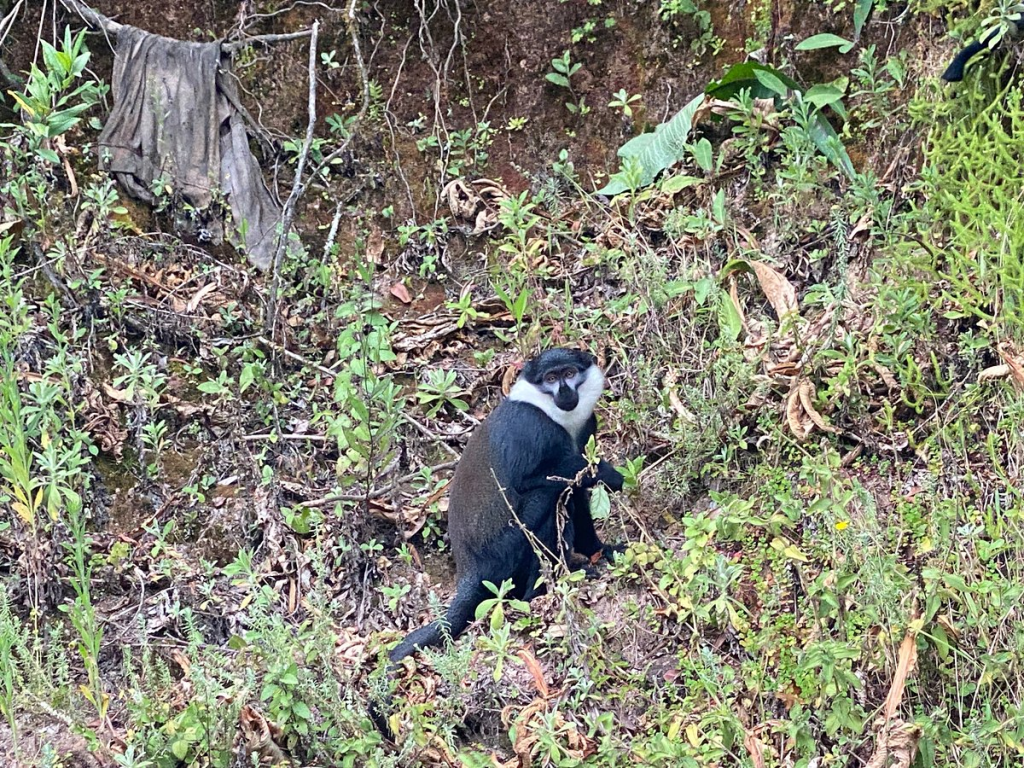
Besides chimpanzees, visitors can enjoy tracking large troops of black and white colobus monkeys and other primates living within the forest.
The colobus monkey groups in Nyungwe are among the largest in Africa and can contain hundreds of individuals.
Best Time to Visit Nyungwe National Park
Nyungwe National Park can be visited throughout the year, but the dry seasons are considered the best periods for trekking and hiking.
Best Seasons
- June to September
- December to February
During these months:
- Trails are less muddy
- Hiking conditions are easier
- Wildlife viewing is more comfortable
The rainy seasons offer excellent birdwatching opportunities and lush green scenery for photography.
How to Get to Nyungwe National Park
By Road
The most common way to reach Nyungwe is by road from Kigali. The drive takes approximately 5–6 hours and passes through beautiful landscapes and tea-growing regions.
By Air
Visitors can also combine road transport with domestic charter flights for quicker access to southwestern Rwanda.
Tour operators can arrange private transfers, guided safaris, and customized travel packages.
Accommodation in Nyungwe National Park
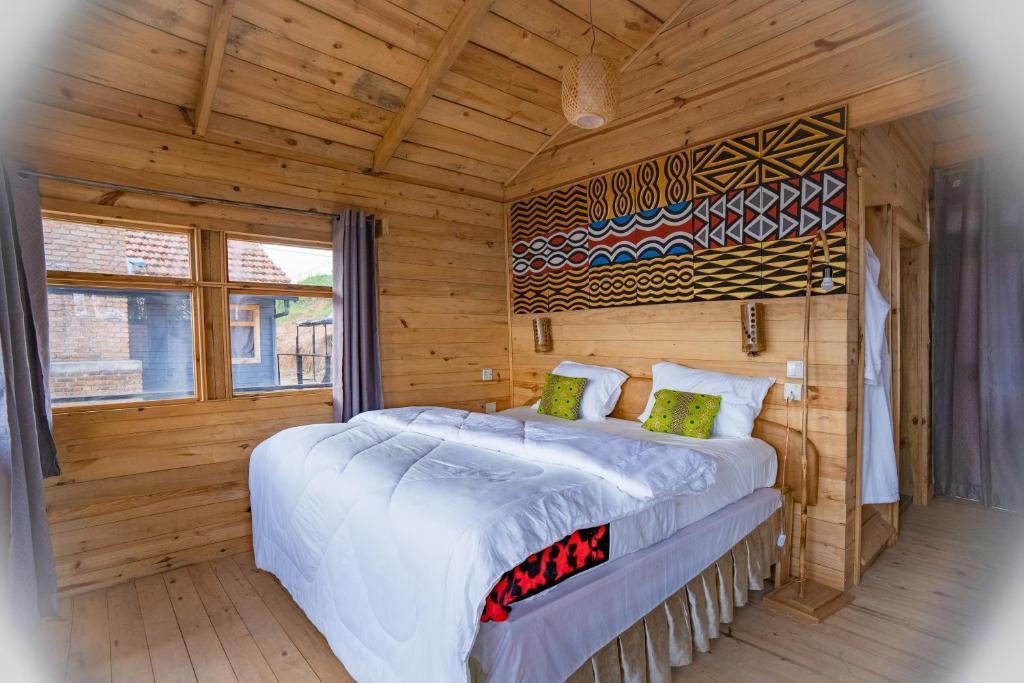
Nyungwe National Park offers accommodation options for luxury, mid-range, and budget travelers.
uxury Lodges
- One&Only Nyungwe House
- Nyungwe Top View Hill Hotel
Mid-Range Lodges
- Gisakura Guest House
- Emeraude Kivu Resort
Budget Options
- Campsites
- Community guesthouses
Most lodges provide easy access to chimpanzee trekking and canopy walk activities.
Conservation in Nyungwe National Park
Nyungwe National Park is an important conservation area that protects endangered species, ancient rainforest ecosystems, and vital water sources.
Rwanda has invested heavily in eco-tourism and sustainable conservation programs that support local communities while preserving biodiversity.
Tourism revenue contributes to:
- Wildlife protection
- Community development
- Employment opportunities
- Forest conservation projects
Visitors to Nyungwe help support these important conservation efforts.
Why Visit Nyungwe National Park?
Nyungwe National Park offers a unique blend of adventure, wildlife, rainforest scenery, and cultural experiences.
Reasons to visit include:
- Chimpanzee trekking
- Canopy walk adventures
- Rich biodiversity
- Birdwatching opportunities
- Scenic hiking trails
- Photography experiences
- Eco-tourism and conservation
The park is one of Rwanda’s hidden gems and an essential destination for travelers exploring East Africa.
Combine Nyungwe with Other Rwanda Safari Destinations
Many travelers combine Nyungwe National Park with:
- Volcanoes National Park for gorilla trekking
- Akagera National Park for wildlife safaris
- Lake Kivu for relaxation
- Kigali city tours and cultural experiences
This creates a complete Rwanda safari experience filled with wildlife, culture, and adventure.
Book Your Trip to Nyungwe National Park with Fuga Tours and Travel
Experience the beauty of Rwanda’s ancient rainforest with unforgettable adventures in Nyungwe National Park. From chimpanzee trekking and canopy walks to birdwatching and scenic hiking trails, Nyungwe offers one of the most exciting eco-tourism experiences in Africa.
With professional planning, experienced guides, comfortable transportation, and customized safari packages, Fuga Tours and Travel can help you enjoy a seamless and memorable Rwanda safari experience.
Nyungwe National Park is one of Africa’s oldest tropical rainforests and a perfect destination for nature lovers, photographers, primate enthusiasts, bird watchers, honeymooners, and adventure travelers.
Why Book Your Nyungwe Safari with Fuga Tours and Travel?
Booking your Rwanda safari with Fuga Tours and Travel offers travelers a comfortable and personalized experience.
Benefits include:
- Tailor-made safari itineraries
- Experienced safari guides
- Reliable transportation
- Accommodation booking assistance
- Chimpanzee permit arrangements
- Affordable safari packages
- Professional customer support
Whether you are planning a solo adventure, family safari, honeymoon, or group tour, Fuga Tours and Travel can help create unforgettable memories in Rwanda.
Combine Nyungwe with Other Rwanda Destinations
Your Nyungwe safari can also be combined with:
- Gorilla trekking in Volcanoes National Park
- Wildlife safaris in Akagera National Park
- Relaxation at Lake Kivu
- Kigali city tours
- Cultural experiences in Rwanda
This creates a complete Rwanda safari adventure filled with wildlife, culture, and nature.
Plan Your Rwanda Safari Today
Discover the breathtaking rainforest, primates, waterfalls, and canopy adventures of Nyungwe National Park with Fuga Tours and Travel.
Book your unforgettable Rwanda safari today and experience one of Africa’s most beautiful rainforest destinations