
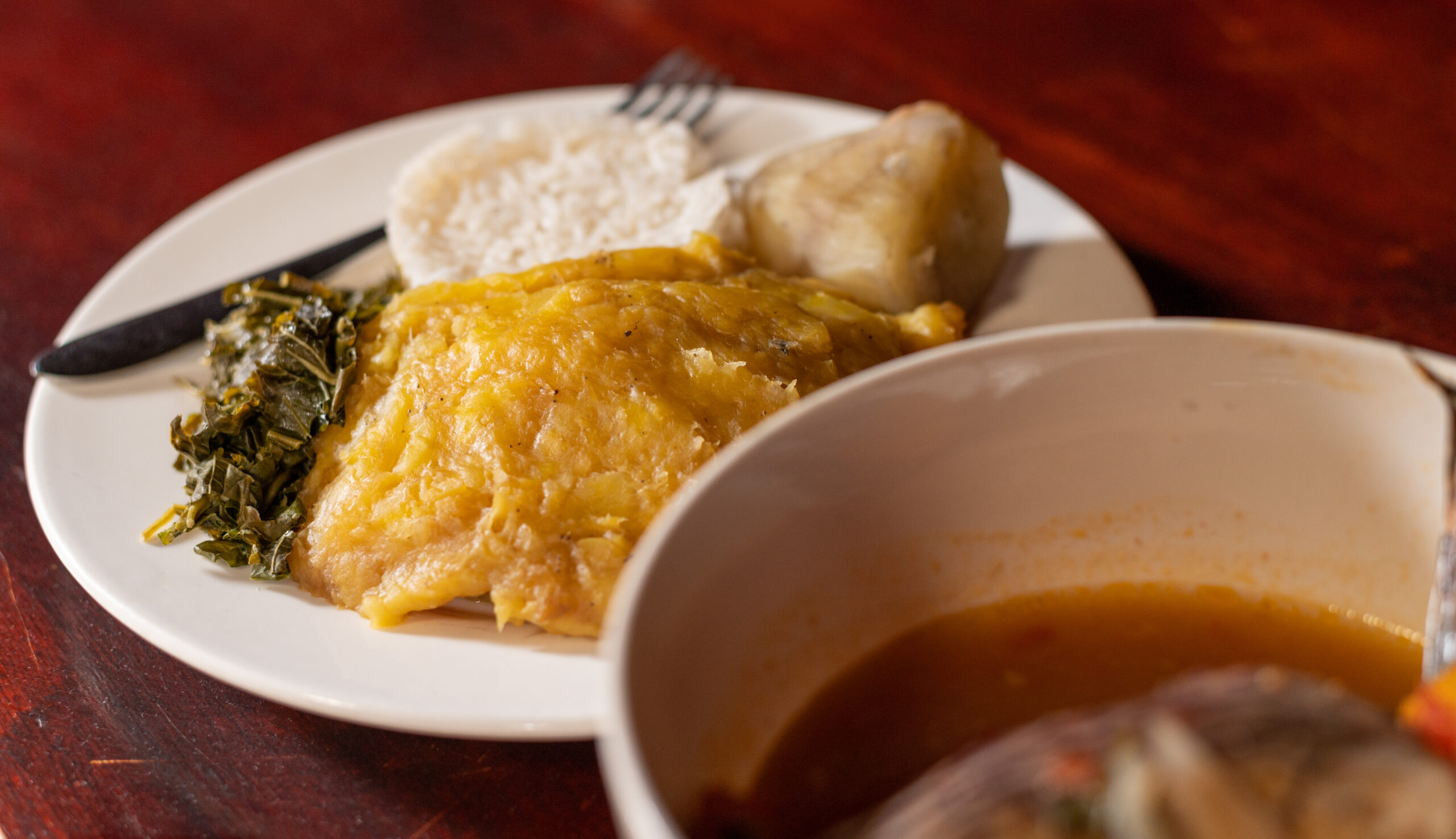
Ugandan Cuisine: A Food Lover’s Guide to Local Dishes, Uganda is famous for its mountain gorillas, chimpanzees, savannah wildlife, beautiful lakes and welcoming people, but there is another part of the country that every traveler should experience: Ugandan cuisine.
From steaming plates of matoke and rich groundnut sauce to grilled meats, fresh Lake Victoria fish, rolex street food and sweet tropical fruits, Ugandan food reflects the country’s diverse cultures, fertile landscapes and traditional ways of life.
For food lovers, trying local dishes is more than simply finding something delicious to eat. It is an opportunity to experience Ugandan culture, meet local people and understand how food connects communities across the country.
Whether you are visiting Uganda for a gorilla trekking safari, wildlife safari, chimpanzee trekking adventure, birding tour or cultural holiday, make time to explore the country’s local flavors.
This guide introduces you to some of the best Ugandan dishes, snacks, drinks and food experiences to try during your visit.
Why You Should Try Ugandan Cuisine
Ugandan cuisine is generally based on fresh, locally available ingredients. Many meals are prepared using bananas, cassava, sweet potatoes, maize, beans, groundnuts, vegetables, beef, chicken, goat and fish.
Food traditions vary from one region and community to another. What you find on a family table in western Uganda may be different from what is commonly eaten in northern, eastern or central Uganda.
Trying local food allows travelers to:
- Experience authentic Ugandan culture
- Discover traditional cooking methods
- Support local farmers and food vendors
- Enjoy fresh and locally sourced ingredients
- Interact with local communities
- Experience everyday Ugandan life
- Discover dishes that may not be available in international restaurants
For travelers, food can become one of the most memorable parts of a Uganda safari.
Matoke – Uganda’s Famous Staple Food
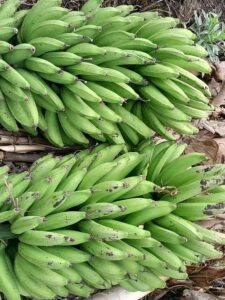
If there is one Ugandan food every visitor should try, it is matoke.
Matoke refers to cooking bananas, particularly plantain-like bananas that are commonly steamed or cooked. The bananas are usually peeled, wrapped in banana leaves and steamed until soft.
Matoke can be served with different sauces and stews, including:
- Groundnut sauce, Beef stew, Chicken, Goat meat, Beans, Fish, Vegetable sauces
In many Ugandan homes, matoke is an important everyday food.
The preparation of matoke can also be a cultural experience. Traditionally, bananas are peeled, placed in banana leaves and steamed over a cooking fire or stove.
Why try matoke?
Matoke is filling, mild in flavor and an excellent introduction to traditional Ugandan food.
Despite its name, a Ugandan Rolex has nothing to do with the luxury watch brand.
A Rolex is one of Uganda’s most popular street foods. It is made by wrapping an omelette, usually containing eggs and vegetables, inside a chapati.
The combination is simple but delicious.
A typical Rolex may contain:
- Eggs, Chapati, Tomatoes, Onions, Cabbage, Green pepper or other vegetables
The ingredients are cooked fresh and rolled together while still hot.
You can find Rolex vendors in towns and cities throughout Uganda, particularly around busy streets, markets and trading centers.
A must-try experience
For many travelers, eating a freshly prepared Rolex from a local street vendor is one of the easiest and most affordable ways to experience everyday Ugandan food culture.
Luwombo – A Traditional Ugandan Delicacy
Luwombo, also known as oluwombo, is a traditional dish associated particularly with central Uganda.
It is prepared by cooking meat, chicken, fish or other ingredients in banana leaves.
Common versions include:
- Chicken luwombo, Beef luwombo, Goat luwombo, Fish luwombo, Groundnut luwombo
The banana leaves help retain moisture while giving the food a distinctive aroma.
Luwombo is often associated with special occasions, celebrations and traditional meals.
For travelers interested in cultural tourism, tasting luwombo provides a delicious connection to Uganda’s culinary heritage.
Posho – A Common Ugandan Staple
Posho is a simple but important part of Ugandan cuisine.
It is made from maize flour mixed with hot water and cooked into a firm, smooth dough.
Posho is commonly served with:
- Beans, Beef, Chicken, Fish, Vegetables, Groundnut sauce, Peas
Because maize flour is widely available, posho is an important staple food in many parts of Uganda.
Its mild flavor makes it particularly suitable for eating with rich sauces and stews.
Groundnut Sauce – A Rich Ugandan Favorite
Groundnuts, commonly known as peanuts, are widely used in Ugandan cooking.
They are often ground into a paste and cooked into a rich sauce.
Groundnut sauce can be served with:
- Matoke, Cassava, Sweet potatoes, Posho, Rice, Meat, Vegetables
The sauce has a creamy texture and nutty flavor.
In some communities, groundnut dishes are an important part of traditional meals and celebrations.
Muchomo – Uganda’s Grilled Meat
Muchomo is a popular Ugandan term associated with roasted or grilled meat.
You may find vendors grilling meat along roadsides, in markets and at local restaurants.
Common types include:
- Beef, Goat, Chicken, Pork, Liver
Muchomo is often served with simple accompaniments such as:
- Chips, Matoke, Cassava, Fresh vegetables, Chapati
Eating freshly grilled meat at a local spot can be a fun experience after a long day of sightseeing or safari travel.
Ugandan Chapati
Chapati is another popular food in Uganda.
Although chapati has roots extending beyond Uganda, it has become deeply integrated into Ugandan food culture.
Ugandan chapati is generally made from wheat flour, water, salt and cooking oil before being rolled and fried on a hot surface.
It can be eaten:
- With beans, With meat, With vegetables, With tea, As part of a Rolex
Freshly prepared chapati is particularly popular at breakfast and as a street-food option.
Katogo – A Hearty Ugandan Breakfast
Katogo is a popular Ugandan meal that can be enjoyed especially at breakfast.
The name refers broadly to a mixed dish, and different versions are prepared using different ingredients.
Common ingredients may include:
- Matoke, Cassava, Potatoes, Beans, Beef, Offal, Groundnut sauce, Vegetables
One of the great things about katogo is that there is no single recipe. Preparation varies between households and regions.
For visitors, katogo is an excellent way to experience a hearty Ugandan breakfast.
Fresh Fish from Uganda’s Lakes
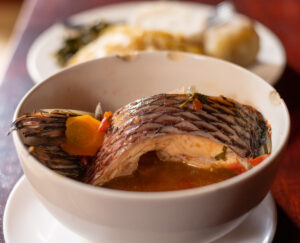
Uganda has numerous lakes and rivers, making fish an important part of the country’s cuisine.
Nile perch is among the best-known fish enjoyed in Uganda, while tilapia is also popular.
Fish may be:
- Fried, Grilled, Stewed, Smoked
Travelers visiting areas around Lake Victoria, Lake Albert, Lake Kyoga and other water bodies may encounter locally prepared fish dishes.
A fresh fish meal can be especially enjoyable when combined with local vegetables, matoke, cassava or chips.
Smoked and Dried Fish
Traditional fish preservation is also important in Uganda.
Before refrigeration became widely available, smoking and drying were important ways of preserving fish.
Smoked or dried fish may be incorporated into stews and sauces, often adding a strong savory flavor.
For adventurous food travelers, this is another opportunity to explore traditional Ugandan food preparation.
Cassava
Cassava is an important staple across Uganda.
It can be prepared in several ways, including:
- Boiled, Fried, Dried, Milled into flour, Used to make traditional foods
Boiled cassava can be eaten with tea, sauces or stews, while fried cassava is a popular snack.
Cassava flour is also used in preparing different traditional foods.
Sweet Potatoes
Sweet potatoes are another common Ugandan food.
They may be boiled or steamed and served for breakfast or as an accompaniment to other dishes.
They are particularly popular because they are filling and readily available in many parts of the country.
A simple plate of sweet potatoes with tea can provide a very traditional Ugandan breakfast experience.
Irish Potatoes
Irish potatoes are widely consumed in Uganda and are prepared in many different ways.
You may encounter:
- Boiled potatoes, Fried potatoes, Potato stews, Chips, Potatoes served with meat or vegetables
They are particularly common in restaurants and urban areas.
Beans
Beans are one of the most important sources of plant-based protein in Ugandan cuisine.
They are commonly cooked into a thick stew and served with:
- Posho, Matoke, Rice, Cassava, Sweet potatoes, Chapati
For budget travelers, beans and a staple such as matoke or posho make a filling and affordable local meal.
Beef, Goat and Chicken Stews
Meat stews are popular across Uganda.
Beef, goat and chicken are commonly cooked with onions, tomatoes, spices and other ingredients to create flavorful sauces.
Goat meat is particularly popular for celebrations and social gatherings.
Travelers may also encounter chicken prepared in different regional and household styles.
Grasshoppers – A Seasonal Ugandan Delicacy
For adventurous travelers, grasshoppers, locally known as nsenene, are one of Uganda’s most unusual foods to try.
They are particularly associated with certain seasons and are collected in large quantities in parts of the country.
They are generally fried and eaten as a snack.
The experience is not for everyone, but for adventurous food lovers, trying nsenene offers a memorable glimpse into Ugandan food traditions.
Mandazi is a fried dough snack commonly enjoyed across East Africa.
Ugandan mandazi can be eaten:
- With tea, With coffee, As a breakfast snack, As an afternoon snack
They are usually lightly sweetened and have a soft or slightly crispy texture depending on how they are prepared.
Roasted Maize
During certain seasons, you will often see vendors roasting fresh maize along roadsides.
The maize is grilled over charcoal until the kernels become smoky and slightly charred.
It is an inexpensive and simple snack that is especially enjoyable while traveling between destinations.
Fresh Tropical Fruits
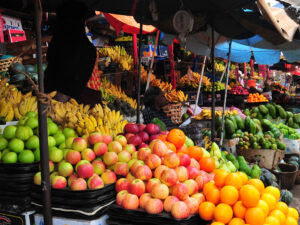
Uganda’s fertile climate supports an impressive variety of fruits.
Depending on the season and region, travelers may find:
- Pineapples
- Bananas
- Mangoes
- Passion fruits
- Watermelon
- Papaya
- Jackfruit
- Avocado
- Guava
- Oranges
Fresh Ugandan pineapple and passion fruit are particularly popular among visitors.
Fruit can be found in local markets, roadside stalls, hotels and restaurants.
Avocado
Avocado is widely available in Uganda and is often eaten as part of breakfast or alongside other foods.
You may find it served with:
- Bread, Chapati, Eggs, Salads, Local meals
Ugandan avocados can be particularly enjoyable when freshly harvested.
Ugandan Tea
Tea is an important beverage in Uganda.
The country is one of Africa’s major tea-producing nations, and tea plantations can be found in several parts of the country.
A traditional cup of Ugandan tea may be prepared with milk and sugar.
Travelers visiting western Uganda, Fort Portal, the Rwenzori region and other tea-growing areas can combine sightseeing with tea experiences.
Ugandan Coffee

Uganda is also famous for coffee.
Coffee is an important agricultural product and a major part of the country’s economy.
Ugandan coffee varieties include both Arabica and Robusta.
Visitors can enjoy coffee in:
- Cafés, Hotels, Lodges, Coffee farms, Cultural experiences
For travelers interested in agricultural tourism, visiting a coffee farm can be a rewarding addition to a Uganda safari.
Local Banana Beer and Traditional Drinks
Some Ugandan communities produce traditional fermented beverages from locally available crops and fruits.
Bananas are particularly important in the production of certain traditional drinks.
These beverages are part of local cultural traditions, although preparation methods vary between communities.
Travelers interested in cultural experiences should approach traditional drinks respectfully and follow local guidance.
Ugandan Food by Region
Uganda’s cuisine becomes even more interesting when you travel across the country.
Central Uganda
Central Uganda, including Kampala and surrounding areas, offers a wide range of foods because of its diverse population.
Visitors can easily find:
- Matoke, Luwombo, Rolex, Chapati, Muchomo, Katogo, Groundnut sauce, Fresh fruits
Kampala is particularly good for travelers who want to sample different Ugandan foods in one destination.
Western Uganda
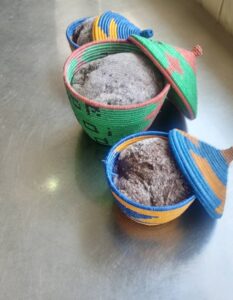
Western Uganda is well known for dishes based around bananas, beans, meat and other locally grown foods.
Travelers visiting Bwindi Impenetrable National Park, Queen Elizabeth National Park, Kibale Forest and Fort Portal can combine their safari with local food experiences.
Eastern Uganda
Eastern Uganda has its own culinary traditions influenced by the communities living around the region.
Millet, cassava, sweet potatoes, vegetables, beans and other locally grown foods are common.
Northern Uganda
Northern Uganda has diverse food traditions, with staples such as millet, cassava, sorghum, beans and other locally available crops.
A cultural tour can provide opportunities to learn more about traditional food preparation and local communities.
Best Places to Experience Ugandan Food
Local Markets
Markets are excellent places to experience Uganda’s food culture.
You can find:
- Fresh fruits, Vegetables, Fish, Groundnuts, Cassava, Bananas, Street food, Local spices
Markets also provide excellent opportunities for photography and cultural interaction.
Local Restaurants
Local restaurants, sometimes called local eateries, offer affordable traditional meals.
These restaurants are ideal for travelers who want to eat what many Ugandans eat every day.
Roadside Food Stalls
Roadside stalls are particularly useful for trying:
- Rolex, Chapati, Roasted maize, Muchomo, Cassava
- Fresh fruit
Always choose vendors with good hygiene practices and high customer turnover.
Safari Lodges
Many safari lodges serve a combination of international and Ugandan dishes.
If you are staying at a lodge during a safari, ask whether they can prepare a traditional Ugandan meal.
This can turn an ordinary evening into a memorable cultural experience.
Cultural Tours
Some cultural tourism experiences include demonstrations of traditional cooking and food preparation.
These experiences allow visitors to learn not only what Ugandans eat but also how food is traditionally prepared.
What Should First-Time Visitors Eat in Uganda?
If you are visiting Uganda for the first time, consider putting these foods on your list:
Matoke with groundnut sauce
Rolex
Luwombo
Muchomo
Katogo
Posho with beans
Fresh Nile perch or tilapia
Ugandan chapati
Mandazi
Roasted maize
Fresh tropical fruits
Ugandan coffee
Ugandan tea
Nsenene, if you are feeling adventurous
Vegetarian Food in Uganda
Vegetarian travelers can enjoy a wide variety of Ugandan foods.
Good options include:
- Beans, Matoke, Groundnut sauce, Sweet potatoes, Cassava, Posho, Rice, Avocado, Fresh vegetables, Fruits, Chapati
When ordering food, clearly explain that you do not eat meat, fish or other animal products.
For strict vegans, it is important to ask about ingredients because some dishes may be prepared using animal products.
Is Ugandan Food Spicy?
Ugandan food is generally not as heavily spiced as some South Asian or other international cuisines.
However, dishes may contain onions, garlic, ginger, tomatoes, peppers and other seasonings.
Chili or hot pepper may be served separately, allowing you to decide how spicy you want your meal.
If you do not enjoy spicy food, simply tell the restaurant or food vendor.
Food Safety Tips for Travelers in Uganda
Trying local food is an important part of the Uganda travel experience, but basic food-safety precautions are recommended.
Choose busy food stalls
Busy vendors often have a high turnover of food, meaning dishes are less likely to sit for long periods.
Eat food that is freshly cooked
Hot, freshly prepared food is generally a good choice.
Wash your hands
Use soap and clean water or hand sanitizer before eating.
Be careful with untreated water
Travelers should use safe drinking water and avoid untreated water unless they know it has been properly treated.
Wash fruits
When eating fresh fruits, wash them with safe water or choose fruits that you can peel yourself.
Introduce your stomach gradually
If you are not accustomed to local foods, start with moderate portions and gradually explore different dishes.
Ugandan Food and the Safari Experience
Food and safari travel go together beautifully in Uganda.
Imagine starting your morning with Ugandan coffee before heading into Bwindi Impenetrable Forest for gorilla trekking.
After a day of trekking, you return to your lodge and enjoy a traditional dinner of matoke, beef or chicken, vegetables and groundnut sauce.
During a wildlife safari in Queen Elizabeth National Park, Murchison Falls National Park, Kidepo Valley National Park or Lake Mburo National Park, you can ask your lodge to include local dishes in your meals.
A food experience can therefore become part of the wider safari adventure.
Food Experiences to Add to Your Uganda Safari
Food lovers can make their trip even more memorable by adding:
Visit a local market
Explore local produce and learn about Ugandan ingredients.
Take a cooking experience
Learn how traditional dishes such as matoke or luwombo are prepared.
Visit a coffee farm
Discover how Ugandan coffee is grown, harvested, processed and prepared.
Try street food
Taste Rolex, chapati, roasted maize and other local snacks.
Eat with a local family
Where available through responsible cultural-tourism programs, a family meal can offer a deeper understanding of Ugandan traditions.
Visit a tea plantation
Combine scenery, agriculture and food culture in western Uganda.
Frequently Asked Questions About Ugandan Cuisine
What is the most popular food in Uganda?
Matoke is one of Uganda’s best-known staple foods. Rolex is also among the country’s most popular street foods.
What is Uganda’s famous street food?
Rolex is arguably Uganda’s most famous street food. It combines an omelette and chapati with vegetables and other fillings.
What do Ugandans eat for breakfast?
Breakfast varies, but common foods include tea, chapati, mandazi, sweet potatoes, cassava, katogo, bread, eggs and fruit.
Is Ugandan food vegetarian-friendly?
Yes. Beans, matoke, groundnut sauce, vegetables, cassava, sweet potatoes, posho, rice and fruits provide many vegetarian options.
What meat is commonly eaten in Uganda?
Beef, goat and chicken are widely consumed. Fish is also popular, particularly around Uganda’s lakes and rivers.
What should I drink in Uganda?
Try Ugandan coffee and tea, as well as fresh fruit juices and safe bottled or treated drinking water.
Can tourists eat street food in Uganda?
Yes, many travelers enjoy Uganda’s street food. Choose vendors with good hygiene, high customer turnover and freshly cooked food.
Final Thoughts: Taste Uganda Beyond the Safari
Uganda is much more than a destination for wildlife and adventure.
It is a country where food tells stories about communities, agriculture, history and everyday life.
From a simple Rolex on a Kampala street to traditional luwombo served at a special gathering, from fresh fish near the lakes to coffee grown in the highlands, Ugandan cuisine offers travelers many opportunities to taste the country.
So when planning your next Uganda safari, do not only ask where you will see gorillas, chimpanzees, lions and elephants. Ask what you will eat along the way.
A great Uganda adventure should engage all your senses—and Ugandan food is an essential part of the journey.
Plan Your Uganda Food and Safari Adventure with Fuga Tours and Travel
At Fuga Tours and Travel, we can help you experience Uganda beyond the traditional safari itinerary. Whether you are interested in gorilla trekking, chimpanzee trekking, wildlife safaris, cultural experiences, birding, coffee experiences or local food adventures, we can help you design a memorable Uganda journey.
Combine your wildlife adventure with authentic cultural and culinary experiences and discover why Uganda is one of Africa’s most rewarding destinations.
Book your Uganda safari with Fuga Tours and Travel and come ready to explore, taste and experience the Pearl of Africa.