
The Shoebill Stork in Uganda. Uganda is one of Africa’s greatest birding destinations, and among all the spectacular bird species found in the country, none captures the imagination quite like the legendary Shoebill Stork. With its prehistoric appearance, giant shoe-shaped bill, and mysterious behavior, the Shoebill has become one of the most sought-after birds in the world for birdwatchers, photographers, and wildlife enthusiasts.
The best place to see this incredible bird in Uganda is the famous Mabamba Swamp, a vast wetland located along the northern shores of Lake Victoria near Entebbe and Kampala. Mabamba Swamp is internationally recognized as one of the most reliable places in Africa to encounter the elusive Shoebill in its natural habitat.
About the Shoebill Stork

The Shoebill Stork, scientifically known as Balaeniceps rex, is one of the rarest and most unusual birds in the world. It is often called the “whale-headed stork” because of its enormous shoe-shaped bill. The bird can grow up to 5 feet tall with a wingspan of over 8 feet, making it one of Africa’s largest wetland birds.
What makes the Shoebill especially fascinating is its dinosaur-like appearance and behavior. Many visitors describe it as looking like a creature from prehistoric times. Bird lovers across the world admire the Shoebill for its calm, silent, and intimidating presence.
The Shoebill survives mainly on lungfish, catfish, frogs, snakes, and small water creatures found in freshwater wetlands. It is famous for standing motionless for long periods before suddenly attacking its prey with incredible speed.
How the Shoebill Stork Survives in the Wild

The Shoebill Stork is one of the most remarkable birds in Africa, perfectly adapted to survive in wetlands, swamps, and marshes. Found mainly in countries like Uganda, Rwanda, South Sudan, and Zambia, the Shoebill has developed unique survival skills that help it thrive in difficult wetland environments. In Uganda, Mabamba Swamp along Lake Victoria is one of the best places to observe how this incredible bird survives in the wild.
1. Powerful Hunting Skills
One of the Shoebill’s greatest survival abilities is its exceptional hunting technique. The bird feeds mainly on:
- Lungfish
- Catfish
- Tilapia
- Frogs
- Snakes
- Small crocodiles
- Water birds and young turtles
The Shoebill stands completely motionless for long periods while watching the water carefully. This patience allows prey to come close without noticing danger.
Once prey appears, the bird strikes suddenly with incredible speed using its massive bill to grab and crush the prey.
Its Unique Shoe-Shaped Bill
The enormous shoe-shaped bill is the Shoebill’s most important survival tool. The bill is:
- Strong and sharp
- Large enough to catch slippery fish
- Powerful enough to crush prey
- Hooked at the tip to grip animals firmly
This specialized bill helps the Shoebill catch prey hidden deep in muddy swamp waters where other birds may struggle.
2. Excellent Camouflage and Patience
Shoebills survive partly because they are masters of camouflage. Their gray-blue feathers blend perfectly with swamp vegetation and muddy wetlands.
The bird also remains extremely still while hunting. Sometimes it can stand motionless for several minutes, making it difficult for fish and predators to detect it.
This calm behavior conserves energy and increases hunting success.
Shoebills survive by living in isolated freshwater wetlands filled with papyrus reeds and shallow waters. These habitats provide:
- Plenty of fish and amphibians
- Protection from humans
- Safe nesting grounds
- Dense vegetation for hiding
In Uganda, Mabamba Swamp provides ideal conditions because of its rich lungfish population and extensive papyrus marshes.
3. Strong Vision and Hunting Accuracy
The Shoebill has excellent eyesight that helps it detect movement in water even from a distance. It often hunts during cooler parts of the day when prey is more active near the water surface.
Its eyes are positioned forward, giving it better depth perception for accurate attacks.
4. Ability to Survive Alone
Unlike many bird species, Shoebills are mostly solitary birds. Living alone helps reduce competition for food in swamp habitats.
A single Shoebill can control a large feeding territory where it hunts quietly without disturbance from other birds.
5. Living in Remote Wetlands
Threats to Shoebill Survival
Despite its impressive survival adaptations, the Shoebill faces several dangers:
- Wetland destruction
- Human encroachment
- Illegal wildlife trade
- Pollution
- Climate change
Conservation efforts in places like Mabamba Swamp are helping protect the Shoebill and its fragile habitat.
Shoebill Conservation in Uganda
Uganda has become one of the leading destinations for Shoebill conservation and eco-tourism. Local communities, conservation groups, and birding guides work together to protect wetlands like Mabamba Swamp.
Tourism has also helped increase awareness about the importance of conserving Shoebill habitats for future generations.
Experience the Shoebill in Uganda with Fuga Tours and Travel
Fuga Tours and Travel offers unforgettable Shoebill tracking excursions to Mabamba Swamp and other birding destinations in Uganda. With experienced bird guides and carefully organized tours, visitors can witness the incredible survival skills of the Shoebill Stork in its natural environment.
A visit to Mabamba Swamp offers not only a chance to see this rare bird but also an opportunity to appreciate one of Africa’s most fascinating wetland ecosystems.
Birding in Mabamba Swamp Uganda
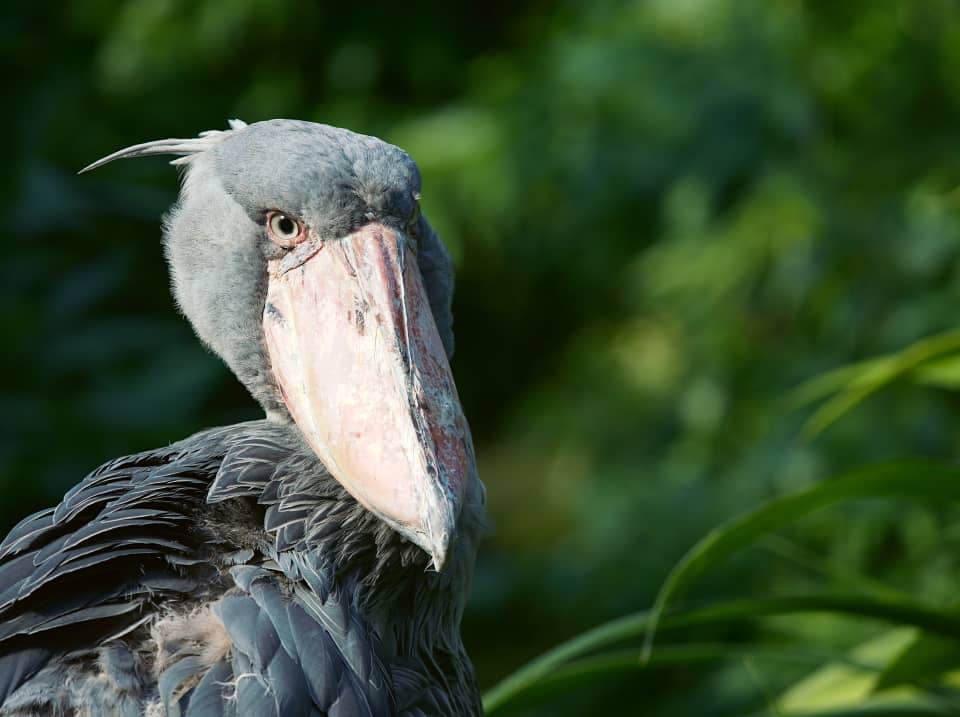
Birding in Mabamba Swamp is one of the most rewarding wildlife experiences in Uganda and Africa. Located on the northern shores of Lake Victoria near Entebbe, Mabamba Swamp is internationally recognized as one of the best birdwatching destinations for spotting the rare and iconic Shoebill Stork. The wetland is a paradise for bird lovers, photographers, researchers, and nature enthusiasts seeking an unforgettable birding adventure in Uganda.
Mabamba Swamp covers a vast area of papyrus marshes, lagoons, and narrow water channels that provide ideal habitats for hundreds of bird species. The swamp was designated a Ramsar Wetland of International Importance because of its rich biodiversity and ecological significance.
Mabamba Swamp
Mabamba Swamp, also known as Mabamba Bay Wetland, is located west of Entebbe on the shores of Lake Victoria. The wetland covers approximately 2,424 hectares of papyrus swamp, water channels, lagoons, and marsh vegetation.
The swamp is recognized internationally as:
- A Ramsar Wetland of International Importance
- An Important Bird Area (IBA)
- One of Uganda’s top birdwatching destinations
Mabamba is home to over 300 bird species, but the Shoebill remains the star attraction. The swamp offers one of the highest chances of spotting Shoebills anywhere in Africa.
The wetland’s rich population of lungfish, locally known as “mamba,” provides ideal feeding grounds for the Shoebill, making the swamp a perfect habitat for the bird.
Why Mabamba Swamp is Famous for Shoebills
Several factors make Mabamba Swamp the best Shoebill destination in Uganda:
Reliable Shoebill Sightings
Visitors have excellent chances of seeing Shoebills throughout the year, especially during early morning boat excursions. Many birders successfully encounter the bird within the first hour of exploring the swamp channels
Easy Accessibility
Unlike other remote Shoebill habitats in Uganda, Mabamba is easily accessible from Kampala and Entebbe, making it ideal for day trips and short excursions.
Beautiful Wetland Scenery
The swamp’s endless papyrus channels, floating vegetation, calm waters, and rich birdlife create a magical birdwatching atmosphere.
Rich Bird Diversity
Besides Shoebills, Mabamba hosts numerous wetland birds including:
- African Jacana
- Malachite Kingfisher
- Papyrus Gonolek
- African Fish Eagle
- Purple Swamphen
- Yellow-billed Duck
- Blue-breasted Bee-eater
- Herons and Egrets
A Shoebill excursion in Mabamba Swamp usually begins early in the morning. Visitors board small motorized wooden boats guided by experienced local birding guides who navigate through narrow water channels hidden within thick papyrus reeds.
The excitement builds as guides search carefully for signs of the Shoebill. Sometimes the bird stands quietly in shallow water hunting fish, while at other times it may slowly walk through the marshes.
The experience becomes unforgettable when the Shoebill suddenly appears only a few meters away, standing silently like a statue. Many visitors describe the encounter as one of the greatest wildlife moments in Africa.
Best Time to See Shoebills in Mabamba
Shoebills can be seen throughout the year in Mabamba Swamp, but the best birdwatching conditions are usually during the dry seasons:
- December to February
- June to August
Early morning trips offer the highest chances of successful sightings because the birds are more active during feeding hours.
ther Activities in Mabamba Swamp
Apart from Shoebill tracking, visitors can enjoy:
Bird Watching
Mabamba is one of Uganda’s finest birdwatching sites with hundreds of wetland bird species.
Canoe and Boat Rides
The peaceful boat rides through papyrus-lined channels provide beautiful scenery and excellent photography opportunities.
Nature Photography
Photographers from around the world visit Mabamba to capture the iconic Shoebill and the wetland’s rich biodiversity.
Cultural Experiences
Visitors can interact with local fishing communities around Lake Victoria and learn about traditional fishing practices.
Conservation of the Shoebill and Mabamba Wetland
The Shoebill is classified as a vulnerable species due to habitat destruction, wetland degradation, and illegal wildlife trade. Mabamba Swamp plays a critical role in protecting this rare bird and its habitat.
Local communities around Mabamba now benefit from eco-tourism through guiding services, boat tours, and conservation programs. This has helped increase awareness and protection of the wetland ecosystem.
Responsible tourism helps preserve Mabamba Swamp while supporting local livelihoods and protecting Uganda’s incredible birdlife heritage.
.How to Access Mabamba Swamp
Mabamba Swamp is located approximately:
- 50 km from Kampala
- 12 km west of Entebbe
Visitors can reach Mabamba by:
- Road transfer from Kampala or Entebbe
- Boat transfer across Lake Victoria from Entebbe
Most Shoebill tours begin from Nakiwogo Landing Site in Entebbe or directly from Mabamba village landing sites.
Why Visit Mabamba Swamp with Fuga Tours and Travel
A Shoebill tracking experience in Mabamba Swamp becomes even more rewarding when organized by experienced local safari experts. Fuga Tours and Travel offers professionally guided birding tours with knowledgeable guides who understand Shoebill behavior and Mabamba’s hidden birding channels.
With carefully planned excursions, comfortable transport, and expert local insight, visitors enjoy excellent opportunities to encounter the legendary Shoebill while discovering the beauty of Uganda’s wetlands.
Whether you are a passionate birder, photographer, or nature lover, Mabamba Swamp offers one of the most unique wildlife experiences in Africa — a close encounter with the magnificent Shoebill Stork in its natural home.