
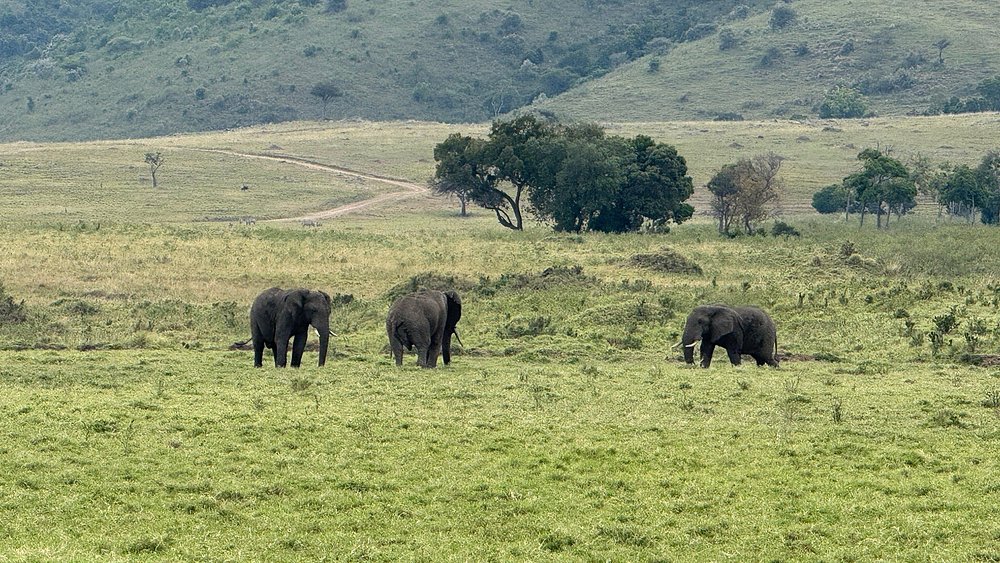
The Big Five in Kenya: Best National Parks to See All Five Animals, Kenya is one of Africa’s most rewarding safari destinations, famous for its breathtaking landscapes, incredible wildlife diversity and unforgettable game-viewing experiences. From the golden grasslands of the Maasai Mara to the open plains of Amboseli and the rugged wilderness of Tsavo, the country offers exceptional opportunities to explore Africa’s natural heritage.
Among the most exciting wildlife experiences in Kenya is seeing the Big Five: the African lion, African leopard, African elephant, African buffalo and rhinoceros.
Originally, the term Big Five was used by hunters to describe five of Africa’s most challenging animals to hunt on foot. Today, it has become one of the most recognized wildlife conservation and safari tourism terms, attracting visitors who dream of photographing all five animals in their natural habitats.
But where are the best places to see all the Big Five in Kenya? Are some national parks better than others? Can you see all five animals during one safari?
The good news is that Kenya has several outstanding wildlife destinations where you can search for these magnificent animals. The Maasai Mara is particularly famous for lions, leopards and buffaloes, while Ol Pejeta Conservancy is an excellent destination for rhinoceros conservation and sightings.
In this detailed guide, we explore the Big Five animals, the best Kenyan national parks and conservancies to see them, the best time to visit, safari costs and practical tips for planning your wildlife adventure.
Whether you are planning your first African safari, a honeymoon, a family holiday or a photography expedition, this guide will help you discover the best places to experience the Big Five in Kenya.
What Are the Big Five Animals in Kenya?
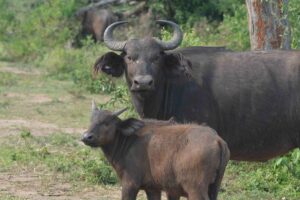
The Big Five consists of five iconic African mammals that attract wildlife enthusiasts from around the world.
African Lion
African lion (Panthera leo) is one of Africa’s most famous predators and a major attraction on Kenyan wildlife safaris.
Lions are social animals that live in groups known as prides. They are commonly seen resting under trees, walking through grasslands or hunting prey.
Kenya’s Maasai Mara is one of the best destinations for lion sightings, with opportunities to observe these impressive predators in their natural environment.
Best places to see lions in Kenya:
-
Maasai Mara National Reserve.
-
Amboseli National Park.
-
Tsavo East National Park.
-
Tsavo West National Park.
-
Samburu National Reserve.
African Leopard
African leopard (Panthera pardus) is one of the most elusive members of the Big Five.
Unlike lions, leopards are solitary animals that are excellent climbers. They often rest in trees, hide in thick vegetation and hunt during the night or early morning.
Their beautiful spotted coats provide excellent camouflage, making them difficult to locate in the wild.
The Maasai Mara is among the best places to search for leopards, particularly around wooded riverbanks and areas with large trees.
Best places to see leopards in Kenya:
- Maasai Mara National Reserve, Samburu National Reserve, Lake Nakuru National Park.
-
Ol Pejeta Conservancy, Tsavo West National Park.
African Elephant
- African elephant (Loxodonta africana) is the largest land mammal on Earth and one of the most impressive animals to encounter during a Kenyan safari.
Elephants live in family groups led by experienced females known as matriarchs. They are highly intelligent animals with strong family relationships and complex social behavior.
Kenya is particularly famous for its large elephant populations, especially in Amboseli National Park, where visitors can photograph elephants against the spectacular backdrop of Mount Kilimanjaro.
Best places to see elephants in Kenya:
- Amboseli National Park, Tsavo East National Park, Tsavo West National Park
- Maasai Mara National Reserve, Samburu National Reserve.
African Buffalo African buffalo (Syncerus caffer) is a powerful member of the Big Five, known for its large horns, muscular body and unpredictable behavior.
Buffaloes are usually found in herds and prefer areas with water, grasslands and suitable grazing grounds.
They are relatively common in several Kenyan national parks and reserves.
The Maasai Mara, Amboseli and Lake Nakuru offer good opportunities to observe African buffaloes.
Best places to see buffaloes in Kenya:
-
Maasai Mara National Reserve.
-
Lake Nakuru National Park.
-
Amboseli National Park.
-
Tsavo East National Park.
-
Tsavo West National Park.
Rhinoceros
Black rhinoceros and White rhinoceros are two species of rhinoceros found in Kenya.
Both are important members of Africa’s Big Five, although they have different physical characteristics and feeding habits.
-
Black rhinos are browsers that feed on leaves, shoots and branches. They are generally more solitary and often difficult to spot.
-
White rhinos are grazers that feed mainly on grass and are generally larger and more social.
Kenya is an important stronghold for rhino conservation, with protected populations in several national parks and private conservancies.
Best places to see rhinos in Kenya:
-
Ol Pejeta Conservancy.
-
Lake Nakuru National Park.
-
Nairobi National Park.
-
Lewa Wildlife Conservancy.
-
Meru National Park.
Rhinoceros sightings are particularly important because both species face ongoing conservation challenges, including habitat loss and poaching.
Best National Parks and Conservancies to See the Big Five in Kenya
Kenya has several outstanding wildlife destinations, but not every park offers the same opportunities for seeing all five animals.
Below are some of the best places to include in your Big Five safari itinerary.
A. Maasai Mara National Reserve The Maasai Mara National Reserve is arguably Kenya’s most famous wildlife destination and one of the best places in Africa for a traditional Big Five safari.
The reserve is particularly famous for its large lion populations, elusive leopards, elephants and buffaloes.
It also has a population of endangered black rhinos, although they are much harder to find than the other four animals.
Where to find the Big Five in the Maasai Mara:
-
Lions: Open grasslands, plains and areas around the reserve’s rivers.
-
Leopards: Wooded riverbanks, especially around the Talek and Mara River systems.
-
Elephants: Grasslands, woodland areas and riverine habitats.
-
Buffaloes: Large herds around water sources and open grasslands.
-
Black rhinos: Protected areas with suitable habitat, particularly in the Mara Triangle and other quieter parts of the ecosystem.
Other wildlife attractions
Besides the Big Five, the Maasai Mara is famous for cheetahs, hyenas, giraffes, zebras, wildebeest and numerous bird species.
The Great Wildebeest Migration is another major attraction, particularly between July and October, although exact timing varies each year.
Best for: First-time Big Five safarisB. Ol Pejeta Conservancy
Ol Pejeta Conservancy is one of Kenya’s most important wildlife conservation destinations and an excellent choice for travelers hoping to see all five members of the Big Five.
Located in Laikipia, between the Aberdare ranges and Mount Kenya, Ol Pejeta is internationally recognised for its rhinoceros conservation programmes.
It protects both black and white rhinos and is particularly important for the conservation of the endangered black rhinoceros.
The conservancy is also home to the world’s last two northern white rhinos, which are kept under intensive protection.
Where to find the Big Five at Ol Pejeta:
-
Lions: Open grasslands and wildlife-viewing areas.
-
Leopards: Woodland habitats and areas with dense vegetation.
-
Elephants: Across the conservancy’s grasslands and woodland.
-
Buffaloes: Herds around water points and grazing areas.
-
Rhinos: Dedicated rhino conservation zones and protected habitats.
Ol Pejeta is especially rewarding for travelers interested in wildlife conservation, photography and educational safari experiences.
Other attractions at Ol Pejeta
-
Sweetwaters Chimpanzee Sanctuary.
-
Rhino conservation experiences.
-
Guided game drives.
-
Night game drives where permitted.
-
Conservation and community education experiences.
Best for: Rhino sightings and conservation experiencesC. Lake Nakuru National Park lake Nakuru National Park is another excellent destination for travelers interested in seeing the Big Five.
The park is particularly famous for its black and white rhino populations, making it one of Kenya’s most rewarding places for rhinoceros viewing.
It also supports lions, leopards and large herds of African buffaloes.
However, Lake Nakuru does not have a resident wild elephant population, so visitors should not expect to complete the Big Five checklist here alone.
Where to find the animals:
-
Lions: Woodlands and open grassland areas.
-
Leopards: Forested sections and areas with thick vegetation.
-
Buffaloes: Grasslands and areas close to water.
-
Black and white rhinos: Protected sections of the park.
Other attractions
Lake Nakuru is also known for its beautiful lake scenery, birdlife, Rothschild’s giraffes and other wildlife.
It is an excellent addition to a Maasai Mara safari because it provides stronger opportunities for rhino sightings.
D. Amboseli National Park
Amboseli National Park is one of Africa’s most celebrated elephant-viewing destinations.
Located in southern Kenya near the Tanzania border, the park is famous for its large elephant herds and spectacular views of Mount Kilimanjaro.
Amboseli is an excellent destination for travelers who want to photograph African elephants in beautiful natural surroundings.
Big Five animals in Amboseli:
-
Lions: Present and occasionally seen during game drives.
-
Leopards: Present but elusive and less frequently spotted.
-
Elephants: One of the park’s greatest attractions.
-
Buffaloes: Commonly encountered around wetlands and grasslands.
-
Rhinos: Not present as a regular wild viewing population.
Although Amboseli offers excellent wildlife experiences, it is not a complete Big Five destination because visitors cannot reliably see rhinos there.
Other attractions
-
Mount Kilimanjaro scenery.
-
Large elephant herds.
-
Observation Hill.
-
Swamps and wetlands.
- Maasai cultural experiences. East Tsavo East National ParkTsavo East National Park is one of Kenya’s largest protected wildlife areas and a wonderful destination for travelers who prefer vast, less crowded wilderness landscapes.
The park is famous for its red elephants, which acquire their distinctive colour from bathing and dusting themselves with the region’s red soil.
Tsavo East supports elephants, lions, leopards and buffaloes, together with many other wildlife species.
However, rhino sightings are not a reliable expectation in the main Tsavo East viewing areas.
Wildlife highlights:
-
Large elephant populations.
-
Lions and other predators.
-
African buffaloes.
-
Giraffes and zebras.
-
Cheetahs and numerous antelope species.
Best places to explore
-
Aruba Dam.
-
Galana River.
-
Yatta Plateau.
-
Lugard Falls.
Best for: Red elephants and remote wilderness safarisF. Tsavo West National ParkTsavo West National Park offers a different safari experience from Tsavo East, with volcanic landscapes, rocky hills, natural springs and dense vegetation.
The park is home to elephants, lions, leopards and buffaloes.
It also protects rhinos in the Ngulia Rhino Sanctuary, a specially managed conservation area.
Because the sanctuary is protected and access is controlled, rhino sightings are not guaranteed.
Wildlife and attractions include:
-
African elephants.
-
Lions and leopards.
-
African buffaloes.
-
Protected rhinoceros.
-
Mzima Springs.
-
Shetani Lava Flow.
-
Scenic volcanic landscapes.
Tsavo West is a rewarding destination for travelers who want a combination of wildlife viewing, geology and beautiful scenery.
-
- Nairobi National Park
Nairobi National Park is one of the most unusual wildlife destinations in Africa because it is located close to a major modern city.
The park offers opportunities to see lions, leopards, buffaloes and both black and white rhinos.
However, it does not have a resident wild elephant population, so it cannot provide all five Big Five animals.
Nairobi National Park is particularly convenient for travelers with limited time, including those with a few hours before an international flight.
Wildlife highlights:
- Black and white rhinos, African lions, Leopards.
- African buffaloes, Giraffes, Zebras, Ostriches.
Which Kenyan Park Is Best for Seeing All the Big Five?
Not every Kenyan national park offers the same opportunities for Big Five sightings. Some are famous for big cats, others for elephants, while certain conservation areas are particularly important for protecting rhinos.
Here is a comparison to help you choose.
Park or conservancy Lion Leopard Elephant Buffalo Rhino Maasai Mara Excellent Good Good Excellent Rare Ol Pejeta Good Possible Good Good Excellent Lake Nakuru Good Possible Absent Good Excellent Amboseli Good Elusive Excellent Good Absent Tsavo East Good Elusive Excellent Good Not reliable Tsavo West Good Elusive Excellent Good Sanctuary Nairobi National Park Good Possible Absent Good Excellent These are qualitative wildlife-viewing assessments, not guarantees. Actual sightings depend on animal movements, weather, habitat and time spent in each destination.
Our recommendation: For the strongest overall chance of seeing all five, combine the Maasai Mara with Ol Pejeta Conservancy or Lake Nakuru National Park. Ol Pejeta is particularly attractive because all five species occur there, while Lake Nakuru is an excellent dedicated rhino destination..
What Is the Best Time to See the Big Five in Kenya?
Kenya offers wildlife viewing throughout the year, but certain seasons provide better conditions for spotting animals.
June to October – Dry SeasonThis is one of the most popular periods for a Big Five safari.
During the dry season:
-
Vegetation becomes thinner in many wildlife areas.
-
Animals often gather around remaining water sources.
-
Wildlife can be easier to spot in open landscapes.
-
The Maasai Mara receives large numbers of migrating wildebeest and zebras.
-
Game drives can provide excellent photographic opportunities.
July to October is especially popular with travelers interested in the Great Wildebeest Migration.
November to December – Short RainsThe short rains can transform Kenya’s landscapes into beautiful green scenery.
This period can offer:
-
Attractive photography conditions.
-
Fresh vegetation and active wildlife.
-
Fewer visitors in some destinations.
-
Opportunities for more relaxed game drives.
However, rainfall can occasionally affect road conditions.
January to February – Dry ConditionsThese months are also rewarding for wildlife viewing.
Amboseli is particularly attractive for elephant photography, while the Maasai Mara and other parks continue to offer opportunities to see predators and herbivores.
March to May – Long RainsThe long-rain season generally brings lush vegetation and fewer safari visitors.
Some roads can become muddy, and thick vegetation may make certain animals more difficult to spot.
However, travelers who prefer quieter destinations and beautiful green landscapes may still enjoy this season.
Important: No season guarantees sightings of all five animals. If seeing the Big Five is your main objective, consider spending several days in different wildlife habitats rather than relying on a single game drive.
How Many Days Do You Need for a Big Five Safari in Kenya?
The number of days you need depends on your budget, chosen parks and wildlife-viewing priorities.
We recommend allowing approximately 5–8 days for a well-planned Big Five safari.
Here are three possible options.
3-Day Maasai Mara Big Five Safari
-
Day 1: Depart Nairobi and travel to the Maasai Mara.
-
Day 2: Full-day game drive searching for lions, leopards, elephants, buffaloes and rhinos.
-
Day 3: Morning game drive followed by a return journey to Nairobi.
This is a good option for travelers with limited time, although rhino sightings in the main reserve are uncommon.
5-Day Maasai Mara and Lake Nakuru Safari
-
Day 1: Travel from Nairobi to Lake Nakuru.
-
Day 2: Morning game drive in Lake Nakuru and transfer towards the Maasai Mara.
-
Day 3: Full-day Maasai Mara wildlife safari.
-
Day 4: Another game drive searching for the Big Five.
-
Day 5: Morning game drive and return to Nairobi.
This itinerary combines the Mara’s excellent big-cat viewing with Lake Nakuru’s important rhino population.
7-Day Kenya Ultimate Big Five Safari
-
Day 1: Arrive in Nairobi.
-
Day 2: Transfer to Ol Pejeta Conservancy for wildlife viewing.
-
Day 3: Explore Ol Pejeta and enjoy rhino conservation experiences.
-
Day 4: Travel towards Lake Nakuru National Park.
-
Day 5: Game drive in Lake Nakuru and transfer to the Maasai Mara.
-
Day 6: Full-day game drive in the Maasai Mara.
-
Day 7: Morning game drive and return to Nairobi.
This itinerary provides opportunities to explore different wildlife habitats and increases your chances of seeing all five animals.
If you have additional days, you can extend the itinerary to Amboseli for spectacular elephant viewing.
What to Expect During a Big Five Game Drive in Kenya
A Big Five safari is not simply about counting animals. It is about experiencing wildlife in its natural environment.
During your game drives, you may encounter:
Early morning wildlife viewing
Early morning is an excellent time to search for predators because lions, leopards and other carnivores may still be active.
Predator tracking
Experienced safari guides look for animal tracks, alarm calls, fresh footprints and other signs that indicate where predators may be hiding.
Elephant encounters
Watching elephant families moving through the savannah or gathering around waterholes is one of the most memorable experiences in Kenya.
Rhino conservation experiences
At Ol Pejeta and Lake Nakuru, visitors can learn about rhino conservation and the efforts being made to protect these endangered animals.
Sunset game drives
Evening light creates excellent photographic opportunities, particularly when animals are moving across open grasslands.
Remember that game-drive hours and permitted activities vary by park. Night drives, for example, are not generally permitted in the main Maasai Mara National Reserve but may be available in selected private conservancies.
What Should You Pack for a Big Five Safari in Kenya?
Packing appropriately will make your safari more comfortable and enjoyable.
We recommend bringing:
-
Lightweight neutral-coloured safari clothing.
-
Comfortable walking shoes.
-
A wide-brimmed safari hat.
-
Sunscreen and sunglasses.
-
Binoculars for spotting distant wildlife.
-
A camera with a suitable zoom lens.
-
Insect repellent.
-
A light jacket for early morning game drives.
-
Reusable drinking water bottle.
-
Personal medication and travel documents.
Avoid wearing very bright colours during walking activities and always follow your guide’s safety instructions.
How Much Does a Big Five Safari in Kenya Cost?
The cost of a Big Five safari depends on the number of days, parks visited, accommodation category, transport and season of travel.
Here are the main expenses to consider:
Safari expense What it covers Park entrance fees Daily conservation and entry charges Accommodation Budget, midrange or luxury lodges Safari vehicle 4×4 Land Cruiser or safari van Driver-guide Professional safari guiding services Meals Breakfast, lunch and dinner Domestic flights Optional flights between destinations Optional activities Balloon safaris and cultural experiences Travel insurance Medical and travel protection Budget SafariSuitable for travelers who want affordable accommodation, shared transportation and essential wildlife-viewing activities.
Midrange SafariIdeal for couples, families and small groups looking for comfortable lodges, private or small-group game drives and quality safari services.
Luxury SafariPerfect for honeymooners and travelers seeking exclusive camps, private game drives, premium dining and personalised experiences.
Money-saving tip: Combining the Maasai Mara with Lake Nakuru or Ol Pejeta can be more practical than visiting many distant parks during a short holiday.
Responsible Wildlife Viewing During a Big Five Safari
Seeing the Big Five is exciting, but responsible wildlife viewing is equally important.
Visitors should follow these guidelines:
-
Maintain a safe distance from wild animals.
-
Never attempt to feed wildlife.
-
Avoid making loud noises around animals.
-
Do not ask guides to drive off-road in restricted areas.
-
Never block animals’ natural movement.
-
Avoid crowding predators during sightings.
-
Follow park regulations and your guide’s instructions.
-
Support responsible conservation and community tourism initiatives.
Remember that wildlife encounters should always prioritise animal welfare and habitat protection.
Frequently Asked Questions About the Big Five in Kenya
What are the Big Five animals in Kenya?The Big Five are the African lion, African leopard, African elephant, African buffalo and rhinoceros. These five animals are among the most famous wildlife attractions in Kenya.
Which park is best for seeing all the Big Five in Kenya?Ol Pejeta Conservancy is one of the strongest single destinations for seeing all five species. The Maasai Mara is excellent for lions, leopards, elephants and buffaloes, while Lake Nakuru is particularly good for rhino viewing.
Can I see all the Big Five in the Maasai Mara?Yes, all five species occur in the greater Maasai Mara ecosystem. However, rhinos are relatively rare and difficult to find. Combining the Mara with Ol Pejeta or Lake Nakuru improves your chances.
Where can I see rhinos in Kenya?Some of the best places include:
-
Ol Pejeta Conservancy.
-
Lake Nakuru National Park.
-
Nairobi National Park.
-
Lewa Wildlife Conservancy.
-
Meru National Park.
Which Big Five animal is hardest to see in Kenya?Both the leopard and rhinoceros can be challenging.
Leopards are elusive, solitary and well camouflaged. Rhinos are concentrated in specific protected areas and may be difficult to locate outside dedicated conservation sanctuaries.
Is Amboseli National Park good for the Big Five?Amboseli is excellent for elephants and also offers opportunities to see lions and buffaloes. However, it does not have a regular wild rhino population, making it unsuitable as a standalone destination for completing the Big Five.
Can I see the Big Five in Kenya in one day?It is possible but not something you should expect. Wildlife sightings depend on animal movements and luck. A multi-day safari offers much better opportunities.
What is the best month to see the Big Five in Kenya?June to October is generally a rewarding period because of dry-season wildlife viewing conditions. However, Kenya offers Big Five safari opportunities throughout the year.
Are there Big Five animals in Nairobi National Park?Yes. Nairobi National Park has lions, leopards, buffaloes and rhinos, but no resident wild elephant population.
Can I combine a Big Five safari in Kenya with gorilla trekking in Uganda?
Absolutely! You can combine the Maasai Mara with Bwindi Impenetrable National Park in Uganda or Volcanoes National Park in Rwanda.
This is an excellent option for travelers who want to experience both African savannah wildlife and endangered mountain gorillas.
Why Book Your Big Five Safari with Fuga Tours and Travel?
Planning a Big Five safari requires choosing the right wildlife destinations, understanding park entry fees, selecting suitable accommodation and working with experienced safari guides.
At Fuga Tours and Travel, we help travelers discover the best of Kenya through carefully organized wildlife safari experiences.
We can help you arrange:
-
Maasai Mara Big Five safari packages.
-
Kenya wildlife and photography safaris.
-
Ol Pejeta rhino conservation safaris.
-
Lake Nakuru and Maasai Mara combinations.
-
Amboseli elephant safari packages.
-
Budget, midrange and luxury Kenya safaris.
-
Private family and honeymoon safaris.
-
Kenya, Uganda and Rwanda combined safari holidays.
Our aim is to make your African safari memorable through good planning, comfortable transportation, knowledgeable guides and well-selected accommodation.
Ready to experience the Big Five in Kenya?
Contact Fuga Tours and Travel today to plan your personalized Kenya wildlife safari. Let us help you explore the Maasai Mara, Ol Pejeta, Lake Nakuru and other spectacular wildlife destinations.
There fore, Discover the Big Five on an Unforgettable Kenya Safari
Kenya is one of Africa’s outstanding destinations for Big Five wildlife experiences. From the powerful African lion to the elusive leopard, enormous elephants, impressive buffaloes and endangered rhinoceroses, the country offers extraordinary opportunities to discover these iconic animals.
The Maasai Mara remains a top choice for traditional wildlife safaris, while Ol Pejeta and Lake Nakuru are particularly valuable for rhino conservation and viewing.
Amboseli offers spectacular elephant encounters, and Tsavo provides vast wilderness landscapes and diverse wildlife experiences.
For the best chance of seeing all five, consider combining two or more destinations rather than depending on a single park.
Your Big Five safari adventure starts in Kenya. Plan your journey with Kashari Tours and Travel and experience the beauty of African wildlife!
-