
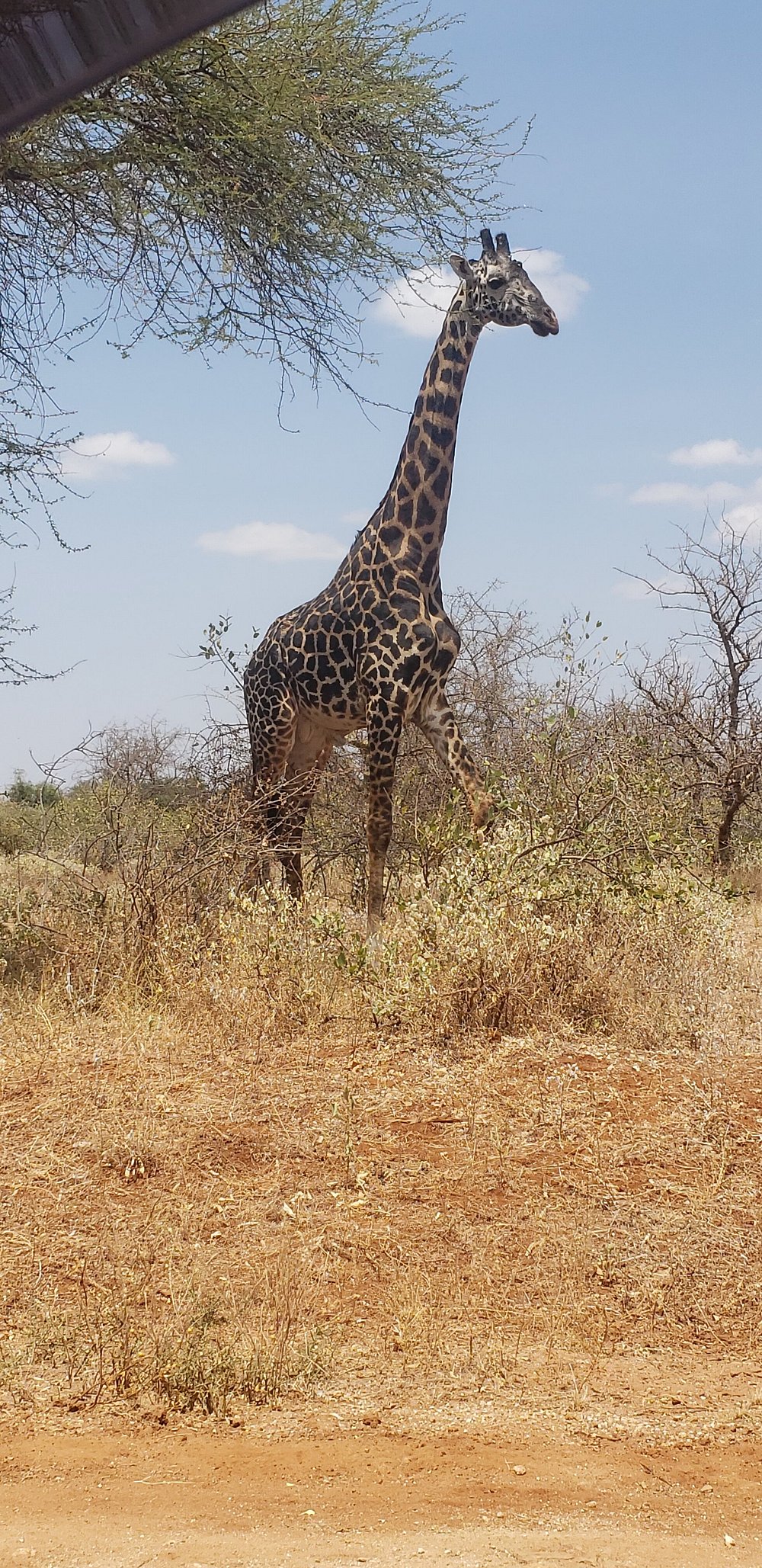
Masai Mara Park Fees: How Entry Fees Work – A Complete Safari Traveler’s Guide, The Masai Mara National Reserve is one of Africa’s most famous wildlife destinations and a must-visit attraction for travelers planning a Kenyan safari. Known for its incredible wildlife diversity, large lion populations, elephants, leopards, cheetahs and the spectacular Great Wildebeest Migration, the reserve attracts visitors from across the world.
However, before planning a safari to the Masai Mara, one important question travelers should ask is: How much are the Masai Mara park fees, and how does the entry fee system work?
Understanding the park’s entrance fees is essential when preparing your safari budget. The amount you pay depends on several factors, including your nationality or residency status, the season of travel, your age and the length of your stay.
It is also important to understand that the Masai Mara ecosystem includes the main National Reserve and several surrounding private conservancies. These areas can have different entrance charges, rules and payment arrangements.
In this guide, we explain how Masai Mara entry fees work, who pays, what is included, how long a ticket remains valid, additional safari expenses and how to budget for your visit.
Whether you are planning a budget safari, a luxury holiday, a family trip or a Great Migration adventure, this guide will help you understand the costs before travelling.
What Are Masai Mara Park Fees?
Masai Mara park fees are mandatory conservation and entry charges paid by visitors who enter the Masai Mara National Reserve.
These fees are collected by the relevant reserve management authority to support wildlife conservation, park management, security, infrastructure maintenance and community development.
Every visitor entering the reserve must have the appropriate entry ticket, regardless of whether they are staying inside or outside the reserve.
Park fees are generally calculated per person rather than per safari vehicle.
This means that if you are travelling in a private 4×4 Land Cruiser with five passengers, each passenger must have a valid entry ticket.
Important: Paying for your safari vehicle, accommodation or tour guide does not automatically mean your Masai Mara park entry fee has been covered. Always confirm what is included in your safari package.
Masai Mara Park Entry Fees: How Much Do Visitors Pay?
Masai Mara entry fees are not necessarily the same throughout the year. The reserve applies different seasonal rates, and visitors may pay different amounts depending on whether they are international tourists, Kenyan citizens or East African residents.
For this reason, travelers should confirm the applicable tariff for their intended travel dates before booking.
The following sections explain the main visitor categories and the fee structure you should check when planning your safari.
A. Non-Resident Park Fees (International Visitors)
Non-residents are international visitors who do not qualify for Kenyan citizenship or East African resident rates.
The 2026 published rates are:
| Visitor category | Green season (Jan–Jun) | High season (Jul–Dec) |
|---|---|---|
| Adults (18 years and above) | $100 | $200 |
| Children (9–17 years) | $50 | $50 |
| Children (8 years and below) | Free | Free |
| Qualifying organised student groups | $50 | $50 |
These rates are charged per person, per day.
Masai Mara National Reserve+2
Example: If two international adults visit the Masai Mara in August, their combined daily entry fees will be:
-
Adult 1: $200
-
Adult 2: $200
-
Total: $400 per day
This amount excludes vehicle charges, accommodation, meals and other safari expenses.
B. Kenyan Citizen Park Fees
Kenyan citizens enjoy lower entry fees than international visitors.
| Visitor category | Green season | High season |
|---|---|---|
| Adults | KES 1,500 | KES 3,000 |
| Children (9–17 years) | KES 300 | KES 500 |
| Children (8 years and below) | Free | Free |
Visitors should carry valid identification documents to prove their citizenship.
C. East African Resident Park Fees
Travelers who are residents of East African Community countries, including Uganda, Tanzania, Rwanda, Burundi and Kenya, may qualify for East African resident rates when they have the required residence documentation.
| Visitor category | Green season | High season |
|---|---|---|
| Adults | KES 2,500 | KES 5,000 |
| Children (9–17 years) | KES 1,000 | KES 2,000 |
| Children (8 years and below) | Free | Free |
For example, a Ugandan living and working in Kenya with valid residency documentation may qualify for the East African resident category. A Ugandan tourist visiting Kenya without qualifying residency documents should not automatically assume they qualify for this rate.
Confirm the accepted documentation with the reserve ticketing office before travel.
D. Narok County Resident Park Fees
People living in Narok County enjoy special local rates.
| Visitor category | Green season | High season |
|---|---|---|
| Adults | KES 1,000 | KES 2,000 |
| Children (9–17 years) | KES 200 | KES 500 |
| Children (8 years and below) | Free | Free |
Proof of residence is required to access these rates.
When Does the Masai Mara High Season and Low Season Apply?
The Masai Mara uses two main seasonal fee periods. Understanding these periods helps travelers choose their safari dates and prepare their budgets.
Green season: 1 January to 30 June
The green season generally offers lower entry fees for international adult visitors.
During this period:
-
Adult international visitors pay $100 per day.
-
The landscape can be beautifully green following seasonal rains.
-
There may be fewer visitors than during peak migration months.
-
Some accommodation providers offer attractive seasonal packages.
High season: 1 July to 31 December
The high season attracts many international travelers, especially those interested in the Great Wildebeest Migration.
During this period:
-
Adult international visitors pay $200 per day.
-
Demand for accommodation is generally higher.
-
Popular migration-viewing areas can become busy.
-
Advance reservations are strongly recommended.
Important: The seasonal tariff is determined by the date of entry. If your safari crosses from June into July, the applicable daily rate changes on 1 July.
How Does the Masai Mara Entry Fee System Work?
Understanding how the entry system works can help you avoid unexpected charges during your safari.
Here is how it generally works.
Step 1: Identify Your Visitor CategoryBefore purchasing your entry ticket, determine whether you qualify as:
-
An international non-resident.
-
A Kenyan citizen.
-
An East African resident.
-
A Narok County resident.
Your category determines the amount you pay.
Step 2: Select Your Travel DatesYour travel dates determine whether you pay green-season or high-season rates.
For example, an international visitor entering the reserve on 15 June pays the green-season rate, while someone entering on 15 August pays the high-season rate.
Step 3: Calculate the Number of DaysPark fees are charged per person, per day.
If you spend three days visiting the reserve, you generally need to budget for three daily entry charges for every paying visitor.
For example, two international adults visiting in August for three days will pay:
This is their combined entry fee, excluding other safari expenses.
Step 4: Arrange PaymentEntry tickets are obtained through the authorised ticketing arrangements for the relevant section of the reserve.
Depending on the gate and management area, payment may be made through authorised online channels, card or mobile money.
Always request confirmation of your payment and ensure the correct number of visitors and dates appear on the ticket.
Step 5: Present Your Ticket at the EntranceAt the entrance gate, visitors may be asked to present:
-
Their park entry confirmation or ticket.
-
Passport or national identification.
-
Residency documentation where applicable.
-
Details of the safari vehicle.
Once the entry arrangements are verified, visitors can proceed into the reserve.
Are Masai Mara Vehicle Entry Fees Included in the Park Fees?
No. Vehicle entry charges are separate from individual visitor entry fees.
This means that even after paying the park fees for every passenger, your safari vehicle may attract an additional charge.
The published 2026 vehicle fee schedule includes the following rates:
| Vehicle seating capacity | Daily charge |
|---|---|
| 6 seats and below | KES 1,000 |
| 6–12 seats | KES 1,500 |
| 13–24 seats | KES 3,500 |
| 25–44 seats | KES 4,500 |
| 45 seats and above | KES 5,000 |
Mara Masai
Important: Published vehicle schedules can differ, particularly around the smaller vehicle categories. Confirm the applicable charge with your operator or the relevant gate before travelling.
For most private safari travelers, a 4×4 Toyota Land Cruiser is a popular choice because it offers good ground clearance, comfortable seating and excellent wildlife-viewing opportunities.
How Long Is a Masai Mara Entry Ticket Valid?
One important detail travelers should understand is that the Masai Mara has a 12-hour day-use ticket arrangement.
The published 2026 ticket guidance gives the normal operating window as:
-
Opening: 6:00 AM.
-
Closing: 6:00 PM.
-
Ticket validity: 12 hours.
A ticket should not be assumed to cover multiple days simply because you have paid for accommodation inside the reserve.
If you are planning a multi-day safari, budget for the applicable daily entry fees.
For example:
-
One-day safari: One daily entry fee.
-
Two-day safari: Two daily entry fees.
-
Three-day safari: Three daily entry fees.
-
Four-day safari: Four daily entry fees.
If you are staying inside the reserve, ask your lodge or tour operator to explain the ticketing and departure arrangements, including the applicable morning exit requirements.
Does Staying Inside the Masai Mara Reduce Park Entry Fees?
No. Staying inside the main Masai Mara National Reserve does not automatically exempt you from daily entry fees.
Whether you choose a luxury safari lodge, tented camp or accommodation outside the reserve, the applicable entry tariff still needs to be considered.
However, there is an important difference between accommodation inside the National Reserve and accommodation within a private conservancy.
Accommodation inside the National Reserve
You pay the applicable reserve entry charges for your stay and activities according to the ticketing rules.
Accommodation in a private conservancy
Private conservancies have their own conservation and accommodation arrangements. Their charges are often incorporated into the lodge or camp rate.
If you plan to leave the conservancy and enter the main National Reserve for a game drive, additional reserve entry charges may apply.
Always ask your safari operator whether the quoted accommodation rate includes conservancy fees, reserve entry fees or both.
Masai Mara National Reserve vs Private Conservancies: Are the Fees the Same?
The Greater Masai Mara ecosystem includes the main National Reserve and several surrounding private conservancies.
Although these areas protect the same remarkable wildlife ecosystem, they have different management and payment arrangements.
Masai Mara National Reserve
The main reserve is managed by Narok County Government.
Visitors pay the applicable reserve entrance fees according to their visitor category and travel dates.
Popular entrance gates include:
-
Sekenani Gate.
-
Talek Gate.
-
Oloolaimutia Gate.
-
Musiara Gate.
-
Sand River Gate.
Mara TriangleThe Mara Triangle is the western section of the reserve, managed by the Mara Conservancy.
It has its own gate and payment arrangements, although the published visitor fee levels follow the reserve’s applicable tariff.
Travelers should confirm payment procedures before arriving because the Mara Triangle operates a cashless payment system.
Private ConservanciesSome well-known conservancies include:
-
Mara North Conservancy.
-
Olare Motorogi Conservancy.
-
Naboisho Conservancy.
-
Ol Kinyei Conservancy.
Private conservancies often offer exclusive wildlife experiences, fewer safari vehicles, night game drives where permitted and guided walking safaris.
Their conservation fees are separate from the main reserve tariff and are usually arranged through the accommodation provider.
What Other Costs Should You Budget for Besides Masai Mara Entry Fees?
Your Masai Mara park entrance fee is only one part of your overall safari budget.
Other expenses may include:
Accommodation
The cost depends on whether you choose budget camps, midrange tented lodges or luxury safari properties.
Safari vehicle and guide
A private 4×4 Land Cruiser with an experienced driver-guide may be charged separately or included in your safari package.
Hot air balloon safari
A balloon safari is an optional activity that allows visitors to experience the Mara’s landscapes and wildlife from above.
Maasai cultural experiencesSome travelers include visits to local Maasai communities to learn about traditional lifestyles, cultural practices and community conservation.
Meals and drinksCheck whether your accommodation package includes breakfast, lunch, dinner and drinking water..
Tips and gratuities
It is customary for some travelers to tip safari guides, lodge staff and other service providers for good service, although tipping is generally discretionary.
Travel insurance
Travel insurance is recommended to protect against unexpected medical and travel-related expenses.
Example: How Much Are Masai Mara Park Fees for a 3-Day Safari?
Let’s consider an international family or group of travelers visiting during August, which falls within the high-season fee period.
Suppose you have:
-
Two adults.
-
Two children aged between 9 and 17.
-
Three days inside the reserve.
The calculation would be:
| Visitor | Daily fee | Days | Total |
|---|---|---|---|
| Adult 1 | $200 | 3 | $600 |
| Adult 2 | $200 | 3 | $600 |
| Child 1 | $50 | 3 | $150 |
| Child 2 | $50 | 3 | $150 |
| Total | $1,500 |
This is an illustrative calculation using the published 2026 international visitor rates. It excludes vehicle charges, accommodation, meals, guide services and optional activities.
Where Can You Pay Masai Mara Park Entry Fees?
Travelers can arrange entry payments through authorised ticketing channels.
The published arrangements include:
-
Authorised online ticketing through the relevant KAPS system.
-
KAPS offices in Nairobi.
-
Authorised ticketing staff at designated reserve entrance points.
For the Mara Triangle, payment is cashless and accepted payment methods include M-Pesa and major bank cards.
Before travelling, confirm the correct payment channel for your intended entrance gate. Avoid making payments to unauthorised individuals.
You can consult the following resources:
-
Masai Mara entry fees and visitor tariff information
-
Masai Mara entrance gates and payment arrangements
-
Narok County Finance Act – official fee schedule
Tips for Saving Money on Masai Mara Park Fees
Although visiting the Masai Mara can be expensive, proper planning can help you manage your safari budget.
Here are some practical ways to control your costs.
1. Travel during the green season: International adult entry fees are lower between January and June.
2. Choose suitable accommodation: Compare budget, midrange and luxury accommodation before booking.
3. Consider group safaris: Sharing a safari vehicle can reduce the transport cost per person.
4. Book your accommodation early: Early planning can help you secure suitable accommodation, particularly during the migration season.
5. Understand your visitor category: If you qualify for an East African resident rate, prepare the required documentation.
6. Compare the main reserve and conservancies: Different areas offer different experiences and pricing arrangements.
7. Ask for an all-inclusive quotation: Request a breakdown showing park fees, vehicle costs, accommodation, meals and activities.
8. Avoid unnecessary extra park days: Plan your itinerary carefully so that you pay for the days you genuinely intend to spend inside the reserve.
13. Frequently Asked Questions About Masai Mara Park Fees
1. How much is the Masai Mara entrance fee in 2026?International adults pay $100 per person per day between January and June and $200 per person per day between July and December. Children aged 9–17 pay $50 per day, while children aged 8 and below enter free under the published tariff.
2. Do I pay park fees every day in the Masai Mara?Yes. Visitors should budget for daily entry fees for every day they access the reserve. A ticket is not a multi-day pass.
3. Are Masai Mara park fees included in safari packages?Sometimes. Some tour operators include park fees in their safari quotations, while others show them separately.
Always request an itemised quotation to avoid paying twice or discovering unexpected costs.
4. Do children pay Masai Mara park fees?Children aged 9–17 pay the applicable child rate. Children aged 8 and below are free under the published 2026 tariff.
5. Is the Masai Mara more expensive during the wildebeest migration?The high-season tariff applies from July to December. Adult international visitors pay $200 per day during this period, compared with $100 between January and June.
6. Do I pay extra for a safari vehicle?Yes. Vehicle entry charges are separate from individual visitor fees. The amount depends on the vehicle’s seating capacity.
7. Can I enter the Masai Mara without a tour operator?Yes. Independent travelers can arrange their own entry, subject to the applicable payment, vehicle and reserve regulations.
However, using a registered and experienced safari operator can make planning, transportation and wildlife viewing easier.
8. Are park fees refundable if I cancel my safari?Refunds and cancellation arrangements depend on the applicable ticketing terms and reserve management policies. Confirm the refund policy before paying.
9. Are the Mara Triangle and the main Masai Mara entry fees different?The published visitor fee levels are aligned, but the two areas have separate management and payment arrangements. Confirm the correct ticket and payment procedure for your intended entrance.
10. Does my hotel booking include park entry?Not necessarily. Some safari packages include park fees, while accommodation-only bookings may exclude them. Always confirm with your lodge or tour operator.
Why Book Your Masai Mara Safari with Fuga Tours and Travel?Planning a Masai Mara safari requires more than choosing a lodge and booking a safari vehicle. Understanding park fees, seasonal changes, accommodation costs and the best wildlife-viewing locations can make a significant difference to your experience.
At FugaTours and Travel, we help travelers organize memorable Kenyan wildlife safaris with clear pricing and well-planned itineraries.
We can assist with:
-
Budget Masai Mara safari packages.
-
Midrange and luxury Masai Mara holidays.
-
Great Wildebeest Migration safari packages.
-
Private and group game drives.
-
Masai Mara hot air balloon safaris.
-
Kenya and Uganda combined safari holidays.
-
Kenya and Rwanda gorilla trekking combinations.
Whether you are travelling alone, as a couple, with family or in a group, we can help you choose a safari package that matches your budget and travel expectations.
Ready to visit the Masai Mara?
Contact Kashari Tours and Travel today for a personalised Masai Mara safari quotation. Let us help you plan an unforgettable Kenyan wildlife adventure with transparent costs and reliable safari arrangements.
In conclusion: Understand Masai Mara Park Fees Before Booking Your Safari
Understanding how Masai Mara park fees work is an important part of planning a successful Kenyan safari.
The amount you pay depends on your visitor category, travel season, age and number of days spent inside the reserve.
Remember that individual entry fees, vehicle charges, accommodation and optional activities are different expenses that should be considered when preparing your safari budget.
If you are planning to witness the Great Wildebeest Migration or enjoy a traditional African wildlife safari, booking early and understanding the fee structure will help you avoid unexpected expenses.
Plan your Masai Mara adventure with Fuga Tours and Travel and experience one of Africa’s most remarkable wildlife destinations.