
Chimpanzee trekking in Nyungwe National Park is one of Rwanda’s most exciting wildlife adventures. Hidden within one of Africa’s oldest montane rainforests, Nyungwe offers visitors an unforgettable opportunity to encounter wild chimpanzees in their natural habitat while exploring a forest rich in biodiversity, scenic hiking trails, waterfalls, and breathtaking landscapes.
Unlike traditional game drives, chimpanzee trekking is an active jungle adventure that combines wildlife viewing, hiking, birdwatching, and rainforest exploration into one remarkable experience. As you follow experienced park rangers deep into the forest, the loud calls and energetic movements of chimpanzees create an atmosphere unlike anywhere else in East Africa.
Whether you’re planning a luxury Rwanda safari, a primate-focused holiday, or combining chimpanzee trekking with gorilla trekking in Volcanoes National Park, Nyungwe deserves a place on your itinerary
Why Visit Nyungwe National Park?
Besides chimpanzee trekking, visitors enjoy:
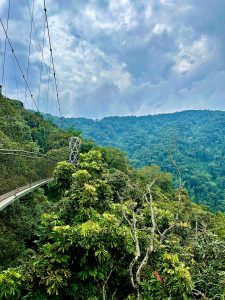
- Canopy Walk Adventure
- Colobus Monkey Tracking
- Hiking Trails
- Bird Watching
- Tea Plantation Tours
- Waterfall Hikes
- Zipline Experience
- Nature Photography
Why Nyungwe is Famous for Chimpanzee Trekking
Chimpanzees are humans’ closest living relatives, sharing approximately 98% of our DNA
Watching them interact naturally is fascinating.
- Building nests
- Caring for infants
- Climbing trees
- Defending territories
Unlike mountain gorillas that often remain calm, chimpanzees are energetic and constantly moving through the forest canopy, making every trek unique and exciting.
The Chimpanzee Trekking Experience
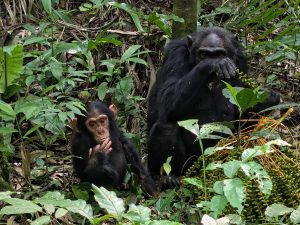
Your adventure begins before sunrise.
Most visitors report to the designated reception area around 4:30–5:00 AM for registration and a ranger briefing before driving to the trailhead. Rangers and advance trackers locate chimpanzee communities and guide visitors through the forest.
After the briefing, experienced guides lead small groups into the rainforest.
The trek may involve:
- Dense vegetation
- Steep hills
- Muddy trails
- River crossings
- Thick bamboo forests
The duration varies depending on where the chimpanzees are located, often lasting 2 to 6 hours or more before and during observation.
How to Get to Nyungwe National Park
Nyungwe National Park is located in southwestern Rwanda, approximately 220–225 kilometers (137–140 miles) from Kigali, the country’s capital. The journey to the park is an adventure in itself, taking visitors through Rwanda’s picturesque rolling hills, tea plantations, rural villages, and breathtaking landscapes. Depending on your preferred mode of transport, there are several convenient ways to reach the park.
By Road
Traveling by road is the most common and scenic way to reach Nyungwe National Park. The drive from Kigali takes approximately 5 to 6 hours, depending on traffic, weather conditions, and the location of your lodge or visitor center within the park.
Kigali → Muhanga → Huye (Butare) → Nyamagabe → Nyungwe National Park
The roads are fully paved and well maintained, making the journey comfortable for both self-drive travelers and guided safari vehicles. Along the way, you can stop at several attractions, including:
- The King’s Palace Museum in Nyanza
- Huye (Butare), Rwanda’s cultural and academic center
- Local tea plantations
- Scenic viewpoints overlooking the famous “Land of a Thousand Hills”
Most tour operators schedule these stops to break up the journey and enrich your travel experience
Self-Drive Safari
Renting a car offers flexibility and allows you to explore Rwanda at your own pace. Both 2WD and 4WD vehicles can reach the main entrances to Nyungwe National Park via paved roads, although a 4WD is recommended if you plan to visit remote areas or travel during the rainy seasons.
Ensure you have:
- A valid driver’s license
- GPS navigation or offline maps
- Sufficient fuel before leaving major towns
- Travel insurance
By Domestic Flight
If you prefer a faster and more comfortable journey, you can fly from Kigali International Airport (KGL) to Kamembe Airport (KME) near Rusizi. The domestic flight takes approximately 40 minutes, followed by a one-hour drive to Nyungwe National Park. This option is ideal for luxury travelers or visitors with limited time.
Some luxury safari packages also arrange helicopter transfers directly to lodges near the paek
By Public Transport
Budget travelers can reach Nyungwe National Park using Rwanda’s reliable public transport network. Daily buses depart from Nyabugogo Bus Park in Kigali to Rusizi (Cyangugu) or Huye (Butare). Since the main Kigali–Rusizi highway passes through the park, you can arrange to be dropped near one of the park entrances or continue to Gisakura before taking a local taxi or motorcycle taxi (boda-boda) to your lodge or visitor center.
Although public transport is affordable, it offers less flexibility than private transport, especially if you have early morning chimpanzee trekking activities.
By Guided Safari
Booking a guided Rwanda safari is the easiest and most convenient way to visit Nyungwe National Park. Your tour operator will arrange:
Frequently Asked Questions
Is chimpanzee trekking worth it?
Absolutely. It offers one of Africa’s most exciting and authentic wildlife experiences.
How long does trekking take?
Expect between 2 and 6 hours, depending on chimpanzee movements.
Can children participate?
Age restrictions apply according to park regulations. Check the latest requirements when booking.
Is chimpanzee trekking difficult?
It is moderately strenuous and suitable for reasonably fit travelers.
Can I combine chimpanzee and gorilla trekking?
Yes. Many visitors combine Nyungwe National Park with Volcanoes National Park for the ultimate Rwanda primate safari.
Travel Tips
- Start your journey from Kigali early in the morning to arrive before sunset.
- If you’re planning chimpanzee trekking, consider arriving the day before because trekking briefings begin very early in the morning.
- Carry cash for small purchases in rural towns, although major hotels and lodges generally accept credit cards.
- During the rainy seasons (March–May and October–November), allow extra travel time due to wet conditions.
- Book your accommodation and chimpanzee trekking permits well in advance, especially during the peak tourist seasons.