
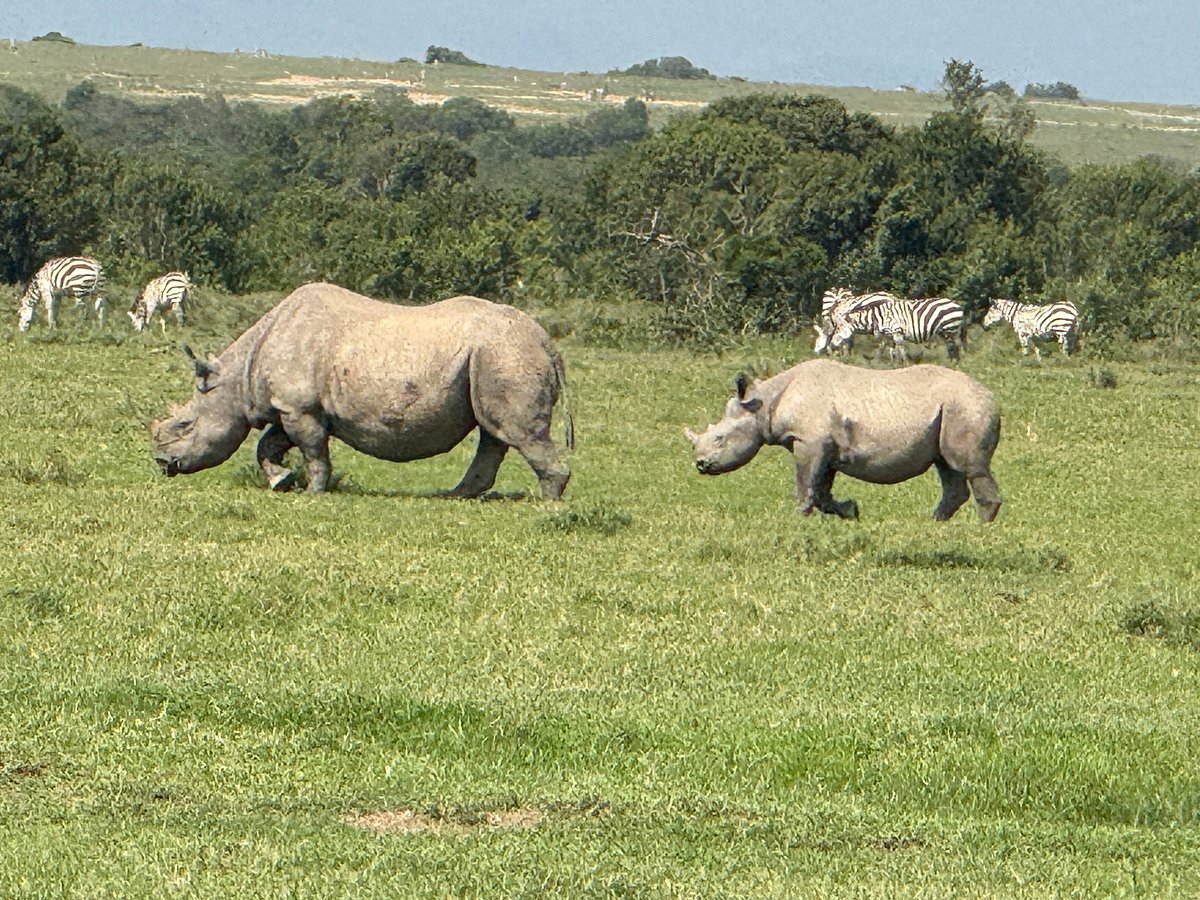
Rhinos in Kenya: The Best Places to See Black and White Rhinos on Safari, Kenya is one of Africa’s most important destinations for rhino conservation and wildlife safaris. Famous for its spectacular savannah landscapes, the Great Wildebeest Migration and the Big Five, the country also offers exceptional opportunities to encounter two of Africa’s most remarkable animals: the black rhino and the white rhino.
For travelers planning a Kenya safari, seeing a rhino in its natural environment is a truly special experience. These magnificent animals are among the most endangered large mammals in the world, and their survival depends heavily on protected national parks, private conservancies, dedicated rangers and successful conservation programmed.
Kenya has several outstanding destinations where visitors can see both black and white rhinos. These include Ol Pejeta Conservancy, Lake Nakuru National Park, Lewa Wildlife Conservancy, Solio Game Reserve and Nairobi National Park.
The country is also home to the world’s last two northern white rhinos, which live under intensive protection at Ol Pejeta Conservancy.
Whether you are a wildlife photographer, a first-time safari traveler, a conservation enthusiast or someone hoping to complete the African Big Five, Kenya offers an unforgettable rhino safari experience.
In this guide, we explore the best places to see black and white rhinos in Kenya, the differences between the two species, the best time to visit and how to organize a memorable rhino safari.
Understanding Black and White Rhinos in Kenya
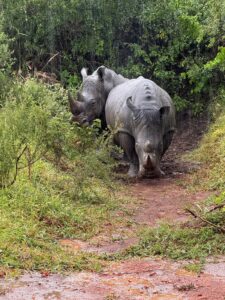
Before visiting Kenya’s rhino sanctuaries, it is helpful to understand the differences between black and white rhinos.
Although their names suggest differences in color, both species are generally grey. Their names are believed to have originated partly from historical misunderstandings surrounding the word “wide” used to describe the white rhino’s broad mouth.
Black Rhinos in Kenya
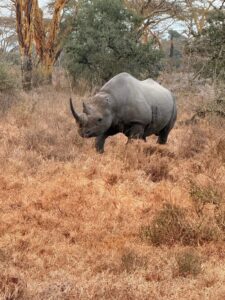
The black rhino, scientifically known as Diceros bicornis, is one of Africa’s most endangered large mammals.
Black rhinos are browsers, meaning they feed mainly on leaves, branches, shoots and shrubs.
They have a pointed, hooked upper lip that helps them grasp vegetation from bushes and trees.
Characteristics of black rhinos:
- Smaller and generally more compact than white rhinos.
- Pointed, hooked upper lips.
- More solitary behaviour.
- Prefer bushland, woodland and areas with thick vegetation.
- Generally more unpredictable and potentially defensive when threatened.
Kenya is an important stronghold for the eastern black rhino, and protected sanctuaries have played a major role in its recovery.
White Rhinos in Kenya
The white rhino, scientifically known as Ceratotherium simum, is generally larger than the black rhino.
Unlike black rhinos, white rhinos are grazers. They feed mainly on grasses and are well adapted to open grassland habitats.
Characteristics of white rhinos:
- Larger bodies and broad, square-shaped mouths.
- Wide, flat lips adapted for grazing.
- Often seen feeding in open grasslands.
- May be encountered in small groups.
- Generally have a more social feeding behaviour than black rhinos.
White rhinos are particularly rewarding to observe because they can sometimes be seen grazing in open areas, making wildlife photography easier.
Black Rhino vs White Rhino: What’s the Difference?
| Feature | Black Rhino | White Rhino |
|---|---|---|
| Scientific name | Diceros bicornis | Ceratotherium simum |
| Feeding style | Browser | Grazer |
| Mouth shape | Pointed, hooked lip | Broad, square lip |
| Preferred habitat | Bushland and woodland | Open grasslands |
| Body size | Smaller | Larger |
| Social behavior | Mostly solitary | More social |
| Sightings | Often more challenging | Often easier in open areas |
Both species are magnificent and deserve protection. Observing them in their natural environment is one of the highlights of a Kenyan wildlife safari.
Ol Pejeta Conservancy: The Best Place to See Black and White Rhinos in Kenya
Ol Pejeta Conservancy is one of the most important wildlife conservation destinations in East Africa and arguably the best overall place to begin a rhino-focused safari in Kenya.
Located between Mount Kenya and the Aberdare ranges, this remarkable conservancy protects substantial populations of both black and southern white rhinos.
It is particularly famous for its commitment to endangered wildlife, community development and innovative conservation programme
Why Visit Ol Pejeta for Rhino Viewing?
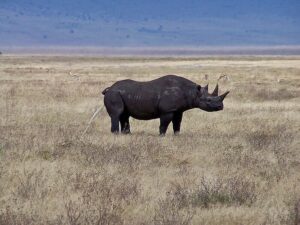
Ol Pejeta provides excellent opportunities to encounter both black and white rhinos during guided game drives.
Its protected habitats support rhino conservation, breeding and monitoring programme
Visitors may see:
- Black rhinos browsing in bushland.
- White rhinos grazing in open grasslands.
- Rhino mothers moving with their calves.
- Rhinos resting or drinking water.
- Rangers monitoring and protecting endangered wildlife.
Ol Pejeta is particularly rewarding for wildlife photographers because the conservancy contains a mixture of open plains and bushland.
Meet the World’s Last Two Northern White Rhinos
One of Ol Pejeta’s most important conservation stories involves the northern white rhino.
The conservancy is home to Najin and Fatu, the world’s last two surviving northern white rhinos. Both are females and live under intensive protection.
They cannot naturally sustain the subspecies through conventional breeding, and international scientists are working on assisted reproductive technologies in an effort to prevent its complete extinction.
Visitors may be able to arrange a special conservation experience to learn about their lives and the efforts to save their subspecies.
This is not an ordinary wild rhino sighting. It is an opportunity to understand one of the most important wildlife conservation challenges of our time.
Other Wildlife to See at Ol Pejeta
Beyond rhinos, Ol Pejeta is home to:
- African elephants.
- Lions.
- Leopards.
- Cheetahs.
- African buffaloes.
- Zebras.
- Giraffes.
- Hyenas.
- Numerous antelope species.
The conservancy also hosts the Sweetwaters Chimpanzee Sanctuary, which provides refuge for rescued chimpanzees.
Why choose Ol Pejeta?
Choose Ol Pejeta if your main safari objective is to see both black and white rhinos, learn about rhino conservation and experience Kenya’s Big Five in one destination.
Lake Nakuru National Park: One of Kenya’s Best Rhino Sanctuaries
Lake Nakuru National Park is among Kenya’s most famous wildlife destinations and one of the best places to see both black and white rhinos.
The park is particularly attractive to visitors because it combines rhino conservation with beautiful lake scenery, acacia woodlands, rolling grasslands and remarkable birdlife.
Lake Nakuru is also a protected rhino sanctuary, making it an excellent destination for travelers hoping to encounter these endangered animals.
Where to Find Rhinos in Lake Nakuru
White rhinos are often encountered grazing in open grasslands, while black rhinos tend to favour thicker vegetation and wooded sections.
During game drives, visitors should pay attention to:
- Open grassland areas.
- The southern sections of the park.
- Woodland edges.
- Areas around water sources.
- Bushland along selected park roads.
Your safari guide will help identify suitable wildlife-viewing areas based on recent animal movements.
Other Wildlife Attractions in Lake Nakuru
The park offers much more than rhinos.
Visitors may encounter:
- Rothschild’s giraffes.
- African buffaloes.
- Lions.
- Leopards.
- Zebras.
- Waterbucks.
- Warthogs.
- Numerous waterbirds.
Lake Nakuru is also famous for flamingos, although their numbers vary according to water levels and food availability.
Why Include Lake Nakuru in Your Kenya Safari?
Lake Nakuru is an excellent choice for travelers combining rhino viewing with a wider Kenya wildlife adventure.
Its location makes it convenient to include on a road safari connecting Nairobi, Lake Naivasha and the Masai Mara.
Best for: Travelers wanting to see black and white rhinos, enjoy birdwatching and explore the beautiful landscapes of the Great Rift Valley.
Lewa Wildlife Conservancy: An Exceptional Destination for Black Rhino Conservation
Lewa Wildlife Conservancy is internationally recognized for its outstanding wildlife conservation work, particularly its contribution to protecting endangered black rhinos.
Situated in the northern foothills of Mount Kenya, Lewa features open grasslands, wooded areas and rolling landscapes that support a variety of wildlife.
The conservancy has played an important role in Kenya’s rhino recovery programme and provides visitors with opportunities to learn about wildlife protection.
Rhino Viewing at Lewa
Lewa supports populations of both black and white rhinos.
Visitors can encounter rhinos during guided game drives while learning about the conservation strategies used to protect them.
Depending on the accommodation and activities available, visitors may also be able to arrange special guided conservation experiences.
Other Wildlife at Lewa
The conservancy is also known for:
- Grevy’s zebras.
- African elephants.
- Lions.
- Leopards.
- Cheetahs.
- Giraffes.
- Buffaloes.
- Numerous antelope species.
Lewa is particularly interesting for travelers who want to combine rhino viewing with opportunities to see endangered Grevy’s zebras.
Best for: Luxury wildlife safaris, conservation-focused travel, photography and travelers looking for a quieter alternative to Kenya’s busiest national parks.
Solio Game Reserve: A Hidden Gem for Rhino Lovers
It is particularly famous for its rhino breeding programme and has contributed significantly to the recovery and relocation of rhinos to other protected areas in Kenya.
The reserve is situated in a beautiful landscape between Mount Kenya and the Aberdare ranges.
Unlike some of Kenya’s larger national parks, Solio offers a more exclusive wildlife experience.
Why Visit Solio for Rhino Viewing?
Solio is known for supporting both black and white rhinos.
Its relatively compact protected landscape makes it a rewarding destination for visitors interested in rhino conservation.
During game drives, travelers may encounter:
- Black rhinos browsing in vegetation.
- White rhinos grazing in open areas.
- Rhino mothers with their young.
- Giraffes.
- Zebras.
- Buffaloes.
- Other plains wildlife.
What Makes Solio Special?
Solio is particularly attractive to visitors who prefer less crowded wildlife experiences.
Its conservation history makes it an important stop for understanding how carefully managed breeding and relocation programme contribute to wildlife recovery.
Access is controlled, so visitors should arrange their experience through participating accommodation providers or authorized operators.
Best for: Rhino enthusiasts, photographers, luxury travelers and visitors interested in conservation-focused safaris.
Nairobi National Park: See Rhinos Just Outside Kenya’s Capital
Nairobi National Park offers one of the most unusual wildlife experiences in Africa.
It is located just outside Kenya’s capital city, where visitors can enjoy a wildlife safari with Nairobi’s modern skyline in the background.
Despite its proximity to the city, the park protects important wildlife populations, including black and white rhinos.
Where to Find Rhinos in Nairobi National Park
Rhinos can be encountered in different parts of the park during game drives.
Visitors should explore:
- Open grasslands.
- Woodland areas.
- Bushland habitats.
- Areas around water sources.
Black rhinos are an important attraction, while white rhinos may also be encountered in suitable viewing areas.
Other Wildlife in Nairobi National Park
The park is home to:
- Lions.
- Black rhinos.
- White rhinos.
- African buffaloes.
- Giraffes.
- Zebras.
- Ostriches.
- Various antelope species.
Nairobi National Park is particularly suitable for travelers with limited time, including those with a few hours before an international flight.
Best for: Short safaris, airport stopovers, business travelers and visitors who want a wildlife experience without travelling far from Nairobi.
Meru National Park: Explore a Less-Crowded Rhino Destination
Meru National Park is a beautiful wilderness destination that offers a different safari experience from the more frequently visited parks in southern Kenya.
The park features rivers, open grasslands, woodlands and diverse wildlife habitats.
It is also an important destination for rhino conservation.
Meru has a protected rhino sanctuary where black and white rhinos are managed and protected.
Why Visit Meru for Rhino Viewing?
Meru is ideal for travelers who want to explore a less-crowded national park while enjoying wildlife conservation experiences.
Its rhino sanctuary provides an opportunity to search for these remarkable animals under the guidance of experienced safari professionals.
Other Wildlife in Meru National Park
Visitors may encounter:
- Elephants.
- Lions.
- Leopards.
- Cheetahs.
- Buffaloes.
- Giraffes.
- Zebras.
- Hippos.
- Crocodiles.
Meru is also associated with the famous conservation history of George and Joy Adamson, who worked with lions, including Elsa.
Best for: Extended Kenya safaris, wilderness lovers and travelers interested in combining rhino conservation with less-crowded wildlife destinations.
Tsavo West National Park: Discover Kenya’s Rhino Conservation Success
Tsavo West National Park is one of Kenya’s largest and most spectacular wilderness destinations.
Famous for its rugged landscapes, volcanic hills, natural springs and red-dust elephants, the park is also an important destination for black rhino conservation.
One of its major conservation attractions is the Ngulia Rhino Sanctuary.
Ngulia Rhino Sanctuary
Ngulia is a protected area established to support black rhino conservation.
The sanctuary has been an important part of Kenya’s efforts to recover black rhino populations following decades of severe poaching.
In 2025, Kenya Wildlife Service reported an expansion of Tsavo West’s rhino protection programme through the consolidation of the Ngulia and Tsavo West populations.
This was a major milestone in Kenya’s efforts to establish a larger protected black rhino population.
What Else Can You See in Tsavo West?
Visitors can also explore:
- African elephants.
- Lions.
- Leopards.
- Buffaloes.
- Giraffes.
- Zebras.
- Various antelope species.
Other attractions include Mzima Springs, Shetani Lava Flow and the spectacular volcanic scenery.
Best for: Travelers interested in conservation, adventurous safaris and combining rhino experiences with Tsavo’s remarkable landscapes.
Best Places to See Black and White Rhinos in Kenya: Comparison Guide
Choosing the right destination depends on your interests, travel budget and the type of wildlife experience you want.
| Destination | Black rhino | White rhino | Best experience |
|---|---|---|---|
| Ol Pejeta | Yes | Yes | Best overall rhino safari |
| Lake Nakuru | Yes | Yes | Rhino viewing and birdwatching |
| Lewa Conservancy | Yes | Yes | Conservation and luxury safari |
| Solio Reserve | Yes | Yes | Exclusive rhino experience |
| Nairobi National Park | Yes | Yes | Short safari near the capital |
| Meru National Park | Yes | Yes | Wilderness and rhino conservation |
| Tsavo West | Yes | Protected populations and availability vary | Black rhino conservation |
The presence of rhinos does not guarantee sightings. Animals move naturally, and the experience depends on weather, habitat, time of day and guide knowledge.
Best Time to See Rhinos in Kenya
Kenya is a year-round safari destination, and rhinos can be seen in protected areas throughout the year.
However, certain seasons provide more comfortable travel conditions and can improve wildlife-viewing opportunities.
January to February: Short Dry Season
January and February are excellent months for wildlife safaris in Kenya.
The weather is generally dry, and vegetation may be shorter in some areas.
These conditions can make it easier to spot rhinos in open habitats.
March to May: Long Rainy Season
March, April and May generally receive heavier rainfall in many parts of Kenya.
The landscapes become greener, creating beautiful photography opportunities.
However, some safari roads may become muddy, and wildlife viewing can require additional patience.
June to October: Long Dry Season
June to October is one of the most popular periods for wildlife safaris in Kenya.
The weather is generally favorable for game drives, and shorter vegetation in many areas can improve visibility.
This period is particularly attractive to visitors combining rhino viewing with the Great Wildebeest Migration in the Masai Mara.
November to December: Short Rainy Season
November and December usually experience short rains, although the timing varies.
The countryside becomes greener, and wildlife photography can be particularly rewarding.
This can be a good period for travelers seeking a quieter safari experience.
Our recommendation: For a Kenya safari focusing on black and white rhinos, consider January, February, July, August or September. However, the choice of sanctuary is more important than selecting a particular month.
Rhino Conservation in Kenya: How the Country Protects These Endangered Animals
Kenya has made significant progress in rhino conservation despite facing serious challenges over the years.
During the 1970s and 1980s, poaching dramatically reduced rhino populations across Africa.
Illegal demand for rhino horns, habitat loss and human-wildlife conflict threatened the survival of these magnificent animals.
Kenya responded by strengthening wildlife protection and establishing dedicated rhino sanctuaries.
The Kenya Wildlife Service, private conservancies, conservation organizations and local communities have played important roles in these efforts.
Major Rhino Conservation Strategies in Kenya
1. Anti-poaching patrols
Rangers work around the clock to protect rhinos from illegal hunting.
2. Rhino sanctuaries
Protected areas such as Ol Pejeta, Lake Nakuru and Lewa provide secure habitats for breeding and conservation.
3. Wildlife monitoring
Conservation teams use tracking technology, identification systems and field observations to monitor individual rhinos.
4. Breeding programmer
Managed breeding and relocation programmer help strengthen rhino populations and establish new protected populations.
5. Community involvement
Local communities benefit through employment, tourism opportunities and conservation partnerships.
According to Kenya Wildlife Service’s published conservation information, Kenya had approximately 2,102 rhinos in 2025, including 1,059 black rhinos, 1,041 southern white rhinos and the last two northern white rhinos.
These figures demonstrate the importance of Kenya’s conservation efforts, although populations and official counts can change over time.
The Last Two Northern White Rhinos in the World: Why Ol Pejeta Matters
One of the most emotional wildlife conservation stories in Kenya is the survival of the northern white rhino.
The northern white rhino was once found in parts of Central Africa, but decades of poaching and habitat destruction brought the subspecies to the brink of extinction.
Today, only two individuals remain, both females living at Ol Pejeta Conservancy.
Their names are Najin and Fatu.
They are protected by dedicated conservation teams, and scientists are working on assisted reproductive technologies in an attempt to preserve the northern white rhino’s genetic legacy.
For visitors, learning about these animals provides a powerful reminder of why wildlife conservation matters.
A visit to Ol Pejeta is therefore not simply about seeing rhinos. It is also about understanding the consequences of illegal wildlife trade and the importance of protecting endangered species.
How to Plan a Kenya Rhino Safari
Planning a successful rhino safari requires selecting suitable destinations, arranging transportation and allowing enough time for wildlife viewing.
Here are some useful planning considerations.
Choose Your Rhino Destination
If you want to see both black and white rhinos, Ol Pejeta and Lake Nakuru are excellent starting points.
If you prefer a luxury conservation experience, consider Lewa or Solio.
For travelers with limited time, Nairobi National Park is a convenient option.
Book Accommodation Near the Sanctuary
Staying close to your chosen conservation area allows you to enjoy early morning and afternoon game drives.
Accommodation ranges from budget camps to luxury safari lodges.
Travel With an Experienced Safari Guide
A knowledgeable guide can help locate rhinos, interpret their behaviour and explain the conservation work taking place.
Carry Suitable Safari Equipment
Consider packing:
- Binoculars.
- A camera with a zoom lens.
- Comfortable neutral-colored clothing.
- A hat and sunscreen.
- Walking shoe
- A reusable water bottle.
- A light jacket for cool mornings.
Follow Wildlife Safety Rules
Always remain inside the safari vehicle unless your guide or authorized ranger permits otherwise.
Never approach, chase or attempt to touch a rhino.
These are powerful wild animals that deserve space and respect.
Suggested Kenya Rhino Safari Itineraries
Here are some itinerary ideas for travelers who want to include rhino conservation in their Kenya safari.
3-Day Ol Pejeta Rhino Safari
Day 1: Nairobi to Ol Pejeta Conservancy
Travel from Nairobi to Ol Pejeta, enjoying the changing scenery of central Kenya. Arrive for lunch and an afternoon game drive.
Day 2: Full-Day Ol Pejeta Wildlife Safari
Enjoy morning and afternoon game drives searching for black and white rhinos. Include a conservation visit to learn about the northern white rhinos, subject to availability and booking arrangements.
Day 3: Ol Pejeta to Nairobi
Enjoy an early morning game drive before returning to Nairobi.
5-Day Kenya Rhino and Rift Valley Safari
Day 1: Nairobi arrival and transfer to Lake Nakuru.
Day 2: Full-day Lake Nakuru wildlife safari, searching for black and white rhinos.
Day 3: Travel to Ol Pejeta Conservancy.
Day 4: Explore Ol Pejeta, focusing on rhinos and other Big Five wildlife.
Day 5: Return to Nairobi.
7-Day Kenya Wildlife and Rhino Conservation Safari
Day 1: Arrival in Nairobi.
Day 2: Nairobi National Park wildlife safari.
Day 3: Travel to Lake Nakuru National Park.
Day 4: Lake Nakuru wildlife viewing and transfer towards Laikipia.
Day 5: Explore Ol Pejeta Conservancy.
Day 6: Visit Ol Pejeta’s conservation attractions and enjoy additional game drives.
Day 7: Return to Nairobi.
These itineraries can be adjusted depending on your arrival time, accommodation preferences and safari budget.
Why Book Your Kenya Rhino Safari With Fuga Tours and Travel?
At FugaTours and Travel, we believe wildlife safaris should provide more than ordinary sightseeing. They should create meaningful experiences that connect travelers with Africa’s natural heritage.
A Kenya rhino safari is an opportunity to discover endangered wildlife while learning about the conservation work protecting these remarkable animals.
We can help organize a safari that includes:
- Ol Pejeta black and white rhino experiences.
- Lake Nakuru wildlife safaris.
- Nairobi National Park excursions.
- Lewa and Laikipia conservation experiences.
- Big Five wildlife safaris.
- Private and group Kenya safari packages.
- Kenya and Uganda combined safari adventures.
- Kenya and Rwanda wildlife and gorilla trekking holidays.
Whether you are planning a short safari or an extended East African adventure, our team can help you select suitable destinations, accommodation and transportation.
Travel with Fuga Tours and Travel and discover the incredible rhino conservation story of Kenya.
Frequently Asked Questions About Rhinos in Kenya
Where is the best place to see rhinos in Kenya?
Ol Pejeta Conservancy is one of the best overall destinations for seeing both black and southern white rhinos. Lake Nakuru National Park is another excellent option.
2. Can I see both black and white rhinos in Kenya?
Yes. Both species are protected in several Kenyan destinations, including Ol Pejeta, Lake Nakuru, Lewa, Solio and Nairobi National Park.
3. Where can I see the last two northern white rhinos?
The world’s last two northern white rhinos, Najin and Fatu, live at Ol Pejeta Conservancy in Laikipia County.
4. Are black rhinos endangered in Kenya?
Yes. Black rhinos remain critically endangered globally, and Kenya plays an important role in protecting the eastern black rhino subspecies.
5. What is the difference between black and white rhinos?
Black rhinos have pointed upper lips and feed mainly on leaves and shrubs. White rhinos have broad, square-shaped mouths and primarily graze on grass.
6. Which Kenyan national park has the most reliable rhino sightings?
Ol Pejeta Conservancy and Lake Nakuru National Park are among the strongest choices for rhino-focused wildlife viewing.
7. Can I see rhinos in the Masai Mara?
Yes, black rhinos occur in the greater Masai Mara ecosystem, but sightings are relatively uncommon. Travelers whose main objective is rhino viewing should prioritize Ol Pejeta or Lake Nakuru.
8. What is the best month to see rhinos in Kenya?
Rhinos can be seen throughout the year. January, February, July, August and September are popular safari months because of generally favorable dry-season conditions.
9. Can I see rhinos during a Nairobi safari?
Yes. Nairobi National Park is home to black and white rhinos and is particularly convenient for travelers staying in Nairobi or connecting through the city.
10. Are rhino sightings guaranteed in Kenya?
No. Although some sanctuaries have strong rhino populations, rhinos are wild animals and sightings cannot be guaranteed.
11. How many days do I need for a Kenya rhino safari?
Two to three days can provide a rewarding experience at Ol Pejeta. Five to seven days allow you to combine several rhino destinations with other Kenyan wildlife attractions.
12. Can I combine a Kenya rhino safari with Uganda gorilla trekking?
Absolutely. You can combine Ol Pejeta or Lake Nakuru with gorilla trekking in Bwindi Impenetrable National Park in Uganda. This creates an exciting East African safari featuring rhino conservation and mountain gorilla encounters.