
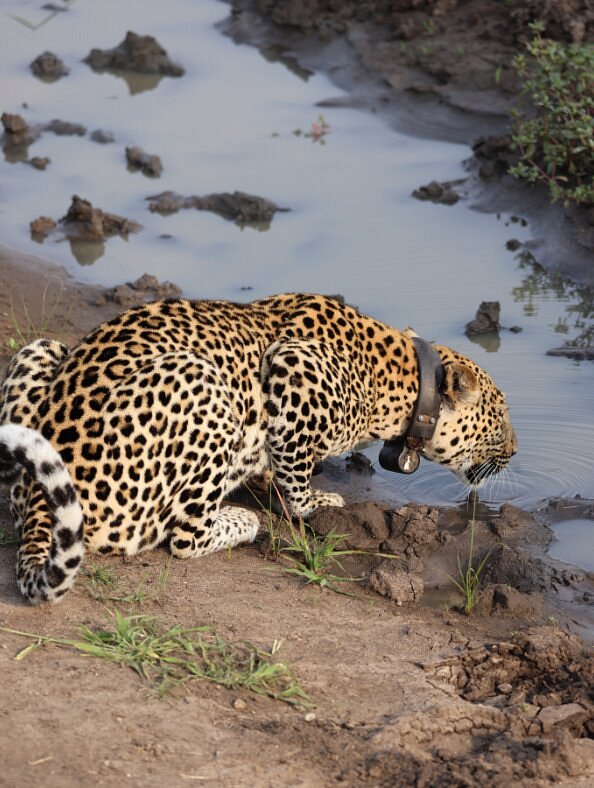
Big Cats of the Masai Mara: Where to Find Lions, Leopards and Cheetahs on Safari, The Masai Mara National Reserve is one of Africa’s most spectacular wildlife destinations and a dream safari destination for travelers hoping to encounter Africa’s famous big cats. Located in southwestern Kenya, the reserve is internationally recognized for its extraordinary concentration of wildlife, breathtaking savannah landscapes and remarkable predator sightings.
Among its most exciting attractions are the three iconic African big cats: lions, leopards and cheetahs. These magnificent predators share the vast grasslands, riverine forests and open plains of the Mara, although each species has its preferred habitat, hunting style and behavior.
Whether you dream of watching a pride of lions resting beneath an acacia tree, spotting a leopard hidden in a riverine forest or witnessing a cheetah sprint across the open plains in pursuit of prey, the Masai Mara offers unforgettable wildlife encounters.
But where exactly should you look for these big cats? Which areas offer the best opportunities for sightings? And when is the best time to visit?
This guide explores the big cats of the Masai Mara, where to find them, their behavior and how to plan a rewarding big cat safari in Kenya.
Lions in the Masai Mara: Where to Find the Kings of the Savannah
Lions are among the most recognizable animals in Africa and one of the major attractions of a Masai Mara safari.
The reserve supports a healthy lion population, making it an excellent destination for travelers interested in observing these powerful predators in their natural environment.
Lions are social animals that live in groups known as prides. A typical pride consists of related females, their cubs and one or more adult males.
Unlike solitary leopards and cheetahs, lions depend heavily on cooperation when hunting and protecting their territories.
Where to Find Lions in the Masai Mara
a) Musiara Marsh
Musiara Marsh is one of the famous wildlife-viewing areas in the northern Masai Mara. Its surrounding grasslands and marshy habitat attract numerous herbivores, providing excellent hunting opportunities for lions.
The area is also associated with well-known lion prides and has a long history of remarkable predator sightings.
Visitors may encounter lions resting in the shade, interacting with their cubs or moving through the grasslands.
b) Talek River Area
The Talek River and its surrounding plains offer another excellent location for lion sightings.
The river attracts wildlife, particularly during dry periods, creating opportunities for predators to hunt. Lions are frequently encountered around the riverbanks and nearby open grasslands.
c) Paradise Plains
Paradise Plains is another well-known wildlife-viewing area in the Mara ecosystem.
Its open grasslands make it easier for safari guides to scan the landscape for lions, especially when they are resting in the open or moving between hunting grounds.
d) The Mara Triangle
The Mara Triangle, located in the western section of the reserve, is another excellent area for spotting lions.
Its diverse landscapes, river systems and abundant prey support several predators. Game drives through the triangle can produce rewarding sightings of lions and other wildlife.
Best Time to See Lions in the Masai Mara
Lions can be spotted throughout the year because they are resident predators.
However, the dry months, particularly June to October, often provide rewarding wildlife-viewing conditions.
During these months, vegetation becomes shorter in many areas, making it easier to spot animals. Wildlife also gathers around reliable water sources.
What to Expect During a Lion Safari
During a typical game drive, visitors may see:
- Large male lions resting under trees.
- Lionesses hunting wildebeest and zebras.
- Young cubs playing around their mothers.
- Lions feeding after a successful hunt.
- Pride members interacting and defending their territories.
Seeing a lion pride in its natural environment is one of the most memorable experiences of a Kenyan safari.
Leopards in the Masai Mara: Where to Find Africa’s Elusive Big Cat
Leopards are among the most beautiful and elusive predators in the Masai Mara.
Unlike lions, which live in prides, leopards are generally solitary animals. They are famous for their spotted coats, incredible climbing abilities, powerful bodies and exceptional camouflage.
Leopards are particularly fascinating because they can drag their kills into trees to protect them from scavengers and competing predators.
Although leopards are found throughout parts of the Mara ecosystem, spotting them can be challenging because they spend much of their time concealed in vegetation.
Where to Find Leopards in the Masai Mara
a) Mara Riverine Forests
The riverine forests along the Mara River provide some of the best leopard-viewing habitats.
Leopards frequently use trees for resting, hiding and storing their kills. The thick vegetation along the riverbanks offers suitable cover.
Safari guides often search carefully through large trees, particularly fig trees, for leopards resting on branches.
b) Talek River
The Talek River area is another promising location for leopard sightings.
The riverine vegetation provides shelter, while the surrounding grasslands attract potential prey.
Experienced guides often scan tree branches and dense vegetation for signs of leopard activity.
c) Sand River Area
The Sand River area, near the southeastern section of the greater Mara ecosystem, offers suitable leopard habitat.
Its combination of riverine vegetation, rocky features and surrounding grasslands creates opportunities for leopard encounters.
d) Leopard Gorge and Nearby Woodland Habitats
The wider Mara ecosystem contains several wooded valleys and rocky habitats where leopards may be encountered.
These locations are worth exploring with experienced safari guides who understand leopard movement patterns.
Best Time to See Leopards in the Masai Mara
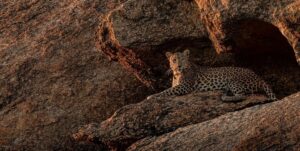
Leopards can be seen throughout the year, but sightings require patience and experienced guiding.
Early morning and late afternoon are particularly rewarding because leopards are often more active during cooler hours.
During these periods, you may spot one walking along a riverbank, resting on a tree branch or returning from a night hunt.
What Makes Leopard Sightings Special?
A leopard encounter is often one of the most exciting experiences on safari.
Unlike lions, which are sometimes easier to locate, leopards can remain hidden for long periods.
Some memorable experiences include:
- Spotting a leopard resting on a tree branch.
- Watching a leopard carry prey into a tree.
- Observing a mother leopard with her cub.
- Seeing a leopard moving silently through tall grass.
- Photographing its beautiful spotted coat in the morning light.
For wildlife photographers, leopard sightings offer excellent opportunities for capturing dramatic wildlife images.
Cheetahs in the Masai Mara: Where to Find the World’s Fastest Land Animal
The cheetah is another major attraction of the Masai Mara.
Known as the world’s fastest land animal, the cheetah can reach remarkable speeds over short distances when chasing prey.
Unlike lions and leopards, cheetahs depend heavily on speed and open terrain when hunting. Their slender bodies, long legs, flexible spines and distinctive black tear markings make them easy to identify.
The Masai Mara is one of the best places in Kenya to observe cheetahs in their natural habitat.
Where to Find Cheetahs in the Masai Mara
a) Open Plains of the Mara Triangle
The Mara Triangle is an excellent area to search for cheetahs.
Its expansive grasslands provide the open visibility and hunting grounds that cheetahs prefer.
Visitors may encounter cheetahs resting on small termite mounds, scanning the plains for prey or moving across the savannah.
b) Olare Motorogi Conservancy
Olare Motorogi Conservancy is part of the greater Masai Mara ecosystem and is well known for its rich wildlife.
Its open grasslands and diverse habitats provide suitable conditions for cheetahs and other predators.
The conservancy can offer rewarding predator-viewing experiences, subject to its access rules and accommodation arrangements.
c) Naboisho Conservancy
Naboisho Conservancy is another excellent wildlife destination bordering the main reserve.
Its open plains and abundant wildlife support several predators, including cheetahs.
Visitors staying in the conservancy may enjoy guided game drives that focus on locating predators and understanding their behavior.
d) Open Grasslands Around Talek
The wider Talek plains also offer opportunities to spot cheetahs.
Their relatively open terrain allows these predators to scan for Thomson’s gazelles, young wildebeest and other prey.
Best Time to See Cheetahs in the Masai Mara
Cheetahs can be seen throughout the year.
However, the dry season from June to October can offer excellent wildlife-viewing opportunities because shorter vegetation improves visibility in many areas.
Early morning game drives are particularly worthwhile because cheetahs may be active before temperatures become too high.
What to Expect During a Cheetah Safari
Visitors may encounter:
- A cheetah scanning the grasslands from a termite mound.
- A mother cheetah moving with her cubs.
- A male cheetah coalition patrolling its territory.
- A cheetah stalking gazelles.
- A spectacular high-speed chase.
Cheetah hunts are unpredictable, and successful hunts are never guaranteed. However, watching one prepare for a hunt is an unforgettable safari experience.
Best Areas to See All Three Big Cats in the Masai Mara
If your main safari objective is to see lions, leopards and cheetahs during one trip, choosing the right wildlife-viewing areas is important.
Although all three species inhabit the wider Mara ecosystem, they prefer different environments.
| Area | Big cats to look for | Habitat |
|---|---|---|
| Musiara Marsh | Lions, leopards | Marshes and woodland |
| Talek River | Lions, leopards, cheetahs | Riverine vegetation and plains |
| Mara Triangle | Lions, cheetahs, leopards | Open savannah and riverine habitats |
| Paradise Plains | Lions, cheetahs | Open grasslands |
| Sand River | Leopards, lions | Riverine woodland |
| Naboisho Conservancy | Lions, leopards, cheetahs | Grasslands and mixed woodland |
| Olare Motorogi Conservancy | Lions, cheetahs, leopards | Open plains and woodland |
These are wildlife-viewing areas rather than guaranteed sighting locations. Big cats move freely, and their presence changes according to prey availability, territory and environmental conditions.
Best Time of Year to See Big Cats in the Masai Mara
The Masai Mara offers excellent wildlife viewing throughout the year, but different seasons provide different experiences.
January to March: Green Season and New Life
The beginning of the year can be a rewarding period for big cat safaris.
The landscape is often greener following seasonal rains, and many herbivores are present across the ecosystem.
Visitors can search for lions, leopards and cheetahs while enjoying beautiful photographic scenery.
April to May: Long Rainy Season
April and May generally experience heavier rainfall.
Some roads become muddy, and game drives may require more careful planning.
However, the landscape becomes lush and beautiful, and fewer tourists visit compared with peak season.
June to October: Peak Wildlife Viewing Season
This is one of the most popular periods for visiting the Masai Mara.
The dry season often provides good visibility, while the Great Wildebeest Migration brings enormous herds of wildebeest and zebras into the ecosystem.
The abundance of prey creates exciting opportunities to observe predators.
Lions, cheetahs and leopards may be encountered during game drives.
July to September is particularly popular for travelers hoping to combine big cat sightings with the famous Mara River migration crossings.
November to December: Short Rains
The short rains usually arrive around November, although timing and intensity vary.
The plains begin to turn green again, creating beautiful scenery for wildlife photography.
This season can offer rewarding predator sightings with fewer visitors in some areas.
Big Cats and the Great Wildebeest Migration
The Great Wildebeest Migration is one of the world’s most extraordinary wildlife spectacles.
Every year, millions of wildebeest, accompanied by zebras and gazelles, move between Tanzania’s Serengeti ecosystem and Kenya’s Masai Mara in search of fresh grazing and water.
The migration creates an important food source for predators.
Lions often follow migrating herds, while cheetahs take advantage of vulnerable young animals and open hunting grounds.
Leopards may also benefit from the abundance of prey, although they usually hunt independently.
What Happens During the Migration?
Visitors may experience:
- Large herds of wildebeest crossing the plains.
- Lions stalking wildebeest and zebras.
- Cheetahs hunting in open grasslands.
- Leopards resting in trees near wildlife routes.
- Crocodiles waiting in rivers for crossing animals.
The famous Mara River crossings usually attract considerable attention, but they are unpredictable. The animals may cross at different locations and times, and no particular crossing can be guaranteed.
Tips for Photographing Big Cats in the Masai Mara
The Masai Mara is a paradise for wildlife photographers.
Whether you are using a professional camera or a smartphone, the right preparation can help you capture memorable images.
Here are some useful photography tips:
Carry a camera with a good zoom lens
A telephoto lens helps capture detailed images without disturbing wildlife.
Go on early morning game drives
Early mornings offer beautiful natural light and opportunities to observe predators when they are active.
Be patient
Big cats do not always move or hunt when visitors arrive. Sometimes the best photographs come after waiting quietly.
Listen to your safari guide
Experienced guides understand animal behavior and know how to position safari vehicles responsibly.
Avoid sudden movements and loud noises
Remain calm inside the safari vehicle to avoid disturbing wildlife.
Respect wildlife viewing distances
Never pressure your guide to approach an animal too closely. Responsible viewing protects both visitors and wildlife.
Big Cat Safari: How Many Days Do You Need in the Masai Mara?
If your main objective is to see lions, leopards and cheetahs, spending enough time in the reserve increases your opportunities.
Here are some suggested safari durations:
2-Day Masai Mara Safari
A two-day safari is suitable for travelers with limited time.
It allows you to enjoy several game drives and explore selected wildlife-viewing areas.
However, sightings of all three big cats cannot be guaranteed.
3-Day Masai Mara Safari
A three-day safari offers a more rewarding experience.
You have more time to explore different habitats, search for predators and enjoy the savannah landscape.
This is a good option for first-time visitors.
4 to 5-Day Masai Mara Safari
For travelers particularly interested in big cats and wildlife photography, four to five days is an excellent choice.
You can explore different sections of the reserve, spend more time at sightings and consider visiting private conservancies.
6 to 7-Day Masai Mara Safari
A longer safari is ideal for travelers who want an immersive wildlife experience.
You can combine the Masai Mara with other Kenyan destinations such as Lake Nakuru, Amboseli National Park or Lake Naivasha.
Where to Stay for the Best Big Cat Safari Experience
Your accommodation location can influence how much time you spend exploring different wildlife habitats.
The Masai Mara offers accommodation ranging from budget camps to luxury tented lodges.
Budget Accommodation
Budget camps provide affordable accommodation for travelers who want to experience the Masai Mara without spending heavily on luxury facilities.
They are suitable for backpackers, budget-conscious couples and small groups.
Midrange Tented Camps
Midrange camps offer a balance between comfort, location and affordability.
Many feature private bathrooms, comfortable beds, restaurants and organized game drives.
Luxury Safari Lodges and Camps
Luxury camps offer premium safari experiences with spacious tents, excellent dining, personalized services and beautiful wilderness settings.
Some are located within private conservancies, where guests may have access to additional activities subject to conservancy regulations.
Important: When choosing accommodation, consider its exact location, vehicle access, park or conservancy fees, and whether game drives are included in the package.
Responsible Big Cat Tourism in the Masai Mara
Big cat tourism plays an important role in supporting wildlife conservation and local communities.
However, responsible tourism is essential to protect these magnificent predators.
As a responsible safari traveler:
- Never ask your guide to drive off-road where prohibited.
- Avoid surrounding or blocking animals with safari vehicles.
- Keep a respectful distance from predators.
- Never feed wild animals.
- Avoid shouting or making unnecessary noise.
- Follow the instructions of your professional safari guide.
- Support accommodation providers and conservancies that contribute to wildlife conservation and community development.
Responsible wildlife viewing helps ensure that future generations can continue enjoying the extraordinary wildlife of the Masai Mara.
Why Book Your Masai Mara Big Cat Safari With an Experienced Tour Operator?
Planning a successful big cat safari requires more than simply visiting the Masai Mara.
You need a well-planned itinerary, knowledgeable safari guides, reliable transportation and accommodation in suitable wildlife-viewing areas.
An experienced tour operator can help you:
- Select accommodation based on your safari budget.
- Plan game drives in productive wildlife habitats.
- Choose the best travel season.
- Arrange airport transfers and ground transportation.
- Combine the Masai Mara with other Kenyan national parks.
- Organize private or group safari experiences.
At Fuga Tours and Travel, we believe every African safari should be memorable, comfortable and carefully planned.
We can help you organize a Masai Mara wildlife adventure focusing on lions, leopards, cheetahs and other remarkable African animals.
Whether you are planning a short wildlife escape, a family holiday, a honeymoon or an extended Kenya safari, the Masai Mara offers extraordinary opportunities to experience Africa’s wilderness.
Frequently Asked Questions About Big Cats in the Masai Mara
Can you see all three big cats in the Masai Mara?
Yes. The Masai Mara is home to lions, leopards and cheetahs. Visitors have opportunities to encounter all three during a safari, although sightings are never guaranteed.
Where are lions commonly found in the Masai Mara?
Lions are found throughout the reserve and surrounding conservancies. Musiara Marsh, Talek River, Paradise Plains and the Mara Triangle are among the areas worth exploring.
Where can I see leopards in the Masai Mara?
Look around riverine forests, particularly along the Mara and Talek rivers. Leopards often rest in trees and use thick vegetation for cover.
Where are cheetahs commonly spotted?
Cheetahs prefer open grasslands. The Mara Triangle, Talek plains and surrounding conservancies such as Naboisho and Olare Motorogi are promising areas.
What is the best month to see big cats in the Masai Mara?
July, August and September are popular months because of the dry-season conditions and Great Wildebeest Migration. However, big cats are resident throughout the year.
Are leopards harder to see than lions?
Generally, yes. Leopards are solitary and well camouflaged, often resting in thick vegetation or trees. Lions are usually easier to locate because they live in social prides.
Can I see cheetahs hunting in the Masai Mara?
Yes, it is possible. Cheetahs hunt during daylight hours, particularly in the cooler morning and late afternoon periods. However, a hunt is never guaranteed.
Is the Masai Mara better than Amboseli for big cat sightings?
The Masai Mara is particularly famous for its diversity of predators and opportunities to see all three major African big cats. Amboseli is better known for its large elephant herds and spectacular views of Mount Kilimanjaro, although it also supports predators.
How many days should I spend looking for big cats?
Three days is a good starting point, while four to five days provides more flexibility to explore different habitats and improve your chances of sightings.
Can I combine a Masai Mara big cat safari with Uganda gorilla trekking?
Absolutely. Travelers can combine a Kenya wildlife safari with gorilla trekking in Uganda or Rwanda. This creates an exciting East African adventure featuring savannah wildlife and endangered mountain gorillas.
Therefore: Experience the Big Cats of the Masai Mara
The Masai Mara remains one of Africa’s most remarkable destinations for big cat safaris.
From powerful lions roaming the open grasslands to elusive leopards hiding in riverine forests and fast-moving cheetahs hunting across the plains, the reserve offers extraordinary opportunities to experience Africa’s most iconic predators.
Whether you visit during the Great Wildebeest Migration or choose a quieter green-season safari, the Masai Mara promises beautiful landscapes, diverse wildlife and unforgettable encounters.
The secret to a successful big cat safari is choosing the right season, spending enough time in the reserve and traveling with knowledgeable safari guides.
Ready to discover the big cats of the Masai Mara?
Contact Fuga Tours and Travel to plan your Kenya safari and experience the magnificent lions, leopards and cheetahs of the African wilderness.
Let us help you turn your dream African safari into an unforgettable adventure.