
Top Tips for the Best Uganda Safari Experience: Uganda, famously known as the “Pearl of Africa,” is one of the most rewarding safari destinations in Africa. From tracking endangered mountain gorillas in the misty forests of Bwindi to witnessing lions climbing trees in Queen Elizabeth National Park, Uganda offers wildlife encounters that rival any destination on the continent.
Whether you are planning your first African safari or returning for another adventure, understanding how to maximize your experience can make the difference between a good trip and a truly unforgettable journey.
This guide highlights the Top Tips for the Best Uganda Safari Experience, helping travelers plan smarter, save money, and enjoy every moment of their Uganda safari holiday.
Why Choose Uganda for a Safari?
Before diving into the tips, it’s important to understand why Uganda has become one of Africa’s most sought-after safari destinations.
With over ten national parks and numerous wildlife reserves, Uganda provides an authentic safari experience without the overcrowding found in some famous safari destinations. Uganda offers the following in safari destinations.
Mountain gorilla trekking
Chimpanzee tracking
The Big Five wildlife viewing
Scenic landscapes
Bird watching opportunities
Cultural encounters
Adventure tourism activities
Affordable safari options compared to neighboring countries
Top Tips for the Best Uganda Safari Experience
- Choose the Right Time to Visit Uganda for your best Uganda safari experience
Uganda is a year-round safari destination thanks to its pleasant tropical climate, diverse wildlife, and stunning landscapes. However, choosing the right time to visit can greatly enhance your safari experience, whether you’re interested in gorilla trekking, wildlife viewing, birdwatching, or adventure activities
Uganda’s Seasons at a Glance
Uganda experiences two main seasons:
Dry Seasons
- December to February
- June to September
These are generally considered the best months for most safari activities.
Wet Seasons
- March to May
- October to November
These periods bring more rainfall but also offer unique advantages for certain travelers.
For the ultimate Uganda safari experience, June to September is widely regarded as the best period. During these months, visitors enjoy excellent wildlife viewing, ideal gorilla trekking conditions, comfortable weather, and easy access to Uganda’s national parks.
If you’re looking for lower prices, fewer crowds, and lush scenery, consider visiting during the green season from March to May or October to November.
Whether you dream of tracking mountain gorillas in Bwindi, spotting tree-climbing lions in Queen Elizabeth National Park, searching for the elusive shoebill stork, or exploring the remote wilderness of Kidepo Valley, Uganda offers unforgettable safari experiences throughout the year.
2. Book Gorilla Trekking Permits Early
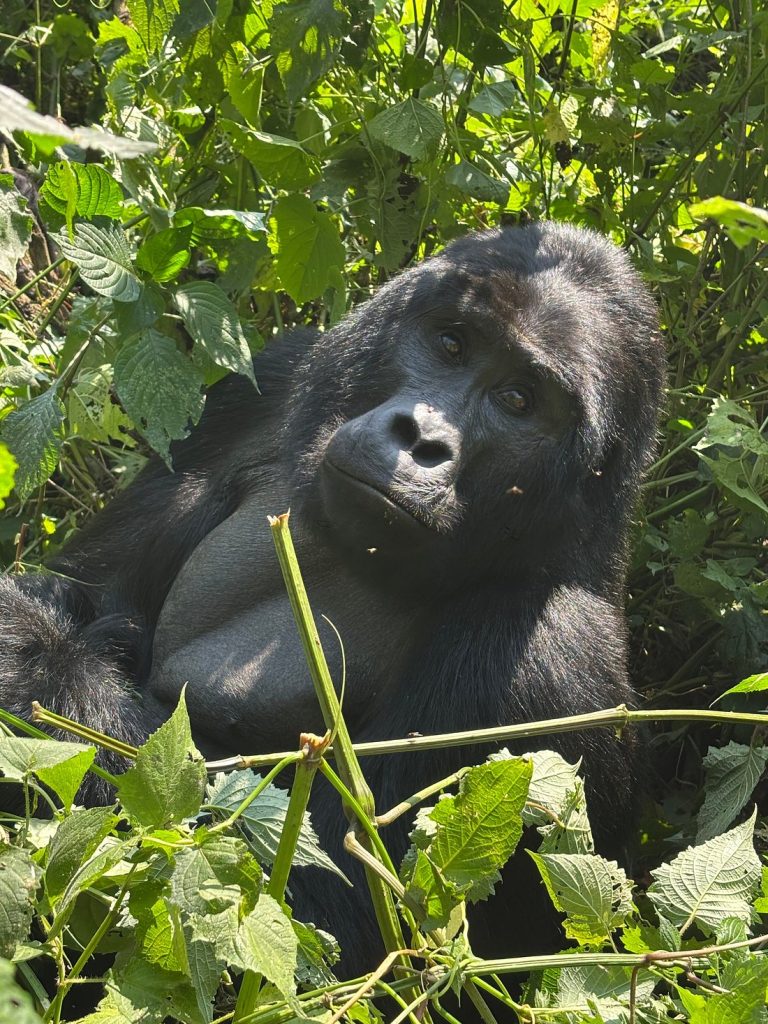
No Uganda safari experience is complete without gorilla trekking.
Uganda hosts nearly half of the world’s remaining mountain gorillas in:
- Bwindi Impenetrable National Park
- Mgahinga Gorilla National Park
Why Early Booking Matters
Gorilla permits are limited and highly sought after.
Booking 3–6 months in advance helps secure your preferred trekking date.
Gorilla Trekking Highlights
- Close encounters with mountain gorillas
- Expert ranger guides
- Incredible photography opportunities
- Conservation support
3. Select the Best Uganda Safari Itinerary in your Uganda safari experience
Uganda offers diverse safari experiences , A A well-planned itinerary should combine designed by Figa Tours and travel, should combine the following
Gorilla Trekking
Bwindi Impenetrable Forest
Wildlife Viewing
Queen Elizabeth National Park
Chimpanzee Tracking
Kibale Forest National Park
Boat Safaris
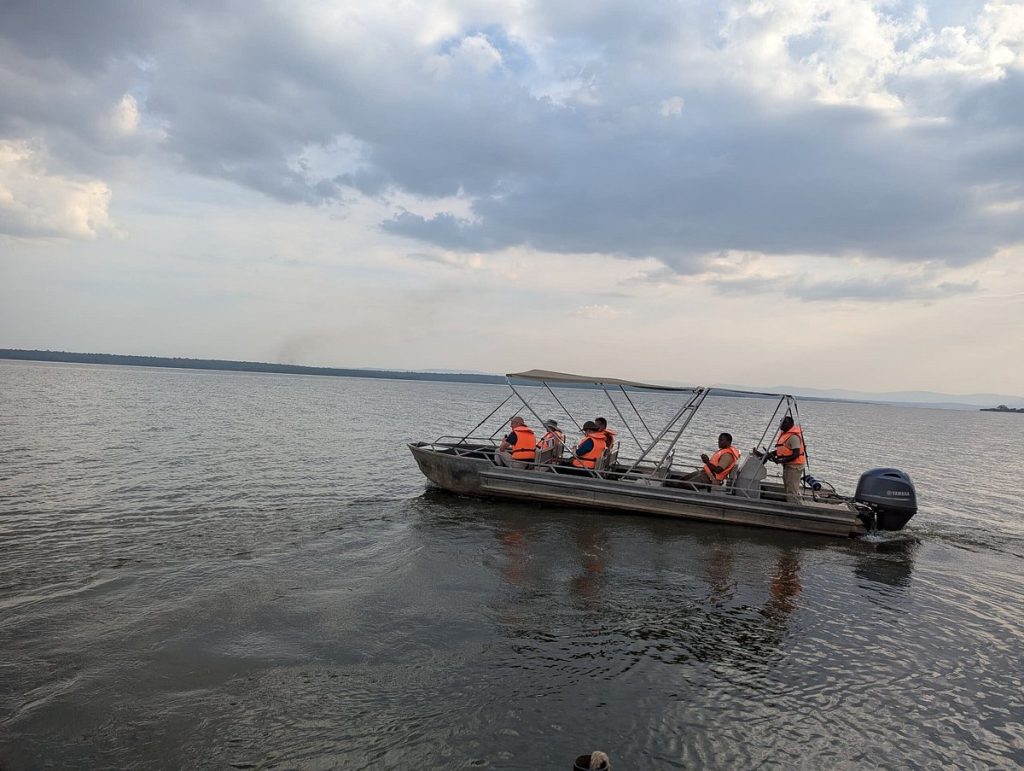
Murchison Falls National Park
Scenic Landscapes
Lake Bunyonyi
3. Pack Smart for Uganda’s Diverse Climate in your Uganda safari experience
Uganda’s weather is not predictable; it keeps changing in this case, packing correctly enhances comfort throughout your safari.
Essential Safari Packing List
Clothing
- Lightweight shirts
- Quick-dry trousers
- Waterproof jacket
- Warm fleece
- Long-sleeved tops
Footwear
- Hiking boots
- Comfortable walking shoes
Accessories
- Hat
- Sunglasses
- Binoculars
- Camera
- Power bank
Health Essentials
- Insect repellent
- Sunscreen
- Personal medications
For gorilla trekking, sturdy hiking boots are absolutely essential.
4. Choose Experienced Safari Operators during Uganda safari experience
One of the most important decisions is selecting the right safari company; a tour company like Fuga Tours and Travel can never disappoint.
Fuga Tours and Travel is a Ugandan-based tour company dedicated to offering authentic safari experiences through Uganda and Rwanda. We specialize in gorilla trekking, wildlife safaris, cultural tours, birding adventures, and tailor-made travel experiences designed to showcase the true beauty of East Africa.
We offer professional services like
Experienced guides
Reliable vehicles
Quality accommodations
Safety standards Local expertise
What to Look For
Positive Reviews
Check independent traveler reviews.
Licensing
Ensure the operator is licensed.
Conservation Commitment
Choose companies supporting local communities and wildlife conservation.
Flexible Packages
Look for customized safari experiences.
5. Respect Wildlife and Safari Etiquette: A Guide to Responsible Safari Travel in Uganda
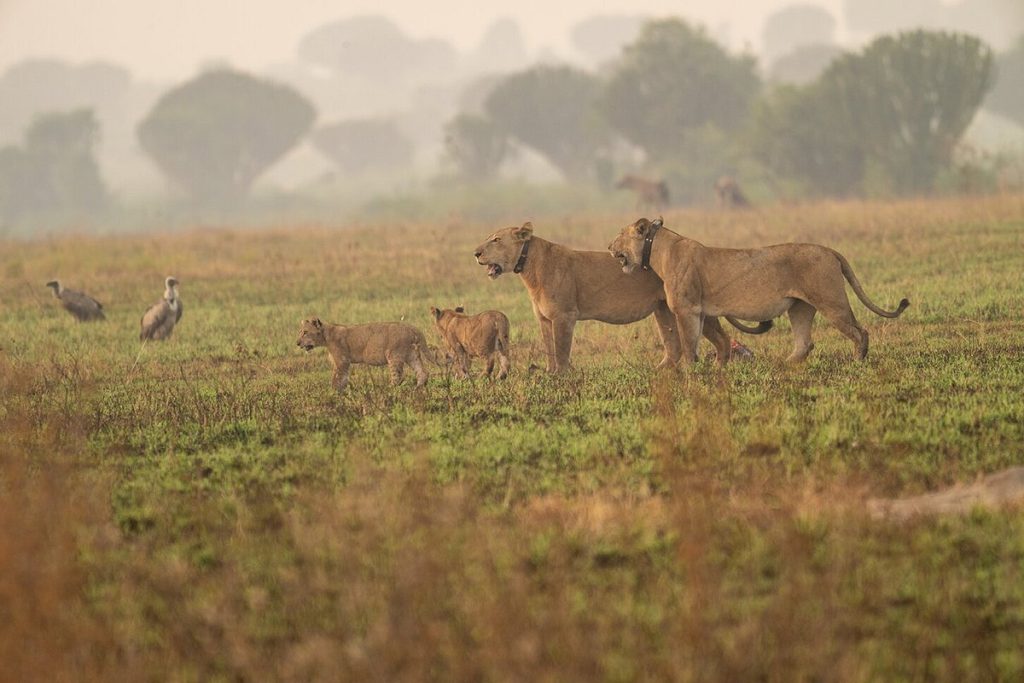
One of the most important aspects of enjoying a memorable Uganda safari is respecting wildlife and following proper safari etiquette. Whether you are tracking mountain gorillas in Bwindi Impenetrable National Park, observing elephants in Murchison Falls National Park, or enjoying a game drive in Queen Elizabeth National Park, responsible behavior helps protect wildlife, ensures visitor safety, and supports conservation efforts.
Uganda’s national parks are home to some of Africa’s most iconic animals, including mountain gorillas, lions, elephants, buffaloes, leopards, chimpanzees, and hundreds of bird species. These animals thrive when visitors observe them responsibly and minimize human impact on their natural habitats.
Why Safari Etiquette Matters
Wildlife tourism plays a significant role in Uganda’s conservation success. Revenue generated from gorilla trekking permits, park entrance fees, and Uganda safari tours helps fund wildlife protection, anti-poaching programs, habitat restoration, and community development projects.
By following safari rules and respecting wildlife, travelers contribute directly to preserving Uganda’s unique ecosystems for future generations.
Maintain a Safe Distance from Wildlife
One of the golden rules of any Uganda wildlife safari is maintaining a safe distance from animals.
Getting too close can:
- Stress animals
- Alter their natural behavior
- Increase the risk of attacks
- Spread diseases between humans and wildlife
During gorilla trekking in Uganda, visitors are advised to keep a minimum distance of 7 meters from mountain gorillas whenever possible. This helps reduce the risk of transmitting human illnesses to these endangered primates.
Keep Noise Levels Low
Wild animals are highly sensitive to sound. Loud conversations, shouting, music, or sudden noises can disturb animals and ruin wildlife viewing opportunities.
Never Feed Wild Animals
Feeding wildlife may seem harmless, but it can create serious problems.
Human food can:
- Cause health issues for animals
- Encourage dependence on humans
- Increase aggressive behavior
- Disrupt natural feeding habits
Animals that become accustomed to receiving food from tourists may lose their natural survival instincts, creating long-term conservation challenges.
Follow Your Safari Guide’s Instructions
Professional safari guides are trained to understand wildlife behavior, park regulations, and visitor safety procedures.
During your Uganda safari adventure:
- Stay inside the vehicle unless instructed otherwise
- Follow designated trails
- Respect safety briefings
- Ask questions when unsure
Guides play a vital role in ensuring both visitors and wildlife remain safe throughout the safari experience.
Respect Gorilla Trekking Regulations
Gorilla trekking is one of Uganda’s most sought-after wildlife experiences. Because mountain gorillas are endangered and highly susceptible to human diseases, strict rules are enforced.
Key gorilla trekking etiquette includes:
- Avoid trekking if you are sick
- Maintain the recommended distance
- Do not touch gorillas
- Avoid direct eye contact with silverbacks for extended periods
- Follow ranger instructions at all times
- Limit flash photography
These guidelines help protect gorilla families while providing visitors with an extraordinary wildlife encounter.
Stay on Designated Roads and Trails
Driving off-road or leaving marked trails can damage fragile ecosystems and disturb wildlife habitats.
Responsible safari travelers should:
- Remain on approved routes
- Avoid trampling vegetation
- Respect park boundaries
- Follow established trekking paths
Protecting habitats is essential for maintaining healthy wildlife populations across Uganda’s national parks.
Practice Responsible Wildlife Photography
Uganda offers some of Africa’s best wildlife photography opportunities. However, photographers should prioritize animal welfare over getting the perfect shot.
Responsible photography practices include:
- Avoid flash photography around wildlife
- Maintain a respectful distance
- Never bait animals for photos
- Be patient and allow natural moments to unfold
Ethical photography helps preserve authentic wildlife experiences while minimizing stress on animals.
Leave No Trace
A key principle of sustainable tourism is leaving nature exactly as you found it.
Visitors should:
- Dispose of waste properly
- Carry reusable water bottles
- Avoid littering
- Minimize plastic use
- Respect natural surroundings
Keeping Uganda’s parks clean helps preserve their beauty and ecological integrity.
Respect Local Communities and Cultures
Many Uganda safari destinations are located near local communities whose livelihoods are closely connected to tourism and conservation.
Visitors should:
- Ask permission before photographing people
- Support local businesses
- Purchase authentic crafts
- Respect cultural customs and traditions
Community-based tourism helps ensure that local residents benefit from wildlife conservation and tourism activities.
Support Sustainable Tourism
Choosing responsible safari operators is another important part of safari etiquette.
Look for operators that:
- Follow conservation guidelines
- Employ local guides
- Support community projects
- Promote eco-friendly practices
- Contribute to wildlife conservation initiatives
Booking with sustainable Uganda safari companies helps protect the country’s wildlife and natural resources.
Respecting wildlife and following safari etiquette are essential components of an unforgettable Uganda safari experience. Every responsible action—from maintaining a safe distance from animals to supporting local conservation efforts—helps protect Uganda’s remarkable biodiversity and ensures future generations can continue to enjoy its natural wonders.
Whether you are embarking on a luxury Uganda safari, a gorilla trekking adventure in Bwindi, or a wildlife safari in Murchison Falls National Park, practicing responsible tourism will enrich your experience while contributing to the long-term conservation of Uganda’s incredible wildlife heritage. By respecting nature, following your guide’s advice, and embracing sustainable travel practices, you become an active partner in preserving the Pearl of Africa’s extraordinary ecosystems.
6. Capture Amazing Safari Memories: How to Photograph and Preserve Your Uganda Safari Experience
A Uganda safari is more than just a vacation—it’s a collection of extraordinary moments that deserve to be remembered for a lifetime. From coming face-to-face with mountain gorillas in Bwindi Impenetrable National Park to watching elephants gather along the Nile in Murchison Falls National Park, every experience offers an opportunity to create lasting memories.
Capturing amazing safari memories goes beyond taking photos. It involves documenting wildlife encounters, connecting with local cultures, preserving personal experiences, and creating stories that can be shared with friends, family, and future generations. Whether you’re a professional photographer or simply traveling with a smartphone, these tips will help you make the most of your Uganda safari adventure.
Why Capturing Safari Memories Matters during Uganda safari experience
A Uganda wildlife safari offers countless unforgettable experiences:
- Gorilla trekking in Bwindi Impenetrable National Park
- Chimpanzee tracking in Kibale Forest National Park
- Big Five game viewing in Uganda’s national parks
- Boat safaris along the Kazinga Channel and River Nile
- Cultural encounters with local communities
- Spectacular African landscapes and sunsets
Photographs and videos allow you to relive these moments long after your safari ends and inspire others to explore Uganda’s incredible natural wonders.
Invest in the Right Photography Equipment
You don’t need expensive professional gear to capture stunning safari memories, but having the right equipment can significantly improve your results.
Recommended Safari Photography Gear
Camera Options
- DSLR cameras
- Mirrorless cameras
- Advanced compact cameras
- High-quality smartphones
Essential Lenses
- Telephoto lens (200mm–600mm) for wildlife
- Wide-angle lens for landscapes
- Standard zoom lens for versatility
Useful Accessories
- Extra memory cards
- Spare batteries
- Lens cleaning kit
- Camera backpack
- Rain covers for equipment
Many Uganda safari tours involve long days in remote areas, making backup batteries and storage essential.
Focus on Wildlife Behavior, Not Just Animal Portraits in Uganda safari experience
Many travelers concentrate solely on close-up shots of animals. However, some of the most compelling safari photographs tell a story.
Capture Natural Behaviors
Look for:
- Gorillas interacting with family members
- Lions hunting or resting
- Elephants bathing
- Chimpanzees feeding
- Birds in flight
Behavioral photography creates more engaging and memorable images than simple portraits.
Create Video Memories
Videos bring safari experiences to life in a way photographs cannot.
Great Safari Video Subjects
- Gorilla family interactions
- Elephant herds crossing roads
- Boat safari excursions
- Traditional cultural performances
- Waterfalls and scenic landscapes
Short video clips can later be combined into a memorable safari travel film.
Best Photography Locations in Uganda
Bwindi Impenetrable National Park
Perfect for:
- Gorilla photography
- Rainforest scenery
- Nature photography
Queen Elizabeth National Park
Ideal for:
- Tree-climbing lions
- Savannah landscapes
- Bird photography
Murchison Falls National Park
Excellent for:
- Wildlife safaris
- Waterfall photography
- Nile River scenes
Kibale Forest National Park
Known for:
- Chimpanzee photography
- Forest wildlife
- Birdwatching images
Lake Mburo National Park
Offers:
- Zebra photography
- Scenic landscapes
- Walking safaris
Common Photography Mistakes to Avoid during Uganda safari experience
Taking Only Animal Close-Ups
Include landscapes and cultural experiences.
Ignoring Lighting Conditions
Shoot during morning and evening golden hours whenever possible.
Forgetting Extra Batteries
Safari destinations often have limited charging opportunities.
Using Flash Around Wildlife
Flash can disturb animals and spoil natural moments.
Spending Too Much Time Behind the Camera
Remember to enjoy the experience firsthand.
Some of your best memories may never be photographed.
Capturing amazing safari memories is about much more than filling a camera’s memory card. It’s about preserving the excitement of spotting a leopard on a game drive, the awe of meeting a mountain gorilla face-to-face, the beauty of Uganda’s breathtaking landscapes, and the warmth of its people and cultures.
Whether you’re booking a luxury Uganda safari, a gorilla trekking adventure, or a comprehensive Uganda wildlife safari package, taking the time to document your experiences thoughtfully will allow you to relive your journey for years to come. By combining photography, journaling, video recording, and mindful observation, you’ll return home with a collection of memories that truly capture the magic of the Pearl of Africa.
7. . Engage with Local Communities
Some of the most memorable safari moments happen outside national parks.
Uganda offers rich cultural experiences.
Cultural Activities
Batwa Cultural Experiences
Learn about forest-dwelling indigenous communities.
Coffee Tours
Explore Uganda’s famous coffee-growing regions
Traditional Dance Performances
Experience authentic Ugandan culture.
Community Walks
Support local livelihoods directly.
Cultural tourism enriches your safari and supports sustainable development.
8. Prepare for Gorilla Trekking Fitness Requirements
Gorilla trekking is exciting but physically demanding.
Treks may last:
- 1 hour
- 3 hours
- Up to 8 hours
depending on gorilla family locations.
Fitness Preparation Tips
Walking Practice
Take regular hikes before travel.
Build Endurance
Cardio exercises help significantly.
Stretch Frequently
Improve mobility and comfort.
Stay Hydrated
Carry sufficient water.
Even moderate fitness levels are usually sufficient for trekking.