
Bird Watching in Murchison Falls National Park: A Complete Birding Safari Guide, Murchison Falls National Park is one of Uganda’s most rewarding destinations for bird watching, combining spectacular landscapes, abundant wildlife, the mighty Nile River, and a remarkable variety of bird species. For travelers planning a Uganda birding safari, Murchison Falls offers the opportunity to explore forests, savannah, wetlands, riverbanks, and woodland habitats within one protected area.
Whether you are a passionate birder searching for the Shoebill, an experienced photographer looking for colorful African birds, or a first-time visitor interested in Uganda’s wildlife, a bird watching safari in Murchison Falls can be an unforgettable experience.
Why Choose Murchison Falls for Bird Watching?
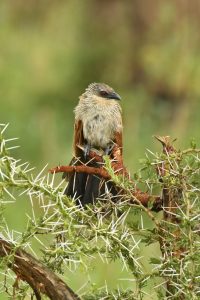
Murchison Falls National Park is Uganda’s largest national park and contains a mixture of habitats that support numerous bird species. The park stretches around the Victoria Nile and includes open savannah, riverine vegetation, woodland, forests, wetlands, and the Albert Nile area.
This habitat diversity is one of the main reasons birders choose Murchison Falls for their Uganda bird watching safari.
During a typical birding trip, you can combine:
Game drives, Boat safaris on the Victoria Nile, Nature walks, Riverbank birding, Forest birding, Wetland exploration, Photography, Wildlife viewing
The combination of birds and large mammals makes Murchison Falls particularly attractive for travelers who want a birding and wildlife safari in Uganda.
Birds to Look For in Murchison Falls National Park
Murchison Falls is home to a wide variety of resident and migratory birds. Some species are relatively easy to spot, while others require patience and an experienced birding guide.
Shoebill
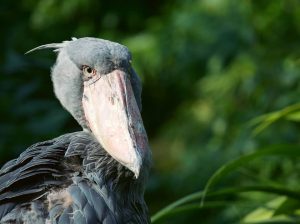
The Shoebill is one of the most sought-after birds in Uganda. Its enormous bill, prehistoric appearance, and impressive size make it a dream sighting for many birdwatchers.
The wetlands around the broader Murchison Falls landscape can provide opportunities to search for this extraordinary species, although sightings are never guaranteed.
Travelers whose main goal is to see a Shoebill may also consider adding a dedicated wetland birding experience elsewhere in Uganda to their itinerary.
African Fish Eagle
The African Fish Eagle is among the most recognizable birds along the Nile. Its distinctive call can often be heard before the bird is seen.
Look for fish eagles perched on tall trees overlooking the river or other water bodies. Their proximity to the Nile also makes them excellent subjects for wildlife photography.
Abyssinian Ground Hornbill
The Abyssinian Ground Hornbill is a striking large bird associated with open grasslands and savannah environments.
Because Murchison Falls contains extensive savannah habitat, birders may encounter these impressive ground-dwelling birds during game drives.
Grey Crowned Crane
The Grey Crowned Crane is Uganda’s national bird and one of the country’s most beautiful species.
Its golden crown, white and grey plumage, and red throat pouch make it particularly attractive to photographers. Keep an eye out for cranes in grasslands and wet areas.
Northern Carmine Bee-eater
The Northern Carmine Bee-eater is another spectacular bird to watch for, particularly because of its vivid coloration.
Bee-eaters are often associated with riverine environments and open habitats. Watching them catch insects in flight can be one of the highlights of a birding safari.
Senegal Thick-knee
The Senegal Thick-knee is a fascinating ground bird that can sometimes be encountered in open areas. Its long legs and large eyes give it a distinctive appearance.
Early morning and late afternoon game drives can provide good opportunities to search for ground-dwelling species.
Piapiac
Piapiacs are commonly associated with open landscapes and areas around water. They are members of the crow family and are easily recognized by their dark plumage and long tails.
African Jacana
Wetlands and areas with aquatic vegetation provide habitat for the African Jacana.
Its unusually long toes allow it to walk across floating vegetation, making it a fascinating species to observe.
Red-throated Bee-eater
Colorful bee-eaters are among the birds that add spectacular flashes of color to Murchison Falls’ landscapes. Patient birders can watch these birds catching insects from perches.
Various Weavers and Sunbirds
Murchison Falls also offers opportunities to see numerous smaller birds, including weavers and sunbirds.
These species can be especially rewarding for photographers because of their vibrant colors and interesting feeding behavior.
Best Places for Bird Watching in Murchison Falls
One of the advantages of Murchison Falls is that birding can be incorporated into different parts of your safari.
1. Victoria Nile
The Victoria Nile is one of the best areas for combining bird watching with wildlife viewing.
A Murchison Falls boat safari allows you to explore the river while watching birds along the banks and surrounding vegetation.
You may encounter:
African fish eagles, Kingfishers, Herons, Egrets, Cormorants, Bee-eaters, African jacanas,Other water-associated species
The boat ride also provides opportunities to see hippos, crocodiles, elephants, and other wildlife.
2. Savannah Grasslands
The open savannah is excellent for spotting large and medium-sized birds.
Game drives provide opportunities to search for ground hornbills, cranes, rollers, bee-eaters, eagles, vultures, and other savannah species.
The advantage of combining birding with a game drive is that you can also encounter lions, giraffes, elephants, buffaloes, antelopes, and other wildlife.
3, Budongo Forest
For travelers interested in forest birds, Budongo Forest can be incorporated into a broader Murchison Falls itinerary.
The forest environment differs considerably from the open savannah, creating opportunities to search for forest-associated species.
A knowledgeable birding guide can make a significant difference because many forest birds are easier to identify by their calls before they are visible.
4, Wetlands and Riverine Areas
Wetlands are particularly important for bird diversity. Their combination of water, vegetation, mudflats, and surrounding grassland attracts many different species.
These areas are worth exploring slowly rather than rushing through them.
Best Time for Bird Watching in Murchison Falls
Murchison Falls can be visited for bird watching throughout the year.
However, different periods offer different advantages.
December to February
This period generally provides favorable conditions for wildlife and birding activities, with many relatively dry days.
March to May
The rainy season brings fresh vegetation and can be rewarding for bird photography. However, some roads can become challenging after heavy rainfall.
June to September
These months are generally popular for wildlife safaris because of favorable road conditions and wildlife viewing opportunities. Birding can also be excellent.
October to November
The landscape becomes greener during the rains, and birdwatchers can enjoy good birding opportunities.
For travelers particularly interested in migratory birds, the period roughly from November through April can be especially interesting because Palearctic migrants are present in Uganda.
Bird Watching and Wildlife Safari: The Perfect Combination
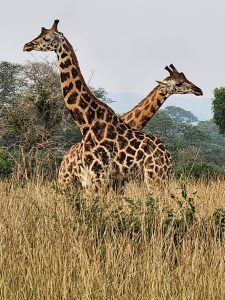
One of the biggest advantages of choosing Murchison Falls is that you do not have to choose between bird watching and traditional wildlife viewing.
A single safari can include birding and searches for:
African elephants, Rothschild’s giraffes, Lions, Leopards, Buffaloes, Hartebeests, Uganda kob, Hippos, Nile crocodiles, Warthogs, Numerous antelope species
This makes Murchison Falls an excellent destination for couples, families, photographers, wildlife enthusiasts, and dedicated birders.
Bird Photography in Murchison Falls
Murchison Falls provides excellent opportunities for bird photography because of its diverse habitats and abundant wildlife.
For better photographs:
Carry a telephoto lens: Many birds will remain at a distance.
Use early mornings: Birds are generally active during the cooler hours of the day.
Be patient: Avoid rushing between sightings. Some of the best photographs come after waiting quietly.
Use a good pair of binoculars: Binoculars help locate birds before attempting photography.
Bring extra batteries and memory cards: Bird photography can quickly consume both.
Work with an experienced guide: Local guides can help identify calls, locate habitats, and position you appropriately.
Birding Safaris in Murchison Falls for Beginners
You do not need to be an expert birder to enjoy Murchison Falls.
Beginners can start with common and visually distinctive species before progressing to more difficult birds.
A good guide can teach you:
How to use binoculars, How to identify birds by appearance, How to recognize bird calls, Where different species live, How to photograph birds, How to record sightings
A beginner-friendly itinerary can combine birding with game drives and a Nile boat cruise, ensuring that the safari remains enjoyable even when a particular bird is difficult to find.
How Many Days Do You Need?
For a dedicated Murchison Falls birding safari, I recommend spending at least 3 to 4 days in the region.
A sample itinerary could look like this:
Day 1: Kampala/Entebbe to Murchison Falls
Travel toward Murchison Falls National Park, with birding opportunities along the way. Depending on your arrival time, enjoy an evening birding session.
Day 2: Morning Game Drive and Afternoon Boat Safari
Start with an early morning game drive. In the afternoon, take a boat cruise along the Victoria Nile while searching for water-associated birds and wildlife.
Day 3: Dedicated Birding
Spend the morning exploring bird-rich habitats with a professional guide. Depending on your interests, you can focus on savannah, riverine, woodland, or forest species.
Day 4: Birding and Return Journey
Enjoy an early birding session before beginning your journey back to Kampala or continuing to another Ugandan destination.
For serious birders, a longer itinerary allows more time to explore different habitats without rushing.
What to Pack for a Murchison Falls Birding Safari
A successful birding trip begins with the right equipment.
Consider packing:
Binoculars, Camera and telephoto lens, Bird identification guide, Notebook or birding app, Lightweight clothing Comfortable walking shoes, Wide-brimmed hat, Sunglasses, Sunscreen, Insect repellent, Rain jacket, Reusable water bottle, Extra camera batteries, Power bank
Neutral-colored clothing can also be useful when spending time observing wildlife and birds.
Why Book a Murchison Falls Bird Watching Safari?
Booking a professionally organized birding safari gives you access to experienced guides who understand the park’s habitats and bird behavior.
A local tour operator can also combine your birding experience with accommodation, transportation, game drives, boat cruises, park activities, and other Ugandan destinations.
For travelers looking for a Uganda birding safari package, Murchison Falls can also be combined with destinations such as Budongo Forest, Kibale National Park, Queen Elizabeth National Park, Bwindi Impenetrable National Park, or Mabamba Swamp.
This makes it possible to create a longer Uganda birding itinerary targeting a wider range of species.