
Is Uganda Safe for Tourists in 2026–2027? A Complete Travel Safety Guide, Planning a trip to Uganda in 2026 or 2027 and wondering, “Is Uganda safe for tourists?” This is one of the most important questions to ask before booking a safari, gorilla trekking adventure, chimpanzee safari, wildlife tour, or cultural holiday.
Uganda, famously known as the Pearl of Africa, is a diverse destination offering mountain gorilla trekking, chimpanzee tracking, Big Five wildlife safaris, bird watching, hiking, cultural experiences, and beautiful lakes and rivers. Tourism activities continue across the country’s major destinations, but like any international destination, Uganda has areas where travelers should take additional precautions.
The most important point is that safety conditions can vary by location and can change over time. Official travel advisories should therefore be checked shortly before departure and throughout your trip.
Uganda Tourism Board stated in 2026 that tourism activities were continuing normally across national parks, wildlife reserves, cultural attractions, cities, and hospitality establishments. At the same time, foreign governments continue to identify specific risks involving crime, terrorism, demonstrations, certain border areas, and transportation.
For travelers planning a safari with Fuga Tours and Travel, understanding these risks and following practical safety measures can help you enjoy Uganda’s wildlife, landscapes, people, and cultural attractions responsibly.
Is Uganda Safe for Tourists in 2026–2027?
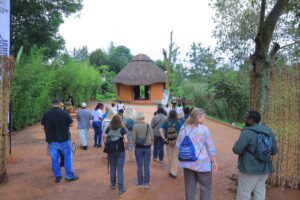
Uganda remains open to tourism, and visitors continue to travel throughout the country for safaris, gorilla trekking, chimpanzee trekking, bird watching, hiking, and cultural experiences.
However, it would be inaccurate to describe Uganda as completely risk-free.
The U.S. Department of State’s current advisory, issued in June 2026, identifies concerns related to crime, terrorism, health, and unrest. The UK Foreign, Commonwealth & Development Office (FCDO) also provides region-specific warnings, particularly concerning some areas close to the Democratic Republic of Congo (DRC), South Sudan, and parts of northeastern Uganda.
Travelers should therefore think of Uganda’s safety situation in terms of where you are traveling, how you travel, the activities you undertake, and whether you use reputable tourism providers.
For most conventional safari itineraries, the best approach is to plan carefully, follow local guidance, remain aware of your surroundings, and avoid areas for which current official advisories recommend against travel.
Uganda Travel Safety at a Glance
Before traveling to Uganda in 2026–2027, keep these basic principles in mind:
Use a reputable and properly registered tour operator., Follow instructions from your safari guide and Uganda Wildlife Authority personnel., Avoid demonstrations, political gatherings, and large unpredictable crowds. Avoid unnecessary travel at night, particularly in unfamiliar areas. Take extra precautions with phones, cameras, cash, and other valuables. Use reliable transportation arranged by your tour operator. Check regional security conditions before traveling toward border areas. Follow park rules when visiting national parks. Keep copies of your passport, visa, insurance, and important contacts. Purchase comprehensive travel insurance. Check health and entry requirements before departure. Keep family or friends informed about your itinerary. Follow current advice from your government and Ugandan authorities.
1. Is Kampala Safe for Tourists?
Kampala is Uganda’s capital and the main urban entry point for many international visitors.
It is a vibrant city with restaurants, hotels, shopping centers, markets, cultural attractions, religious sites, nightlife, and business districts. However, like many major cities around the world, visitors should take normal urban safety precautions.
The UK FCDO advises travelers in Kampala to take appropriate precautions and notes that demonstrations and security incidents can occur.
Safety tips for Kampala
When visiting Kampala:
Avoid displaying large amounts of cash, Keep your phone secure, especially in busy areas, Use reputable taxis or transportation arranged by your hotel or tour operator. Avoid walking alone late at night in unfamiliar neighborhoods, Be careful around busy markets and transport areas, Avoid demonstrations and political gatherings. Keep your passport and valuables secure. Follow your guide’s recommendations regarding areas to visit.
If your Uganda safari begins in Kampala or Entebbe, Fuga Tours and Travel can help coordinate transportation and accommodation as part of your itinerary.
2. Is Uganda Safe for Gorilla Trekking?
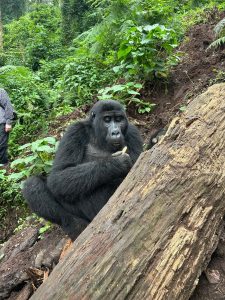
Gorilla trekking is one of Uganda’s most popular tourism experiences, particularly in Bwindi Impenetrable National Park and Mgahinga Gorilla National Park.
These parks are located in southwestern Uganda, relatively close to the borders with Rwanda and the Democratic Republic of Congo. Because of this location, travelers should pay attention to current regional security information.
The UK FCDO specifically advises travelers visiting Bwindi and Mgahinga to use reputable, registered tour operators and to obtain current information from the Uganda Wildlife Authority. It also notes that security personnel routinely accompany tourists during gorilla-tracking visits in this area.
How to stay safe during gorilla trekking
Follow these simple rules:
- Trek with authorized park personnel and guides.
- Follow instructions from Uganda Wildlife Authority staff.
- Stay with your trekking group.
- Do not leave the established trekking area without permission.
- Do not attempt to cross an international border.
- Do not participate in unauthorized cross-border tours.
- Follow gorilla encounter rules.
- Maintain the required distance from gorillas.
- Inform your tour operator about medical or mobility considerations before trekking.
- Follow the latest local security guidance.
Gorilla trekking itself is a professionally organized tourism activity, but the surrounding region requires travelers to remain aware of changing security conditions.
3. Is Uganda Safe for Wildlife Safaris?
Uganda’s national parks are major attractions for international tourists.
Popular safari destinations include:
Murchison Falls National Park, Queen Elizabeth National Park, Kidepo Valley National Park, Lake Mburo National Park, Kibale National Park, Bwindi Impenetrable National Park, Mgahinga Gorilla National Park, Semuliki National Park, Mount Elgon National Park
Tourism operations continue in Uganda’s major wildlife destinations. Uganda Tourism Board reported in January 2026 that tourism activities across national parks, wildlife reserves, cultural sites, and hospitality establishments were operating normally during the country’s election period.
Nevertheless, travelers should remember that a safari is an outdoor adventure. Wildlife, weather, roads, and remote locations create risks that do not exist in a normal city holiday.
Safari safety tips
While on safari:
Never leave your vehicle without your guide’s permission., Do not approach wild animals., Do not feed animals., Keep windows and doors closed when instructed., Listen carefully to your safari guide., Maintain a safe distance from elephants, buffaloes, lions, hippos, and other wildlife., Follow park regulations., Do not walk around camps or lodges alone at night unless permitted or accompanied., Keep food securely stored where required., Inform your guide immediately if you feel unwell or unsafe.
4. Terrorism and Security Risks in Uganda
Terrorism is one of the risks that international travelers should be aware of when planning travel to Uganda.
The U.S. Department of State identifies terrorism as a security concern and notes that attacks have occurred in places including tourist areas.
This does not mean that every tourist destination is experiencing attacks or that normal tourism has stopped. Rather, it means travelers should maintain situational awareness and follow current official security advice.
How tourists can reduce risk
Avoid large public gatherings., Avoid demonstrations., Monitor local news., Follow instructions from authorities., Keep your tour operator informed about changes to your itinerary., Avoid restricted or sensitive areas., Do not photograph military or security installations., Remain particularly cautious near international borders.
Your safari guide can help you make informed decisions about daily movements and local conditions.
5. Border Areas Require Extra Caution
One of the most important safety considerations for Uganda travel is geography.
Uganda borders:
Kenya, Tanzania, Rwanda, South Sudan, Democratic Republic of Congo
Security conditions are not identical across all these border regions.
The UK FCDO identifies particular concerns around parts of the Uganda–DRC border, including areas affected by armed groups and cross-border instability. It also provides additional warnings concerning parts of northeastern Uganda near South Sudan and the Karamoja region.
What does this mean for safari travelers?
If your itinerary includes western Uganda, southwestern Uganda, northeastern Uganda, or border areas, your tour operator should monitor current local conditions and adjust routes when necessary.
Do not independently cross into the DRC or other restricted border areas simply because they are geographically close to your safari destination.
For gorilla trekking in southwestern Uganda, remain within the authorized Ugandan tourism areas and follow the instructions of your guide and park authorities.
6. Is Uganda Safe for Solo Travelers?
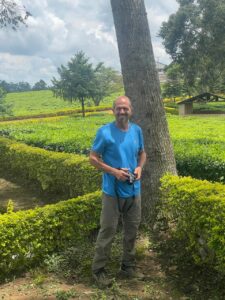
Uganda can be visited by solo travelers, but independent travelers should generally take greater precautions than people traveling with an experienced local guide.
A solo visitor may have less assistance when dealing with:
Transportation, Language differences, Navigation, Accommodation, Unexpected road conditions, Wildlife activities, Emergency situations, Changes to local security conditions
For first-time visitors, using a professional tour operator can simplify logistics.
Solo travel safety tips
Share your itinerary with someone at home., Use reputable accommodation., Avoid isolated areas after dark., Use reliable transportation., Keep emergency contacts available., Avoid displaying expensive equipment., Keep copies of important documents., Purchase travel insurance., Let your tour operator know your daily movements.
7. Is Uganda Safe for Families?
Families can enjoy Uganda’s wildlife and cultural attractions, but parents should plan carefully.
The most important considerations include:
Road travel times, Children’s ages, Wildlife safety, Accommodation facilities, Medical access, Trekking difficulty Weather conditions, Food and drinking water, Travel insurance
Families should discuss the children’s ages and interests with their safari company before finalizing an itinerary.
For example, a family wildlife safari in Murchison Falls, Queen Elizabeth National Park, or Lake Mburo may involve different activities and travel conditions from a gorilla trekking holiday.
8. Road Travel and Driving Safety in Uganda
Road travel is an important part of most Uganda safaris.
Distances between national parks can be considerable, and road conditions vary. Some major highways are paved, while roads inside or leading to remote safari areas may be rough, especially during rainy periods.
The U.S. Department of State advises travelers to exercise caution with transportation and notes risks associated with crime and road travel.
Tips for safer road travel
Use an experienced safari driver., Wear a seat belt., Avoid unnecessary night driving., Allow enough time between destinations., Use appropriate vehicles for remote areas., Check weather and road conditions., Do not pressure drivers to speed., Keep valuables out of sight., Inform someone of your itinerary.
For remote national parks, a properly equipped safari vehicle is particularly important.
9. Is It Safe to Use Motorcycle Taxis?
Motorcycle taxis, commonly known as boda bodas, are widely used in Uganda.
They can be convenient and inexpensive, but visitors should understand that motorcycle transportation can involve additional road-safety risks.
For airport transfers, long-distance journeys, and safari travel, visitors should generally use reliable vehicles arranged through reputable accommodation providers or tour operators.
If you use a boda boda, consider:
Wearing a helmet., Using a reputable provider., Avoiding overloaded motorcycles., Avoiding rides at night in unfamiliar areas., Avoiding motorcycles traveling at excessive speeds.
10. Health and Medical Safety in Uganda
Health preparation is an important part of a Uganda safari.
Travelers should consult a qualified travel-health professional before departure to discuss vaccinations, malaria prevention, medications, food and water precautions, and other health considerations.
Yellow fever
Yellow fever vaccination requirements can apply to travelers entering Uganda, depending on their circumstances and travel history. Uganda’s entry rules should be checked before departure, and travelers who need a yellow fever certificate should carry the appropriate documentation.
Malaria
Malaria occurs in Uganda. Travelers should speak with a healthcare professional about appropriate malaria prevention before traveling.
Practical measures include:
Using insect repellent., Wearing long sleeves and trousers where appropriate., Sleeping under mosquito nets where provided., Following prescribed preventive medication advice., Seeking medical attention if you develop symptoms after travel.
Ebola update
Health conditions can change, so travelers should rely on current official information rather than old travel articles.
As of late August 2026, Uganda Tourism Board reported that Uganda had been declared free of the Ebola outbreak after the World Health Organization certified the end of the Bundibugyo virus outbreak.
Travelers should nevertheless check the latest health guidance before departure because disease outbreaks and entry requirements can change.
11. Food and Drinking Water Safety
Food is an important part of the Ugandan travel experience, but visitors should take normal precautions.
Recommended practices
Drink bottled, treated, or otherwise safe water., Check that bottled water is properly sealed., Wash your hands regularly., Eat food that has been properly cooked., Be cautious with raw food in places where hygiene standards are uncertain., Carry hand sanitizer during long safari drives., Inform your lodge or guide about dietary restrictions.
Most established hotels and safari lodges serving international visitors are accustomed to accommodating travelers’ dietary needs.
12. Wildlife Safety: What Tourists Must Know
Uganda offers extraordinary opportunities to see elephants, lions, buffaloes, hippos, chimpanzees, gorillas, leopards, giraffes, and many other species.
But these animals are wild.
Never assume that an animal is harmless because it appears calm.
Important wildlife rules
Do not:
Approach animals on foot without authorization., Attempt to touch wildlife., Feed wild animals., Shout at animals., Throw objects at animals., Use flash photography when prohibited., Leave your safari vehicle without permission., Ignore your guide’s instructions.
During gorilla and chimpanzee trekking, additional rules apply to protect both visitors and animals.
13. Crime: How Tourists Can Protect Themselves
Petty theft and more serious crime can occur in Uganda, particularly in urban areas.
The U.S. Department of State lists risks including pickpocketing, theft, robbery, carjacking, and theft from vehicles or accommodation.
Protect your belongings
Keep:
Passport, Cash, Bank cards, Cameras, Smartphones, Travel documents
in secure places.
Avoid displaying expensive jewelry, large amounts of cash, or expensive electronic equipment unnecessarily.
When staying in hotels or lodges, use available room safes where appropriate.
14. Avoid Political Demonstrations and Large Gatherings
Demonstrations can occur in Uganda and may develop unpredictably.
Foreign visitors should avoid participating in political demonstrations or large political gatherings.
If you encounter a demonstration:
- Move away from the area.
- Follow instructions from local authorities.
- Contact your tour operator.
- Avoid taking photographs of security operations.
- Wait for your guide or accommodation provider to advise you about alternative routes.
The U.S. Department of State specifically advises travelers to avoid demonstrations and monitor local information.
15. Photography and Drone Safety
Uganda offers incredible photography opportunities, from gorillas and chimpanzees to landscapes, birds, waterfalls, and wildlife.
However, visitors should be careful when photographing sensitive locations.
Avoid photographing:
Military installations, Police facilities, Security infrastructure, Sensitive government buildings
The U.S. Department of State also notes that drone use requires approval and that unauthorized drone activity can result in serious problems.
Always obtain the necessary permissions before bringing or operating a drone in Uganda.
16. Choose a Registered and Reputable Tour Operator
One of the simplest ways to improve your Uganda safari experience is to work with a reputable tour company.
Uganda Tourism Board maintains a list of licensed tour companies and other tourism businesses.
When choosing a safari company, look for:
Proper tourism registration., Experienced guides. Reliable safari vehicles. Clear communication. Transparent itineraries. Proper permit arrangements. Emergency support. Good accommodation partners. Appropriate travel insurance recommendations. Knowledge of local conditions.
Why book your Uganda safari with Kashari Tours and Travel?
At Kashari Tours and Travel, we help travelers plan Uganda safari experiences around their interests, schedules, budgets, and destinations.
Our Uganda travel experiences can include:
Gorilla trekking safaris Chimpanzee trekking, Big Five wildlife safaris, Bird watching safaris, Cultural tours, Hiking adventures, Family safaris, Honeymoon safaris, Uganda and Rwanda combined tours, Private safari holidays
We also help travelers understand practical matters such as transportation, accommodation, permits, itinerary planning, and travel preparation.
Contact Fuga Tours and Travel to discuss your 2026–2027 Uganda safari itinerary before you travel.
17. Uganda Safari Safety Checklist for 2026–2027
Before departing for Uganda, use this checklist:
Documents
Passport valid for the required period
Uganda visa or applicable travel authorization
Yellow fever certificate where required
Travel insurance
Flight information
Accommodation details
Safari itinerary
Emergency contacts
Health
Consult a travel-health professional
Discuss malaria prevention
Check vaccination requirements
Carry necessary medication
Pack insect repellent
Carry sunscreen
Carry basic first-aid supplies
Personal security
Keep copies of important documents
Avoid carrying unnecessary valuables
Avoid demonstrations
Be careful after dark
Monitor local security information
Keep emergency contacts available
Safari
Book with a reputable operator
Follow your guide’s instructions
Respect wildlife
Follow national park rules
Wear appropriate clothing and footwear’
Carry drinking water Prepare for changing weather
18. Emergency Numbers in Uganda
Travelers should keep emergency contacts accessible.
The U.S. Department of State’s Uganda travel information lists:
Police: 999, Ambulance: 911, Fire: 112
Uganda Tourism Board also provides contacts for its Tourism Police structure, which is intended to support tourists, tourism businesses, and visitors facing challenges within Uganda.
Your safari company should also provide you with a direct emergency or after-hours contact.
19. Is Uganda Safe for Tourists in 2027?
Travel safety information for 2027 cannot be guaranteed in advance because security, health, weather, transportation, and entry requirements can change.
If you are planning a Uganda safari for 2027, check official travel advisories and Ugandan tourism and immigration information shortly before departure.
A responsible tour operator should also monitor conditions affecting your specific itinerary.
This is particularly important if your safari includes:
Border regions, Remote national parks, Mountain trekking, Long road journeys, Adventure activities
Rather than asking only “Is Uganda safe?”, travelers should ask:
“Is my specific destination, route, activity, and travel period suitable under the latest conditions?”
That is a much more useful way to approach travel safety.
20. Final Verdict: Should You Travel to Uganda in 2026–2027?
Uganda continues to welcome international tourists, and its tourism sector remains active across major national parks, wildlife reserves, cultural attractions, and hospitality facilities.
However, Uganda is not completely free from travel risks. Official advisories identify concerns involving crime, terrorism, demonstrations, transportation, health, and certain border regions. These risks are not distributed evenly throughout the country, which is why travelers should research their particular itinerary rather than treating Uganda as one uniform security environment.
For a well-planned safari, the most important safety measures are to use reputable tourism providers, follow local and park authorities’ instructions, avoid restricted or high-risk areas, remain alert in cities, take appropriate health precautions, and check official travel advice before departure.
Uganda’s attractions—from the mountain gorillas of Bwindi to the chimpanzees of Kibale, the wildlife of Queen Elizabeth and Murchison Falls, the landscapes of Kidepo, and the birdlife of its forests and wetlands—remain major reasons travelers visit the Pearl of Africa.
Plan a Safe Uganda Safari with Fuga Tours and Travel
Planning your Uganda safari in 2026 or 2027?
Kashari Tours and Travel can help you design a personalized itinerary covering Uganda’s wildlife, primates, gorillas, birds, culture, mountains, lakes, and national parks.
Whether you are looking for a Uganda gorilla trekking safari, Uganda Big Five safari, chimpanzee trekking tour, Uganda birding safari, family holiday, honeymoon safari, or Uganda and Rwanda combined safari, we can help you plan the trip around your travel dates, interests, and budget.
Start planning your Uganda adventure with Fuga Tours and Travel and discover the Pearl of Africa responsibly and confidently.
Frequently Asked Questions
Is Uganda safe for tourists in 2026?
Uganda remains open to tourism, but travelers should take normal precautions and pay close attention to region-specific security advice. Current official advisories identify risks involving crime, terrorism, unrest, and certain border areas.
Is Uganda safe for gorilla trekking?
Gorilla trekking is an organized tourism activity in Bwindi and Mgahinga. Because these parks are close to international borders, travelers should use reputable operators, remain within authorized tourism areas, and follow Uganda Wildlife Authority and security guidance.
Is Kampala safe for tourists?
Kampala is a busy capital city where travelers should take normal urban precautions, particularly concerning valuables, transportation, demonstrations, and nighttime movement.
Is Uganda safe for family safaris?
Families can plan wildlife and cultural holidays in Uganda, but itineraries should take children’s ages, road travel, accommodation, wildlife safety, and medical access into consideration.
Do I need travel insurance for Uganda?
Travel insurance is strongly recommended. Travelers should consider policies covering medical treatment, emergency assistance, evacuation, trip interruption, and the activities included in their itinerary.
Are Uganda’s national parks open to tourists?
Uganda Tourism Board reported that tourism activities were continuing across national parks, wildlife reserves, cultural attractions, and hospitality facilities in 2026.
Has Uganda’s 2026 Ebola outbreak ended?
Uganda Tourism Board reported in August 2026 that the WHO had certified the end of the Bundibugyo virus outbreak in Uganda. Travelers should still check current health guidance before departure because health requirements can change.
What is the safest way to travel around Uganda?
For a first-time visitor, using an experienced and properly registered tour operator can simplify transportation, accommodation, park access, permits, guides, and itinerary adjustments.
Is Uganda safe in 2027?
No one can guarantee future travel conditions. Travelers planning for 2027 should check current government travel advisories, Ugandan authorities, health guidance, and local conditions shortly before traveling.