
Uganda Safety Travel Tips: A Complete Guide for Travelers with Fuga Tours and Travel, Uganda is one of East Africa’s most rewarding travel destinations, offering an exceptional combination of mountain gorilla trekking, chimpanzee experiences, wildlife safaris, bird watching, cultural encounters, scenic landscapes, and adventure activities. From the misty forests of Bwindi Impenetrable National Park to the savannah plains of Murchison Falls and Queen Elizabeth National Parks, Uganda offers travelers a wide variety of experiences.
But before traveling, one of the most common questions visitors ask is: Is Uganda safe for tourists?
For most visitors, a Uganda safari can be enjoyed safely when travelers take sensible precautions, follow local regulations, use reputable tour operators, and remain aware of their surroundings. Like anywhere else in the world, Uganda has situations where travelers should exercise caution.
This Uganda safety travel guide by Fuga Tours and Travel provides practical information to help you prepare for your trip and enjoy your safari with greater confidence.
Is Uganda Safe for Tourists?
Uganda welcomes travelers from around the world for wildlife safaris, gorilla trekking, chimpanzee tracking, hiking, bird watching, cultural tours, and other experiences.
Tourist areas and national parks have established tourism systems, including trained guides, park rangers, accommodation facilities, safari vehicles, and visitor regulations.
However, safety conditions can vary depending on the destination, activity, and current circumstances. Travelers should therefore monitor official travel advisories before departure and follow instructions from local authorities and professional guides.
When traveling with Fuga Tours and Travel, visitors can benefit from local planning and guidance throughout their safari.
A. Essential Uganda Safety Travel Tips
Travel With a Reputable Tour Operator
One of the easiest ways to make your Uganda safari more organized is to work with an established tour operator.
A professional tour operator can assist with:
Safari planning, Transportation, Accommodation arrangements, Gorilla and chimpanzee permits, National park activities, Safari guides, Airport transfers, Route planning, Emergency assistance, Local travel advice
Fuga Tours and Travel can help travelers organize Uganda safaris according to their interests, available time, and budget.
Whether you are planning a Uganda gorilla trekking safari, Big Five wildlife safari, chimpanzee trekking tour, birding safari, or combined Uganda and Rwanda safari, professional planning can make your journey easier.
B. Keep Important Documents Safe
Your passport is one of the most important items during your trip.
Before traveling to Uganda, make copies or secure digital versions of important documents such as:
Passport, Visa or immigration documentation, Travel insurance, Flight tickets, Accommodation confirmations, Gorilla permit confirmation, Vaccination documentation where applicable, Emergency contacts
Keep the original documents secure and avoid carrying unnecessary original paperwork during excursions.
A waterproof document holder can be useful during a safari.
C. Take Care of Your Valuables
As with travel anywhere, avoid displaying large amounts of cash, expensive jewelry, or unnecessary valuables.
Keep important belongings secure, especially in busy areas.
Useful precautions include:
Carry only the cash you need for the day, Keep your passport secure, Use accommodation safes where available, Keep your phone and camera secure in crowded places, Avoid leaving valuables visible inside vehicles, Make digital copies of important documents.
During game drives, your safari vehicle provides a secure place for many of your belongings, but you should still follow your guide’s advice.
D. Be Careful When Using ATMs
ATMs are available in major towns and cities, but availability becomes more limited as you travel into remote safari destinations.
It is therefore useful to plan your cash needs before heading into remote areas.
When using an ATM:
Prefer ATMs located at reputable banks or secure locations, Be aware of people around you, Avoid accepting assistance from strangers, Protect your PIN, Keep your bank card secure after withdrawing money, Consider carrying some emergency cash separately.
Your tour operator can also advise you about where ATMs and banking facilities are available along your itinerary.
E. Use Safe Transportation
Road travel is an important part of many Uganda safaris because several national parks are reached by road.
Travelers should use properly maintained vehicles and experienced drivers, particularly when traveling long distances or on rough roads.
When traveling with Fuga Tours and Travel, your safari itinerary can include planned transportation between destinations.
For your safety:
Wear your seat belt, Follow your driver’s instructions, Avoid distracting the driver, Do not stand up unnecessarily in a moving safari vehicle, Keep belongings secured, Avoid traveling with unauthorized drivers, Allow sufficient time for long journeys rather than rushing.
Road conditions can vary considerably between major highways, rural roads, and national park tracks.
F. Follow Your Safari Guide’s Instructions
Your safari guide is one of your most important safety resources.
Whether you are on a game drive, boat cruise, forest walk, chimpanzee trek, or gorilla trekking experience, listen carefully to your guide.
Wild animals are unpredictable, even when they appear calm.
Never:
Approach wild animals without permission, Feed wildlife, Attempt to touch wild animal, Leave the safari vehicle in an unsafe location, Shout at animals to attract their attention, Ignore instructions from your ranger or guide.
Remember that a safari is an opportunity to observe wildlife in its natural environment.
G. Gorilla Trekking Safety in Uganda
Uganda is famous for mountain gorilla trekking, particularly in Bwindi Impenetrable National Park and Mgahinga Gorilla National Park.
Gorilla trekking is carefully regulated, and visitors are accompanied by trained guides and park rangers.
For a safe gorilla trekking experience:
Follow your ranger’s instructions, Maintain the recommended distance from gorillas, Avoid sudden movements. Do not use flash photography, Do not feed the gorillas, Avoid trekking when you are sick with a contagious illness, Follow park rules concerning photography and behavior, Stay with your trekking group, Tell your guide if you become tired or uncomfortable.
The forest terrain can be steep, muddy, and slippery, so proper hiking footwear and suitable clothing are important.
H. Chimpanzee Trekking Safety
Uganda is also renowned for chimpanzee experiences, particularly in Kibale National Park.
Chimpanzees are wild animals, and visitors should maintain appropriate behavior throughout the experience.
During chimpanzee trekking:
Follow your guide’s instructions., Maintain the required distance., Avoid sudden movements., Do not feed chimpanzees., Do not attempt to touch wildlife., Avoid using flash photography when prohibited., Stay with your group., Follow all conservation regulations.
The forest can also be humid and muddy, making appropriate hiking shoes useful.
L. Be Careful Around Wildlife
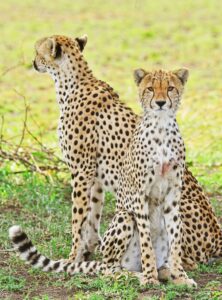
Uganda is home to elephants, lions, leopards, buffaloes, hippos, crocodiles, primates, and many other wild animals.
Even animals that appear peaceful can be dangerous if approached incorrectly.
Never assume that a wild animal is safe because it is accustomed to seeing vehicles.
During your safari:
Stay inside the vehicle unless your guide tells you it is safe to exit.
At lodges and camps near wildlife areas, follow staff instructions about walking around the property, particularly after dark.
J. Take Extra Care Around Hippos
Hippos are among the animals visitors may encounter around Uganda’s lakes and rivers.
They can appear calm while resting in water, but they are wild animals and should never be approached.
During boat cruises and nature walks:
Follow your guide’s instructions, Keep a safe distance from wildlife, Never attempt to approach a hippo, Do not leave designated areas without permission.
The same principle applies to crocodiles and other potentially dangerous wildlife.
K. Be Cautious Around Water
Uganda has beautiful lakes, rivers, waterfalls, and wetlands.
Popular destinations include:
Lake Victoria, Lake Bunyonyi, Lake Kivu, Kazinga Channel, River Nile, Murchison Falls, Mabamba Swamp
When participating in water-based activities, use approved boats and experienced guides.
Always follow instructions concerning:
Life jackets, Swimming areas, Boat seating, Weather conditions, Water currents, Photography from boats
Never swim in areas where swimming is prohibited or where wildlife presents a danger.
L. Protect Yourself From Mosquitoes
Mosquitoes are present in many parts of Uganda, particularly in tropical and rural environments.
Travelers should take appropriate precautions against mosquito bites.
Useful measures include:
Wearing long-sleeved clothing in the evening, Using insect repellent, Sleeping under a mosquito net where provided, Keeping accommodation doors and windows screened or closed where appropriate, Following advice from a qualified travel-health professional regarding malaria prevention.
Before traveling, consult a qualified medical professional or travel clinic for personalized health advice.
M. Drink Safe Water
Water safety is another important consideration for travelers.
Unless you have confirmed that tap water is safe to drink at your accommodation, consider using bottled, treated, or otherwise reliably purified water.
During safari:
Carry drinking water with you, Stay hydrated, Check that bottled water is properly sealed, Avoid drinking water from untreated rivers, lakes, or streams.
Staying hydrated is particularly important during gorilla trekking, hiking, and long game drives.
N. Be Careful With Food
Uganda offers a wonderful variety of local and international cuisine.
Travelers should use normal food hygiene precautions.
Choose reputable restaurants and accommodation facilities, and make sure food is properly cooked and served hygienically.
If you have allergies or dietary restrictions, inform your lodge, hotel, guide, and tour operator in advance.
O. Respect Local Customs and Communities
Uganda is culturally diverse, with many communities, languages, traditions, and customs.
Responsible travelers should respect local culture.
Simple practices include:
Ask permission before photographing people, Dress appropriately, especially when visiting religious or cultural sites, Avoid making insensitive comments about local customs, Follow community-tour guidelines, Respect private property, Listen to your local guide.
Cultural tourism becomes more meaningful when visitors and communities interact respectfully.
P. Keep Emergency Contacts Accessible
Before beginning your safari, keep important contact information available both digitally and offline.
Your list may include:
Your tour operator, Accommodation, Travel insurance provide, Airline, Embassy or consulate, Local emergency services, Family or emergency contact
Give a trusted person at home a copy of your itinerary.
Q. Take Travel Insurance
Travel insurance can provide important protection against unexpected events.
Depending on the policy, travel insurance may cover areas such as:
Medical expenses, Emergency evacuation, Trip interruption, Lost luggage, Delayed flights, Travel cancellation
Check the terms carefully before purchasing a policy.
If your trip includes activities such as gorilla trekking, hiking, or other adventure activities, verify that your insurance covers the activities you plan to undertake.
R. Dress Appropriately for Your Safari
Uganda has different environments, from tropical forests to savannahs and mountainous areas.
Pack according to your itinerary.
Useful safari clothing may include:
Lightweight trousers, Long-sleeved shirts, Comfortable walking shoes, Hiking boots for forest trekking, Waterproof jacket, Hat, Sunglasses, Light fleece or warm layer, Insect-repellent clothing where appropriate
For gorilla trekking, waterproof hiking shoes and long trousers can be particularly useful because forest trails may be muddy and wet.
S. Keep Your Phone Charged
Long safari journeys may take you far from major towns.
Consider carrying:
Power bank, Charging cables, Travel adapter, Spare camera batteries, Offline maps, Important phone numbers
Some lodges and camps have limited electricity or charging hours, so a power bank can be particularly useful.
T. Be Careful When Exploring Cities and Towns
Kampala, Entebbe, Jinja, Mbarara, Fort Portal, and other Ugandan towns offer different experiences from national parks.
When exploring urban areas:
Stay aware of your surroundings, Avoid displaying valuables unnecessarily, Use reputable transportation, Follow local advice about areas to visit, Avoid walking alone in unfamiliar areas late at night, Keep your belongings secure in crowded places.
Your local guide or tour operator can provide destination-specific advice.
U. Follow National Park Rules
National parks protect Uganda’s wildlife and natural ecosystems.
Visitors are expected to follow park regulations.
Important principles include:
Do not litter, Do not feed animals, Do not disturb wildlife, Do not remove plants, rocks, or other natural items, Stay on designated routes where required, Follow ranger and guide instructions, Respect other visitors.
Responsible tourism helps protect Uganda’s natural heritage for future generations.
V. What Should You Do in an Emergency?
If an unexpected situation occurs, remain calm and contact your tour operator, accommodation staff, guide, or relevant local authorities.
If you are traveling with Fuga Tours and Travel, keep your guide’s contact information available throughout your safari.
Your guide can help coordinate assistance and communicate with local service providers when necessary.
Uganda Safety Tips for Different Types of Travelers
Solo Travelers
Solo travelers should take normal precautions, particularly in unfamiliar urban environments.
Consider:
Using reputable transportation, Sharing your itinerary with someone at home, Keeping emergency contacts accessible, Avoiding isolated areas after dark, Booking activities through reputable providers.
Families Traveling With Children
Families should pay particular attention to transportation and wildlife safety.
Children should:
Remain close to adults, Follow guides’ instructions, Avoid approaching wildlife, Stay inside safari vehicles when instructed, Drink sufficient water, Use appropriate sun and insect protection.
Senior Travelers
Older travelers should discuss their itinerary with their healthcare professional before traveling, particularly if planning gorilla trekking, chimpanzee trekking, or mountain hiking.
A private safari can also allow greater flexibility with travel schedules and activity levels.
What to Pack for a Safe Uganda Safari
A practical Uganda safari packing list may include:
Travel Documents
Passport, Visa or immigration documents, Travel insurance, Flight information, Safari itinerary, Permit confirmations
Health and Personal Items
Personal medication, Insect repellent, Sunscreen, Hand sanitizer, Basic first-aid supplies, Reusable water bottle
Safari Clothing
Comfortable trousers, Long-sleeved shirts, T-shirts, Fleece or sweater, Rain jacket, Comfortable shoes, Hiking boots
Electronics
Smartphone, Camera, Extra batteries, Power bank, Charging cables, Travel adapter
Best Practices for a Safe Uganda Gorilla Safari
If gorilla trekking is the main reason for your visit, consider these additional precautions:
- Book your gorilla permit in advance.
- Use a reputable tour operator.
- Wear suitable hiking clothing.
- Carry sufficient drinking water.
- Follow the ranger’s instructions.
- Maintain the required distance from gorillas.
- Avoid trekking when sick.
- Carry only necessary items into the forest.
- Protect your camera and electronics from rain.
- Inform your guide if you have difficulty keeping up with the group.
Is Uganda Safe for First-Time Visitors?
First-time visitors can prepare for Uganda by researching their destinations, understanding local customs, organizing reliable transportation, and using experienced local guides.
You do not need to know everything before arriving. A good safari operator can help with practical arrangements and explain what to expect at each destination.
For travelers interested in gorilla trekking, wildlife, chimpanzees, bird watching, cultural experiences, and scenic adventures, Uganda offers a wide range of professionally organized tourism experiences.
Why Travel With Fuga Tours and Travel?
Planning a safari in a destination you have never visited can involve many details.
Fuga Tours and Travel can help travelers organize Uganda safari experiences around their interests and travel schedule.
We can assist with:
Uganda gorilla trekking safaris, Chimpanzee trekking, Big Five wildlife safaris, Bird watching safaris, Uganda honeymoon safaris, Wildlife and primate safaris, Cultural experiences, National park tours, Uganda and Rwanda combined safaris, Private safari itineraries
Our goal is to make your journey easier to plan while connecting you with Uganda’s remarkable wildlife, landscapes, communities, and conservation areas.
Frequently Asked Questions About Uganda Travel Safety
Is Uganda safe for tourists?
Uganda receives international visitors for safaris, gorilla trekking, business, cultural tourism, and other activities. Travelers should take normal precautions, monitor current travel advisories, and follow guidance from local authorities and professional guides.
Is Uganda safe for gorilla trekking?
Gorilla trekking is regulated and conducted with trained guides and rangers. Visitors must follow established park rules and their ranger’s instructions throughout the trek.
Is it safe to travel around Uganda by road?
Road travel is an important part of many Uganda safaris. Conditions vary by route, so travelers should use reputable transportation providers and experienced drivers.
Is Uganda safe for solo travelers?
Solo travelers can visit Uganda, but should take sensible precautions, particularly when moving around unfamiliar urban areas or traveling independently.
What should I avoid doing in Uganda?
Avoid approaching wild animals, ignoring park regulations, displaying valuables unnecessarily, using unlicensed transportation, and entering unfamiliar areas without appropriate local guidance.
Do I need travel insurance for Uganda?
Travel insurance is strongly worth considering for international travel. Check your policy carefully to ensure it covers your planned activities, including trekking and adventure activities where applicable.
Final Uganda Safety Travel Tips
A safe and enjoyable Uganda safari begins with preparation.
Before traveling:
Research your destinations, Check current entry requirements, Review relevant travel advisories, Arrange appropriate travel insurance, Protect your important documents, Use reputable transportation, Follow your guide’s instructions. Respect wildlife, Take mosquito precautions, Drink safe water, Respect local communities, Keep emergency contacts available.
Uganda is a destination where travelers can experience extraordinary wildlife, forests, mountains, lakes, rivers, cultures, and communities. With sensible preparation and responsible travel practices, you can focus on enjoying your safari.
Plan Your Uganda Safari With FugaTours and Travel
Ready to explore Uganda?
Whether you dream of meeting mountain gorillas in Bwindi, tracking chimpanzees in Kibale, watching elephants and lions on safari, searching for the Shoebill, cruising the Kazinga Channel, or exploring Uganda’s cultural and scenic attractions, Fuga Tours and Travel can help you plan your journey.
Contact Fuga Tours and Travel today to plan your Uganda safari and receive a customized itinerary based on your interests, travel dates, and budget.