
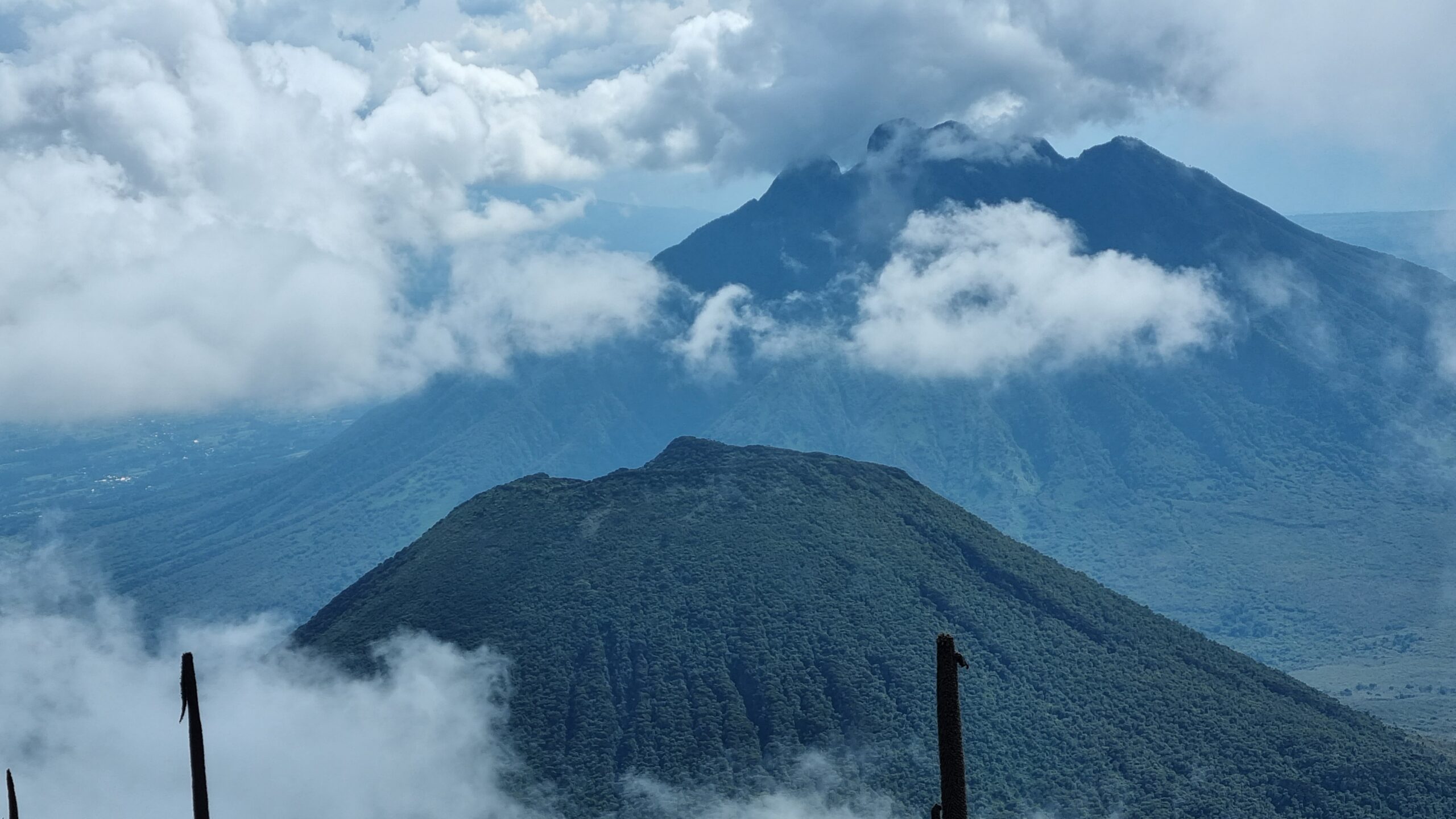
Best Time to Visit Uganda: A Month-by-Month Guide. Uganda, often called the “Pearl of Africa,” is a year-round destination offering an extraordinary combination of wildlife safaris, mountain gorilla trekking, chimpanzee tracking, bird watching, mountain hiking, cultural experiences and scenic adventures.
But when is the best time to visit Uganda
For many travelers, June to September is considered one of the best periods for a Uganda safari because of generally drier conditions, easier wildlife viewing and more manageable road and hiking conditions. December to February is another excellent travel period. However, Uganda can be visited throughout the year, and the wetter months can offer important advantages for birders, photographers and travelers looking for greener landscapes and potentially fewer visitors.
Uganda has different climatic conditions across its regions. The south generally experiences two rainy seasons, while northern Uganda has a different rainfall pattern. Weather can also vary considerably because of altitude and local geography.
This month-by-month guide will help you decide when to visit Uganda for gorilla trekking, chimpanzee trekking, wildlife safaris, birding and other adventures.
Quick Answer: What Is the Best Time to Visit Uganda?
If you want the simplest answer:
Best overall months: June, July, August, September, December, January and February.
Best for gorilla trekking: June–September and December–February are generally popular because of drier conditions, although gorilla trekking takes place throughout the year.
Best for wildlife safaris: June–September and December–February, particularly in savannah parks such as Murchison Falls and Queen Elizabeth.
Best for bird watching: Uganda is excellent year-round, with late May through September offering generally less rain and good birding conditions.
Best for lush scenery and fewer crowds: March–May and October–November can be attractive for travelers who do not mind rain.
Best for budget-conscious travelers: The wetter seasons can sometimes provide better-value travel opportunities, although accommodation, permits and safari prices vary by operator and season.
Uganda Weather and Seasons at a Glance
Uganda is close to the Equator, but this does not mean the entire country is hot throughout the year.
Altitude plays an important role. The mountainous southwest, including Bwindi and Mgahinga, can be cool, particularly in the mornings and evenings.
Broadly, Uganda experiences:
Dry periods
- December to February
- June to September
Wetter periods
- March to May
- September/October to November, particularly in southern Uganda
The exact timing and intensity of rainfall can vary from year to year. Uganda’s climate is naturally variable, so travelers should avoid assuming that a particular month will be completely rain-free.
January – Excellent for Wildlife Safaris and Gorilla Trekking
January is one of the attractive months for visiting Uganda.
It falls within the relatively dry period in much of the country, making it suitable for safari activities and gorilla trekking.
Why visit Uganda in January?
- Generally favorable conditions for wildlife viewing
- Good conditions for road-based safaris
- Suitable for gorilla trekking
- Excellent time for chimpanzee tracking
- Good conditions for visiting Murchison Falls
- Pleasant period for combining several national parks
In savannah parks, dry conditions can make wildlife easier to locate because animals may concentrate around remaining water sources.
Murchison Falls National Park, for example, identifies December through late February and June through September as its dry-season periods when animals tend to concentrate around water points.
Best activities in January
Wildlife safari: ★★★★★
Gorilla trekking: ★★★★★
Chimpanzee trekking: ★★★★☆
Birding: ★★★★☆
Mountain hiking: ★★★★☆
February – One of the Best All-Round Months
February is another excellent month for a Uganda safari.
The weather is often relatively dry, although conditions vary between regions.
It is particularly attractive for travelers who want to combine:
- Gorilla trekking
- Chimpanzee trekking
- Wildlife viewing
- Boat cruises
- Bird watching
- Cultural experiences
For travelers visiting western Uganda, February can be an excellent time to combine Kibale Forest, Queen Elizabeth National Park and Bwindi Impenetrable National Park.
Chimpanzee tracking in Kibale takes place throughout the year, although UWA notes that chimpanzees can be easier to find during wetter periods because they may remain closer to food sources rather than moving deeper into the forest.
February highlights
Best for: A classic Uganda safari combining primates and wildlife.
March – Beginning of the Main Wet Season
March marks the beginning of one of Uganda’s wetter periods, particularly in southern and western parts of the country.
Rain should not automatically discourage you from traveling.
Uganda’s rainforests are naturally wet ecosystems, and rainfall can create spectacular green scenery.
Advantages of visiting in March
- Lush vegetation
- Beautiful landscapes
- Excellent photographic conditions
- Good birding opportunities
- Fewer visitors in some destinations
- Potentially quieter trekking experiences
The main disadvantage is that rain can make forest trails muddy and some safari roads more challenging.
For gorilla trekking, rain can make the hiking experience more demanding, but it does not prevent trekking from taking place.
March is ideal for:
- Birding
- Photography
- Forest experiences
- Travelers who prefer fewer crowds
- Flexible safari itineraries
April – Green Uganda at Its Best
April is normally among the wetter months in many parts of Uganda.
If your priority is guaranteed dry weather, April would not be the first choice.
But if you love landscapes, forests, photography and bird watching, April has plenty to offer.
The countryside becomes beautifully green, waterfalls and streams can be impressive, and forests are full of life.
Things to consider
Heavy rainfall can occasionally affect:
- Unpaved roads
- Forest trails
- Transfers between destinations
- Outdoor activities
In Bwindi and Mgahinga, the combination of steep terrain, mud and rain can make trekking physically more demanding.
However, gorilla trekking remains possible during the rainy season.
May – Transition Toward Drier Conditions
May is often considered a transition month.
Rainfall can still be significant, especially in western and southern Uganda, but conditions may begin improving toward the end of the month.
For bird watchers, May can be particularly interesting.
Uganda Wildlife Authority identifies late May through September as a particularly good period for bird watching because there is generally less rain and food remains abundant.
Why consider Uganda in May?
- Green landscapes
- Excellent birding
- Fewer tourists than peak dry months
- Good photographic opportunities
- Potentially more availability at accommodation facilities
For adventurous travelers who do not mind occasional rain, May can be a rewarding month.
June – One of the Best Months to Visit Uganda
June is widely regarded as one of Uganda’s strongest safari months.
The country enters a drier period, making road travel and outdoor activities more comfortable.
Why June is excellent
- Generally dry conditions
- Excellent wildlife viewing
- Good gorilla trekking conditions
- Excellent chimpanzee trekking
- Good bird watching
- Easier road conditions
- Great conditions for multi-park safaris
In Mgahinga, June and July are among the driest months. The park’s climate information identifies May–August as a dry period, with June and July particularly dry.
June safari rating
Wildlife: ★★★★★
Gorillas: ★★★★★
Chimpanzees: ★★★★☆
Birding: ★★★★★
Photography: ★★★★★
July – Peak Safari Season
July is one of the most popular months for Uganda safaris.
The weather is generally favorable, and wildlife viewing conditions are excellent in many savannah destinations.
It is a particularly good time for travelers who want a classic safari experience.
Popular July combinations
Murchison Falls + Kibale + Queen Elizabeth + Bwindi
or
Kidepo Valley + Murchison Falls + Kibale + Bwindi
July is also a strong month for gorilla trekking.
However, because this is a popular travel period, travelers should plan well in advance, especially when gorilla permits and preferred accommodation are important.
Uganda’s gorilla trekking takes place in Bwindi and Mgahinga, with treks generally lasting between two and seven hours depending on the location of the gorilla family and conditions.
August – Excellent for Gorilla Trekking and Wildlife
August continues the dry season and is another highly recommended month for visiting Uganda.
It is particularly attractive for:
- Gorilla trekking
- Wildlife safaris
- Chimpanzee tracking
- Bird watching
- Photography
- Hiking
- Family safari holidays
In Bwindi, trails can still be wet because it is a rainforest, but the generally drier conditions can make trekking more manageable.
Remember that “dry season” does not mean “no rain” in Bwindi. Bwindi is a rainforest, and weather can change quickly.
September – Excellent Shoulder Season
September is an excellent month for travelers who want favorable safari conditions while moving toward the end of the main dry period.
The first part of the month can still provide good dry-season conditions.
September is particularly good for:
- Gorilla trekking
- Wildlife safaris
- Birding
- Photography
- Chimpanzee tracking
- Cultural tours
Late September can begin experiencing increased rainfall in some southern regions.
Therefore, travelers planning a safari toward the end of September should prepare for changing weather.
October – Green Season Begins
October marks the beginning of a wetter period in many parts of southern Uganda.
This does not make Uganda a bad destination.
In fact, October can be an excellent month for travelers looking for:
- Green landscapes
- Fewer tourists
- Bird watching
- Photography
- Forest adventures
- More flexible safari experiences
Rainfall can be unpredictable, so you should pack waterproof clothing and shoes suitable for muddy conditions.
For gorilla trekking, waterproof hiking gear is particularly important.
November – A Great Month for Birding and Green Landscapes
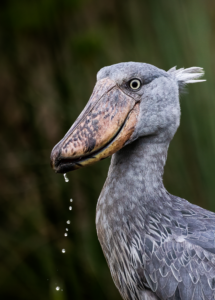
November is generally one of the wetter months in southern Uganda.
For travelers primarily interested in wildlife viewing under dry conditions, there are better months.
But birders may find November extremely rewarding.
Uganda’s forests, wetlands and savannah ecosystems support an exceptional variety of birdlife, and the country can be visited for birding throughout the year.
November advantages
- Green landscapes
- Excellent birding
- Fewer visitors
- Good photography
- Rich forest activity
- Potentially quieter lodges and trekking experiences
The main challenge is rain.
December – Excellent Start to the Dry Season
December is one of the best months for a Uganda holiday.
Conditions generally become drier, particularly toward the middle and end of the month.
It is therefore popular with international travelers planning Christmas and New Year safari holidays.
December is excellent for:
- Gorilla trekking
- Wildlife safaris
- Chimpanzee trekking
- Family holidays
- Birding
- Photography
- Uganda-Rwanda combined safaris
UWA identifies December through February as one of the dry periods for wildlife viewing and primate tracking in Uganda.
Because Christmas and New Year are popular travel periods, early planning is recommended.
Best Time for Gorilla Trekking in Uganda
Uganda offers gorilla trekking in:
- Bwindi Impenetrable National Park
- Mgahinga Gorilla National Park
Uganda is home to more than half of the world’s mountain gorilla population, according to Uganda Wildlife Authority.
Best months
For travelers who prefer relatively drier hiking conditions:
June – September
and
December – February
are excellent choices.
However, gorilla trekking is available throughout the year.
What about the rainy season?
Gorilla trekking does not stop simply because it rains.
In fact, some travelers prefer the wet season because the forest is exceptionally green and visitor numbers may be lower.
The trade-off is that trails can become muddy and slippery.
Best Time for Chimpanzee Trekking in Uganda
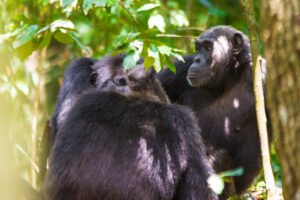
Chimpanzee trekking is available year-round.
Kibale National Park is one of Uganda’s most famous chimpanzee destinations.
Interestingly, the ideal weather for people is not necessarily the ideal condition for finding chimpanzees.
Uganda Wildlife Authority notes that chimpanzee tracking in Kibale can be particularly productive during the rainy season because chimpanzees may remain closer to food sources instead of moving deeper into the forest.
Therefore:
Best for comfortable hiking: Dry season
Potentially favorable for chimpanzee sightings: Wetter periods
Best Time for Wildlife Safaris in Uganda
If your main objective is seeing wildlife, the dry seasons are generally the strongest choice.
Recommended months
June – September
and
December – February
During drier periods, vegetation can be less dense and animals may gather around water sources.
Murchison Falls National Park, for example, recommends its dry periods from December to late February and June to September for wildlife viewing.
Best parks for a wildlife safari
Consider:
- Murchison Falls National Park
- Queen Elizabeth National Park
- Kidepo Valley National Park
- Lake Mburo National Park
For a more complete Uganda experience, combine wildlife with Kibale chimpanzee trekking and Bwindi gorilla trekking.
Best Time for Bird Watching in Uganda
Birding is one of Uganda’s strongest year-round attractions.
Uganda Wildlife Authority states that Uganda is good for bird watching throughout the year because many bird species are resident. It identifies late May through September as a particularly favorable period because of reduced rainfall and abundant food.
Recommended birding months
May – September
These months can provide a good combination of:
- Resident species
- Albertine Rift endemics
- Better road conditions
- Reduced rainfall
- Good forest access
Uganda’s major birding destinations include:
- Bwindi
- Kibale
- Semuliki
- Murchison Falls
- Queen Elizabeth
- Mabamba Wetland
- Lake Mburo
Best Time for a Uganda Honeymoon
For couples planning a Uganda honeymoon, the dry seasons are usually the easiest choice.
Recommended months
June – September
or
December – February
These periods work well for combining:
Gorilla trekking + luxury safari + Lake Bunyonyi
or
Gorillas + Queen Elizabeth + Kibale + Lake Bunyonyi
However, a honeymoon during the greener months can also be beautiful if you enjoy lush scenery and fewer visitors.
Best Time for a Budget Uganda Safari
Traveling outside the busiest periods can sometimes make it easier to find accommodation availability and promotional rates.
The wetter months can be worth considering for budget-conscious travelers, especially if you are flexible about weather.
However, your overall safari price depends on:
- Gorilla permit availability and applicable rates
- Accommodation category
- Vehicle type
- Number of travelers
- Safari duration
- Domestic flights
- Activities
- Park fees
- Travel dates
It is therefore better to compare complete safari packages rather than judging cost based on season alone.
Uganda Month-by-Month Summary
| Month | Weather | Wildlife | Gorillas | Birding | Overall |
|---|---|---|---|---|---|
| January | Mostly dry | Excellent | Excellent | Very good | ⭐⭐⭐⭐⭐ |
| February | Mostly dry | Excellent | Excellent | Very good | ⭐⭐⭐⭐⭐ |
| March | Wet | Good | Good | Excellent | ⭐⭐⭐⭐ |
| April | Wet | Good | Good | Excellent | ⭐⭐⭐ |
| May | Wet/transition | Good | Good | Excellent | ⭐⭐⭐⭐ |
| June | Dry | Excellent | Excellent | Excellent | ⭐⭐⭐⭐⭐ |
| July | Dry | Excellent | Excellent | Excellent | ⭐⭐⭐⭐⭐ |
| August | Dry | Excellent | Excellent | Excellent | ⭐⭐⭐⭐⭐ |
| September | Dry/transition | Excellent | Excellent | Excellent | ⭐⭐⭐⭐⭐ |
| October | Wetter | Good | Good | Excellent | ⭐⭐⭐⭐ |
| November | Wet | Good | Good | Excellent | ⭐⭐⭐⭐ |
| December | Mostly dry | Excellent | Excellent | Very good | ⭐⭐⭐⭐⭐ |
So, What Is the Best Month to Visit Uganda?
There is no single perfect month for every traveler.
If you want the best combination of weather, wildlife viewing and trekking conditions, consider:
June, July, August or September
If you prefer a second excellent travel window:
December, January or February
If you are a bird watcher, consider:
May to September
If you prefer green scenery and potentially fewer visitors:
March to May or October to November
If your priority is chimpanzee tracking, remember that Kibale can offer good tracking opportunities year-round, and wetter conditions can sometimes help keep chimpanzees closer to food sources.
Is Uganda Worth Visiting During the Rainy Season?
Absolutely.
One of the biggest misconceptions about Uganda is that rain automatically ruins a safari.
It does not.
Uganda’s forests are naturally wet ecosystems, and rain contributes to the country’s spectacular greenery.
A rainy-season safari can offer:
- Beautiful green landscapes
- Dramatic skies
- Fewer tourists
- Excellent birding
- Great photography
- Lush forest scenery
- A more intimate travel experience
The main consideration is flexibility.
Allow extra time for road transfers, pack waterproof clothing and choose accommodation and vehicles suited to your itinerary.
What to Pack for Uganda Depending on the Season
Regardless of when you visit, good preparation makes a major difference.
During the dry season
Pack:
- Lightweight clothing
- Long-sleeved shirts
- Comfortable hiking shoes
- Sun hat
- Sunglasses
- Sunscreen
- Insect repellent
- Light jacket for cool mornings
- Binoculars
- Camera
During the rainy season
Add:
- Waterproof jacket
- Waterproof trousers
- Waterproof hiking boots
- Extra socks
- Dry bags
- Backpack rain cover
- Quick-drying clothing
- Warm fleece or sweater
For gorilla trekking, sturdy footwear is particularly important because forest trails can become muddy and slippery.
Tips for Planning a Uganda Safari
1. Book gorilla permits early
Gorilla trekking is one of Uganda’s most popular experiences. Do not leave permit arrangements until the last minute if your travel dates are fixed.
2. Choose your trekking sector carefully
Bwindi has four major trekking sectors:
- Buhoma
- Ruhija
- Rushaga
- Nkuringo
Your choice should consider your accommodation, transport route, fitness level and overall itinerary.
3. Combine destinations logically
Avoid spending unnecessary hours driving back and forth.
A well-designed itinerary might combine:
Entebbe → Murchison Falls → Kibale → Queen Elizabeth → Bwindi → Lake Bunyonyi → Entebbe
or a shorter itinerary could focus on:
Kibale → Queen Elizabeth → Bwindi
4. Allow for changing weather
Even during the dry season, Uganda can experience rain.
This is particularly important in rainforest destinations such as Bwindi and Mgahinga.
5. Choose the right vehicle
For longer safari circuits and remote destinations, a comfortable 4WD safari vehicle is highly recommended.
This becomes especially important during wet conditions when some unpaved roads can become challenging.
Best Time to Visit Uganda by Travel Interest
For gorilla trekking
June–September and December–February
For chimpanzee trekking
Year-round, with wet-season tracking offering some advantages in Kibale.
For Big Five and savannah wildlife
June–September and December–February
For bird watching
May–September, although Uganda is a year-round birding destination.
For photography
June–September for easier travel and March–May/October–November for lush green landscapes.
For hiking
June–September and December–February generally offer more favorable conditions.
For a honeymoon
June–September and December–February
For fewer visitors
Consider the wetter months, while accepting a greater chance of rain.
Final Thoughts: When Should You Visit Uganda?
The best time to visit Uganda depends on what you want from your trip.
For the classic combination of gorilla trekking, chimpanzee tracking and wildlife safaris, June to September and December to February are excellent choices.
However, there is no truly “bad” month to visit Uganda.
The dry months offer easier travel and wildlife viewing, while the wetter months bring lush forests, dramatic landscapes, excellent birding and potentially quieter experiences.
Whether you dream of standing face-to-face with mountain gorillas in Bwindi, watching chimpanzees in Kibale, cruising along the Kazinga Channel, searching for lions in Queen Elizabeth National Park or exploring the vast wilderness of Kidepo Valley, Uganda offers unforgettable experiences throughout the year.
Plan Your Uganda Safari with Fuga Tours and Travel
Choosing the right month is only the first step. A successful Uganda safari also depends on selecting the right destinations, arranging permits, choosing suitable accommodation and creating an itinerary that matches your interests and budget.
Fuga Tours and Travel can help you plan a personalized Uganda safari around the season you want to travel.
Whether you are looking for a gorilla trekking safari, chimpanzee trekking adventure, wildlife safari, birding holiday, honeymoon, family safari or extended Uganda and Rwanda itinerary, your trip can be designed around your preferred travel dates.
Ready to explore the Pearl of Africa? Plan your Uganda safari with Fuga Tours and Travel and turn your preferred travel month into an unforgettable African adventure.
Frequently Asked Questions
What is the best month to visit Uganda?
June, July, August, September, December, January and February are generally among the best months, particularly for wildlife and trekking.
Can I visit Uganda during the rainy season?
Yes. Uganda is open to tourism throughout the year. Rain can make some roads and hiking trails more challenging, but the scenery is exceptionally green.
What is the best time for gorilla trekking in Uganda?
June to September and December to February are generally preferred for relatively drier conditions, although gorilla trekking takes place throughout the year.
What is the best time for a Uganda safari?
June to September and December to February are generally excellent for wildlife viewing because of drier conditions.
Is Uganda good for bird watching all year?
Yes. Uganda Wildlife Authority describes the country as a year-round birding destination, with late May through September being particularly favorable from a weather perspective.
Does it rain during Uganda’s dry season?
Yes. “Dry season” means generally lower rainfall, not an absolute absence of rain. Conditions vary by region, especially in mountainous and rainforest areas.
How far in advance should I plan a Uganda gorilla safari?
It is advisable to plan well ahead when your dates are fixed, particularly if you need specific gorilla trekking dates, sectors and accommodation.
Can I combine Uganda and Rwanda in one trip?
Yes. Uganda and Rwanda can be combined into one East African adventure, particularly for travelers interested in gorillas, chimpanzees, wildlife, culture and scenic landscapes.